Award-Winning Biochemistry Tutors
serving Baton Rouge, LA
Biochemistry
Tutors in Baton Rouge
Private 1-on-1 tutoring, weekly live classes for academic support, test prep & enrichment, practice tests and diagnostics, and more to elevate grades and test scores.
Based on 3.4M Learner Ratings
UniversitiesSchools & Universities
DeliveredHours Delivered
ProficiencyGrowth in Proficiency
Who needs tutoring?
No obligation. Takes ~1 minute.
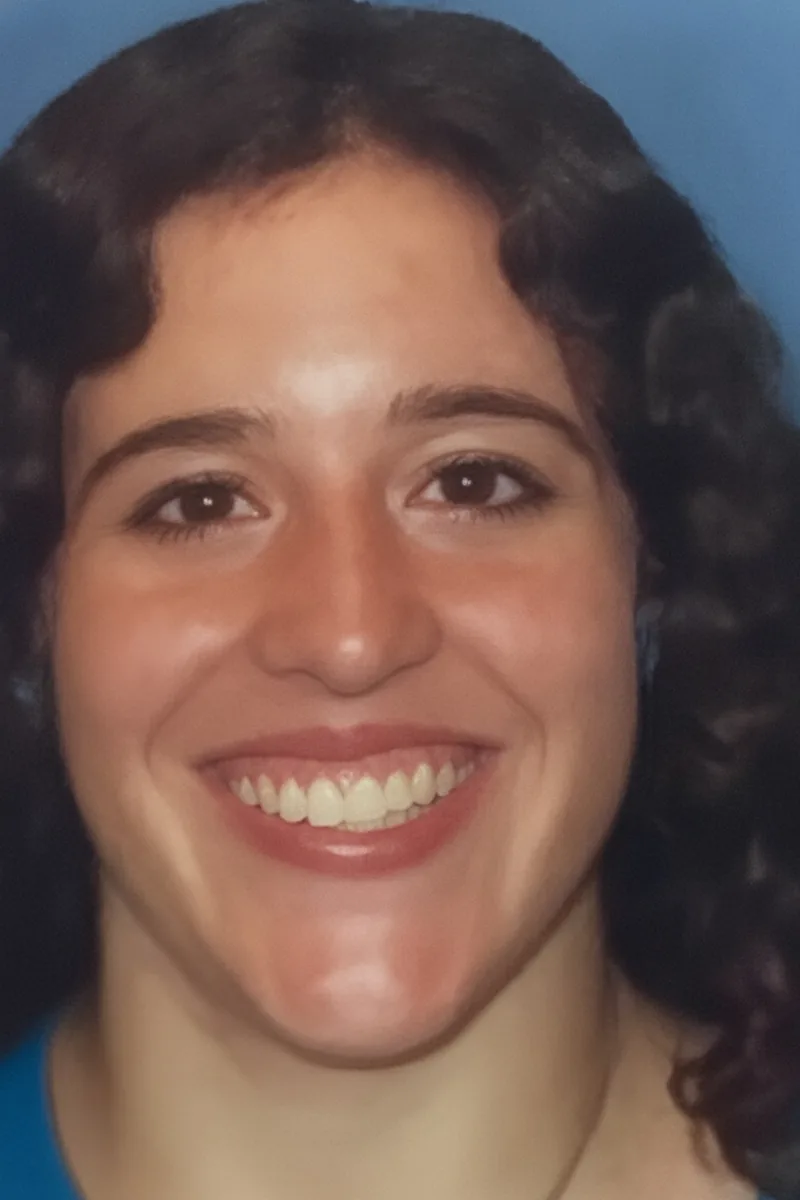
Enzyme kinetics, metabolic pathways, and amino acid chemistry all converge in biochemistry, and keeping them straight requires more than flashcards. Kaitlyn tackles these topics daily in medical school, so she teaches Michaelis-Menten plots, glycolysis intermediates, and protein structure with the kind of fluency that comes from constant use rather than distant memory.
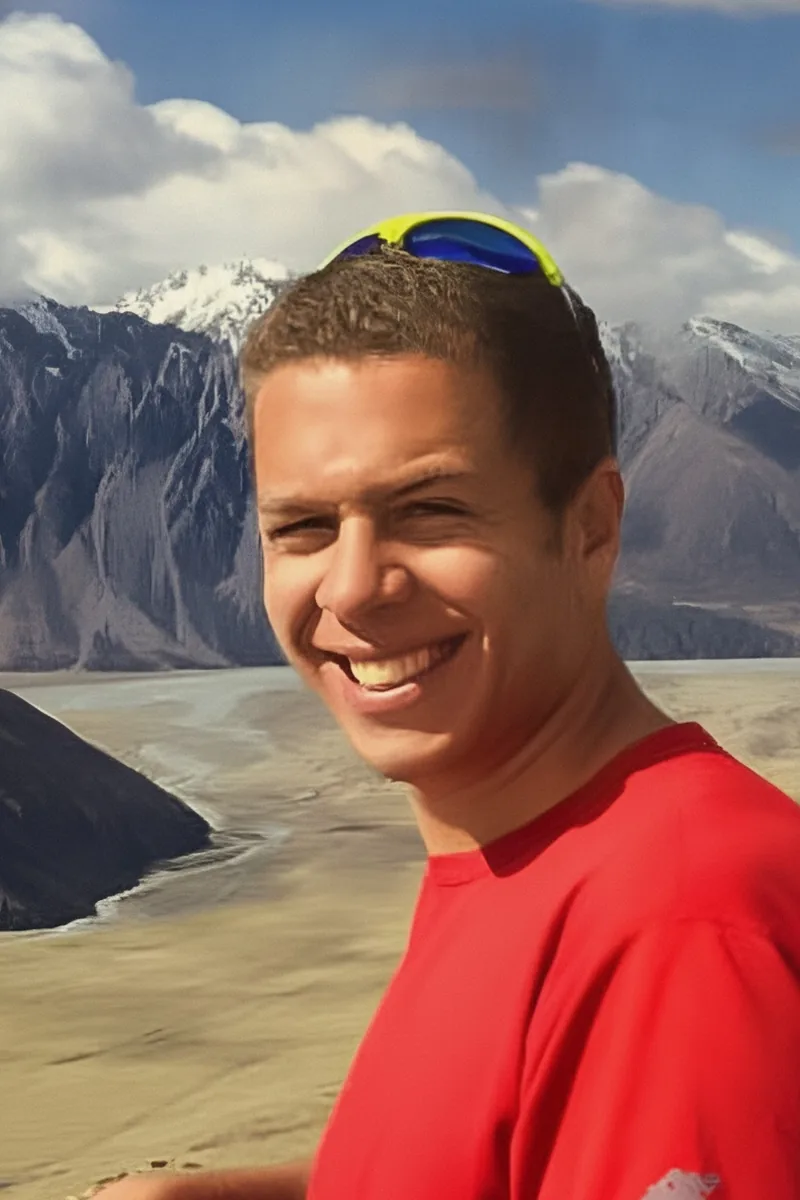
Enzyme kinetics, metabolic pathways, protein structure — biochemistry sits at the intersection of biology and chemistry, and it punishes students who try to memorize without understanding the underlying logic. Oliver earned his B.A. in Biochemistry at CU Boulder with a chemistry minor, giving him the dual lens needed to explain why Michaelis-Menten curves behave the way they do or how amino acid properties dictate protein folding.
Zachary earned both his BS in Biology and a master's in Molecular Biology, which means he's traced biochemical pathways from two different altitudes — the broad cellular view and the granular molecular detail. That dual training comes through when he unpacks topics like lipid metabolism or allosteric enzyme regulation, building each concept from its chemical logic so the bigger metabolic map starts to make sense on its own.
Enzyme kinetics, metabolic pathways, protein folding — biochemistry sits at the intersection of biology and chemistry, and Natasha lives at exactly that intersection as a chemical and biomolecular engineering graduate student at MIT. She unpacks reaction mechanisms and molecular interactions by encouraging students to talk through each step out loud, turning dense pathway diagrams into narratives that actually stick.
Studying neuroscience at Vanderbilt means Avi lives in biochemistry — enzyme kinetics, metabolic pathways, and protein structure are part of his daily coursework. He unpacks topics like the citric acid cycle or amino acid chemistry by tracing the logic of each reaction rather than asking students to memorize arrows on a diagram.
Earning a BS in Biochemistry from Boston College and then completing a PhD in molecular biology means Monika has spent years immersed in enzyme kinetics, metabolic pathways, and protein structure-function relationships. She tackles tough topics like the citric acid cycle and Michaelis-Menten kinetics by connecting each reaction to its biological purpose, turning rote memorization into logical storytelling.
Bintou's chemistry degree from Penn covered the organic and physical chemistry backbone that biochemistry builds on — reaction mechanisms, thermodynamics, molecular structure — and her year teaching high school science sharpened her ability to break layered concepts into steps students can actually follow. She approaches topics like enzyme kinetics and metabolic regulation by first making sure the underlying chemistry clicks, then building up to how those reactions behave inside a cell.
Managing an immunology lab means Matthew doesn't just teach enzyme kinetics, protein structure, or metabolic pathways from a textbook — he uses them daily in his breast cancer research at Columbia. He walks through topics like signal transduction, amino acid chemistry, and lipid metabolism with the kind of specificity that turns confusing diagrams into logical sequences students can actually reason through.
Cassandra's biology degree gives her the cellular and molecular grounding to teach biochemistry from the chemistry up — she walks through topics like enzyme regulation and metabolic intermediates by connecting each reaction to the organic chemistry driving it. Seven years of tutoring math and science across middle school through college means she's seen where students lose the thread, especially when pathways like gluconeogenesis start layering on exceptions and reversals. Rated 4.9 by students.
I am a 3rd year bio major at GT with minors in biochemistry and computer science. My tutoring subjects are math, bio, and chem. I have tutored for a few years, and I have also TAed! My favorite subjects are general chemistry and molecular biology (: My personal belief is that anyone can enjoy a subject once they truly understand it.
Enzyme kinetics, metabolic pathways, amino acid chemistry — biochemistry asks students to think like both a biologist and a chemist simultaneously. Ivan's background spanning cognitive science and the biological sciences, plus his MCAT teaching experience, means he can unpack reaction mechanisms and protein structure in ways that connect molecular detail to bigger physiological stories.
Enzyme kinetics, metabolic pathways, protein structure — biochemistry demands that students hold molecular-level detail and big-picture biological function in their heads simultaneously. Yasheen earned dual degrees in biology and cellular/molecular biology from Yale and now works in a cancer biology lab, so she lives in this material daily. She's particularly sharp on topics like amino acid chemistry, Michaelis-Menten kinetics, and the regulation of glycolysis and the citric acid cycle.
Testimonials
Because the right Biochemistry tutor makes all the difference.
Average Session Rating – Based on 3.4M Learner Ratings
Practice Biochemistry
Free practice tests, flashcards, and AI tutoring for Biochemistry
Nearby Biochemistry Tutors
Other Baton Rouge Tutors
Related Science Tutors in Baton Rouge
Frequently Asked Questions
Biochemistry combines abstract molecular concepts with complex metabolic pathways, making it challenging to visualize how reactions work at the atomic level. Students often struggle with balancing chemical equations, understanding enzyme kinetics, and connecting theoretical concepts like thermodynamics to real cellular processes. Many also find it difficult to memorize the sheer volume of pathways—glycolysis, the citric acid cycle, oxidative phosphorylation—without truly understanding how they interconnect. Personalized tutoring helps break these concepts into manageable pieces and builds the conceptual understanding that makes memorization stick.
Your first session focuses on understanding your current level, identifying specific pain points, and establishing a personalized learning plan. A tutor will likely assess your comfort with prerequisite chemistry and biology concepts, discuss which topics are most challenging (whether it's protein structure, metabolic pathways, or lab work), and determine your learning goals. This foundation helps the tutor tailor subsequent sessions to your needs, whether you need help with conceptual understanding, exam preparation, or lab report writing.
Yes. Tutors can help you understand the scientific method behind experiments, interpret lab results, troubleshoot techniques, and write clear lab reports. Whether you're learning chromatography, spectrophotometry, enzyme assays, or protein purification, a tutor can explain the chemistry happening in each step and help you connect experimental observations to the theory you've learned in lecture. This support strengthens both your hands-on skills and your ability to think like a scientist.
One of biochemistry's biggest hurdles is imagining molecular structures and reaction mechanisms in three dimensions. Tutors use diagrams, models, animations, and step-by-step walkthroughs to make abstract concepts concrete—breaking down how enzyme active sites work, how ATP is generated, or how protein folding affects function. By repeatedly working through these visualizations and explaining them back to your tutor, you build mental models that make the concepts stick and make it easier to apply them to new problems.
Effective exam prep goes beyond memorizing pathways—it requires understanding connections and being able to apply concepts to new scenarios. Tutors help you identify high-yield topics, practice problem-solving strategies, review past exams, and build confidence in areas like mechanism prediction and data interpretation. For students preparing for the MCAT or other standardized tests, tutors can focus on the specific biochemistry content and reasoning skills those exams require.
Look for tutors with a strong background in biochemistry, chemistry, or biology—ideally with a degree in one of these fields or related disciplines. Experience tutoring biochemistry specifically, familiarity with your course's curriculum, and the ability to explain complex concepts clearly are all important. Varsity Tutors connects you with tutors who have demonstrated expertise in biochemistry and a track record of helping students succeed in this challenging subject.
True learning in biochemistry comes from understanding the 'why' behind reactions and pathways, not just memorizing them. When you understand that glycolysis generates ATP and NADH to power the cell, for example, you can remember it because it makes sense—not because you forced it into memory. Tutors help you build this conceptual foundation by asking questions, working through problems, and connecting new material to concepts you already know. Once understanding is solid, the memorization becomes much easier and more durable.
With 121 schools and a 22.4:1 student-teacher ratio across Baton Rouge, many students benefit from one-on-one support to keep up with rigorous biochemistry coursework. Personalized tutoring gives you dedicated time to ask questions, work through challenging problems, and get immediate feedback—something that's hard to get in a large classroom. Whether you're preparing for college biochemistry, pre-health requirements, or an advanced course, connecting with an expert tutor helps you build mastery at your own pace.
Let’s find your perfect tutor
Answer a few quick questions. We’ll recommend the right plan and match you with a top 5% tutor.