Award-Winning AP Chemistry Tutors
serving Baton Rouge, LA
AP Chemistry
Tutors in Baton Rouge
Private 1-on-1 tutoring, weekly live classes for academic support, test prep & enrichment, practice tests and diagnostics, and more to elevate grades and test scores.
Based on 3.4M Learner Ratings
UniversitiesSchools & Universities
DeliveredHours Delivered
ProficiencyGrowth in Proficiency
Who needs tutoring?
No obligation. Takes ~1 minute.

AP Chemistry's jump from memorizing periodic trends to applying thermodynamics and equilibrium concepts trips up a lot of students. Eric's engineering coursework at Duke required mastering these same principles — reaction kinetics, enthalpy calculations, electrochemistry — and he teaches them with the quantitative rigor the AP exam demands. Rated 5.0 by students.
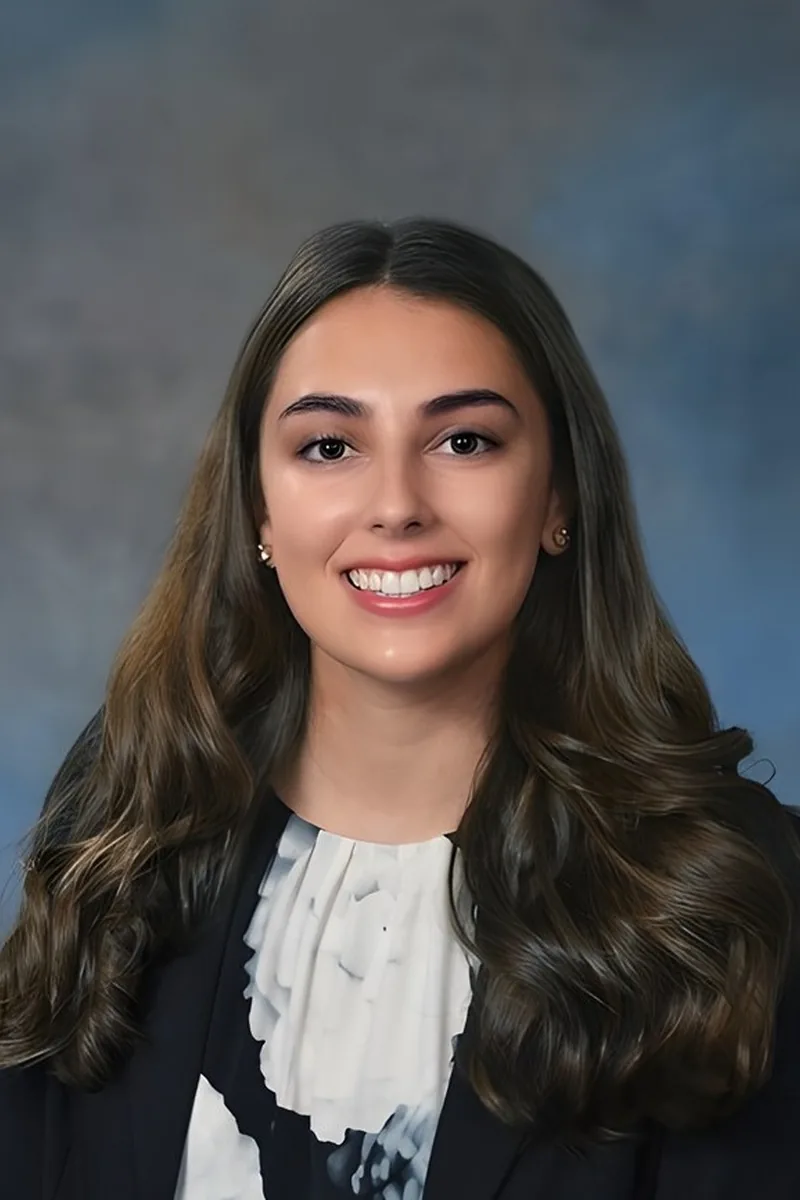
Thermodynamics, equilibrium, and electrochemistry tend to be the units where AP Chemistry students hit a wall — the math gets heavier and the conceptual leaps get bigger. Amanda tackles these topics by connecting abstract chemical principles to biological systems she knows deeply from her medical training, which makes ideas like Gibbs free energy or Le Chatelier's principle feel less arbitrary. Rated 4.7 by students.
Thermodynamics, electrochemistry, and equilibrium calculations in AP Chemistry require more than formula memorization — they demand fluency with why reactions behave the way they do. Abrahim's chemistry background spans general through physical and organic at UCLA, and his direct teaching style zeroes in on the conceptual reasoning that earns 4s and 5s on exam day.
Raj's biochemistry and molecular biology degree means he's lived through the college-level versions of every AP Chemistry topic — from reaction kinetics and acid-base equilibria to the thermodynamic principles that trip up most students on free-response questions. He teaches the quantitative side (stoichiometry, ICE tables, rate law setups) by anchoring each calculation in what's physically happening at the molecular level, so students build intuition alongside technique. His 36 ACT and 5.0 rating back up that approach.
Georgia Tech's chemical engineering curriculum threw Aimee into college-level thermodynamics, kinetics, and reaction engineering years before most students encounter those ideas — which means she can teach AP Chemistry's toughest conceptual leaps, like connecting enthalpy diagrams to spontaneity or interpreting rate law data, from genuine fluency rather than textbook familiarity. Her 4.9 rating and experience as a teaching assistant show she can translate that depth into clear, patient explanations when a student is stuck on a free-response problem at 9 p.m. the night before the exam.
Pratik's strongest subject is chemistry, and it shows — he tutors it at both the high school and college level from his home base as a premed biology major at Cornell. He digs into the conceptual logic behind equilibrium, thermodynamics, and electrochemistry so that students can reason through unfamiliar free-response prompts instead of relying on memorized shortcuts.
Cornell's environmental engineering program requires a chemistry sequence heavy on aqueous equilibria, redox reactions, and thermodynamics — exactly the content that dominates AP Chemistry's most demanding free-response questions. Akanksha draws on that coursework plus her experience teaching chemistry through Cornell's STEP program to walk students through topics like acid-base titrations and reaction energetics with real-world environmental applications that make the material stick. Rated 4.8 by students.
Neuroscience at Duke required Ankit to master chemistry at the molecular level — understanding how ions cross membranes, how neurotransmitters bind receptors, and how electrochemical gradients drive cellular processes. That gives him a concrete, biology-rooted way to teach AP Chemistry topics like oxidation-reduction reactions and intermolecular forces, where seeing the real-world consequences makes the theory click. His 1580 SAT and 4.8 rating back up the depth he brings to exam preparation.
Blake's neuroscience studies at Vanderbilt required college-level chemistry where concepts like molecular bonding, reaction energetics, and acid-base chemistry weren't electives — they were foundations for understanding how the brain works at a chemical level. That background means he can teach AP Chemistry's trickiest quantitative problems, from stoichiometry to gas laws, while explaining the molecular logic behind each step. His 34 ACT and 5.0 rating speak to the rigor and clarity he brings to exam preparation.
The jump from regular chemistry to AP Chemistry usually hits hardest around equilibrium, thermodynamics, and electrochemistry, where problems demand both quantitative precision and conceptual reasoning. Rebecca pairs her biology degree's deep chemistry coursework with a knack for walking through multi-step free-response questions so students learn to show their thinking clearly under exam pressure.
AP Chemistry's free-response questions demand more than correct calculations — they want students to explain why a reaction proceeds, connect molecular structure to macroscopic behavior, and justify claims with particulate-level reasoning. Jake digs into those conceptual explanations alongside the quantitative work, so students aren't blindsided by the written portions of the exam.
Three semesters as a college chemistry TA gave Joshua deep familiarity with the exact concepts that stump AP students: equilibrium calculations, thermodynamics, and electrochemistry. He knows how free-response questions are structured and teaches students to connect mathematical problem-solving with the conceptual reasoning the AP exam rewards.
Testimonials
Because the right AP Chemistry tutor makes all the difference.
Average Session Rating – Based on 3.4M Learner Ratings
Practice AP Chemistry
Free practice tests, flashcards, and AI tutoring for AP Chemistry
Nearby AP Chemistry Tutors
Other Baton Rouge Tutors
Related Science Tutors in Baton Rouge
Frequently Asked Questions
AP Chemistry covers eight major units: atomic structure and properties, molecular and ionic bonding, intermolecular forces and properties, chemical reactions, kinetics, thermodynamics, equilibrium, and acids and bases. The course also includes redox reactions, organic chemistry basics, and laboratory skills. Since the curriculum is comprehensive and fast-paced, many students benefit from personalized 1-on-1 instruction to master challenging concepts like equilibrium calculations and thermochemistry before test day in May.
Score improvement depends on your starting point and how consistently you engage with tutoring. Students who work with tutors typically see the most gains by focusing on their weakest units—whether that's kinetics, equilibrium, or thermodynamics—and practicing problems systematically. Many students improve by 1-2 score points (on the 1-5 scale) over several months, though some see faster progress if they start tutoring early in the school year and combine it with regular practice tests.
Students in Baton Rouge and across the country most struggle with equilibrium calculations, thermodynamics (especially entropy and free energy), and kinetics—topics that require both conceptual understanding and strong math skills. Acid-base chemistry and redox reactions also trip up many students because they demand careful attention to detail. Personalized tutoring helps by breaking these topics into manageable pieces, working through practice problems at your pace, and identifying exactly where your understanding breaks down.
The AP Chemistry exam includes a multiple-choice section (60 minutes) and a free-response section (90 minutes), so pacing is critical. Key strategies include reading questions carefully to identify what's actually being asked, eliminating obviously wrong answers on multiple choice, and showing all work on free-response to earn partial credit. Working with a tutor on full-length practice tests helps you build stamina, practice time management, and learn to recognize question patterns before test day.
Practice tests are essential—they help you identify weak areas, build test-day confidence, and get comfortable with the exam format and timing. The College Board releases official AP Chemistry practice materials, and many textbooks include additional full-length tests. Varsity Tutors connects you with tutors who can review your practice test results with you, pinpoint specific mistakes, and target your studying on the concepts that need the most work.
Starting tutoring in the fall or early winter gives you the most time to build a strong foundation and review challenging units before May. However, students benefit from tutoring at any point—even starting in spring can help you solidify weak areas and practice exam strategies. If you're struggling with specific topics or test anxiety, connecting with a tutor sooner rather than later gives you more time to work through problems and build confidence.
Varsity Tutors connects you with expert tutors who have deep knowledge of AP Chemistry and understand the exam inside and out. When you reach out, we match you with a tutor based on your specific needs—whether you need help with one tough unit, want comprehensive exam prep, or need support building test-taking skills. You can start with a first session to see if the fit is right, with no long-term commitment required.
Yes, personalized tutoring can include support with lab techniques, data analysis, and understanding experimental design—all important for the free-response section and the lab component of the course. A tutor can help you understand the reasoning behind common AP Chemistry experiments, practice writing clear lab conclusions, and connect lab observations to the theory you're learning in class. This integrated approach strengthens both your conceptual understanding and your exam performance.
Let’s find your perfect tutor
Answer a few quick questions. We’ll recommend the right plan and match you with a top 5% tutor.