Award-Winning Elementary Math Tutors
serving Bonita Springs, FL
Elementary Math
Tutors in Bonita Springs
Private 1-on-1 tutoring, weekly live classes for academic support, test prep & enrichment, practice tests and diagnostics, and more to elevate grades and test scores.
Based on 3.4M Learner Ratings
UniversitiesSchools & Universities
DeliveredHours Delivered
ProficiencyGrowth in Proficiency
Who needs tutoring?
No obligation. Takes ~1 minute.
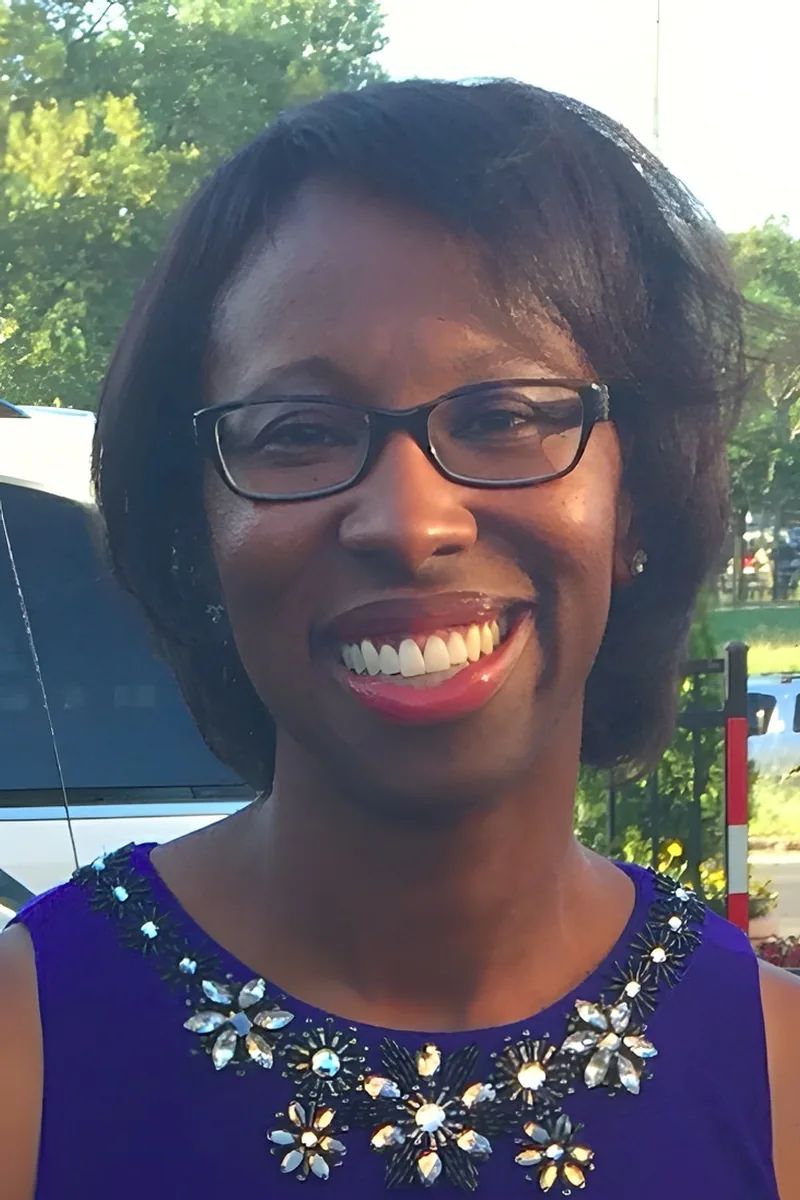
Building number sense early — understanding place value, basic fractions, and what multiplication actually means — shapes how a child thinks about math for years. Shellee makes these concepts tangible through games, real-world scenarios, and plenty of patience. Her 5.0 rating speaks to how well she connects with younger learners while keeping lessons structured and productive.

Building number sense early changes everything about how a student handles math later on. Paulkey tackles place value, basic multiplication strategies, and word problem comprehension by turning abstract ideas into concrete, repeatable steps. His years of classroom teaching across elementary grade levels give him a sharp eye for when a student is memorizing procedures without actually understanding them.
Getting multiplication facts, place value, and basic fractions right at this stage matters more than most people realize — these are the building blocks everything else sits on. Mariam makes these early concepts tangible and intuitive, using visual strategies and real-world examples that stick. Her own experience learning in a completely new language as a young student gives her genuine patience with kids who need a different way in.
Early math concepts like place value, fractions, and basic multiplication form the scaffolding for everything that comes later — and Benjamin treats them with the same rigor he brought to his graduate research. His two math degrees from Iowa State and the University of Essex mean he understands exactly where each elementary concept is headed, so he teaches it in a way that builds real number sense rather than rote counting.
Fractions, long division, and place value aren't just procedures to memorize — they're the building blocks every future math course depends on. Andrew excels at turning these topics into something tangible, using real-world scenarios like measuring ingredients or splitting groups to anchor the concepts. His patient, plain-language teaching style keeps younger learners engaged instead of frustrated.
Getting a young learner comfortable with multiplication strategies, place value, or basic fractions requires someone who genuinely enjoys working at that level. Emerson has tutored elementary-age students in multiple settings — from a volunteer learning center to private one-on-one sessions — and brings a calm, encouraging approach that builds number sense and confidence together.
Building number sense early matters more than speed with flash cards. Muriel teaches young learners to understand place value, basic operations, and simple fractions through concrete examples and hands-on reasoning. Her years of experience working with elementary-age students give her a clear sense of how to make abstract math ideas tangible.
Early math confidence matters more than most people realize, and Marina zeroes in on the conceptual gaps that slow kids down — place value, basic multiplication facts, or understanding what a word problem is actually asking. Her state teaching certification and experience across multiple grade levels mean she adapts quickly to each child's learning style.
Building number sense early makes every future math class easier, and that's exactly what Adam zeroes in on — place value, basic operations, fractions, and the reasoning behind carrying and borrowing. He explains these concepts using concrete language shaped by his training in linguistics, which makes abstract ideas accessible to younger learners. His patience with foundational skills means students walk away confident, not confused.
Fractions, place value, and multi-digit multiplication can feel like a maze of rules if a student doesn't understand the logic behind them. Kelsey breaks these concepts down using real-world examples that tap into a kid's natural curiosity — exactly the approach she developed while volunteering with younger students. Her 34 ACT composite reflects the kind of mathematical fluency she brings even to foundational topics.
Early math is all about building number sense — understanding what multiplication actually means, why borrowing works in subtraction, and how fractions relate to division. Jessica's year working directly in a school environment taught her how to read when a young learner is confused but not saying so, and she adjusts her explanations on the fly to match how each child thinks.
Building number sense early — understanding place value, regrouping in subtraction, or seeing why multiplication is repeated addition — sets up everything that comes later. Zachary's training in linguistics makes him especially attentive to how kids interpret math vocabulary, which is often where confusion hides. He turns tricky word problems into conversations that make the underlying math obvious.
Fractions, long division, and place value can feel like arbitrary rules if nobody explains the logic underneath them. Jairo takes a patient, step-by-step approach that turns these foundational skills into something that actually clicks, giving younger learners the number sense they'll rely on for years.
Early math is about building number sense — understanding that 47 is four tens and seven ones, or that multiplication is really repeated grouping. Joscelyn uses hands-on strategies like base-ten blocks and simple visual models to make these ideas tangible, giving young learners the kind of deep understanding that pays off for years.
Getting multiplication facts and place value right in elementary school shapes how a student handles every math class that follows. Brittany uses structured practice and creative problem-solving activities to make concepts like regrouping, basic fractions, and word problems feel approachable rather than intimidating.
Getting multiplication tables, place value, and basic fractions right early on shapes how a student handles every math class that follows. David zeroes in on building number sense through hands-on problem solving so that arithmetic feels logical, not just memorized. His patient, step-by-step approach keeps younger learners engaged and confident.
Teaching a second grader to regroup in subtraction requires a completely different explanation than teaching a fifth grader long division — and Jiwen gets that distinction. Her work with elementary-age students at the Tufts Literacy Corps and Tufts Community Music Program taught her how to read a young learner's confusion and adjust on the spot. She pairs that instinct with formal training in education from Harvard.
Getting multiplication tables, fractions, and place value right at the elementary level shapes how a student thinks about math for years. Melissa uses creative, multi-step approaches — visual models, real-world scenarios like measuring fabric or splitting recipes — that make number sense intuitive rather than rote. Her 5.0 client rating speaks to how well this clicks with younger learners.
Multiplication tables, long division, and fractions form the scaffolding for every math class that comes later, so getting them right early matters. Jake approaches elementary math by building number sense — not just drilling procedures but making sure a student understands why borrowing works in subtraction or what a fraction actually represents. His patience with complex material at the college level carries over to making young learners feel confident with the basics.
Aqsa turns early math concepts like place value, basic multiplication, and fractions into something tangible by using everyday examples kids can actually picture. Her experience coaching and mentoring younger learners means she knows how to keep sessions patient and encouraging while still pushing toward real progress.
Teaching elementary school every day near Boston means Emily isn't guessing about how young learners think about place value, fractions, or multi-digit multiplication — she watches it happen in real time. She uses multiple representations (number lines, area models, manipulatives) to find the approach that makes a concept stick for each child.
Fractions, place value, and multi-digit multiplication all click faster when a student understands the reasoning behind each step. Austin breaks these concepts into visual, concrete pieces — using number lines, grouping, and real-world scenarios — so younger learners build genuine number sense instead of just memorizing procedures.
Early math confidence matters more than most people realize — a kid who dreads subtraction at age eight often dreads algebra at fourteen. Samantha makes concepts like place value, regrouping, and basic multiplication tangible and even fun, using real-world examples that give young learners a reason to care about numbers.
Getting multiplication facts or place value wrong isn't a sign a kid is bad at math — it usually means the underlying concept hasn't clicked yet. Suzie is patient and specific, turning abstract ideas like regrouping or fraction equivalence into something a young learner can see and touch before moving to the written math.
Getting multiplication tables, fractions, and place value right at this stage shapes how a student thinks about math for years. Brittany's experience ranges from tutoring middle schoolers in West Philadelphia to working with college students at Penn, which gives her a clear picture of where early math skills need to be solid — and she makes those foundational concepts stick through concrete examples rather than rote repetition.
Place value, regrouping, and early fractions click faster when a tutor knows exactly where young learners tend to get stuck. Molly has spent three years teaching math intervention in 2nd through 4th grade classrooms, so she can pinpoint a gap in number sense and address it before it snowballs. Rated 5.0 by families she's worked with.
Young learners pick up math best when it feels like problem-solving rather than rule-following. Anna draws on her Education studies at Brown and her experience working with elementary-age kids to teach place value, basic operations, and early fractions through hands-on, confidence-building approaches.
Long division, fractions, and place value might seem simple, but the way a student first learns these ideas shapes how they think about math for years. Kristi brings nearly a decade of experience teaching across every math level, which means she understands exactly which foundational skills matter most and how to make them stick. She's rated 5.0 by her students.
Getting multiplication facts and place value right in elementary math isn't just about drilling — it's about building number sense so a child can reason through problems they haven't seen before. Moriah, a Cornell-educated educator who manages and teaches at a prep school, brings patience and structure to topics like fractions, measurement, and basic word problems.
Multiplication tables, place value, basic fractions — elementary math is deceptively important because every future math concept depends on it. Gabriel's background in human development gives him sharp insight into how younger learners think and build number sense. He keeps sessions interactive and concrete, turning abstract ideas into something a child can visualize and explain back.
Getting foundational arithmetic right — place value, multi-digit multiplication, fractions — sets up everything that comes later in math. Emily spent a year teaching at a private academy for students with learning differences, which sharpened her ability to break number concepts into concrete, manageable steps that actually click.
Building number sense early — understanding place value, basic operations, and simple word problems — sets the trajectory for everything that comes after in math. Lauren studied education at Northwestern and has experience tutoring young learners in after-school programs, so she knows how to keep lessons structured without losing a child's attention.
Testimonials
Because the right Elementary Math tutor makes all the difference.
Average Session Rating – Based on 3.4M Learner Ratings
Nearby Elementary Math Tutors
Other Bonita Springs Tutors
Related Math Tutors in Bonita Springs
Frequently Asked Questions
Varsity Tutors matches Bonita Springs students with expert Elementary Math tutors for 1-on-1 instruction. We pair each student with a tutor based on their specific needs, learning style, and goals.
Whether you need homework help, exam prep, or want to get ahead, our Elementary Math tutors are ready to help.
Common challenges include gaps from earlier material, difficulty with specific concepts, and trouble applying learning to new problems. These issues can snowball quickly in Elementary Math.
A tutor identifies where you're stuck, fills in gaps, and provides targeted practice. The 1-on-1 format means you get help exactly where you need it.
Tutors work with your student's actual coursework—homework assignments, class notes, and upcoming tests. This keeps tutoring directly relevant to what's happening in the classroom.
When you share information about your student's school and curriculum, we can match you with a tutor who has relevant experience.
All tutors complete background checks, credential verification, and teaching evaluation. Many of our Elementary Math tutors hold advanced degrees or have years of teaching experience.
You can review tutor profiles to find someone with the right background for your student's level and needs.
Many students see improved grades within a few weeks, along with better understanding of Elementary Math concepts and more confidence tackling challenging material.
Tutors track progress and adjust their approach to ensure continued improvement.
Most students benefit from 1-2 sessions per week. More frequent sessions help if your student is significantly behind or has an important exam coming up.
Your tutor can recommend a schedule based on your student's specific situation and goals.
Tutoring is purchased in packages of hours, with rates varying by tutor experience. Varsity Tutors offers several options to fit different budgets and needs.
You can discuss pricing during your consultation to find what works best.
Your tutor will assess where your student is, discuss goals, and start working on priority areas. Most students bring current homework or upcoming test material to focus on.
By the end, you'll have a clear sense of how the tutor can help and a plan for moving forward.
Let’s find your perfect tutor
Answer a few quick questions. We’ll recommend the right plan and match you with a top 5% tutor.