Award-Winning Anatomy Tutors
serving Fort Collins, CO
Anatomy
Tutors in Fort Collins
Private 1-on-1 tutoring, weekly live classes for academic support, test prep & enrichment, practice tests and diagnostics, and more to elevate grades and test scores.
Based on 3.4M Learner Ratings
UniversitiesSchools & Universities
DeliveredHours Delivered
ProficiencyGrowth in Proficiency
Who needs tutoring?
No obligation. Takes ~1 minute.

Hannah's graduate work in public health nutrition required detailed knowledge of how the body processes and distributes nutrients — tracing digestive structures, vascular supply to organs, and the endocrine glands that regulate metabolism. As a Registered & Licensed Nutritionist, she teaches anatomy through the lens of what each system actually does in a living body, which makes organ relationships and tissue layers feel purposeful rather than abstract. Rated 5.0 by students.
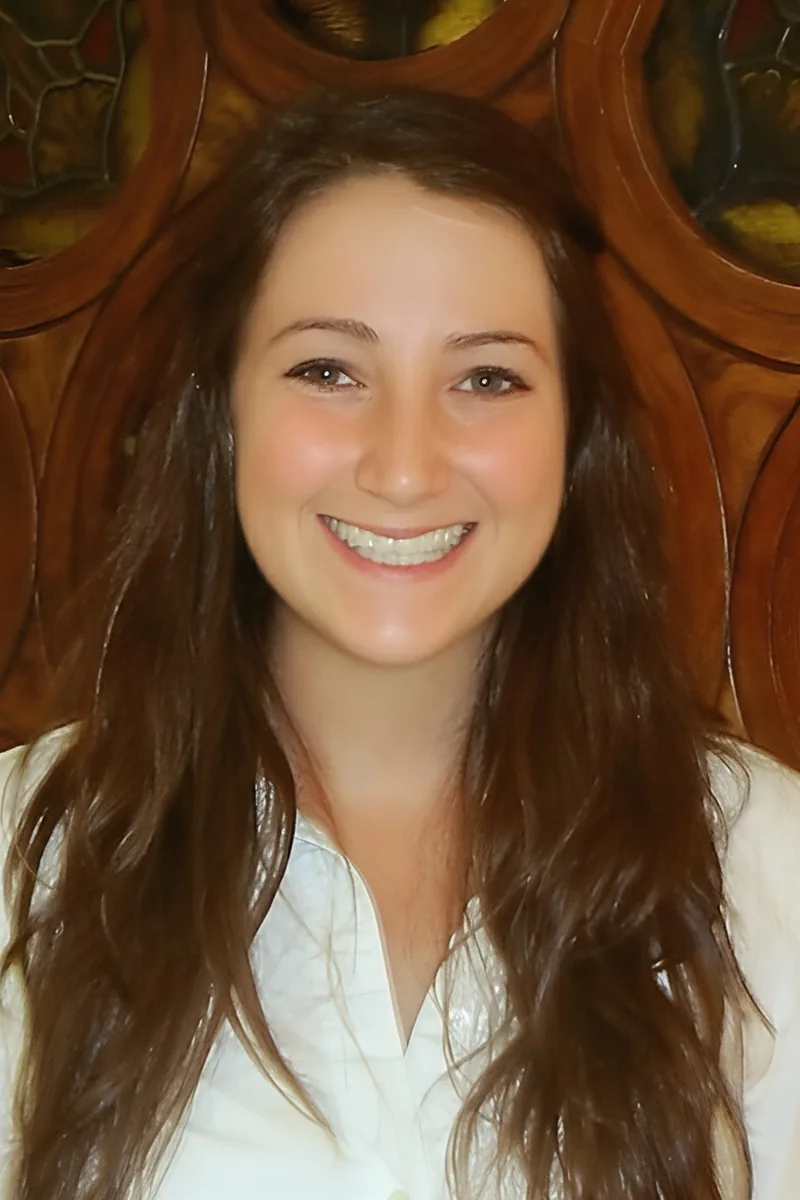
Memorizing every bone, muscle, and nerve pathway in anatomy feels impossible without a system. Jessica's undergraduate concentration in Human Growth and Development gave her a developmental lens for anatomy — she teaches structures by connecting them to their function and embryological origin, which makes retention far more intuitive than flashcard drilling alone.
Medical school at the doctoral level means learning anatomy twice — once from textbooks and once from the body itself, where the relationship between a nerve's path and the tissue it innervates becomes tangible. Daniel's training gave him that layered understanding, and he teaches structures like organ systems and musculoskeletal attachments by connecting them to the physiological roles students encounter in his physiology and biology sessions. That cross-subject fluency means students leave with more than labeled diagrams — they understand how the parts actually work together.
Medical school gave Marc a clinical lens on anatomy that most tutors don't have — he connects each muscle origin, nerve pathway, or organ relationship to how it actually matters in a living body. He also teaches efficient memorization strategies for the sheer volume of structures students need to retain.
Having studied anatomy through her nursing education, Sarah knows the subject from the inside — not just labeling structures on a diagram but understanding how organ systems interact functionally. She tackles tough topics like the brachial plexus or cardiac conduction pathways by linking structure to clinical purpose, which makes dense material far easier to retain.
Memorizing every bone, muscle, and nerve pathway in anatomy can feel overwhelming without a system. Krishna approaches the subject by linking structure to function — explaining why the brachial plexus is organized the way it is, or how the histology of the small intestine relates to nutrient absorption. Her pre-med coursework and biology research background at Cornell keep her explanations grounded in clinical relevance.
Learning anatomy is often treated as pure memorization — origin, insertion, action, repeat — but Ade tackles it differently by linking structures to their physiological function. When a student understands why the brachial plexus is organized the way it is, or how blood flow through the heart's chambers relates to valve placement, the naming conventions start to make intuitive sense.
Memorizing every bone, muscle, and nerve pathway in anatomy feels overwhelming until someone shows you the organizational logic underneath it all. Eugene's doctoral studies in biomedical science at Morehouse School of Medicine gave him a systematic way to learn anatomical structures — grouping them by region, function, and clinical relevance. He teaches students to build mental maps of the body rather than relying on brute-force memorization.
Medical school anatomy is relentless — cadaver labs, spatial reasoning, thousands of structures with Latin names. Felix went through that gauntlet and developed memorization strategies tied to clinical relevance: knowing the brachial plexus not just as a diagram but as the reason a patient can't extend their wrist. He walks students through regional and systems-based anatomy with that same emphasis on function over rote labeling.
Studying anatomy means memorizing hundreds of structures, but retention depends on understanding how those structures function together. Gita's background in biology and physiology means she can explain why the brachial plexus is organized the way it is, or how the nephron's architecture drives filtration — turning rote memorization into something that actually sticks.
Memorizing the names of 206 bones or every branch of the brachial plexus doesn't stick without a framework for why structures are shaped and positioned the way they are. Albina breaks anatomy down by linking form to function — explaining how the architecture of a joint or the layout of the vasculature serves a specific physiological purpose.
From brachial plexus branching patterns to the fascial compartments of the lower limb, anatomy rewards spatial thinking and systematic review. Emad has taught anatomy as an adjunct professor and conducted research at Columbia University, so he approaches each region with the precision of someone who has dissected, diagrammed, and clinically applied this material across two medical programs.
I am a public school teacher (Chemistry and Living Environment) but can tutor most sciences. I truly believe in differentiated learning and once I know the learning style of a student, I tailor my teaching style for optimum time usage. I love to utilize stories from my real life experiences in labs to help students understand the implications of their science education.
Testimonials
Because the right Anatomy tutor makes all the difference.
Average Session Rating – Based on 3.4M Learner Ratings
Practice Anatomy
Free practice tests, flashcards, and AI tutoring for Anatomy
Nearby Anatomy Tutors
Other Fort Collins Tutors
Related Science Tutors in Fort Collins
Frequently Asked Questions
Varsity Tutors matches Fort Collins students with expert Anatomy tutors for 1-on-1 instruction. We pair each student with a tutor based on their specific needs, learning style, and goals.
Whether you need homework help, exam prep, or want to get ahead, our Anatomy tutors are ready to help.
Common challenges include gaps from earlier material, difficulty with specific concepts, and trouble applying learning to new problems. These issues can snowball quickly in Anatomy.
A tutor identifies where you're stuck, fills in gaps, and provides targeted practice. The 1-on-1 format means you get help exactly where you need it.
Tutors work with your student's actual coursework—homework assignments, class notes, and upcoming tests. This keeps tutoring directly relevant to what's happening in the classroom.
When you share information about your student's school and curriculum, we can match you with a tutor who has relevant experience.
All tutors complete background checks, credential verification, and teaching evaluation. Many of our Anatomy tutors hold advanced degrees or have years of teaching experience.
You can review tutor profiles to find someone with the right background for your student's level and needs.
Many students see improved grades within a few weeks, along with better understanding of Anatomy concepts and more confidence tackling challenging material.
Tutors track progress and adjust their approach to ensure continued improvement.
Most students benefit from 1-2 sessions per week. More frequent sessions help if your student is significantly behind or has an important exam coming up.
Your tutor can recommend a schedule based on your student's specific situation and goals.
Tutoring is purchased in packages of hours, with rates varying by tutor experience. Varsity Tutors offers several options to fit different budgets and needs.
You can discuss pricing during your consultation to find what works best.
Your tutor will assess where your student is, discuss goals, and start working on priority areas. Most students bring current homework or upcoming test material to focus on.
By the end, you'll have a clear sense of how the tutor can help and a plan for moving forward.
Let’s find your perfect tutor
Answer a few quick questions. We’ll recommend the right plan and match you with a top 5% tutor.