Award-Winning Mandarin Chinese Tutors
serving Seattle, WA
Mandarin Chinese
Tutors in Seattle
Private 1-on-1 tutoring, weekly live classes for academic support, test prep & enrichment, practice tests and diagnostics, and more to elevate grades and test scores.
Based on 3.4M Learner Ratings
UniversitiesSchools & Universities
DeliveredHours Delivered
ProficiencyGrowth in Proficiency
Who needs tutoring?
No obligation. Takes ~1 minute.
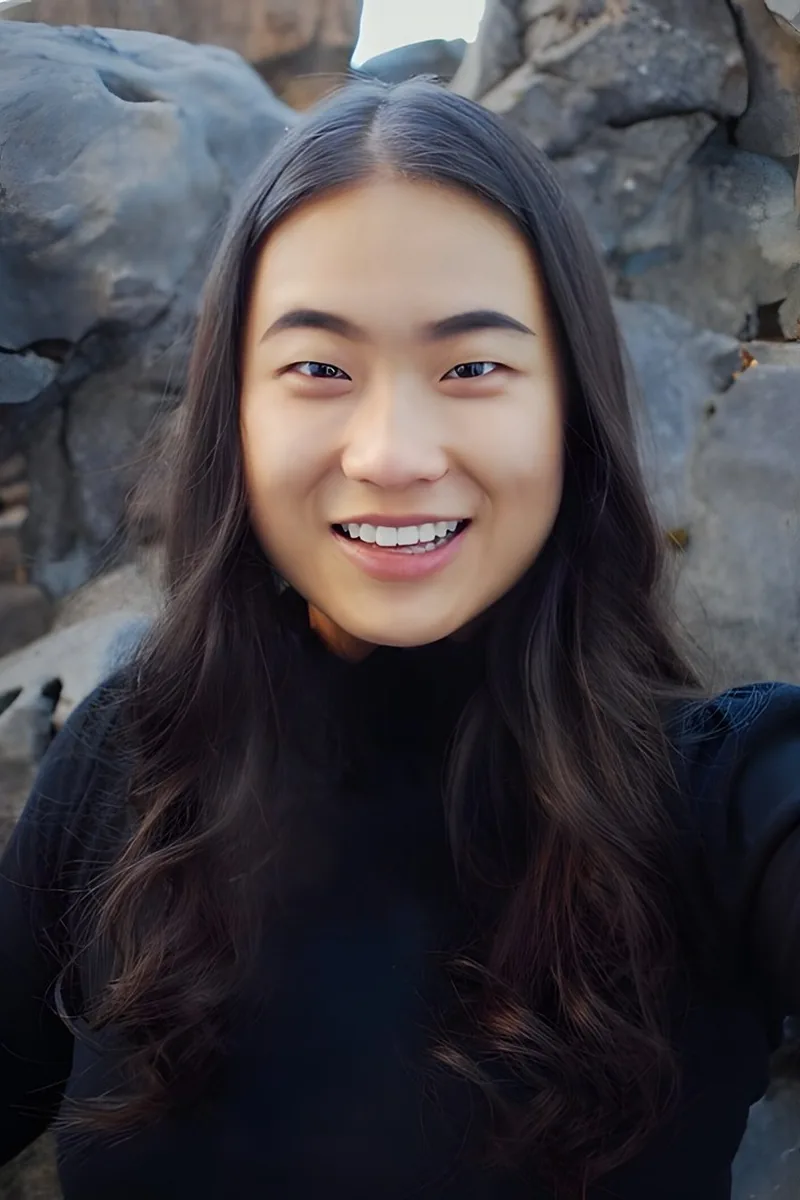
Learning Mandarin means training your ear for four tones, mastering stroke order in character writing, and internalizing grammar patterns that have no English equivalent. Xiansheng teaches all of these simultaneously, weaving conversation practice into structured lessons on radicals, measure words, and sentence particles. Whether a student is starting from zero or building toward fluency, he adjusts the pace and complexity to match.

Mandarin was at the center of Jacob's University of Chicago degree, where he studied the language alongside Chinese history, literature, and culture. That immersion means he can explain not just how characters and tones work but why certain grammatical structures exist — connecting vocabulary to the cultural logic behind it. He's developing his own acquisition methods designed to accelerate real conversational fluency.
Learning Mandarin means training your ear for four tones, memorizing character stroke order, and internalizing grammar patterns that have no English equivalent. Tracy grew up speaking Mandarin natively and teaches everything from pinyin fundamentals for beginners to reading comprehension and essay composition for advanced learners.
Helen teaches Mandarin across beginner and intermediate levels, covering tonal pronunciation, character writing, and sentence structure. She connects grammar patterns to real conversational use, which makes abstract rules like measure words and aspect particles feel intuitive rather than arbitrary.
Allison teaches Mandarin with attention to the details that trip up English speakers most: tonal pronunciation, character stroke order, and the grammatical structures that have no direct English equivalent. Her approach connects vocabulary to real-world contexts — ordering food, reading signs, navigating conversations — so new words actually stick beyond the quiz.
Connie is a Chinese language major at Dartmouth, which means she's tackled everything from character stroke order and tonal pronunciation to classical grammar structures and formal essay composition. That academic depth lets her explain the logic behind Mandarin's grammar and writing system instead of relying on rote memorization. Whether a student is working through radicals or sentence patterns, she connects each piece to the bigger linguistic picture.
Learning Mandarin means tackling tones, character recognition, and sentence structures that have almost nothing in common with English. Eric breaks down these challenges systematically, connecting new grammar patterns to ones students already know and building reading fluency through consistent character practice.
Kelly teaches Mandarin through all four levels, breaking down tonal pronunciation, character stroke order, and sentence structure in ways that build real fluency. Her approach connects vocabulary to practical contexts — ordering food, navigating directions, discussing current events — so grammar patterns stick through use rather than rote drills. Rated 5.0 by students.
Cindy teaches Mandarin across four course levels, from introductory pinyin and tone work through more advanced reading and conversation — so she can match instruction to wherever a student currently stands. As a current Penn undergrad who balances Mandarin alongside her political science coursework, she brings a learner's perspective on what makes vocabulary and grammar patterns click. Rated 5.0 by students.
Learning Mandarin means juggling tones, character stroke order, and sentence structures that feel nothing like English — and Paulkey tackles each piece systematically. As a certified Mandarin teacher who has taught every level from beginner through AP, he sequences new vocabulary and grammar so each lesson builds naturally on the last. Rated 4.7 by students.
A semester living and studying in Shanghai gave Joshua the kind of spoken and written Mandarin fluency that's hard to get from a textbook alone. He tackles tonal pronunciation, character stroke order, and grammar patterns like 把 and 了 by connecting each concept to real conversational contexts, making the language feel less abstract for beginners and intermediate learners alike.
Ingrid is pursuing a double major in Asian Languages and Cultures at Northwestern, where she's studied Mandarin through advanced coursework up to the fourth level. She breaks down tonal pronunciation, character recognition, and sentence structure in ways that make the language accessible to learners at any stage — from pinyin basics to reading and writing full passages.
Asta's experience teaching the SAT Chinese Subject Test and living in Hong Kong gave her a practical grasp of Mandarin that bridges formal grammar with real-world usage. She tackles tonal accuracy, character recognition, and sentence structure by connecting each concept to contexts students will actually encounter — ordering food, reading signs, or discussing current events.
Testimonials
Because the right Mandarin Chinese tutor makes all the difference.
Average Session Rating – Based on 3.4M Learner Ratings
Other Seattle Tutors
Related Languages Tutors in Seattle
Frequently Asked Questions
In a typical Seattle classroom with a 15.4:1 student-teacher ratio, students get limited opportunities to practice speaking Mandarin one-on-one. Personalized tutoring gives you consistent conversation practice with an expert tutor who can provide immediate feedback on pronunciation, tone, and natural usage. This focused speaking practice is one of the most effective ways to build confidence and fluency in Mandarin.
Mandarin's four tones (plus neutral tone) are critical for being understood, and mastering them requires consistent, corrected practice. A tutor can help you identify which tones are challenging, demonstrate proper mouth and tongue positioning, and give you targeted exercises to internalize the sounds. Regular practice with immediate feedback is far more effective than learning tones passively in a classroom setting.
Mandarin reading and writing involve learning characters (hanzi), stroke order, and how to recognize both simplified and traditional forms. A tutor can scaffold this learning by starting with high-frequency characters, teaching you to recognize radicals (character components) that help with meaning and pronunciation, and gradually building to reading passages and writing essays. Personalized instruction ensures you're learning characters in a logical progression rather than randomly.
The most effective approach combines both. Understanding grammar structures (like word order, aspect markers, and measure words) gives you a framework for constructing sentences, while exposure to natural usage—through conversation, reading, and cultural context—helps you internalize how native speakers actually communicate. A tutor can balance explicit instruction with immersive conversation practice to develop both accuracy and fluency.
Vocabulary retention improves dramatically with spaced repetition and active use. Rather than memorizing isolated word lists, a tutor can help you learn vocabulary in context, use it in conversations, and review strategically over time. Connecting new words to cultural context, similar characters, or real-world scenarios also makes them stick better than rote memorization alone.
Language and culture are deeply connected—understanding cultural context helps you grasp why certain expressions are used, how to communicate respectfully, and what topics matter in Mandarin-speaking communities. Tutors often weave cultural insights into lessons, whether discussing idioms rooted in Chinese history, explaining formal vs. informal speech registers, or exploring media and literature. This immersive approach makes learning more engaging and meaningful.
Reaching professional proficiency in Mandarin typically requires around 2,200 hours of study according to language learning research. The timeline depends on your starting point, how frequently you study, and your definition of fluency. With consistent personalized tutoring combined with self-study and immersion opportunities in Seattle's vibrant Chinese community, you can make steady progress toward conversational fluency within months and professional proficiency within 1-2 years.
Look for tutors who are native or near-native Mandarin speakers with teaching experience and expertise in the specific skills you need (conversation, test prep, character writing, etc.). Ideally, they should understand common challenges for English speakers learning Mandarin and be able to explain grammar and pronunciation in ways that make sense to you. Varsity Tutors connects you with expert tutors in Seattle who meet these standards and can be matched to your learning goals.
Let’s find your perfect tutor
Answer a few quick questions. We’ll recommend the right plan and match you with a top 5% tutor.