Award-Winning Latin Tutors
serving Scottsdale, AZ
Latin
Tutors in Scottsdale
Private 1-on-1 tutoring, weekly live classes for academic support, test prep & enrichment, practice tests and diagnostics, and more to elevate grades and test scores.
Based on 3.4M Learner Ratings
UniversitiesSchools & Universities
DeliveredHours Delivered
ProficiencyGrowth in Proficiency
Who needs tutoring?
No obligation. Takes ~1 minute.
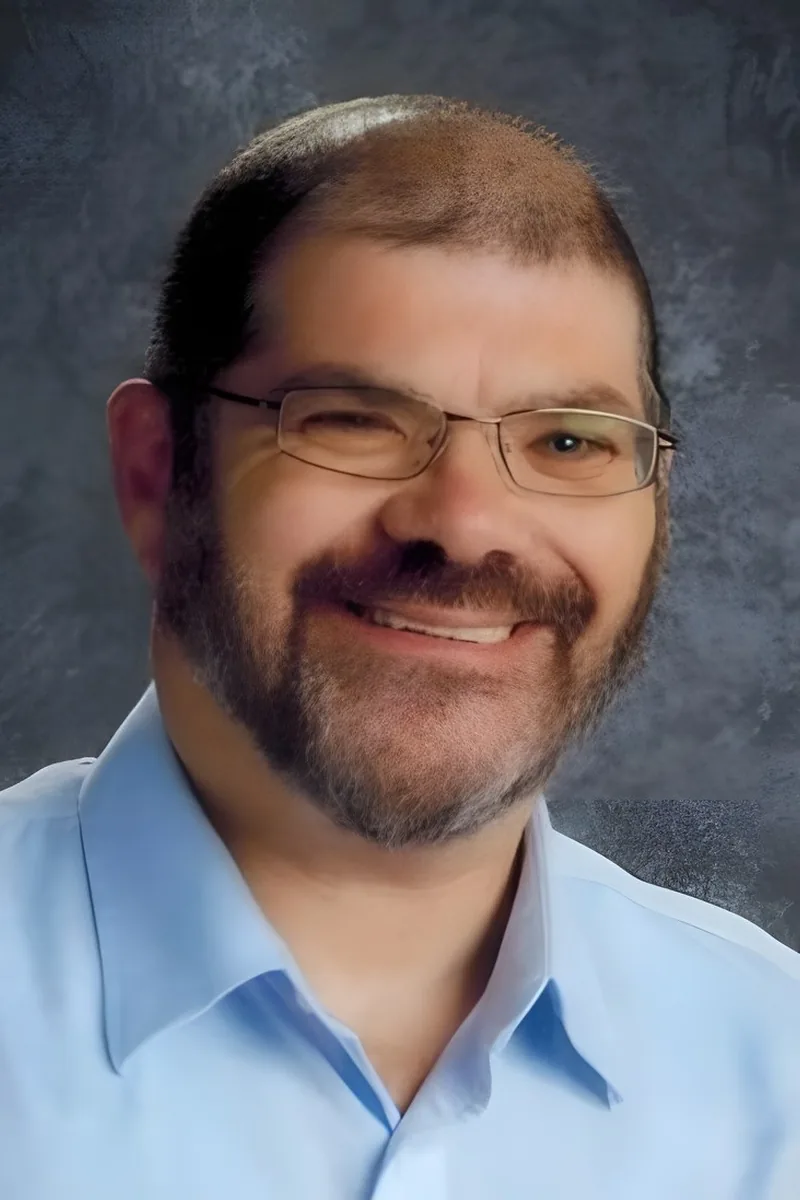
Maurice's Special Education training gives him a sharp eye for where students get stuck on Latin's layered grammar — whether it's mixing up nominative and accusative case endings or losing track of verb tenses in longer passages. He breaks each concept into concrete, manageable steps, adjusting his explanations until the underlying pattern clicks. His background in Talmudic Studies, which involves close reading of ancient texts with precise attention to language structure, reinforces that same careful, text-driven approach.
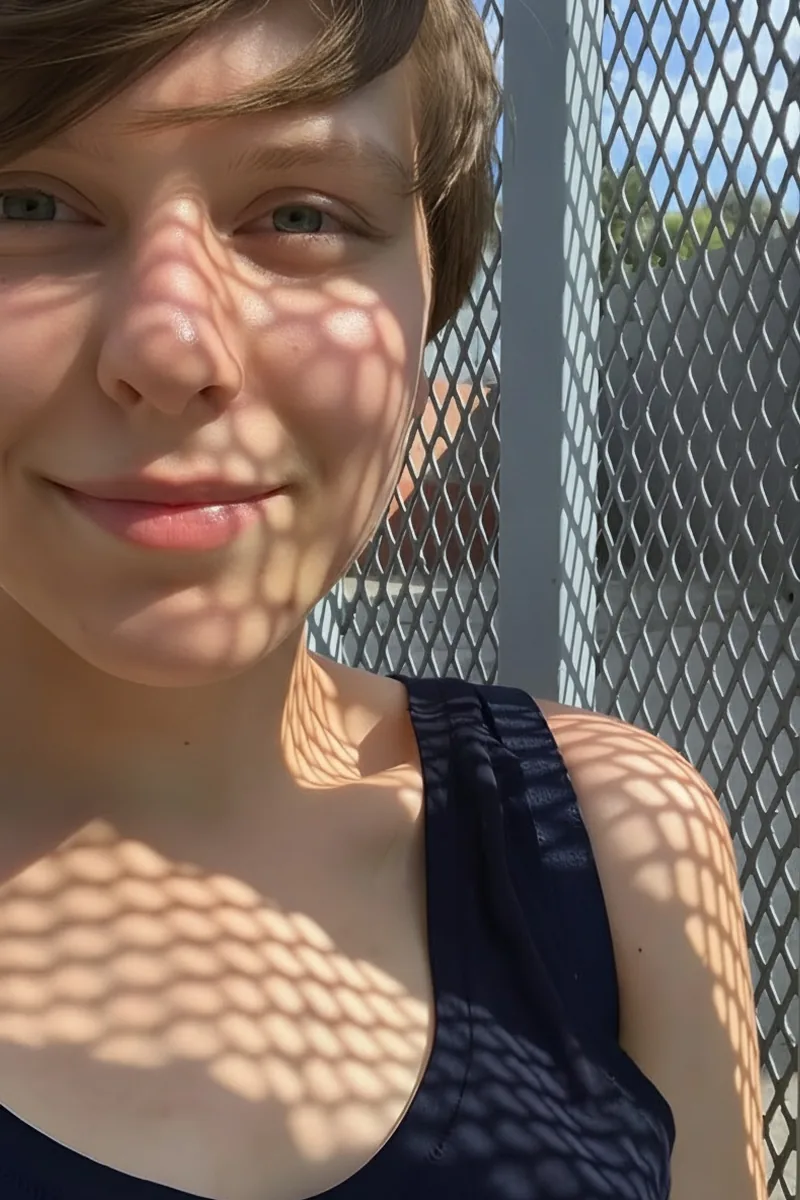
Isabel teaches all four levels of Latin, from first-year noun declensions and verb conjugations through the advanced prose and poetry of authors like Vergil and Cicero. Her literary training gives her a particular edge when it comes to translation — she treats each passage as a piece of writing with style and intent, not just a grammar puzzle to decode.
Declining nouns and conjugating verbs can feel like pure memorization, but Ben connects Latin grammar to the logic underneath it — showing how case endings signal a word's job in the sentence the way word order does in English. He covers classical and medieval Latin, so whether a student is working through Wheelock's or translating passages from Livy, he can meet the material head-on. Rated 4.7 by students.
I am a graduate of Texas Christian University. I received my degree in Secondary Education with a Social Studies Emphasis and Mathematics Minor. I am currently pursuing my Masters of Education through the University of Notre Dame while teaching high school math and social studies. I have experience tutoring the PSAT, ACT, SAT, and various math subjects. I look forward to working with you!
I am looking at their work 'from the outside' and can therefore see where they have improved whereas the student might see their struggles more clearly than their progress. I also believe and emphasize that learning is an ongoing process, and academic skills don't come naturally to most people - they are skills which require practice over time. With a subject like Spanish, I try to relate to the student's struggles by talking about issues that I found difficult as well.
Currently pursuing a PhD in Classics at the University of Washington, Nicole lives in Latin daily — reading original texts, parsing complex subjunctive constructions, and tracing how vocabulary shifts across centuries of Roman literature. She taught Latin to 5th and 6th graders at Basis.Ed, which means she knows how to make noun declensions and verb conjugations click for beginners, and she can push advanced readers through Virgil or Cicero with equal confidence.
I am a senior studying English Literature and Philosophy at Barrett the Honors College at ASU. In addition to being a tutor, I have worked as a teacher for an after school program at a local charter school as well as a TA in a 5th grade classroom. I have experience tutoring grades K-12 and am very passionate about helping people to love learning! I'm very excited to meet you.
Headed to Columbia's medical school, Tyler knows firsthand how Latin vocabulary threads through anatomy, pharmacology, and clinical terminology — but his Latin teaching goes beyond roots and prefixes into the grammatical scaffolding that makes the language work. He covers both Latin 1 and Latin 2, walking students through conjugation patterns and case usage with the same methodical approach he applies to his biology and standardized test prep.
Zachary's PhD work at Harvard sits squarely at the intersection of German philosophy and classics, meaning he reads Latin not as a classroom exercise but as a daily tool for engaging with primary texts in their original language. He teaches all four levels and is especially sharp on the grammatical precision needed for dense philosophical and literary passages — ablative constructions, purpose clauses, and the kinds of nested relative clauses that make students' eyes glaze over until someone unpacks the logic holding them together.
As a Classics major at Carleton who aspires to teach high school Latin full-time, Emma has spent years immersed in the language — not just grammar drills, but reading original texts alongside Ancient Greek and the historical contexts that bring both languages to life. She covers all four levels plus AP Latin, and her weekly tutoring at a nearby high school means she's constantly refining how she explains everything from first-year noun declensions to the subjunctive constructions that trip up advanced students.
Having tutored high school Latin students while studying English and journalism at the University of Pennsylvania, Amy knows how to bridge the gap between memorizing paradigm charts and actually reading Latin with confidence. She zeroes in on building the kind of grammatical intuition — recognizing how a subjunctive signals purpose, or why word order shifts in poetry — that turns translation from a grind into something that clicks.
Having studied Latin intensively through advanced levels at Yale, Malina treats the language as a system of interlocking patterns rather than a list of endings to memorize. She digs into how ablative absolutes, indirect discourse, and subjunctive clauses actually function in passages from Caesar, Virgil, and Cicero — so students learn to read Latin, not just decode it.
Working in Sewanee's writing center gave Wallis a sharp eye for how Latin grammatical structures — particularly case usage and participial constructions — surface in English academic prose, making her explanations feel grounded rather than abstract. She also studied at the European University at St. Petersburg, where reading across languages reinforced the kind of close, syntax-level attention that Latin translation demands. Her Latin 1 and Latin 2 teaching covers foundational declensions through more complex sentence parsing.
Grace's AP Latin coursework and political science studies at Vanderbilt mean she's read Roman oratory and governance texts in their original language — the kind of dense, clause-heavy prose where getting ablative absolutes and indirect statements right actually matters. She brings that firsthand experience with politically charged Latin passages to her teaching, walking students through how to decode complex syntax by anchoring each grammatical choice in what the author was trying to argue.
Physics training builds a habit of reading equations as sentences — every symbol has a role, every operation has a reason — and Cory applies that same structural decoding to Latin grammar, where case endings and verb forms function like variables in a well-defined system. He's not a classicist, but his 4.9 rating across dozens of subjects reflects someone who can break any rule-driven discipline into logical, learnable steps, which is exactly what first- and second-year Latin students need when declension tables start to blur together.
Skylar took Latin through the graduate level at Johns Hopkins and earned a 5 on the AP Latin exam, so she knows the language from first-declension basics all the way through Vergil and Caesar at an advanced level. She breaks down complex constructions — ablative absolutes, indirect discourse, subjunctive clauses — by connecting grammar to the logic of what a Roman author is actually trying to say. That approach turns translation from guesswork into a skill students can repeat on any unseen passage.
Dennis's Latin studies through AP level sit alongside his physics and math work at Princeton — an unusual combination that means he treats Latin grammar the way he treats a physics problem, breaking complex sentence structures into their component parts and solving them systematically. He's especially effective with the kind of precise syntactic parsing that AP Latin demands, where identifying an ablative absolute or untangling a periodic sentence requires the same logical rigor as modeling turbulent plasmas.
Biomedical sciences coursework means Sam encounters Latin daily — anatomical nomenclature, pharmacological terms, and disease classifications all trace directly back to the language's vocabulary and word-formation rules. That constant exposure to Latin roots and prefixes in a scientific context gives him a practical angle on teaching vocabulary acquisition, while his SAT verbal preparation (1530 composite) sharpened the grammatical parsing skills that make declensions and sentence structure click.
Spanning Latin through AP level alongside Spanish, Italian, and German, Jamie brings a polyglot's instinct for how Latin's grammar echoes across the language families it shaped — making case endings and conjugation patterns feel like familiar territory rather than abstract rules. His approach leans on comprehensible input and story-driven immersion, so students absorb vocabulary and syntax through context-rich reading rather than isolated memorization. A Master's in Special Education also means he's skilled at adapting pacing and methods to fit how each learner actually processes new material.
Testimonials
Because the right Latin tutor makes all the difference.
Average Session Rating – Based on 3.4M Learner Ratings
Other Scottsdale Tutors
Related Languages Tutors in Scottsdale
Frequently Asked Questions
Varsity Tutors matches Scottsdale students with expert Latin tutors for 1-on-1 instruction. We pair each student with a tutor based on their specific needs, learning style, and goals.
Whether you need homework help, exam prep, or want to get ahead, our Latin tutors are ready to help.
Common challenges include gaps from earlier material, difficulty with specific concepts, and trouble applying learning to new problems. These issues can snowball quickly in Latin.
A tutor identifies where you're stuck, fills in gaps, and provides targeted practice. The 1-on-1 format means you get help exactly where you need it.
Tutors work with your student's actual coursework—homework assignments, class notes, and upcoming tests. This keeps tutoring directly relevant to what's happening in the classroom.
When you share information about your student's school and curriculum, we can match you with a tutor who has relevant experience.
All tutors complete background checks, credential verification, and teaching evaluation. Many of our Latin tutors hold advanced degrees or have years of teaching experience.
You can review tutor profiles to find someone with the right background for your student's level and needs.
Many students see improved grades within a few weeks, along with better understanding of Latin concepts and more confidence tackling challenging material.
Tutors track progress and adjust their approach to ensure continued improvement.
Most students benefit from 1-2 sessions per week. More frequent sessions help if your student is significantly behind or has an important exam coming up.
Your tutor can recommend a schedule based on your student's specific situation and goals.
Tutoring is purchased in packages of hours, with rates varying by tutor experience. Varsity Tutors offers several options to fit different budgets and needs.
You can discuss pricing during your consultation to find what works best.
Your tutor will assess where your student is, discuss goals, and start working on priority areas. Most students bring current homework or upcoming test material to focus on.
By the end, you'll have a clear sense of how the tutor can help and a plan for moving forward.
Let’s find your perfect tutor
Answer a few quick questions. We’ll recommend the right plan and match you with a top 5% tutor.