Award-Winning History Tutors
serving Oakland, CA
History
Tutors in Oakland
Private 1-on-1 tutoring, weekly live classes for academic support, test prep & enrichment, practice tests and diagnostics, and more to elevate grades and test scores.
Based on 3.4M Learner Ratings
UniversitiesSchools & Universities
DeliveredHours Delivered
ProficiencyGrowth in Proficiency
Who needs tutoring?
No obligation. Takes ~1 minute.
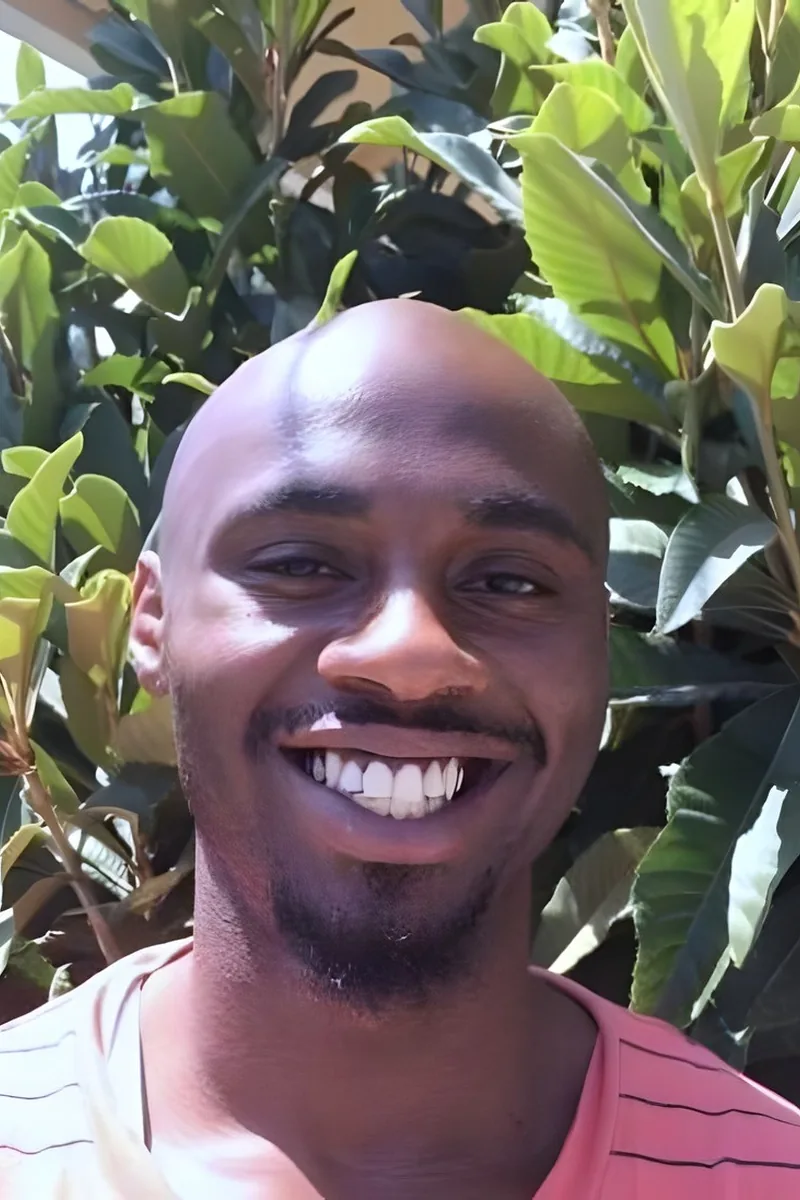
Studying history is really about learning to argue with evidence — evaluating why sources disagree, what context shaped a document, and how to weigh competing interpretations. Brian treats historical analysis as a form of rigorous reasoning, the same skill set he honed studying economics and computer science at Caltech. He's particularly strong at teaching students to move from summarizing events to constructing their own interpretive claims.
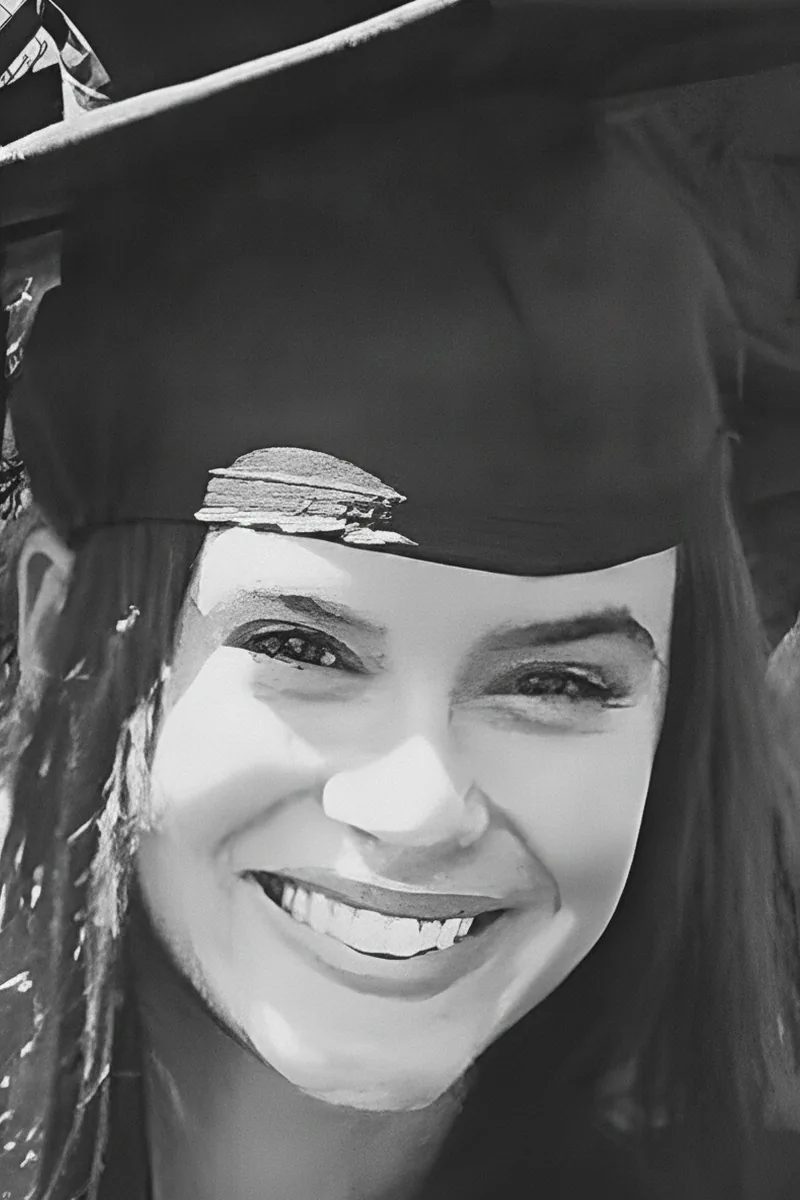
Ema approaches history the way she approaches literature: by teaching students to read sources critically, identify an author's perspective, and build arguments grounded in evidence rather than summary. Her Harvard training in textual analysis transfers naturally to evaluating primary documents and constructing the kind of thesis-driven essays that history courses require.
Jackie approaches history as a subject that rewards critical thinking over memorization — understanding *why* events unfolded matters more than rattling off dates. She teaches students to analyze primary sources, trace cause-and-effect relationships, and construct arguments backed by historical evidence. Her 35 ACT, including a strong reading score, reflects the same analytical skills she brings to historical reasoning.
Sean treats history less as a set of dates to memorize and more as a series of competing narratives that need to be evaluated for bias, context, and evidence. His training in Communication Studies gave him a sharp eye for how rhetoric shapes the historical record — from political speeches to propaganda posters. That analytical lens translates directly into stronger document-based essays and more critical thinking on exams.
The hardest part of history for most students isn't remembering dates — it's constructing an argument from primary sources and explaining why events unfolded the way they did. Christina teaches students to read documents critically, identify bias, and build evidence-based claims, skills she sharpened through years of scientific research and analytical writing. Her structured approach to essay organization translates directly to DBQs and research papers.
Sociology at Yale is essentially applied history — Katrina spent semesters tracing how institutions, social movements, and cultural shifts shaped the present. That training makes her especially effective at teaching students to build evidence-based historical arguments rather than just recounting events. She's particularly sharp on connecting primary source analysis to the broader themes that show up in AP and survey-level history courses.
Reading history well is really about reading arguments well — figuring out what a source claims, what evidence supports it, and what's left out. Aaron's background in analytical writing and essay construction translates directly to helping students build document-based essays and evaluate competing historical narratives. He approaches each era as a set of questions to investigate, not a list of dates to memorize.
A political science degree and current medical school training give Timothy an unusual double perspective on history — he understands both the governmental structures that drive policy and the social conditions that shape everyday life. He's especially sharp on American political history, from constitutional foundations through modern legislative battles, and teaches students to build thesis-driven arguments grounded in specific evidence. Rated 4.9 by students.
Most students treat history like a list of dates and names to memorize, then wonder why essay prompts stump them. Chris passed the AP U.S. History exam and approaches the subject as argument-building: identifying causes, weighing evidence, and explaining why events unfolded the way they did rather than just reciting what happened.
Screenwriting at USC trains Kiersten to research historical periods deeply — understanding the social dynamics, political tensions, and cultural norms that make a story's setting feel authentic. She applies that same research instinct to history tutoring, teaching students to dig into the motivations and circumstances behind events rather than skimming the surface. Her interest in global affairs keeps her sharp on connections between regions and eras that textbooks often treat in isolation.
Close reading is close reading — whether it's a Keats ode or a Civil War-era newspaper editorial, Carla's English literature training means she instinctively dissects tone, audience, and argument in any text she picks up. That skill translates directly to document-based questions and primary source analysis, where students need to explain what a source reveals about its historical moment rather than just summarizing it. Rated 5.0 by students.
Daniel approaches history the way he approaches science — by asking why something happened, not just what happened, and then tracing the evidence. His liberal arts education gave him practice constructing arguments from primary sources and evaluating competing historical interpretations. He's particularly strong at teaching students how to write analytical history essays that move beyond narrative retelling into genuine cause-and-effect reasoning.
A political science degree from UCLA gave Keith deep familiarity with the forces — constitutional debates, economic shifts, social movements — that drive historical change. He teaches students to analyze events through cause-and-effect chains and competing perspectives rather than treating history as a list of dates to memorize. That approach builds the kind of critical thinking that shows up in strong DBQ responses and research papers alike.
Shant approaches history the way his science training taught him to approach any complex system: by asking what caused what, who benefited, and what evidence supports the claim. His environmental studies minor at UCLA gave him particular depth in topics like industrialization, colonialism, and the political forces behind resource conflicts. He's rated 5.0 by students.
Reading a historical document is a lot like reading a play — you have to figure out who's speaking, what they want, and what they're not saying. John approaches history through that interpretive lens, teaching students to analyze primary sources, identify bias, and build evidence-driven arguments for essays and DBQs rather than treating the subject as a list of dates to memorize.
Jennifer's public policy background means she teaches history as the story of how societies made decisions — why the New Deal happened, what drove decolonization, how constitutional amendments reflected shifting power dynamics. That policy lens turns dates and events into cause-and-effect chains students actually remember.
Strong history work comes down to treating sources as arguments rather than facts — figuring out what a document reveals, what it conceals, and why it was written in the first place. Andrew's literary training in close reading translates directly to analyzing primary sources, constructing document-based essays, and building historical claims grounded in evidence.
Two years of tutoring adults through GED prep — including the social studies section — taught Raquel how to make historical cause-and-effect click for people encountering it for the first time, a skill that scales up to any level. Her science-heavy background in nutrition and predentistry means she naturally connects historical events to their material conditions: food systems, public health crises, and the biological realities that drove migration and conflict. That cross-disciplinary instinct gives students concrete hooks for remembering and explaining why things happened.
Anna's academic path — from Near Eastern Studies to a policy PhD at RAND — has kept her immersed in how historical forces shape modern institutions. She teaches history by tracing cause and effect across eras, showing students how to build timelines that reveal patterns rather than just listing events and dates.
Cellular and molecular biology training means Jerome spent his undergraduate years doing something history courses also demand: reading dense primary material, weighing conflicting evidence, and building a coherent argument from it. He leans into the analytical side of history — teaching students to dissect a document-based question the way a scientist dissects a dataset, isolating the key claims and constructing a thesis around them.
An English degree trains you to do exactly what history teachers are looking for — close reading of texts, building thesis-driven arguments, and backing every claim with specific evidence from the source material. Dorothy brings that literary analysis toolkit to historical documents, teaching students to unpack a speech or political pamphlet the same way they'd dissect a novel: examining audience, purpose, and rhetorical choices. Her SAT score of 1440 confirms the critical reading and writing skills that make document-based questions click.
Four years as a Division 1 athlete at LMU taught John something that applies directly to history: how to break down game film by asking what decisions led to what outcomes, then building a story around the evidence. He brings that same cause-and-effect instinct to historical analysis, coaching students through essay prompts and document-based questions where the goal is explaining *why* events unfolded, not just recounting them. His biology background adds a useful lens for topics like the Columbian Exchange, industrialization's public health impacts, or the science behind wartime technology shifts.
Engineering school trains you to ask how systems work — and that question gets surprisingly interesting when you point it at history, where political systems, economies, and social structures interact in ways that aren't obvious until you map them out. Mitch brings that systems-level thinking to topics like industrialization, wartime logistics, and infrastructure-driven expansion, where his technical background gives him genuine insight into the forces behind the events. Rated 5.0 by students.
The hardest part of history for most students isn't remembering dates — it's constructing an argument from primary sources and explaining why events unfolded the way they did. Linda teaches students to read documents critically, identify bias, and build evidence-based claims, skills she sharpened through her own research writing at Cornell and USC.
Studying international development at UCLA with a focus on the Middle East and North Africa gave Nicole a framework for understanding history as interconnected systems — economics, colonialism, public health, and political movements all shaping each other. She teaches students to analyze primary sources and construct arguments rather than just memorize dates and names.
Studying psychology at Stanford meant Emily spent a lot of time examining how social forces, economic pressures, and individual decision-making intersect — which is essentially what history asks you to do with primary sources. She teaches students to construct cause-and-effect arguments and evaluate competing interpretations rather than treating history as a list of dates to memorize.
I am a graduate of Duke University with a degree in Health Policy and Education Policy. While at Duke University I was a student athlete, participated in the leadership of several clubs and service groups; as well as, working as a Math and Reading tutor. After graduation I spent a year pursing a business venture allotted to me through the Elevator Pitch Competition, my senior year of college, which I won in my category - Non-Profits. After that year, I joined the Teach for America Fellowship, where I fell in love with teaching. The Teach for America Fellowship is 2 years; however, after my first year due to the recognition and growth in my classroom I was invited to start a school. I spent 2 years at that school prior to getting married and moving to California, a few months ago, with my amazing, aerospace loving, husband.
I am a recent graduate of the University of Virginia living in Los Angeles. While at UVA, I earned a 3.95 GPA and graduated my major program with Highest Distinction. I have eight years of tutoring experience (including starting my own tutoring program) and have worked with students of all ages. I'm looking forward to helping people with their studies in any way I can.
Most history assignments aren't really asking students to memorize dates — they're asking them to construct an argument from evidence, which is a skill Kevin sharpened through scientific research and honors-level writing at UCSB. He teaches students to read primary sources critically, identify cause-and-effect chains, and write thesis-driven responses that go beyond surface-level summaries.
Studying philosophy alongside English gave Milan a particular strength in history: evaluating how ideas, power structures, and cultural movements interact across time periods. He teaches students to analyze primary sources critically and build document-based arguments — skills that matter whether the assignment is a DBQ, a research paper, or a class discussion on the causes of revolution.
Reading history well means reading critically — evaluating who wrote a source, why, and what they left out. Naama approaches historical texts the way her linguistics training taught her to approach any document: by unpacking the language, context, and structure of the argument itself. That analytical lens turns history from a memorization exercise into something students can genuinely reason through.
Janani approaches history as a discipline built on interpreting sources and constructing arguments, not memorizing dates. She teaches students to identify cause-and-effect relationships across events and to write analytical responses that go beyond surface-level summaries. Her broad academic background across the sciences and humanities gives her a knack for connecting political, social, and economic threads into a coherent narrative.
Alok treats history the way he treats engineering problems — by asking why something happened, not just what happened. He teaches students to trace cause-and-effect chains and evaluate sources critically, skills that make both essay responses and multiple-choice questions easier to tackle.
Too many students approach history as a memorization exercise and wonder why they can't answer analytical questions on exams. Tom treats historical events as arguments to be understood — asking why the French Revolution unfolded differently than the American one, or what economic pressures drove specific policy decisions. That cause-and-effect framing makes the material stick and translates directly into stronger essay writing.
Philosophy and history share a backbone — both demand that you read a source, figure out what argument it's actually making, and evaluate whether the evidence holds up. Ben's graduate work in philosophy has sharpened exactly this kind of reasoning, and he applies it to everything from analyzing Reconstruction-era primary documents to unpacking the causes of World War I. He teaches students to build historical arguments rather than just recall dates.
Krista's earth sciences background gives her an unusual angle on history: she understands how geography, climate, and natural resources shaped civilizations and conflicts. She teaches students to build cause-and-effect chains and support claims with primary source evidence, turning history from a list of dates into a series of connected arguments.
Treating history as an argument rather than a list of dates changes everything about how students engage with the material. Helen teaches students to evaluate primary sources, identify bias, and connect causes to consequences — the same analytical skills her journalism training at USC demanded. She's especially effective at coaching students through document-based questions and research papers that require evidence-driven claims.
Anthropology trains you to piece together how cultures, power structures, and human decisions interact across time — and that's exactly the skill set Mary brings from her UCLA degree in Linguistic and Biological Anthropology. She's especially sharp at teaching students to unpack how social and environmental pressures drove historical change, connecting the kind of cross-cultural analysis she studied to the document interpretation and essay writing that history courses demand. Rated 5.0 by students.
Treating history as an exercise in argument-building rather than memorization, Whitney teaches students to evaluate sources, identify bias, and connect events across time periods. Her liberal arts background at Pomona College emphasized interdisciplinary thinking — linking social movements, scientific developments, and political structures into coherent historical narratives.
While history isn't Zhenrui's primary discipline, his Columbia coursework and strong analytical background make him well-suited to teach the skills history demands: evaluating sources, constructing evidence-based arguments, and connecting events across political, economic, and social contexts. He approaches historical questions with the same rigor he brings to scientific problem-solving.
Testimonials
Because the right History tutor makes all the difference.
Average Session Rating – Based on 3.4M Learner Ratings
Nearby History Tutors
Other Oakland Tutors
Related Social Studies Tutors in Oakland
Frequently Asked Questions
Varsity Tutors matches Oakland students with expert History tutors for 1-on-1 instruction. We pair each student with a tutor based on their specific needs, learning style, and goals.
Whether you need homework help, exam prep, or want to get ahead, our History tutors are ready to help.
Common challenges include gaps from earlier material, difficulty with specific concepts, and trouble applying learning to new problems. These issues can snowball quickly in History.
A tutor identifies where you're stuck, fills in gaps, and provides targeted practice. The 1-on-1 format means you get help exactly where you need it.
Tutors work with your student's actual coursework—homework assignments, class notes, and upcoming tests. This keeps tutoring directly relevant to what's happening in the classroom.
When you share information about your student's school and curriculum, we can match you with a tutor who has relevant experience.
All tutors complete background checks, credential verification, and teaching evaluation. Many of our History tutors hold advanced degrees or have years of teaching experience.
You can review tutor profiles to find someone with the right background for your student's level and needs.
Many students see improved grades within a few weeks, along with better understanding of History concepts and more confidence tackling challenging material.
Tutors track progress and adjust their approach to ensure continued improvement.
Most students benefit from 1-2 sessions per week. More frequent sessions help if your student is significantly behind or has an important exam coming up.
Your tutor can recommend a schedule based on your student's specific situation and goals.
Tutoring is purchased in packages of hours, with rates varying by tutor experience. Varsity Tutors offers several options to fit different budgets and needs.
You can discuss pricing during your consultation to find what works best.
Your tutor will assess where your student is, discuss goals, and start working on priority areas. Most students bring current homework or upcoming test material to focus on.
By the end, you'll have a clear sense of how the tutor can help and a plan for moving forward.
Let’s find your perfect tutor
Answer a few quick questions. We’ll recommend the right plan and match you with a top 5% tutor.