Award-Winning Science Tutors
serving San Juan, PR
Science
Tutors in San Juan
Private 1-on-1 tutoring, weekly live classes for academic support, test prep & enrichment, practice tests and diagnostics, and more to elevate grades and test scores.
Based on 3.4M Learner Ratings
UniversitiesSchools & Universities
DeliveredHours Delivered
ProficiencyGrowth in Proficiency
Who needs tutoring?
No obligation. Takes ~1 minute.
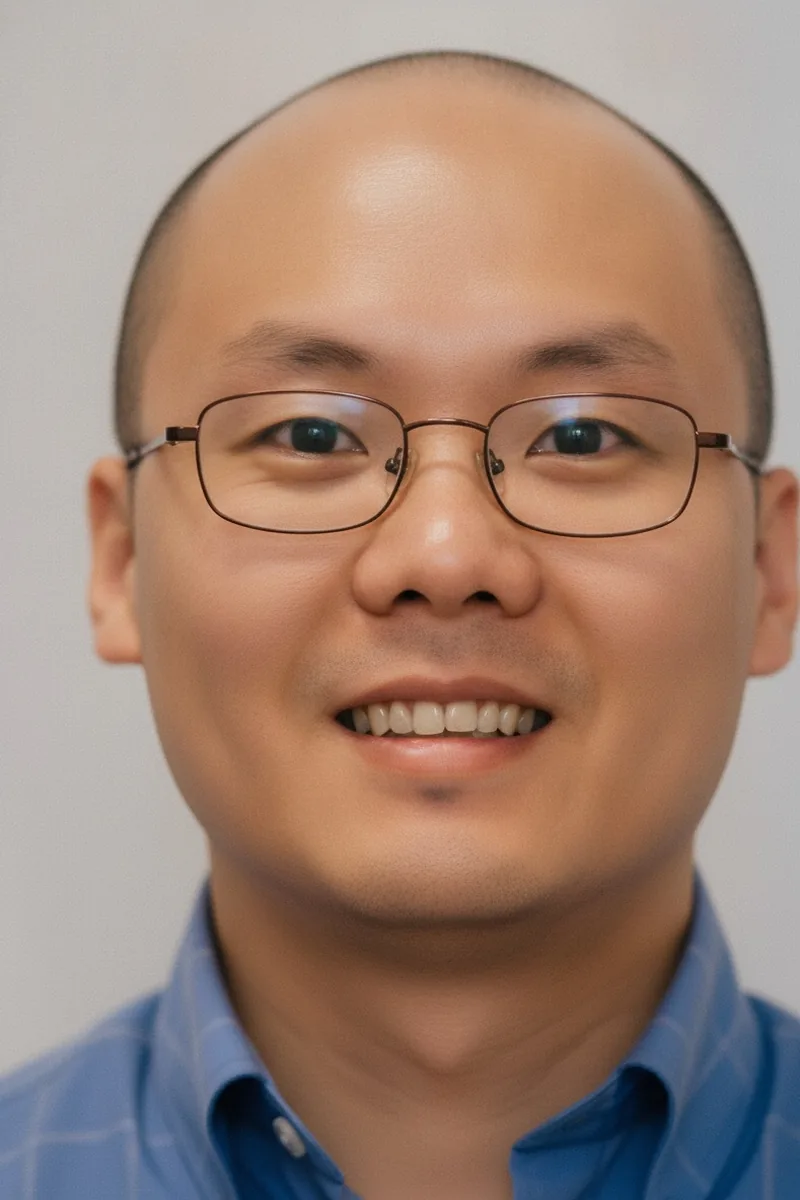
Chemistry is Sung's home discipline, which means he teaches science the way a working scientist thinks about it: grounding every concept in evidence, units, and careful reasoning. Whether a student is balancing equations, interpreting lab data, or connecting molecular structure to physical properties, Sung ties abstract ideas back to observable, concrete examples.
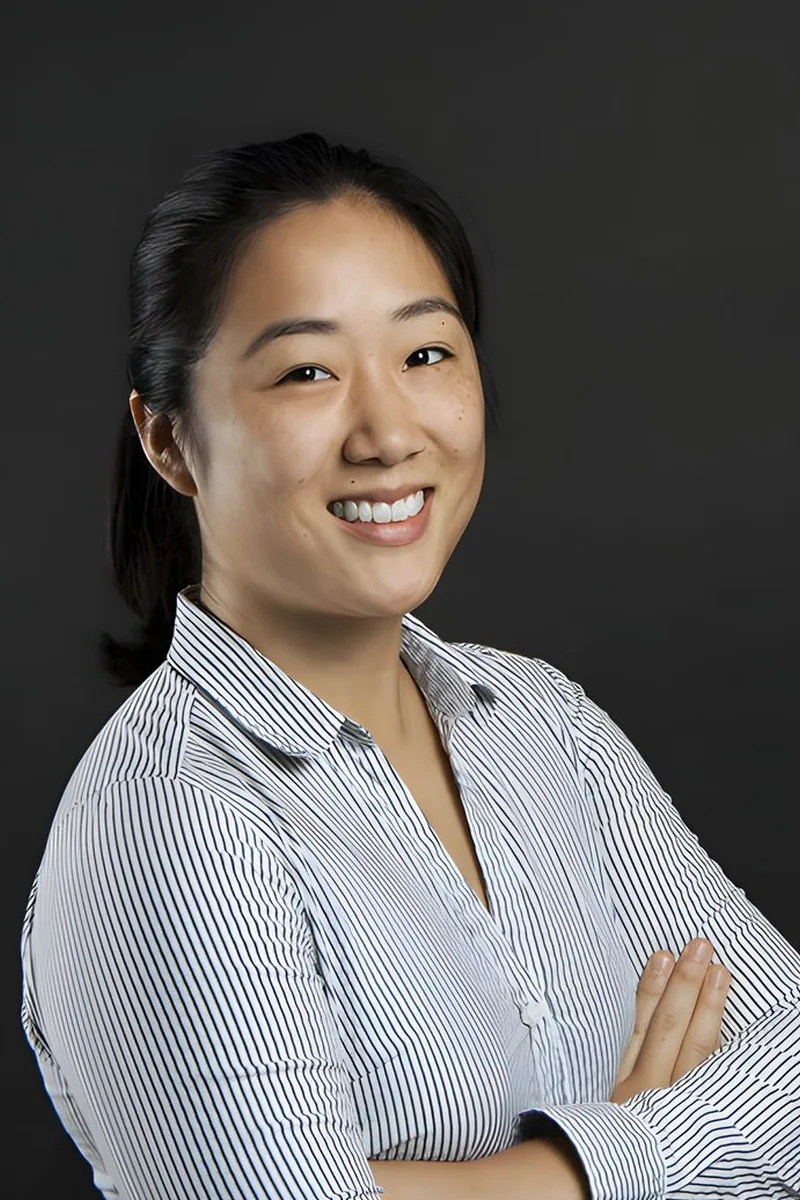
Having studied biology and chemistry alongside her political science degree at the University of Chicago, Asta can walk students through core science concepts — from cell structure to chemical reactions — with genuine content knowledge rather than just test-taking tricks. Her 35 ACT confirms she handled the Science section's rapid-fire data interpretation at a near-perfect level, and she brings that same ability to teach students how to read graphs, pull patterns from tables, and connect evidence to conclusions. Rated 5.0 by students.
Comparative literature might seem worlds away from science, but Jacob's Columbia and UC Berkeley training drilled the exact close-reading skills that matter when students need to parse a dense lab procedure, pull meaning from a data table, or figure out what a graph is actually saying. He treats science texts the way he'd treat a difficult passage in German — slowing down, breaking apart the structure, and making sure every piece connects logically before moving on.
Applied math and computer science at Johns Hopkins means Sabira spends her days quantifying patterns and testing models — the same core loop students encounter in science when they're asked to measure, predict, and explain. She's particularly strong on the computational side of science: reading data tables, graphing relationships, and working through the math embedded in physics or chemistry problems. Holds a 5.0 rating.
Studying biomedical sciences across multiple degree programs gave Sam a deep comfort with biology, chemistry, and the overlap between them — cell signaling pathways, enzyme kinetics, physiological systems. He unpacks scientific concepts by tying them to real-world applications, like how understanding osmosis explains IV fluid choices in a hospital. That clinical framing tends to make abstract processes click faster for students.
Henry's Harvard thesis on John Dewey's philosophy of education was fundamentally about how people learn through inquiry and experimentation — the same cycle of questioning, testing, and revising that sits at the heart of the scientific method. He teaches science by grounding abstract concepts in that inquiry process, pushing students to ask why an experiment is designed a certain way before worrying about memorizing the outcome. His 1530 SAT confirms he can handle the quantitative and analytical reasoning science coursework demands.
Comparative literature might seem worlds away from science, but Brittney's Princeton training in close reading and textual analysis translates surprisingly well to parsing dense lab instructions, extracting meaning from data tables, and interpreting the kind of evidence-based passages that show up across science coursework. She's strongest with students who can grasp the concepts but struggle to articulate their reasoning in writing — lab reports, short-answer explanations, and constructing arguments from observations. Rated 5.0 by students.
Speech-language pathology graduate training at Columbia is surprisingly science-heavy — anatomy, neuroscience, research design — and Sherry brings that clinical lens to teaching students how biological systems work and how experiments should be structured. Her UChicago psychology and linguistics background also means she's comfortable with everything from statistical reasoning to breaking apart dense scientific terminology using morphological roots. Rated 5.0 by students.
A chemistry major headed to Columbia Medical School, James treats science tutoring as an exercise in building intuition — understanding why a reaction proceeds a certain way or how energy flows through a biological system, not just memorizing diagrams. He's especially sharp at bridging the gap between introductory courses and the more rigorous thinking that AP or IB-level science demands.
An MIT math degree and a PhD track in operations research at Georgia Tech mean Isabella has spent years inside labs and classrooms where the scientific method isn't a textbook concept — it's a daily practice of modeling real systems, testing assumptions, and interpreting results. She's especially strong on the quantitative backbone of science: reading data tables, understanding units, and translating observations into precise claims. Rated 5.0 by students.
Between degrees in psychology and premedicine, Sydny has taken the full sweep of foundational science — biology, chemistry, genetics, and human anatomy. She explains concepts like cellular respiration or chemical bonding by linking them to how the body actually works, turning isolated facts into a coherent story students can reason through on exams.
Emily's undergraduate degree in Molecular, Cellular, and Developmental Biology and her MPH in Epidemiology give her deep fluency in both life sciences and the quantitative reasoning that underpins them. She unpacks topics like cell division, genetics, and experimental design by tying abstract concepts to real-world examples from public health research. Rated 5.0 by students.
Testimonials
Because the right Science tutor makes all the difference.
Average Session Rating – Based on 3.4M Learner Ratings
Practice Science
Free practice tests, flashcards, and AI tutoring for Science
Other San Juan Tutors
Related Science Tutors in San Juan
Frequently Asked Questions
Varsity Tutors matches San Juan students with expert Science tutors for 1-on-1 instruction. We pair each student with a tutor based on their specific needs, learning style, and goals.
Whether you need homework help, exam prep, or want to get ahead, our Science tutors are ready to help.
Common challenges include gaps from earlier material, difficulty with specific concepts, and trouble applying learning to new problems. These issues can snowball quickly in Science.
A tutor identifies where you're stuck, fills in gaps, and provides targeted practice. The 1-on-1 format means you get help exactly where you need it.
Tutors work with your student's actual coursework—homework assignments, class notes, and upcoming tests. This keeps tutoring directly relevant to what's happening in the classroom.
When you share information about your student's school and curriculum, we can match you with a tutor who has relevant experience.
All tutors complete background checks, credential verification, and teaching evaluation. Many of our Science tutors hold advanced degrees or have years of teaching experience.
You can review tutor profiles to find someone with the right background for your student's level and needs.
Many students see improved grades within a few weeks, along with better understanding of Science concepts and more confidence tackling challenging material.
Tutors track progress and adjust their approach to ensure continued improvement.
Most students benefit from 1-2 sessions per week. More frequent sessions help if your student is significantly behind or has an important exam coming up.
Your tutor can recommend a schedule based on your student's specific situation and goals.
Tutoring is purchased in packages of hours, with rates varying by tutor experience. Varsity Tutors offers several options to fit different budgets and needs.
You can discuss pricing during your consultation to find what works best.
Your tutor will assess where your student is, discuss goals, and start working on priority areas. Most students bring current homework or upcoming test material to focus on.
By the end, you'll have a clear sense of how the tutor can help and a plan for moving forward.
Let’s find your perfect tutor
Answer a few quick questions. We’ll recommend the right plan and match you with a top 5% tutor.