Award-Winning AP Art History Tutors
serving Concord, NC
AP Art History
Tutors in Concord
Private 1-on-1 tutoring, weekly live classes for academic support, test prep & enrichment, practice tests and diagnostics, and more to elevate grades and test scores.
Based on 3.4M Learner Ratings
UniversitiesSchools & Universities
DeliveredHours Delivered
ProficiencyGrowth in Proficiency
Who needs tutoring?
No obligation. Takes ~1 minute.
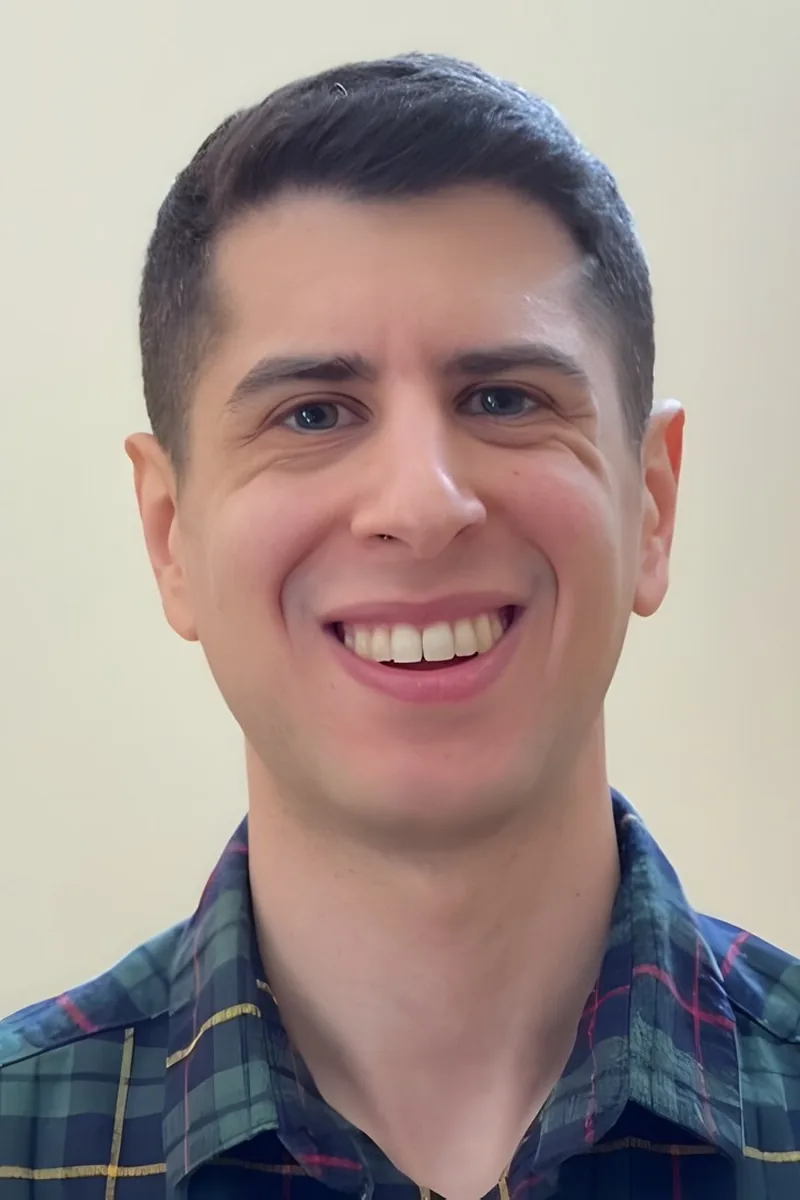
Two master's degrees from Yale and Duke — one in Religious Studies with an ancient history focus, the other grounding him in the intersection of religion, culture, and visual tradition — mean Justin can contextualize sacred and devotional works across the 250-image set with real scholarly depth, from Hindu temple complexes to Gothic cathedrals to Islamic calligraphic programs. He teaches students to build arguments that link iconography and ritual function to the broader cultural narratives the AP exam's free-response questions actually score on. Rated 5.0 by students.
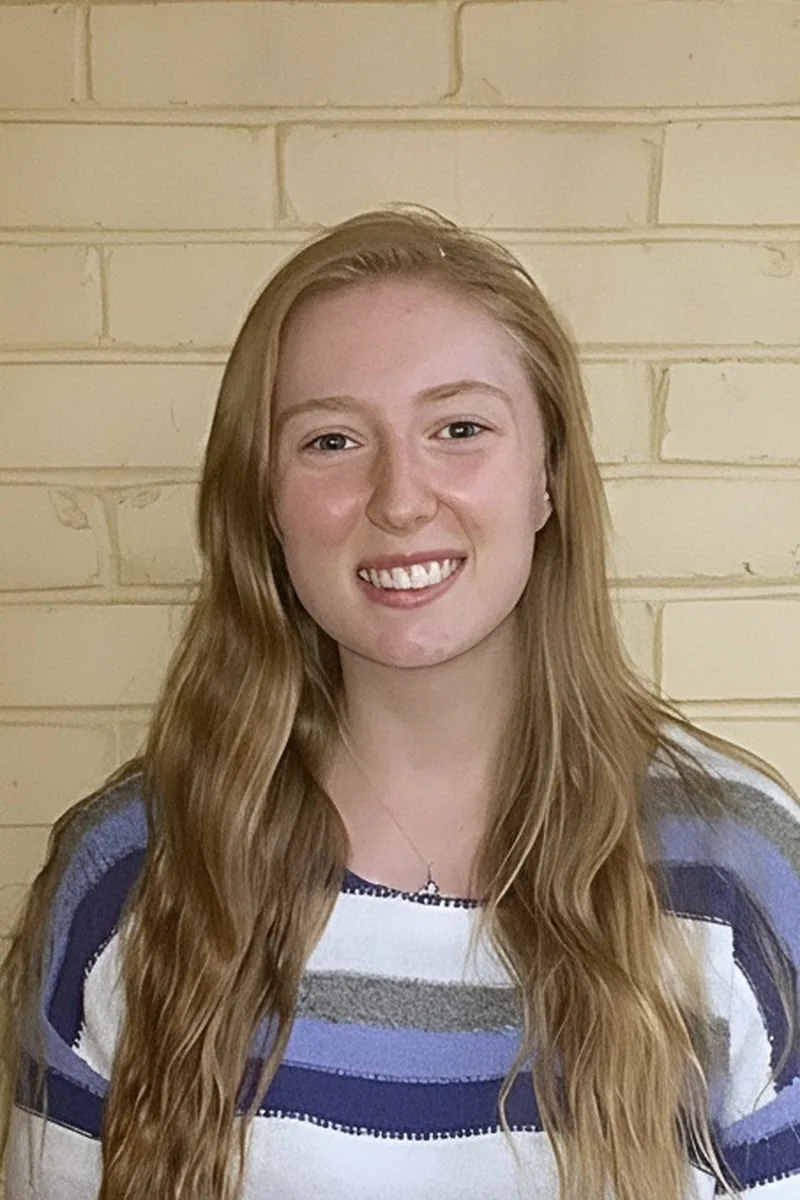
Studying ancient Mediterranean civilizations at Carleton means Emma lives in the material AP Art History covers — Greek temple architecture, Roman sculptural programs, Near Eastern reliefs. She connects visual analysis to the historical and cultural contexts that the AP exam rewards, teaching students to write comparative essays that go beyond surface-level description.
Co-curating the TCRWP Classroom Libraries Project taught Molly how to organize vast collections of material into coherent thematic frameworks — a skill that maps directly onto navigating AP Art History's 250-image set across ten content areas. Her special education background also means she's especially good at breaking down the exam's dense contextual analysis questions into concrete, repeatable steps for students who feel overwhelmed by the sheer volume of works, periods, and cultural connections.
The AP Art History exam asks students to do something surprisingly difficult: look at an image they may have never seen and write a convincing argument about its cultural context in minutes. Monitha's philosophy background at Michigan sharpened exactly that skill — constructing tight, evidence-based claims under pressure. She teaches students to move between visual analysis and historical argumentation without losing the thread.
Volunteering at an ancient art museum, Sophie designed classes and presentations that taught visitors to read objects in their historical and cultural context — exactly the skill AP Art History's free-response questions test. Her Yale Humanities curriculum immerses her in the cross-disciplinary thinking the exam demands, from philosophical frameworks to political systems that shaped artistic patronage and production. Rated 5.0 by students.
Jennifer's East Asian studies coursework at Brown gives her genuine depth in the non-Western content areas that trip up many AP Art History students — she can contextualize Chinese bronzes, Buddhist sculpture, and scroll paintings within the cultural traditions that produced them, not just identify them from the 250-image set. Her biochemistry major also means she's comfortable with the systematic, detail-oriented thinking the exam's comparison essays demand, where connecting formal elements across two very different works requires precision, not just appreciation.
Christopher's memory-sport training — he's actively working toward a Guinness World Record — gives him a genuinely unusual skill set for tackling the 250-image set, where students need to recall specific works, artists, dates, and cultural contexts under exam pressure. But he pairs those memorization techniques with a science student's habit of asking how systems connect, which translates well to the contextual and comparative essays where the AP exam tests whether students understand why a work was made, not just what it looks like.
Teaching high school history daily means Ben already walks students through the political upheavals, religious shifts, and colonial encounters that AP Art History's contextual questions demand — he just adds the visual layer on top of a narrative framework students already trust. His creative writing training also sharpens the free-response side, where building a clear analytical argument about a work's function or meaning matters as much as recognizing the image. Rated 5.0 by students.
Studying art history alongside history at the graduate level at the University of Chicago gave Ryan a dual fluency — he reads visual works through the same rigorous source-analysis methods he applies to written documents, which is precisely the skill AP Art History's contextual and comparison essays demand. His background means he's especially sharp on connecting artistic movements to the broader political and social narratives that produced them, from Reformation iconoclasm to Cold War abstraction. Rated 5.0 by students.
MiMi is currently pursuing the same degree the AP Art History exam was built around — Art History, Criticism, and Conservation — at Stanford, which means she's actively studying the critical methodologies and conservation debates that underpin the course's approach to the 250-image set. Her coursework in modern languages also strengthens her ability to teach students how non-Western and cross-cultural works communicate meaning through form and context. A 34 ACT reflects the kind of sharp analytical reading that translates directly to the exam's timed essays.
Most students walk into AP Art History expecting to memorize 250 images, but the exam actually rewards contextual analysis — explaining why a Gothic cathedral or a Mughal miniature looks the way it does. Terry's curiosity for museums and cultural exploration gives him genuine enthusiasm for connecting artworks to their historical moments. He teaches students to structure visual analysis essays around function, materials, and patronage rather than surface-level description.
Most students walk into AP Art History expecting a slide-memorization marathon and quickly discover the exam actually tests contextual analysis — explaining how a Benin bronze reflects trade networks or why Baroque architecture served Counter-Reformation goals. Sarah's interdisciplinary background in political science and her love of art give her a natural framework for connecting visual works to the power structures and cultural movements behind them. She teaches students to build the kind of comparative arguments the free-response questions demand.
Eight years of ESL tutoring taught Danya something most AP Art History tutors skip — how to make unfamiliar cultural contexts accessible to students who don't share them, which is exactly what the exam demands when it asks students to interpret works across ten global content areas. Her English training at Columbia sharpens the writing side, where she coaches students to build the kind of thesis-driven free-response essays that turn visual observations into persuasive cultural arguments.
Testimonials
Because the right AP Art History tutor makes all the difference.
Average Session Rating – Based on 3.4M Learner Ratings
Practice AP Art History
Free practice tests, flashcards, and AI tutoring for AP Art History
Nearby AP Art History Tutors
Other Concord Tutors
Related Social Studies Tutors in Concord
Frequently Asked Questions
Varsity Tutors matches Concord students with expert AP Art History tutors for 1-on-1 instruction. We pair each student with a tutor based on their specific needs, learning style, and goals.
Whether you need homework help, exam prep, or want to get ahead, our AP Art History tutors are ready to help.
Common challenges include gaps from earlier material, difficulty with specific concepts, and trouble applying learning to new problems. These issues can snowball quickly in AP Art History.
A tutor identifies where you're stuck, fills in gaps, and provides targeted practice. The 1-on-1 format means you get help exactly where you need it.
Tutors work with your student's actual coursework—homework assignments, class notes, and upcoming tests. This keeps tutoring directly relevant to what's happening in the classroom.
When you share information about your student's school and curriculum, we can match you with a tutor who has relevant experience.
All tutors complete background checks, credential verification, and teaching evaluation. Many of our AP Art History tutors hold advanced degrees or have years of teaching experience.
You can review tutor profiles to find someone with the right background for your student's level and needs.
Many students see improved grades within a few weeks, along with better understanding of AP Art History concepts and more confidence tackling challenging material.
Tutors track progress and adjust their approach to ensure continued improvement.
Most students benefit from 1-2 sessions per week. More frequent sessions help if your student is significantly behind or has an important exam coming up.
Your tutor can recommend a schedule based on your student's specific situation and goals.
Tutoring is purchased in packages of hours, with rates varying by tutor experience. Varsity Tutors offers several options to fit different budgets and needs.
You can discuss pricing during your consultation to find what works best.
Your tutor will assess where your student is, discuss goals, and start working on priority areas. Most students bring current homework or upcoming test material to focus on.
By the end, you'll have a clear sense of how the tutor can help and a plan for moving forward.
Let’s find your perfect tutor
Answer a few quick questions. We’ll recommend the right plan and match you with a top 5% tutor.