Award-Winning Essay Editing Tutors
serving Lexington, KY
Essay Editing
Tutors in Lexington
Private 1-on-1 tutoring, weekly live classes for academic support, test prep & enrichment, practice tests and diagnostics, and more to elevate grades and test scores.
Based on 3.4M Learner Ratings
UniversitiesSchools & Universities
DeliveredHours Delivered
ProficiencyGrowth in Proficiency
Who needs tutoring?
No obligation. Takes ~1 minute.
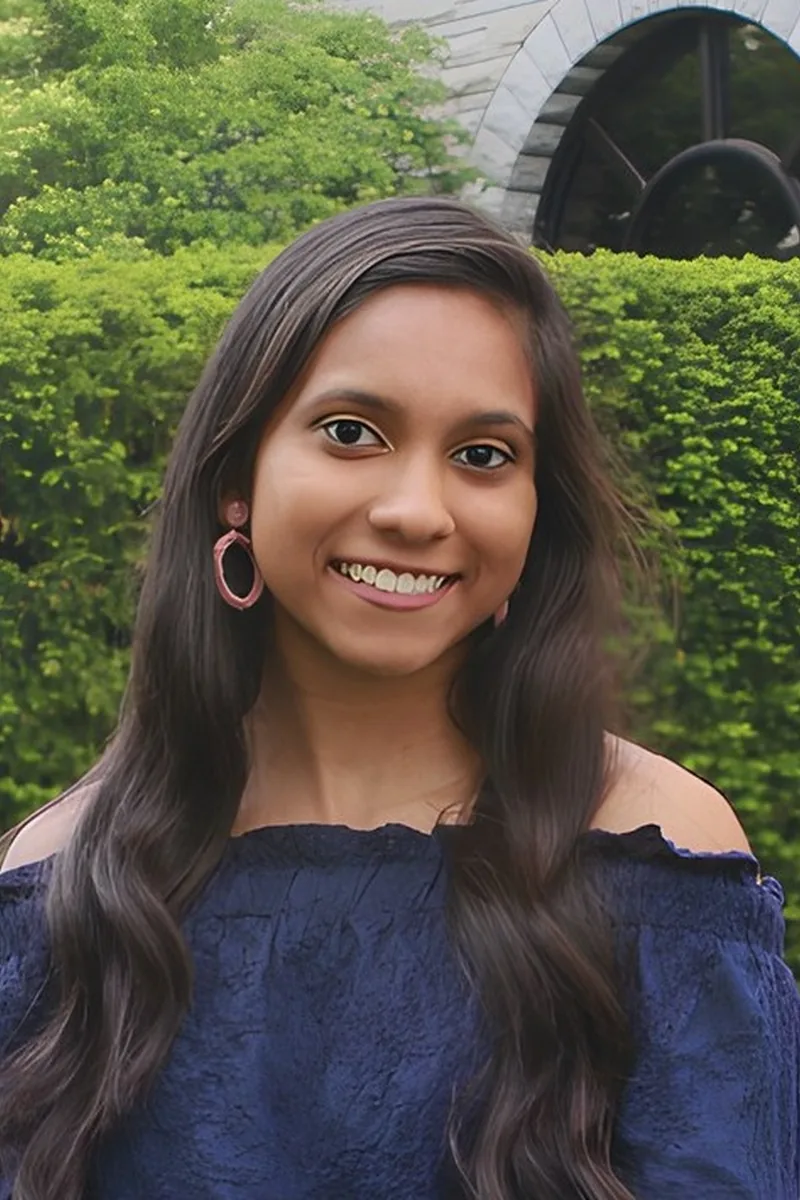
Good editing goes beyond catching comma splices — it means tightening an argument, cutting filler sentences, and making sure every paragraph earns its place. Dharani walks students through their drafts paragraph by paragraph, asking what each section is doing and whether the evidence actually supports the claim. Rated 4.9 by students, she turns revision from a chore into the step where writing gets noticeably stronger.
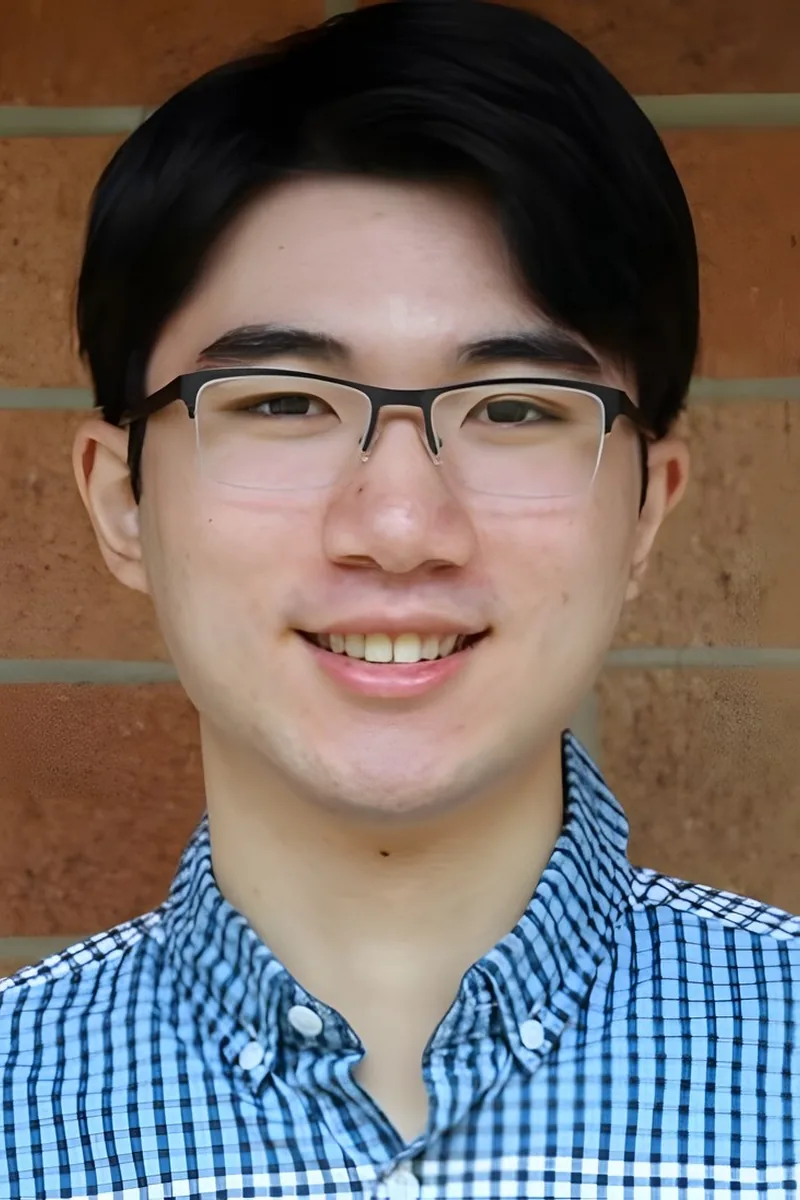
Good editing isn't just catching comma splices — it's figuring out whether each paragraph earns its place in the argument. Jason's experience writing and revising scientific papers and medical school applications gave him a sharp eye for structural problems, unclear thesis statements, and sentences that bury their own point.
Strong essay editing goes beyond catching comma splices and passive voice; it means evaluating whether each paragraph actually earns its place in the argument. Isabella reads drafts at the structural level first — thesis clarity, evidence integration, transitions — then tightens sentence-level mechanics on a second pass.
Good editing isn't just fixing typos — it's figuring out where an argument loses the reader, where a paragraph buries its point, and where the tone shifts without reason. Faith approaches each draft by reading it aloud with the student, catching awkward phrasing and structural gaps that spell-check will never flag. Her BFA in English trained her to give the kind of specific, actionable feedback that turns a rough draft into a polished one.
Strong essay editing goes beyond fixing commas — it means restructuring arguments, tightening transitions, and cutting the filler that dilutes a paper's thesis. Kevin approaches each draft with the precision of a programmer debugging code, identifying where logic breaks down and where evidence doesn't support the claim. He walks students through revision as a repeatable process they can apply to every future paper.
Good editing is more than catching comma splices — it's restructuring an argument so each paragraph does real work. Evan breaks the revision process into layers: first tightening the thesis and logical flow, then sharpening sentence-level clarity, and finally polishing grammar and tone. His writing background spans academic essays, personal statements, and creative projects.
Editing an essay isn't just fixing commas — it's asking whether each paragraph actually earns its place. Jenna approaches revision in layers: first the argument's logic and structure, then transitions and clarity, and finally sentence-level polish like syntax and word choice. Her background writing across disciplines, from biochemistry lab reports to French literary analysis, gives her a sharp eye for what different audiences expect.
Good editing isn't just fixing commas — it's asking whether every paragraph earns its place. Logan treats essay editing as a structural exercise first, teaching students to evaluate their own thesis clarity, argument flow, and evidence integration before polishing at the sentence level. His 5.0 rating speaks to how quickly students start catching their own weak spots.
Having written and revised countless lab reports, research papers, and his own medical school personal statement, Troy treats essay editing as a structural exercise first — checking whether each paragraph earns its place — before moving to sentence-level clarity and grammar. He's particularly good at cutting unnecessary filler and tightening arguments so the writing says more in fewer words.
Good editing goes beyond catching comma splices — it means tightening arguments, cutting filler, and making sure every paragraph earns its place. Janki breaks the revision process into clear stages: structural logic first, then paragraph flow, then sentence-level polish, so students learn to self-edit long after the session ends.
Kelsey's MFA training at Notre Dame was essentially a masterclass in revision — workshopping drafts until every sentence earns its place. She applies that same precision to essay editing, tackling everything from thesis clarity and paragraph transitions to eliminating passive voice and tightening wordy phrasing.
Good essay editing goes beyond fixing commas — it means tightening arguments, cutting filler, and making sure every paragraph earns its place. Addison's dual background in Film Studies and Kinesiology at Rice required constant academic writing across very different disciplines, so she knows how to adapt tone and structure to fit any assignment. She walks students through revision as a skill they can replicate on their own, not just a one-time cleanup.
Good editing isn't just catching comma splices — it's rethinking whether a paragraph earns its place in the argument. Matthew breaks the revision process into layers: first structure and logic, then clarity at the sentence level, then mechanics. His background in both STEM writing and creative reading means he can tighten a lab report or sharpen a personal narrative with equal confidence.
Good essay editing goes beyond fixing commas; it means tightening arguments, cutting filler sentences, and making sure each paragraph earns its place. Wilson zeroes in on structural issues first — unclear thesis statements, weak transitions, paragraphs that drift off-topic — before polishing grammar and word choice at the sentence level.
Editing isn't just about catching comma splices — it's about seeing whether each paragraph earns its place and whether the argument actually builds. Benjamin reads drafts the way a thoughtful professor would, flagging structural weaknesses and unclear claims before getting into sentence-level polish. His training across literature, philosophy, and writing gives him a versatile eye for academic, personal, and creative work alike.
Good writing is really rewriting, and Amy approaches essay editing by walking students through their drafts at multiple levels: argument structure first, then paragraph transitions, then sentence-level clarity. Her background in scientific and analytical writing from her dietetics coursework means she's sharp at tightening claims, cutting filler, and making sure every paragraph earns its place.
Editing is more than fixing commas — it's about tightening an argument so every sentence earns its place. Nicole's background in communication and her MA training make her adept at spotting structural weaknesses, unclear thesis statements, and passages where evidence doesn't quite match the claim. She walks writers through revisions that sharpen both clarity and voice.
A master's in English means Anthony has lived through the revision process hundreds of times — restructuring thesis statements, tightening paragraph transitions, cutting filler, and sharpening tone. He treats essay editing as a teachable skill, walking students through how to read their own drafts critically so they can spot weak arguments and unclear phrasing on their own.
Jacob treats essay editing like debugging code: he teaches students to trace the logic of their argument paragraph by paragraph, identifying where claims lack evidence or transitions break down. His background spans both technical and humanities writing, and he's particularly effective at tightening thesis statements and restructuring body paragraphs so each one earns its place.
I am no longer needed.
Good editing goes beyond fixing commas — it means evaluating whether an argument actually holds together, whether evidence supports each claim, and whether the writing sounds like the person who wrote it. Diana's training in English and Political Science at the University of Louisville sharpened her ability to restructure paragraphs, tighten thesis statements, and cut the filler that weakens otherwise strong drafts.
I am a graduate of a liberal arts university, with majors in both Spanish and Studio Arts. As a Teach for America alumni I have worked as a Spanish and Art teacher in elementary, middle, and high school settings in both public and private schools. Additionally I have worked with nonprofit organizations to provide arts education. I primarily tutor Spanish, English, Reading and ACT prep. I believe everyone deserves access to a quality education, and I look forward to working with you to meet and exceed your goals!
A math major might seem like an unlikely essay editor, but Jesse's training in logical structure translates directly to spotting weak thesis statements, disorganized paragraphs, and arguments that don't hold together. He zeroes in on clarity and flow — tightening transitions, cutting redundancy, and making sure every paragraph earns its place in the draft.
Editing an essay is more than fixing commas — it's learning to hear where your argument loses momentum or where a paragraph drifts from its point. Kaylee reads drafts with a communication specialist's ear, pinpointing unclear transitions, weak thesis statements, and structural issues while teaching students to spot those problems on their own next time.
Editing an essay is more than catching comma splices — it's about tightening arguments, cutting filler, and making sure every paragraph earns its place. Grace identifies structural weaknesses first, then moves to sentence-level clarity, so students learn to self-edit rather than depend on someone else's red pen.
Most students know their essay "needs work" but can't pinpoint what's wrong — whether it's a buried thesis, weak transitions, or paragraphs that drift off-topic. Sowmya approaches editing as a structured revision process, teaching students to diagnose their own writing rather than just accepting corrections. Her experience with legal writing and academic papers means she's sharp on clarity, argument flow, and concision.
Good essay editing goes beyond fixing commas — it means tightening arguments, cutting filler, and making sure every paragraph earns its place. Carter approaches a draft the way a scientist approaches a proof: does each claim follow logically, and is the evidence actually supporting it? He marks up structure and clarity issues alongside grammar so students walk away with a stronger piece and sharper instincts for self-revision.
Most students know their draft needs work but can't pinpoint why a paragraph feels off. Nick zeroes in on argument structure first — whether each paragraph earns its place and whether transitions actually move the reader forward — before addressing sentence-level clarity. The result is writing that sounds like the student, only sharper.
Good essay editing goes beyond fixing commas — it means tightening an argument, cutting filler, and making sure every paragraph earns its place. Patty reads drafts with an ESL teacher's precision for grammar and a Humanities scholar's instinct for structure, giving feedback that's specific enough for students to actually act on in the next revision.
Good editing is about more than catching comma splices. Alexander reads drafts the way a historian reads sources — questioning every claim, tightening every transition, and making sure the argument's structure holds from thesis to conclusion. Students leave sessions with concrete, marked-up revisions they can learn from.
Good editing goes beyond catching typos — it means tightening argument structure, cutting redundancy, and making sure every paragraph earns its place. Andrew reads student drafts with a scientist's eye for logical flow, flagging where claims need stronger evidence or where transitions lose the reader.
Most students know their draft needs work but can't pinpoint where the argument loses focus or where transitions fall apart. Haileigh reads for clarity, coherence, and sentence-level precision, then walks writers through revisions so they learn to self-edit — not just accept corrections.
A rough draft isn't a failure — it's the real starting point. Yu approaches essay editing by teaching students to diagnose their own writing: identifying where an argument loses its thread, where evidence needs unpacking, or where a paragraph buries its strongest point. Her Master's in Education from Harvard and her own love of writing give her a sharp editorial eye paired with the pedagogical skill to explain the "why" behind every revision.
Good editing isn't just catching comma splices — it's asking whether each paragraph actually advances the argument. Reid breaks the revision process into layers: first structure and logic, then clarity at the sentence level, then mechanics. His PhD training at Harvard required producing and refining academic writing under tight deadlines, and he brings that same systematic eye to student drafts.
Good essay editing isn't about fixing commas — it's about asking whether each paragraph actually earns its place in the argument. Charles reads student drafts looking for structural problems first: unclear thesis statements, paragraphs that drift from their topic sentences, and evidence that doesn't connect back to the claim. His writing background and Yale coursework give him a sharp eye for tightening prose without flattening a student's voice.
Good editing isn't just catching comma splices — it's recognizing where an argument loses its reader or where a paragraph buries its own point. Lauren reads drafts the way an admissions officer or professor would, flagging structural weaknesses and unclear claims before polishing at the sentence level. Her 5.0 rating speaks to how much students value that kind of honest, detailed feedback.
Editing legal briefs taught Emily that revision isn't about catching typos — it's about asking whether every sentence earns its place. She zeroes in on argument structure, paragraph transitions, and clarity of thesis before moving to sentence-level polish, so students learn to self-edit with the same critical eye.
Editing an essay isn't just fixing commas — it's figuring out whether each paragraph earns its place and whether the argument actually holds together. Isabella approaches revision structurally first, tightening thesis statements and paragraph transitions before moving to sentence-level clarity and grammar. Her 5.0 rating speaks to how much students value that layered process.
Good editing is more than fixing typos — it's restructuring a paragraph so the argument actually builds, cutting sentences that repeat themselves, and tightening language until every word earns its place. Christopher reads student drafts with a structural eye first and a line-editing eye second, which tends to produce cleaner, more confident revisions.
Good editing isn't about fixing typos — it's about asking whether each paragraph earns its place in the argument. Kate reads drafts with an engineer's eye for structure, checking that thesis statements actually govern the essay and that evidence connects logically from one section to the next. She marks up drafts with specific, actionable feedback on transitions, clarity, and tone so students learn to self-edit over time.
Testimonials
Because the right Essay Editing tutor makes all the difference.
Average Session Rating – Based on 3.4M Learner Ratings
Nearby Essay Editing Tutors
Other Lexington Tutors
Related English Tutors in Lexington
Frequently Asked Questions
Varsity Tutors matches Lexington students with expert Essay Editing tutors for 1-on-1 instruction. We pair each student with a tutor based on their specific needs, learning style, and goals.
Whether you need homework help, exam prep, or want to get ahead, our Essay Editing tutors are ready to help.
Common challenges include gaps from earlier material, difficulty with specific concepts, and trouble applying learning to new problems. These issues can snowball quickly in Essay Editing.
A tutor identifies where you're stuck, fills in gaps, and provides targeted practice. The 1-on-1 format means you get help exactly where you need it.
Tutors work with your student's actual coursework—homework assignments, class notes, and upcoming tests. This keeps tutoring directly relevant to what's happening in the classroom.
When you share information about your student's school and curriculum, we can match you with a tutor who has relevant experience.
All tutors complete background checks, credential verification, and teaching evaluation. Many of our Essay Editing tutors hold advanced degrees or have years of teaching experience.
You can review tutor profiles to find someone with the right background for your student's level and needs.
Many students see improved grades within a few weeks, along with better understanding of Essay Editing concepts and more confidence tackling challenging material.
Tutors track progress and adjust their approach to ensure continued improvement.
Most students benefit from 1-2 sessions per week. More frequent sessions help if your student is significantly behind or has an important exam coming up.
Your tutor can recommend a schedule based on your student's specific situation and goals.
Tutoring is purchased in packages of hours, with rates varying by tutor experience. Varsity Tutors offers several options to fit different budgets and needs.
You can discuss pricing during your consultation to find what works best.
Your tutor will assess where your student is, discuss goals, and start working on priority areas. Most students bring current homework or upcoming test material to focus on.
By the end, you'll have a clear sense of how the tutor can help and a plan for moving forward.
Let’s find your perfect tutor
Answer a few quick questions. We’ll recommend the right plan and match you with a top 5% tutor.