Award-Winning English Tutors
serving Lexington, KY
English
Tutors in Lexington
Private 1-on-1 tutoring, weekly live classes for academic support, test prep & enrichment, practice tests and diagnostics, and more to elevate grades and test scores.
Based on 3.4M Learner Ratings
UniversitiesSchools & Universities
DeliveredHours Delivered
ProficiencyGrowth in Proficiency
Who needs tutoring?
No obligation. Takes ~1 minute.
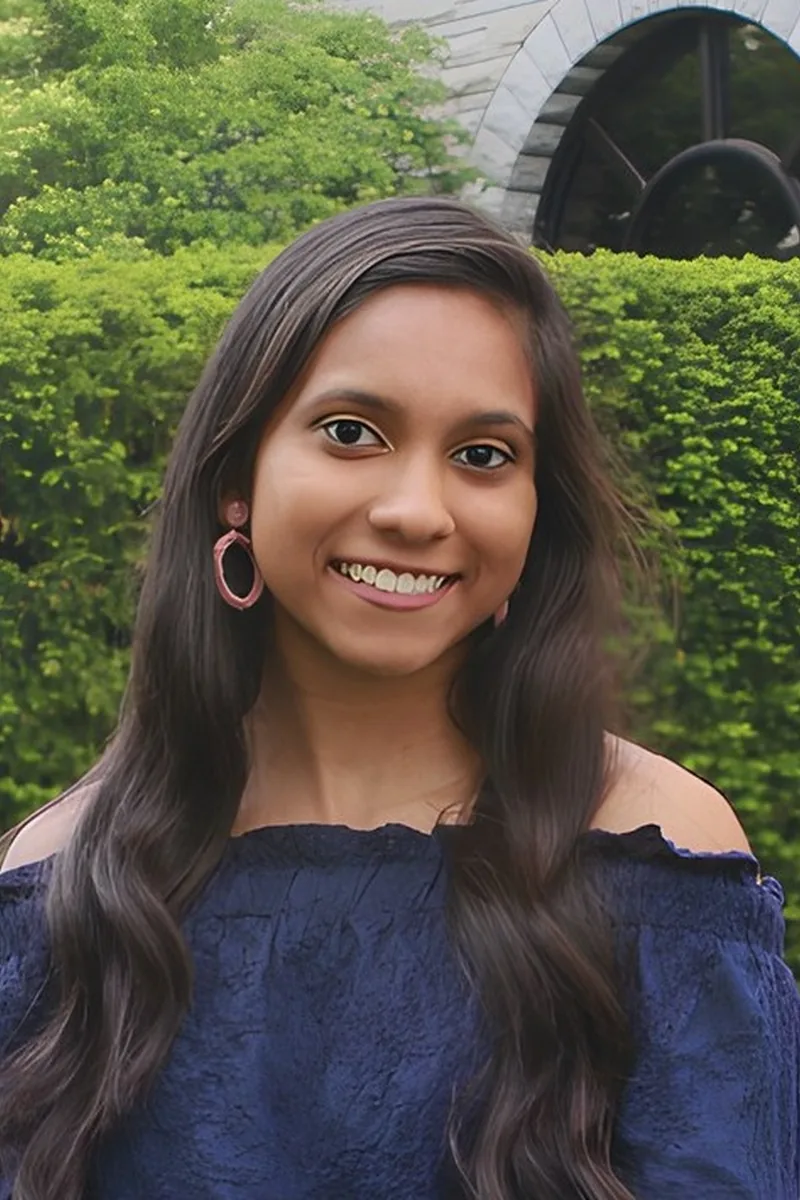
Dharani's background spans both STEM and the humanities — she tutors college essays and literature alongside her science subjects, giving her a practical understanding of how to build a thesis, organize supporting evidence, and revise for clarity. Students working on analytical essays or close readings get someone who treats writing as a structured, teachable process rather than a vague creative exercise.
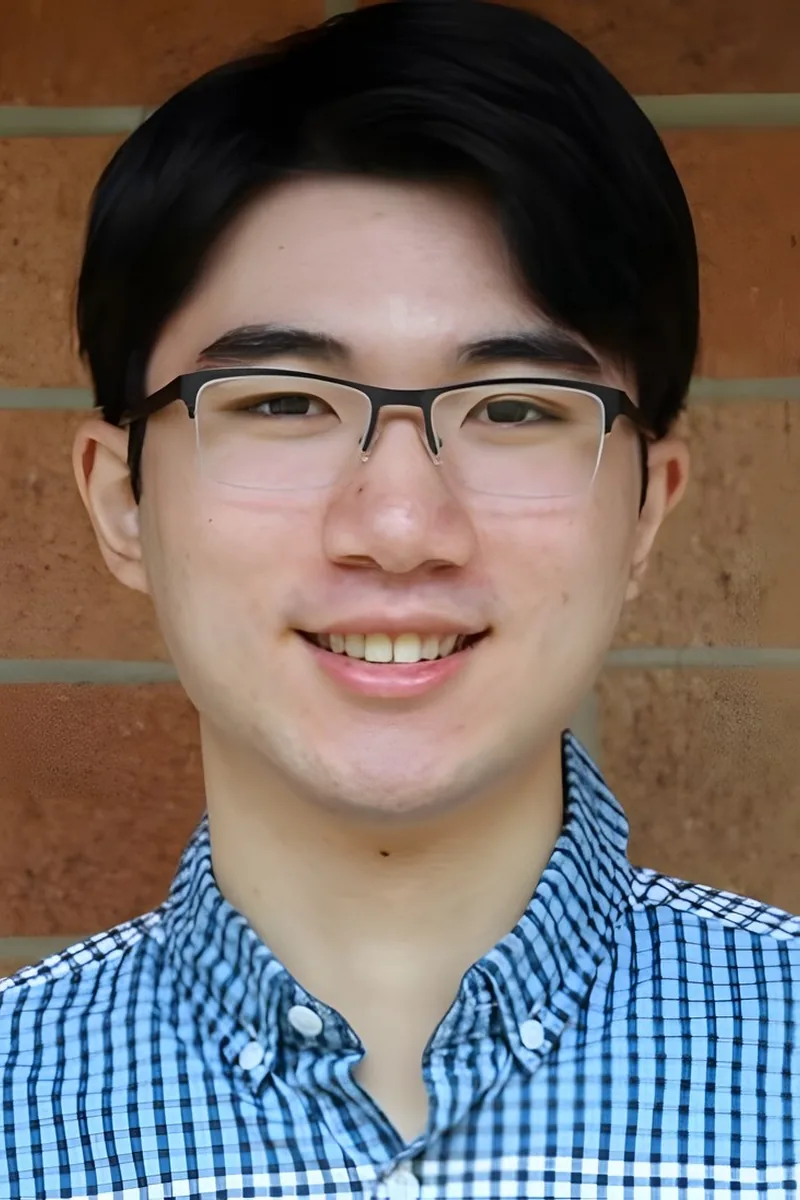
Between literature analysis, essay writing, and college application work, Jason approaches English as an argument-building discipline. He teaches students to read a passage for its structure — thesis, evidence, counterpoint — then apply that same architecture to their own writing, whether it's a five-paragraph essay or a personal statement.
Isabella pairs her science background with genuine skill in English, tackling everything from close reading of literary texts to constructing thesis-driven essays. She walks students through how to identify themes, analyze an author's rhetorical choices, and organize their ideas into writing that actually argues a point rather than just summarizing the plot.
Close reading is where Faith's tutoring comes alive — she teaches students to track how an author builds an argument or develops a character across a full text, not just identify literary devices in isolation. Her BFA in English gave her deep experience with both analytical and creative approaches to language, which means she can meet a poetry unit and a persuasive essay with equal confidence. She holds a 4.8 rating from students.
Strong writing carried Kevin through college essays that earned Stanford admission and through graduate-level analytical writing — so he knows how to build an argument that holds together from thesis to conclusion. He digs into essay structure and evidence integration, teaching students to revise their own drafts with a critical eye rather than waiting for someone else to catch weak spots.
An avid reader and writer outside the classroom, Evan brings genuine enthusiasm to literary analysis and composition. He teaches students to dissect an author's argument or narrative structure the way he'd break down a complex system — piece by piece — building confidence in thesis development, textual evidence, and revision. His 34 ACT composite speaks to his own strength across reading and English.
Between his communication degree and his graduate work in divinity — which demanded close reading of dense, centuries-old texts — Logan developed a sharp eye for how authors build arguments and layer meaning. He teaches students to annotate actively, identify rhetorical strategies, and write thesis-driven essays that go beyond plot summary. His 5.0 rating speaks to how well that analytical approach clicks with students.
Between her 1570 SAT, her love of reading and writing, and a college career built on close textual analysis in two languages, Jenna brings genuine literary instinct to English tutoring. She digs into thesis development, paragraph-level organization, and how to support a claim with textual evidence — the skills that separate a competent essay from a compelling one.
Heading to medical school at UVA this fall, Troy has spent years reading dense scientific literature and translating complex ideas into clear prose — a skillset that transfers directly to English coursework like close reading, thesis development, and essay revision. He's particularly effective at teaching students how to build an argument with textual evidence rather than summary.
Between crafting lab reports in her neuroscience program and tutoring essay writing and literature, Janki developed a sharp eye for how arguments are built on the page. She walks students through close reading, thesis development, and evidence selection, treating English as a skill set that strengthens with deliberate practice rather than guesswork. Rated 4.8 by students.
Kelsey earned her MFA in English from Notre Dame and has taught the subject at every level from second grade through university. That range means she can meet a struggling reader working on comprehension strategies and a college student crafting a literary analysis with equal specificity — adjusting not just difficulty but the entire way she explains and models the work.
Between her film studies coursework and extensive essay editing experience, Addison reads texts the way a director reads a script — looking at how tone, structure, and word choice create meaning beneath the surface. She teaches students to move from summarizing a passage to crafting analytical arguments about it, a shift that transforms performance on essays and reading comprehension alike.
Between reading voraciously, writing college essays, and scoring a 35 on the ACT, Matthew has put in serious reps with the core English skills — grammar, argumentation, and close reading. As a biomedical engineering student who also tutors literature and essay editing, he's unusually comfortable on both the analytical and creative sides of the subject, which means he can explain why a thesis statement falls flat with the same clarity he'd use to walk through a physics problem.
Teaching English to everyone from business professionals in Greece to young children in Beijing required Wilson to treat the language as a system — vocabulary, sentence structure, reading comprehension, and writing all interconnected. His TEFL training and three years of international classroom experience mean he can quickly identify which piece of that system a student needs to strengthen and build from there.
Reading a poem or a novel closely is a skill that transfers everywhere — into essay writing, standardized test passages, even college applications. Benjamin's master's in humanities means he's spent serious time unpacking literary texts, and he brings that same analytical rigor to teaching students how to build an argument from textual evidence, structure a thesis, and revise their own prose with a critical eye.
Between her communication degree and her years teaching language, Nicole lives in the overlap of reading, writing, and analytical thinking that English courses demand. She tackles everything from thesis development in literary essays to close reading of passages, drawing on the same interpretive skills she uses daily when teaching students to think critically about texts. Her 5.0 rating speaks to how well that approach connects with learners across grade levels.
Two English degrees gave Anthony deep fluency across the discipline, from close-reading poetry and unpacking Shakespeare's rhetoric to constructing thesis-driven analytical essays. He teaches students to read like writers — noticing how authors build arguments, develop characters, and manipulate language for effect. His subject list spans elementary reading through college-level American literature, so he adjusts complexity to match the student.
Between backpacking through Southeast Asia and pursuing a culinary certificate, Amy has always been someone who processes the world through writing — journals, essays, reflections on unfamiliar places and ideas. She brings that real-world relationship with language into her English tutoring, breaking down everything from thesis construction to grammar mechanics with a practical, no-nonsense approach. Her background in scientific writing from her Dietetics degree also means she's comfortable teaching students how to write clearly across genres.
Jacob approaches English assignments the same way he'd debug a program: break the argument into its components, check each one for coherence, and make sure the whole thing runs smoothly from start to finish. His experience with college essays and essay editing means he can tackle thesis development, textual analysis, and revision strategies with equal comfort.
I am no longer needed.
Reading a novel and understanding a novel are two different things, and Diana bridges that gap by teaching students to analyze tone, structure, and argument across genres. Her dual background in English and Political Science at the University of Louisville trained her to pull meaning from dense texts — whether that's a Shakespeare soliloquy or a persuasive essay — and she carries a 32 ACT composite that speaks to her command of verbal reasoning.
I am a graduate of a liberal arts university, with majors in both Spanish and Studio Arts. As a Teach for America alumni I have worked as a Spanish and Art teacher in elementary, middle, and high school settings in both public and private schools. Additionally I have worked with nonprofit organizations to provide arts education. I primarily tutor Spanish, English, Reading and ACT prep. I believe everyone deserves access to a quality education, and I look forward to working with you to meet and exceed your goals!
Jesse pairs his math-trained precision with genuine skill in reading comprehension and writing, covering everything from close-reading literary passages to structuring five-paragraph essays with sharp thesis statements. His 1520 SAT score speaks to strength across both quantitative and verbal reasoning, which means he can coach students through analytical writing just as confidently as he can explain a proof.
Between her Asian Studies coursework and a steady diet of YA and fantasy novels, Grace reads constantly across genres and knows how to pull apart a text for theme, voice, and argument. She tackles English assignments by teaching students to read like writers — noticing how authors make deliberate choices with structure and language that are worth analyzing on the page.
Between her work with ESL learners at a local refugee center and her speech-language pathology studies, Kaylee sees English from multiple angles — how it sounds, how it's structured, and how meaning shifts depending on audience. She tackles reading comprehension and writing as connected skills, teaching students to notice how authors build arguments so they can do the same in their own work. Her experience adapting lessons for different learning styles means she rarely explains something the same way twice.
Coaching a middle school Mock Trial team meant Sowmya spent hours teaching students how to build arguments from texts, choose words deliberately, and present ideas with clarity — skills that sit at the core of every English class. Whether it's analyzing a novel's themes or structuring a persuasive essay, she connects reading and writing as two sides of the same critical-thinking coin.
Between his literature coursework and experience with college essays, Carter approaches English as an exercise in building arguments from textual evidence. He walks students through close reading techniques — identifying tone shifts, tracking motifs, and distinguishing an author's purpose from surface-level plot summary. His French minor also gives him a comparative lens on how language shapes meaning across different literary traditions.
Between literature analysis, essay writing, and college application essays, Nick covers the full arc of what English demands at the middle and high school level. His scientific training gives him an unusual edge when it comes to teaching argument structure — he treats thesis development and textual evidence the way a researcher treats a hypothesis and data, which tends to resonate with students who think linearly.
ESL teaching sharpens a specific skill most English tutors don't have — the ability to explain grammar rules and sentence patterns from the ground up, without assuming anything is obvious. Patty draws on that instinct across her English tutoring, whether she's walking a student through subject-verb agreement, untangling awkward syntax, or coaching someone through their first structured essay. Her humanities degree and years working with language learners mean she's especially effective with students who need the 'why' behind English conventions, not just the red marks.
Reading a novel for class and actually understanding what to do with it on an essay are two very different skills. Alexander teaches students how to move from observation to argument — identifying a motif in a text, tracing how it develops, and building a thesis that says something specific rather than summarizing the plot. His background in historical analysis translates directly to close reading and evidence-based writing in English.
Reading comprehension and clear writing reinforce each other, and Andrew tackles both by teaching students to identify an author's argument before forming their own. His experience mentoring on college essays and literature analysis gives him a practical toolkit for everything from paragraph structure to close reading of a novel.
Ecology research means constant writing — grant proposals, field reports, literature reviews — and Haileigh brings that real-world editing eye to English tutoring. She digs into grammar mechanics, thesis development, and paragraph structure with students who need to sharpen both their analytical reading and their written arguments. Rated 5.0 by students.
Hello! I am Mrs. Mary Grace and I am happy to help you get on the road to academic success. I love going above and beyond to give you the knowledge you need due to my high level of expertise. I have a Master's in English as well as a B.A. in Writing and a B.A. in Media Studies. I also hold a California Teaching Credential and have taught gifted and talented students (GATE) for 7 years in the California public school system. I was an English professor for 2 years at Westwood College and I currently work full-time as an online ESL Teacher for VIPKid. I also tutored SAT prep, PSAT prep, AP English, Honors English, Writing, Grammar, ACT English, TOEFL, CBEST and CSET as well as general homework help for grades Kindergarten through College. I also helped edit essays and papers and helped students write their college application essays. I hope to see you soon online in the classroom!
Engineering majors don't usually end up on English tutoring pages, but Charles is also an avid reader and writer who tackles grammar, essay structure, and close reading with the same precision he applies to physics problems at Yale. His analytical mindset is especially useful for students who struggle to organize arguments or build coherent thesis statements — he breaks the writing process into clear, logical steps that make essays less intimidating.
Between a Classics major that demands constant close reading of complex texts and twenty pre-college writing awards, Valerie's entire academic life runs on English skills. She tackles everything from thesis development and literary analysis to vocabulary building and rhetorical strategy, adjusting her approach based on whether a student needs help generating ideas or tightening final drafts.
Keith's Williams College education was steeped in close reading and analytical writing across political science, history, and English — the kind of interdisciplinary background that makes him especially effective at teaching students how to build a thesis, integrate textual evidence, and revise for clarity. Whether the task is dissecting a novel's themes or structuring a persuasive essay, he connects the reading and writing sides of English into a single skill set.
Between literature analysis, essay writing, and SAT Reading prep, Matt covers the full range of English skills students typically need. He's particularly effective at teaching students how to build a clear argument in an essay — structuring a thesis, selecting evidence, and revising for precision — because he treats writing as a craft that improves through deliberate practice.
An avid reader and writer outside the classroom, Sabira treats English as a subject where analytical thinking and creativity reinforce each other. She walks students through close reading strategies — identifying tone, tracking themes, pulling textual evidence — and then applies those same skills to essay planning and revision. Her Johns Hopkins training in structured problem-solving translates surprisingly well to building a strong thesis argument.
Reading a poem, analyzing an argument, and drafting a clear paragraph all require the same underlying skill: paying close attention to how language creates meaning. Mimi's interdisciplinary training — art history at Dartmouth, education at Harvard — sharpened her ability to teach close reading and analytical writing as connected practices rather than separate assignments. She's particularly effective at showing students how to move from a vague reaction to a text toward a specific, evidence-backed interpretation.
A lifelong reader and writer with a PhD-level command of academic prose, Andrew brings an analytical rigor to English that many tutors lack — breaking down thesis construction, argument structure, and grammar with the same precision he applies to his STEM research. His background in essay writing and editing means he can pinpoint exactly where a paragraph loses its logic or a sentence buries its point.
Testimonials
Because the right English tutor makes all the difference.
Average Session Rating – Based on 3.4M Learner Ratings
Nearby English Tutors
Other Lexington Tutors
Related English Tutors in Lexington
Frequently Asked Questions
Varsity Tutors matches Lexington students with expert English tutors for 1-on-1 instruction. We pair each student with a tutor based on their specific needs, learning style, and goals.
Whether you need homework help, exam prep, or want to get ahead, our English tutors are ready to help.
Common challenges include gaps from earlier material, difficulty with specific concepts, and trouble applying learning to new problems. These issues can snowball quickly in English.
A tutor identifies where you're stuck, fills in gaps, and provides targeted practice. The 1-on-1 format means you get help exactly where you need it.
Tutors work with your student's actual coursework—homework assignments, class notes, and upcoming tests. This keeps tutoring directly relevant to what's happening in the classroom.
When you share information about your student's school and curriculum, we can match you with a tutor who has relevant experience.
All tutors complete background checks, credential verification, and teaching evaluation. Many of our English tutors hold advanced degrees or have years of teaching experience.
You can review tutor profiles to find someone with the right background for your student's level and needs.
Many students see improved grades within a few weeks, along with better understanding of English concepts and more confidence tackling challenging material.
Tutors track progress and adjust their approach to ensure continued improvement.
Most students benefit from 1-2 sessions per week. More frequent sessions help if your student is significantly behind or has an important exam coming up.
Your tutor can recommend a schedule based on your student's specific situation and goals.
Tutoring is purchased in packages of hours, with rates varying by tutor experience. Varsity Tutors offers several options to fit different budgets and needs.
You can discuss pricing during your consultation to find what works best.
Your tutor will assess where your student is, discuss goals, and start working on priority areas. Most students bring current homework or upcoming test material to focus on.
By the end, you'll have a clear sense of how the tutor can help and a plan for moving forward.
Let’s find your perfect tutor
Answer a few quick questions. We’ll recommend the right plan and match you with a top 5% tutor.