Award-Winning Anatomy Tutors
serving Lexington, KY
Anatomy
Tutors in Lexington
Private 1-on-1 tutoring, weekly live classes for academic support, test prep & enrichment, practice tests and diagnostics, and more to elevate grades and test scores.
Based on 3.4M Learner Ratings
UniversitiesSchools & Universities
DeliveredHours Delivered
ProficiencyGrowth in Proficiency
Who needs tutoring?
No obligation. Takes ~1 minute.
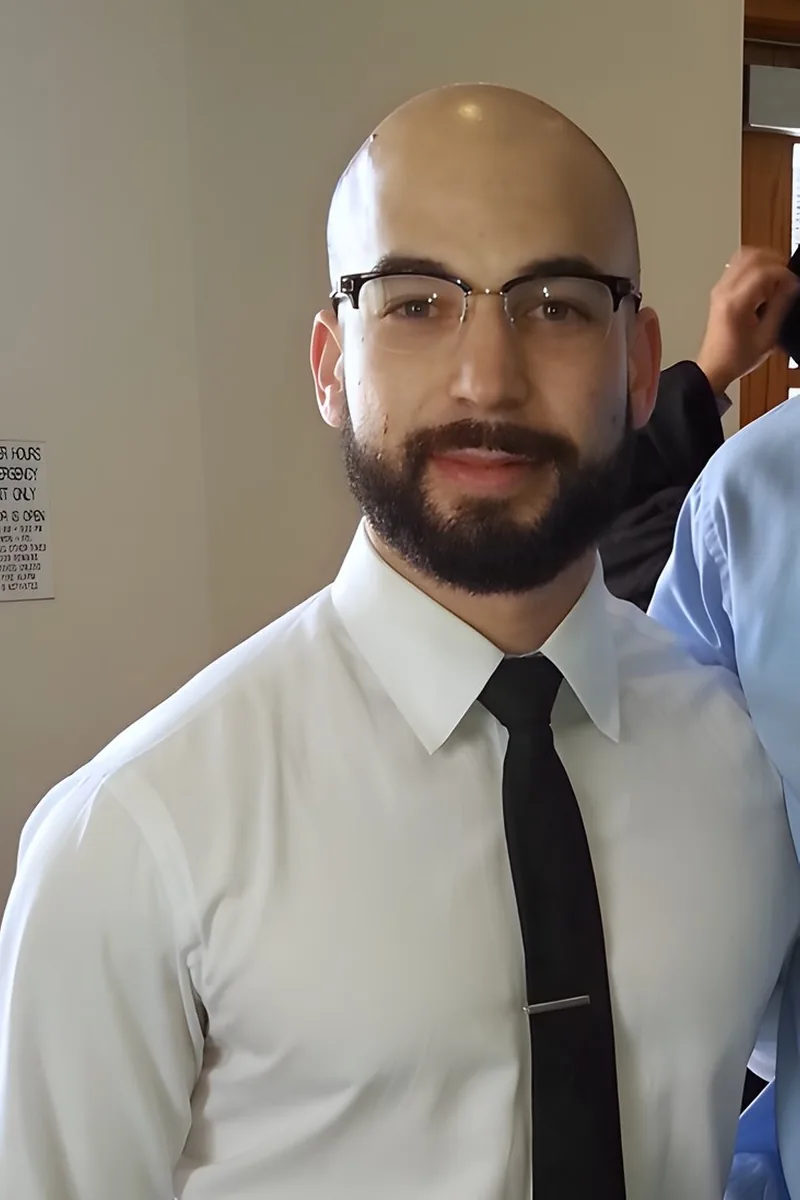
Medical school anatomy is relentless — cadaver labs, spatial reasoning, thousands of structures with Latin names. Felix went through that gauntlet and developed memorization strategies tied to clinical relevance: knowing the brachial plexus not just as a diagram but as the reason a patient can't extend their wrist. He walks students through regional and systems-based anatomy with that same emphasis on function over rote labeling.

Jacob doesn't just know anatomy from a textbook — he's worked hands-on with the skeletal archives at the American Museum of Natural History, cataloging and studying actual specimens. That experience makes him especially effective at teaching musculoskeletal structures, bone landmarks, and organ systems in a way that connects memorization to real physical context.
Memorizing every muscle origin and insertion or cranial nerve pathway can feel impossible without a system. Nishad, currently in medical school where anatomy is a cornerstone of the curriculum, teaches structural relationships and functional groupings that turn rote memorization into something closer to storytelling — following a nerve from the brainstem to the tissue it innervates, for example.
Memorizing every bone, muscle, and nerve pathway in anatomy feels overwhelming until someone shows you the organizational logic underneath it all. Eugene's doctoral studies in biomedical science at Morehouse School of Medicine gave him a systematic way to learn anatomical structures — grouping them by region, function, and clinical relevance. He teaches students to build mental maps of the body rather than relying on brute-force memorization.
Memorizing bones, muscles, and organ systems can feel overwhelming without a framework to hang it all on. Benjamin approaches anatomy by teaching students to think in terms of structure-function relationships — why the femur is shaped the way it is, how alveoli maximize gas exchange — so the details stick. His psychology training gives him a sharp sense of how memory and recall actually work, which he applies directly to study strategies.
Three years of dental school at Penn means Josh doesn't just know anatomy from a textbook — he's studied it through cadaver dissection and clinical application, especially the musculoskeletal and nervous systems of the head and neck. That hands-on depth translates into vivid explanations of structures, origins, insertions, and innervations that stick better than rote flashcard drilling.
Memorizing every bone, muscle insertion, and nerve pathway in anatomy can feel like drinking from a fire hose. Laura's biology training and current work in environmental health sciences at Columbia gave her practical strategies for organizing anatomical structures by region and function — turning a massive vocabulary list into a system that actually sticks.
Memorizing every bone, muscle, and nerve pathway in anatomy can feel like learning a foreign language — because it essentially is one, rooted in Latin and Greek terminology. Amanda's anthropology and archaeology training gave her years of hands-on experience with skeletal and muscular systems in ways most tutors never encounter. She teaches students mnemonic strategies and spatial reasoning techniques that turn rote memorization into durable understanding of structural relationships.
I am a public school teacher (Chemistry and Living Environment) but can tutor most sciences. I truly believe in differentiated learning and once I know the learning style of a student, I tailor my teaching style for optimum time usage. I love to utilize stories from my real life experiences in labs to help students understand the implications of their science education.
Having studied anatomy through her nursing education, Sarah knows the subject from the inside — not just labeling structures on a diagram but understanding how organ systems interact functionally. She tackles tough topics like the brachial plexus or cardiac conduction pathways by linking structure to clinical purpose, which makes dense material far easier to retain.
Learning anatomy means building a mental map of the body where every structure has a reason for its location and shape. Nicholas's biology degree gave him deep exposure to human systems, and he teaches anatomical relationships — like why the recurrent laryngeal nerve takes its peculiar path — in ways that make spatial memorization far more intuitive.
Learning anatomy is often treated as pure memorization — origin, insertion, action, repeat — but Ade tackles it differently by linking structures to their physiological function. When a student understands why the brachial plexus is organized the way it is, or how blood flow through the heart's chambers relates to valve placement, the naming conventions start to make intuitive sense.
Testimonials
Because the right Anatomy tutor makes all the difference.
Average Session Rating – Based on 3.4M Learner Ratings
Practice Anatomy
Free practice tests, flashcards, and AI tutoring for Anatomy
Nearby Anatomy Tutors
Other Lexington Tutors
Related Science Tutors in Lexington
Frequently Asked Questions
Varsity Tutors matches Lexington students with expert Anatomy tutors for 1-on-1 instruction. We pair each student with a tutor based on their specific needs, learning style, and goals.
Whether you need homework help, exam prep, or want to get ahead, our Anatomy tutors are ready to help.
Common challenges include gaps from earlier material, difficulty with specific concepts, and trouble applying learning to new problems. These issues can snowball quickly in Anatomy.
A tutor identifies where you're stuck, fills in gaps, and provides targeted practice. The 1-on-1 format means you get help exactly where you need it.
Tutors work with your student's actual coursework—homework assignments, class notes, and upcoming tests. This keeps tutoring directly relevant to what's happening in the classroom.
When you share information about your student's school and curriculum, we can match you with a tutor who has relevant experience.
All tutors complete background checks, credential verification, and teaching evaluation. Many of our Anatomy tutors hold advanced degrees or have years of teaching experience.
You can review tutor profiles to find someone with the right background for your student's level and needs.
Many students see improved grades within a few weeks, along with better understanding of Anatomy concepts and more confidence tackling challenging material.
Tutors track progress and adjust their approach to ensure continued improvement.
Most students benefit from 1-2 sessions per week. More frequent sessions help if your student is significantly behind or has an important exam coming up.
Your tutor can recommend a schedule based on your student's specific situation and goals.
Tutoring is purchased in packages of hours, with rates varying by tutor experience. Varsity Tutors offers several options to fit different budgets and needs.
You can discuss pricing during your consultation to find what works best.
Your tutor will assess where your student is, discuss goals, and start working on priority areas. Most students bring current homework or upcoming test material to focus on.
By the end, you'll have a clear sense of how the tutor can help and a plan for moving forward.
Let’s find your perfect tutor
Answer a few quick questions. We’ll recommend the right plan and match you with a top 5% tutor.