Award-Winning AP Spanish Literature and Culture Tutors
serving Wichita, KS
AP Spanish Literature and Culture
Tutors in Wichita
Private 1-on-1 tutoring, weekly live classes for academic support, test prep & enrichment, practice tests and diagnostics, and more to elevate grades and test scores.
Based on 3.4M Learner Ratings
UniversitiesSchools & Universities
DeliveredHours Delivered
ProficiencyGrowth in Proficiency
Who needs tutoring?
No obligation. Takes ~1 minute.
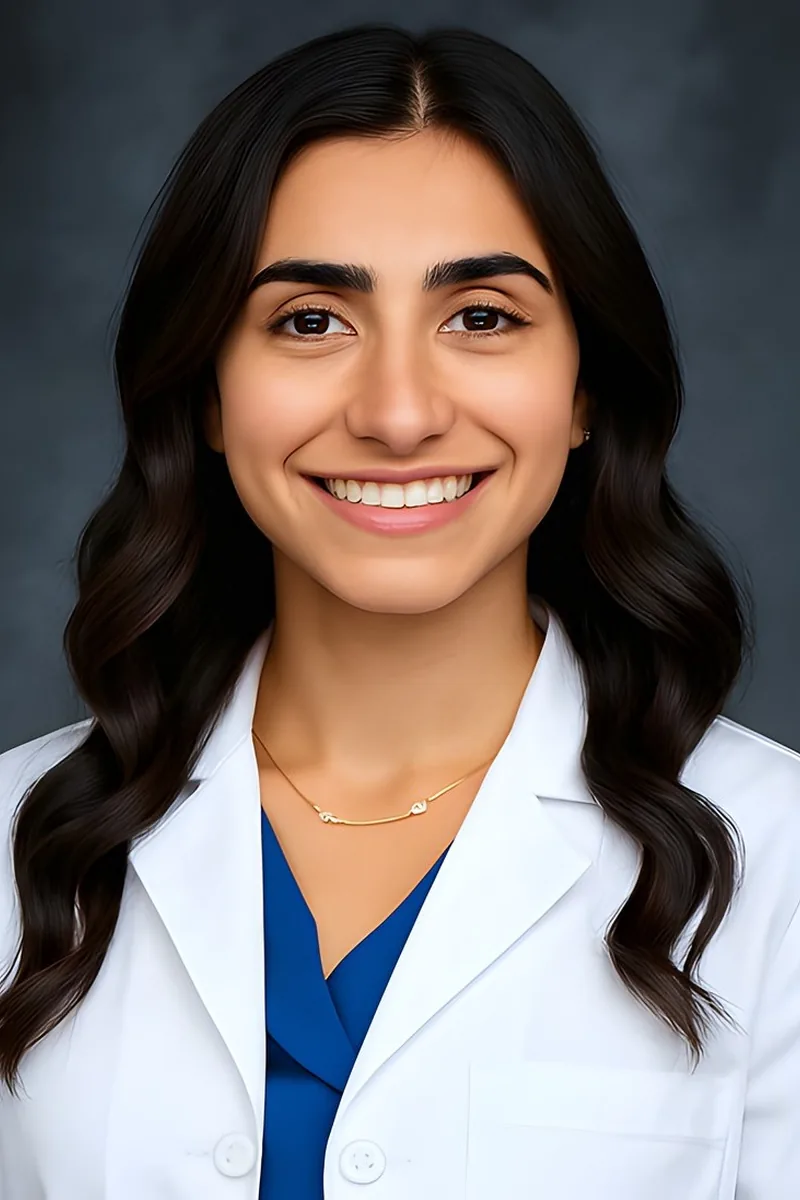
Medical school and AP Spanish Literature don't obviously connect — but Arianna's behavioral neuroscience degree with a Spanish minor means she spent years reading and writing analytically in Spanish while also studying how people process language and narrative. That combination sharpens how she teaches students to construct timed literary essays, particularly when unpacking character psychology and identity themes in works across the AP reading list. Rated 5.0 by students.

Elliot's training is in neuroscience and cognitive science, not Spanish literature — so this is a peripheral subject for him. That said, his PhD-level analytical skills and experience teaching writing and essay construction mean he can coach students on the structural mechanics of timed literary essays: building a thesis, organizing textual evidence, and arguing a point clearly under pressure.
Studying political science sharpened Claire's ability to read texts as arguments — identifying how authors use structure, rhetoric, and cultural context to advance a point of view, which is exactly the analytical muscle the AP Spanish Literature free-response essays test. She tutors across four levels of both Spanish and French, so she's comfortable conducting literary discussion and essay practice in the target language. Rated 5.0 by students.
Before college, Heather's high school Spanish teacher trusted her enough to refer another student to her for one-on-one tutoring — the kind of endorsement that speaks to genuine command of the language beyond classroom basics. Her psychology training adds a useful angle for AP Literature essays where character motivation and identity themes drive the analysis, and she brings patient, structured coaching to students who get overwhelmed by timed writing in Spanish. Rated 5.0 by students.
Spanning Spanish 1 through AP-level coursework and the SAT Subject Test in Spanish with Listening, Alma has built her tutoring practice around the language from every angle — grammar, conversation, reading, and writing. For this exam specifically, her creative writing and essay editing experience shapes how she coaches timed literary analysis essays, teaching students to move from a raw reading of a passage to a focused, thesis-driven argument written entirely in Spanish.
Growing up schooled in Mexico means Alfonso didn't just learn Spanish — he absorbed the literary and cultural traditions that underpin the AP reading list, from colonial-era texts to modern Latin American prose. His years of formal Spanish-language education give him native-level reading and writing fluency that sharpens how he teaches students to construct analytical essays entirely in Spanish, grounding arguments in the cultural contexts he experienced firsthand.
Growing up as a native Spanish speaker and writer while simultaneously studying English literature and theater at Bowdoin gave Alex an unusual double fluency — literary analysis skills honed in two languages at once, which is precisely what this exam's timed essays in Spanish demand. His graduate work in biology might seem unrelated, but the evolutionary and bioanthropological lens he brings to questions of cultural identity and human experience adds unexpected depth when unpacking themes in reading list works from Quiroga to Allende. Rated 4.8 by students.
A cellular and molecular biology major might seem like an unlikely fit for this exam, but Isaac's 35 ACT and his coursework in AP Spanish give him the analytical reading skills and structured argumentation that the free-response essays demand — thesis construction, evidence selection, and writing under time pressure. For students who already have strong Spanish fluency and need someone to sharpen the mechanics of timed literary analysis, his science-trained precision translates surprisingly well.
Medical school sharpens one skill that translates surprisingly well to AP Spanish Literature: reading dense, complex material under pressure and extracting exactly what matters. Brianna's biology degree and Spanish tutoring experience give her the language foundation, while her test-taking discipline (1490 SAT, 32 ACT) carries over to coaching students on structuring timed analytical essays where clear argumentation counts more than literary flourish. This isn't her deepest subject, but for students who need help with the mechanics of building an evidence-based essay under exam conditions, her systematic approach fills a real gap.
Renee's PhD in Spanish and Iberian Studies means she's spent years inside the literary traditions the AP exam tests — not just reading Garcilaso or Unamuno, but producing original scholarship on how these texts function within broader Iberian cultural movements. That academic depth shapes how she teaches students to construct thesis-driven essays in Spanish, moving from close reading of a passage's formal choices to the kind of cultural argumentation that earns top scores on the free-response section.
Richard's engineering background at the University of Tulsa might seem far from literary analysis, but his Spanish coursework through advanced levels and his instinct for systematic problem-solving give him a practical angle on the AP exam's timed essays — particularly breaking a prompt into a clear thesis, supporting claims, and organizing evidence under pressure. He's upfront that this isn't his deepest subject, so he's best suited for students who already read comfortably in Spanish and need help with the structural mechanics of constructing analytical arguments on exam day.
Studying Spanish as a full degree — not just a minor or elective — means Alexandra has spent years reading and analyzing literary works in the original language, from García Márquez to Sor Juana. She teaches students to write the kind of thematic analysis essays the AP exam demands, connecting literary movements like el realismo mágico to their cultural and historical contexts.
Analytical chemistry and Spanish literature sound worlds apart, but Hannahlore's 35 ACT and 5.0 rating reflect the same precise, evidence-driven thinking that timed AP literary essays demand — identifying a pattern in a text and building a structured argument around it, much like interpreting data in a lab. For students who already have strong Spanish language skills and need coaching on the mechanics of constructing a thesis, selecting textual evidence, and writing a coherent analytical essay under time pressure, her systematic approach translates effectively to the free-response format.
Testimonials
Because the right AP Spanish Literature and Culture tutor makes all the difference.
Average Session Rating – Based on 3.4M Learner Ratings
Other Wichita Tutors
Related Languages Tutors in Wichita
Frequently Asked Questions
The AP Spanish Literature and Culture exam tests your ability to read, analyze, and interpret Spanish literary texts from different time periods and regions. The exam includes multiple-choice questions on reading comprehension, short-answer responses analyzing literary passages, and a free-response essay section. You'll encounter poetry, prose, drama, and essays, so strong reading comprehension and analytical writing skills in Spanish are essential to success.
Many students struggle with the pace of reading complex literary texts in Spanish and identifying literary devices like symbolism, metaphor, and tone within unfamiliar cultural contexts. The free-response essay section is particularly challenging because it requires you to write analytical arguments in Spanish under time pressure while maintaining grammatical accuracy. Additionally, understanding regional vocabulary variations and historical/cultural references can slow down comprehension if you haven't been exposed to diverse Spanish-speaking authors and time periods.
Varsity Tutors connects you with expert tutors who can help you develop close-reading strategies, teach you how to identify and analyze literary devices, and provide targeted practice with essay writing under timed conditions. Tutors can also help you build familiarity with key authors and texts from the AP curriculum, improve your speed in processing complex Spanish prose, and give you personalized feedback on your analytical arguments and Spanish language use. With personalized 1-on-1 instruction, you can focus on your specific weak areas rather than spending time on material you've already mastered.
Score improvement depends on your starting point and how consistently you engage with tutoring and practice. Students who work with a tutor for several months and complete regular practice essays and reading assignments typically see meaningful gains, especially if they're targeting a specific score range. The key is identifying your weak areas early—whether that's vocabulary, essay structure, or literary analysis—and addressing them systematically. Working with a tutor helps you use your study time more efficiently so you're not just studying harder, but studying smarter.
Practice tests are crucial because they help you get comfortable with the exam format, understand pacing requirements, and identify which types of questions or literary passages give you the most trouble. Taking full-length practice tests under timed conditions several times before test day allows you to build stamina and refine your test-taking strategy. A tutor can review your practice test results with you, point out patterns in the questions you're missing, and help you develop targeted strategies to improve in those specific areas.
Start by reading the prompt carefully and identifying exactly what literary element or theme you need to analyze. Spend a few minutes planning your essay outline—including your thesis, key textual evidence, and analytical points—before you start writing. This prevents rambling and ensures your essay stays focused and well-organized. A tutor can help you practice this process repeatedly so it becomes automatic, teach you how to integrate direct quotes from the text effectively, and help you write clear, grammatically accurate Spanish under pressure.
Most students benefit from starting preparation 3-4 months before the exam, dedicating 5-10 hours per week to reading practice, essay writing, and review. If you're starting later or feel less confident in your Spanish skills, you may want to begin earlier or increase your weekly commitment. Working with a tutor helps you make the most of your study time by focusing on high-impact activities—like analyzing challenging texts and writing timed essays—rather than passive review.
Varsity Tutors connects you with expert tutors for students in Wichita who specialize in AP Spanish Literature and Culture and understand the specific demands of the exam. You can share your goals and current skill level, and we'll match you with a tutor whose expertise fits your needs. Whether you need help with a specific literary period, essay writing, or comprehensive exam preparation, personalized 1-on-1 instruction allows you to work at your own pace and focus on exactly what you need to succeed.
Let’s find your perfect tutor
Answer a few quick questions. We’ll recommend the right plan and match you with a top 5% tutor.