Award-Winning College Chemistry Tutors
serving Wichita, KS
College Chemistry
Tutors in Wichita
Private 1-on-1 tutoring, weekly live classes for academic support, test prep & enrichment, practice tests and diagnostics, and more to elevate grades and test scores.
Based on 3.4M Learner Ratings
UniversitiesSchools & Universities
DeliveredHours Delivered
ProficiencyGrowth in Proficiency
Who needs tutoring?
No obligation. Takes ~1 minute.
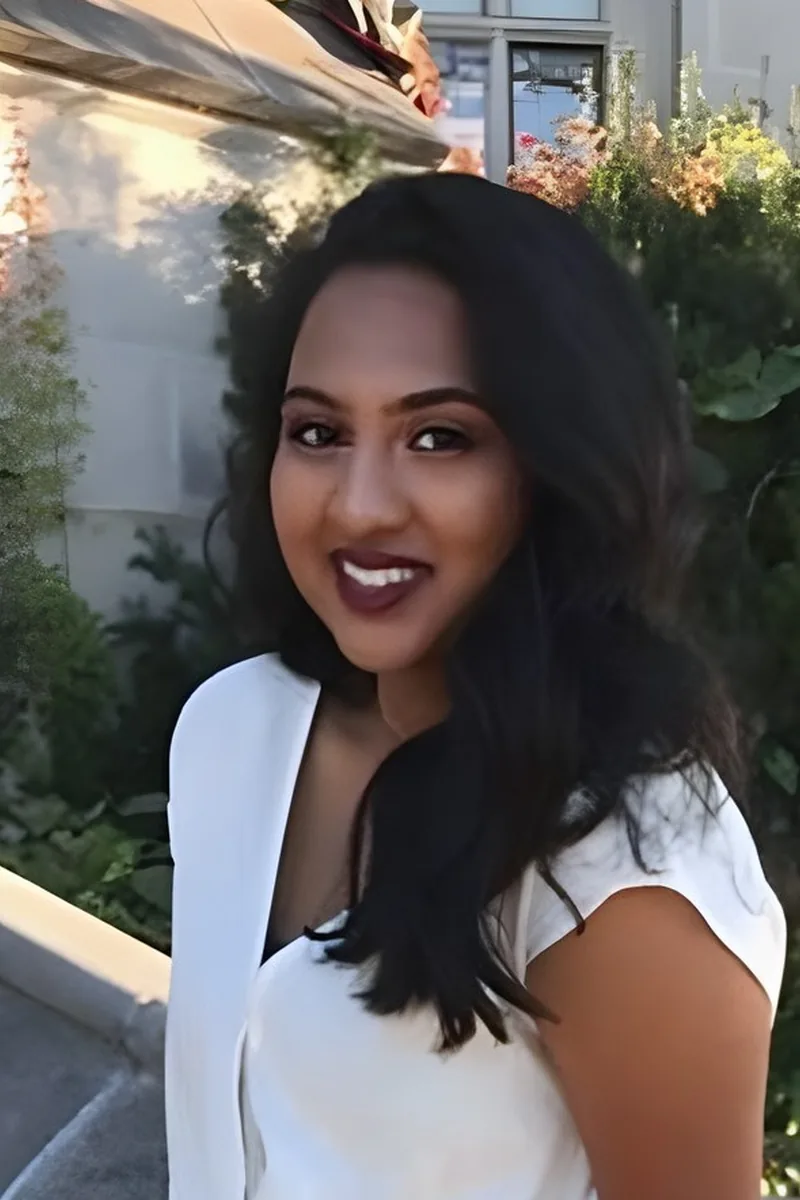
Fourth-year medical school at the University of Kansas means Kavya has cycled back through gen chem concepts like acid-base chemistry, reaction energetics, and solution behavior multiple times — first in undergrad, then again when they resurfaced in biochemistry and pharmacology. That repetition gives her a sharp sense of which college chemistry topics students need to actually internalize versus which ones they can afford to treat as reference material. Rated 4.9 by students.

Between teaching biology, anatomy, and microbiology, Betsy has repeatedly circled back to the chemistry that underpins all of it — electron behavior in bonding, pH and buffer systems, the thermodynamics driving cellular reactions. That cross-disciplinary repetition gives her a practical read on which gen chem concepts students actually need to internalize versus which ones they're memorizing and forgetting by midterms.
A bio-organic chemistry degree means Alex has lived through the full gen chem sequence and then pushed those concepts further — into reaction mechanisms, molecular orbital theory, and the quantitative problem-solving that upper-level chemistry demands. That depth shows up when tackling topics like chemical kinetics or periodic trends, where he can explain not just how to solve a problem but why the underlying chemistry behaves the way it does.
Having taken college chemistry and then immediately applied it through four years of medical school, Sharon knows which gen chem concepts — electron orbitals, acid-base equilibria, reaction thermodynamics — actually stick with students and which ones need to be taught differently to last beyond the final exam. She unpacks problems by tying the abstract chemistry back to tangible examples from biology and medicine, which tends to make the material click for the pre-health students who make up most gen chem classrooms. Rated 5.0 by students.
Neuroscience at Yale meant David couldn't just skim gen chem — he needed concepts like electrochemistry, molecular bonding, and reaction thermodynamics to stick, because they showed up again in every neurobiology and biochemistry course that followed. Now pursuing graduate work in bioethics, he teaches college chemistry by linking each topic to the bigger scientific picture, so students see why mastering something like intermolecular forces or acid-base equilibria pays off well beyond the final exam. Rated 5.0 by students.
Thermodynamics is Rahul's favorite corner of chemistry — and as a Cornell chemical engineering graduate (magna cum laude), he's applied concepts like enthalpy, Gibbs free energy, and reaction spontaneity far beyond the gen chem textbook, through upper-level coursework in physical chemistry and process design. He pushes students to grasp the conceptual reasoning behind each problem before touching the math, so topics like calorimetry and equilibrium stop feeling like disconnected formula exercises. Rated 4.9 by students.
Going through med school means Amanda has seen what happens when gen chem concepts like acid-base equilibria and reaction thermodynamics aren't truly understood — they unravel in biochemistry, pharmacology, and every clinical science that follows. She teaches college chemistry by grounding each topic in the bigger picture of where it leads, using her biology degree and 4.2 GPA from Alabama to zero in on the quantitative reasoning — electron configurations, enthalpy calculations, equilibrium expressions — that students need to own rather than just survive.
General chemistry at the college level lives or dies on whether you actually understand what's happening at the molecular level — equilibrium shifts, thermodynamic spontaneity, orbital hybridization — or just memorize formulas. Mosab's health sciences graduate work means he uses these concepts constantly and can connect them to real biochemical applications. Rated 5.0 by students.
Having TA'd general chemistry at Cornell — running problem-solving sessions and later training other TAs in teaching techniques — Alec knows exactly which concepts derail students: electron configurations that don't match periodic trends, buffer problems where the Henderson-Hasselbalch equation gets misapplied, or enthalpy calculations where sign conventions silently flip answers. His genetics and pre-med coursework means he's also seen how gen chem principles resurface in biochemistry and organic chemistry, so he teaches each topic with an eye toward where it's headed. Rated 4.8 by students.
Thermodynamics, equilibrium constants, and reaction kinetics demand more than memorizing formulas — they require thinking about why a reaction proceeds the way it does. Garrett's coursework in physical chemistry and organic chemistry means he can unpack the energy landscapes and molecular interactions behind each concept. He connects general chemistry principles to their applications in biochemistry and physiology, which makes abstract ideas click faster.
Pre-med bio-psychology coursework at UCSB means Aaron has pushed through college chemistry the same way his students are — as a high-stakes prerequisite where every gap in stoichiometry or equilibrium shows up again in upper-division science courses. He talks through problems conversationally, pressing students to explain the reasoning back to him, which exposes shaky understanding far faster than just re-solving practice sets. Holds a 5.0 rating.
Medical school demands a deep command of general chemistry — equilibrium, thermodynamics, acid-base systems, electrochemistry — and Timothy tackles all of it daily as a current M.D. student. He breaks down complex reaction mechanisms and quantitative problem-solving in ways that connect lecture material to how chemistry actually behaves in biological systems. Rated 4.9 by students.
Between AP Chemistry, organic chemistry, and inorganic chemistry, Rebecca has covered college-level chemical concepts from multiple angles — but it's her biology background that shapes how she teaches gen chem topics like electron configurations, bonding, and solution chemistry, always tying them back to the biological systems where students will encounter them again. She's especially sharp at bridging the gap between memorizing periodic trends and actually using them to predict reactivity or molecular behavior. Rated 5.0 by students.
Medical school demands fluency in chemistry that goes well beyond introductory courses, and Abrahim brings that depth to college-level topics like thermodynamics, kinetics, and electrochemistry. He diagnoses conceptual gaps fast — if a student can balance an equation but can't explain why a reaction is spontaneous, that's exactly where the session will dig in.
Testimonials
Because the right College Chemistry tutor makes all the difference.
Average Session Rating – Based on 3.4M Learner Ratings
Other Wichita Tutors
Related Science Tutors in Wichita
Frequently Asked Questions
College chemistry requires mastering both conceptual understanding and practical problem-solving skills. Students often struggle with balancing chemical equations, unit conversions, and visualizing molecular structures and bonding at the atomic level. Many also find it difficult to connect theoretical concepts—like thermodynamics or equilibrium—to real-world applications, which is essential for success in upper-level courses and lab work.
Personalized 1-on-1 instruction allows tutors to identify exactly where your understanding breaks down—whether that's with stoichiometry, Lewis structures, or lab report writing—and address those gaps directly. Tutors can help you develop problem-solving strategies, work through practice problems at your pace, and build the scientific reasoning skills needed to tackle unfamiliar chemistry problems on exams and in the lab.
During your first session, a tutor will assess your current understanding of chemistry concepts, learn about your course goals, and identify specific areas where you need support—whether that's general chemistry fundamentals, organic chemistry, or lab skills. You'll discuss your learning style and preferences so the tutor can tailor future sessions to help you build confidence and improve your grade.
Yes. Tutors can help you understand the theory behind lab experiments, work through calculations and data analysis, and develop stronger scientific reasoning skills that improve your lab reports and experimental design. They can also help you prepare for lab practicals and understand how to apply concepts you've learned in lecture to hands-on work in the laboratory.
Understanding is far more valuable than memorization alone. While you'll need to know some key formulas and reactions, college chemistry success depends on grasping the underlying principles—like why reactions occur and how to predict products—so you can solve new problems you've never seen before. Tutors help you build that deeper understanding rather than relying on rote memorization, which leads to better exam performance and retention.
Varsity Tutors connects you with expert tutors who have strong backgrounds in chemistry and experience teaching college-level students. You can specify your needs—whether you need help with general chemistry, organic chemistry, or lab skills—and get matched with a tutor who fits your learning style and schedule. The process is straightforward and designed to get you started quickly.
Many students see noticeable improvement in their understanding and grades within 3-4 weeks of consistent tutoring, especially if they're working on specific problem areas like stoichiometry or equilibrium. However, the timeline depends on your starting point, how frequently you meet with a tutor, and how actively you engage with practice problems between sessions. Regular, focused tutoring combined with your own study effort yields the best results.
Tutors use multiple strategies to help you visualize abstract concepts—drawing Lewis structures, using molecular models, creating energy diagrams, and working through step-by-step explanations of bonding and molecular geometry. By connecting visual representations to the underlying chemistry principles, you'll develop a clearer mental model of how atoms and molecules behave, making it easier to predict reactions and solve problems.
Let’s find your perfect tutor
Answer a few quick questions. We’ll recommend the right plan and match you with a top 5% tutor.