Award-Winning AP Spanish Language & Culture Tutors
serving Wichita, KS
AP Spanish Language & Culture
Tutors in Wichita
Private 1-on-1 tutoring, weekly live classes for academic support, test prep & enrichment, practice tests and diagnostics, and more to elevate grades and test scores.
Based on 3.4M Learner Ratings
UniversitiesSchools & Universities
DeliveredHours Delivered
ProficiencyGrowth in Proficiency
Who needs tutoring?
No obligation. Takes ~1 minute.
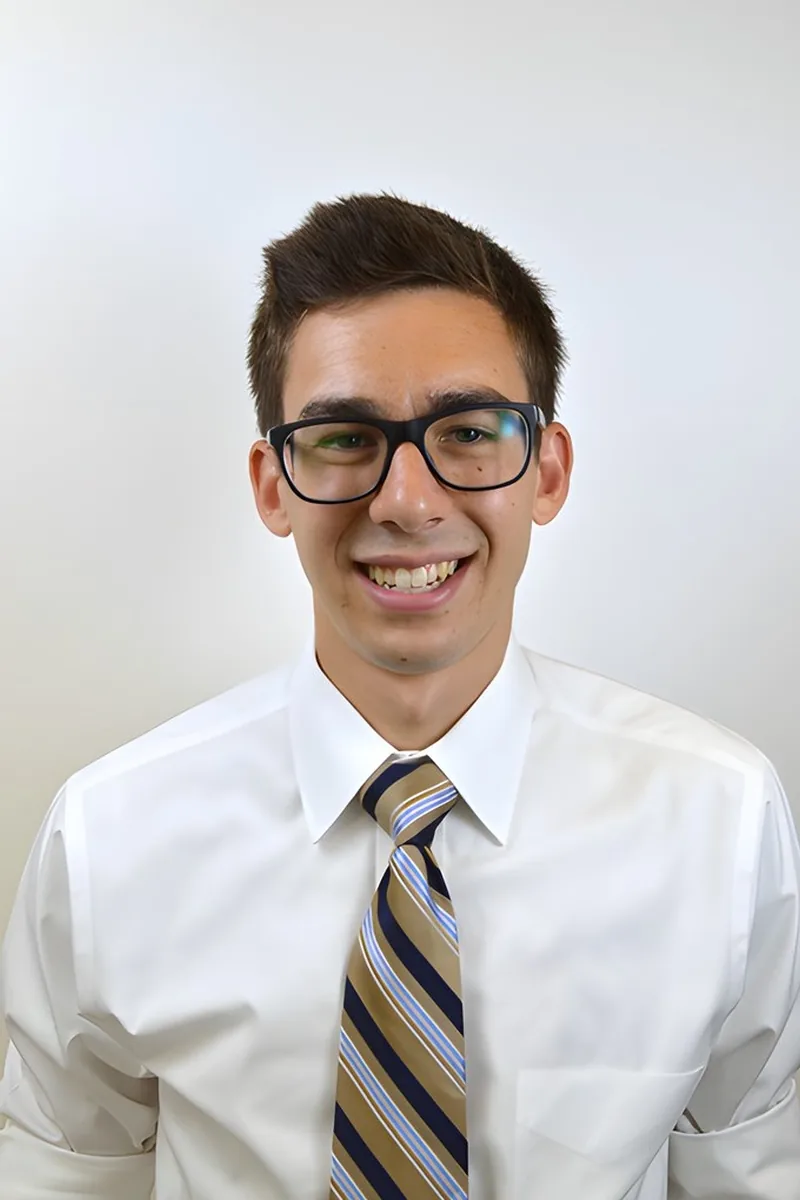
Having completed a Spanish major alongside neurobiology, Chris brings genuine bilingual fluency to AP Spanish Language & Culture prep. He tackles the interpersonal and presentational speaking tasks by drilling students on transitional phrases, register shifts, and cultural references that earn top scores. His approach to the audio-source synthesis essay is especially detailed, breaking down how to integrate listening material on the fly.
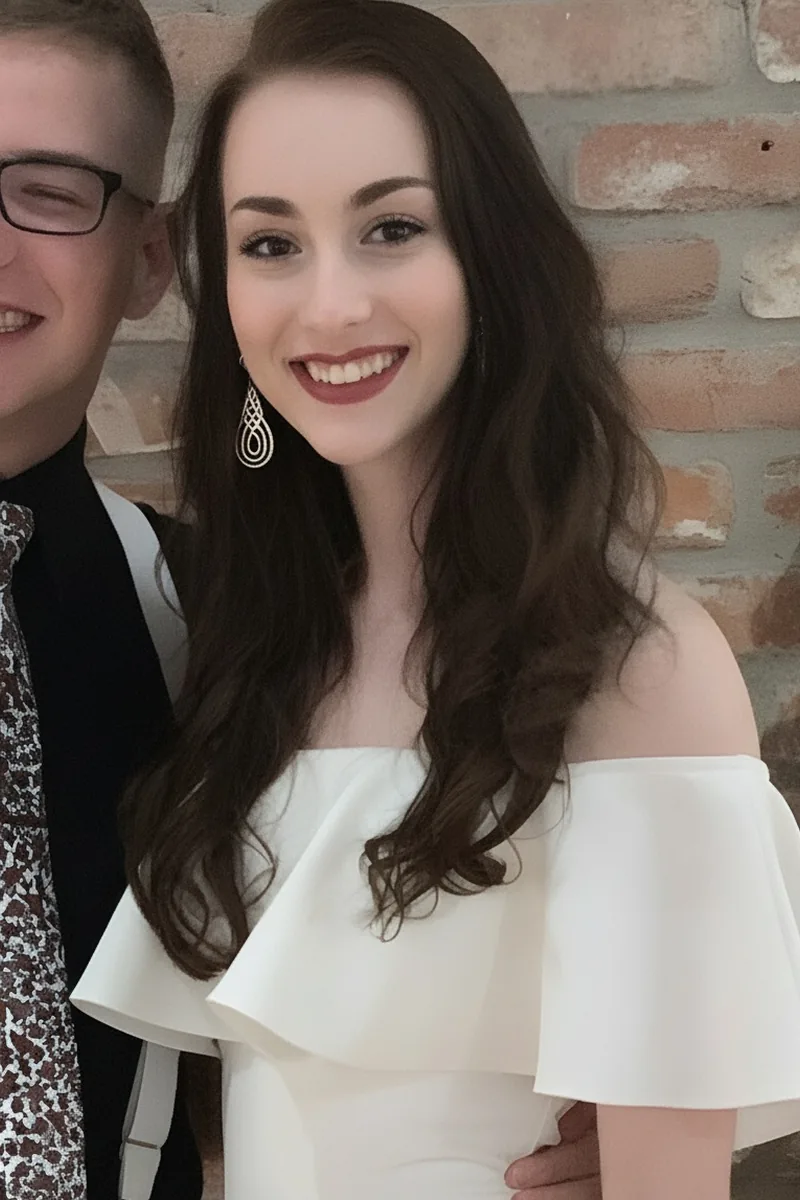
Between teaching every Spanish level from beginner through Spanish 4 and conversational Spanish, Ashley has logged serious time watching students progress from basic conjugation to the kind of register-switching the AP exam actually tests. She zeroes in on the interpersonal speaking and writing tasks, where students need to produce natural, on-the-spot Spanish rather than rehearsed responses — a skill her conversational teaching background keeps sharp. Rated 5.0 by students.
Falling in love with Spanish in seventh grade and carrying that through a bachelor's degree at the University of Missouri means Kacey has lived the full arc from beginner to advanced — she knows exactly where students stumble when the AP exam suddenly demands formal register and spontaneous spoken responses. She zeroes in on the interpretive listening section, training students to parse rapid, regionally varied audio clips by drawing on her own experience across conversational and academic Spanish contexts. Rated 4.8 by students.
Molly holds degrees in Spanish from Columbia University, which gives her the academic grounding in grammar, composition, and literary analysis that AP Spanish Language & Culture's written and spoken tasks demand. Her classroom teaching experience across multiple grade levels means she quickly spots the structural weaknesses — verb tense confusion, weak transitions, underdeveloped cultural comparisons — that keep students from reaching a 4 or 5. Rated 5.0 by students.
Tackling AP Spanish Language & Culture means producing polished interpersonal and presentational writing under timed conditions. Lillian breaks down the persuasive essay and email reply tasks by drilling subjunctive triggers, transition phrases, and the cultural comparison framework the rubric specifically rewards.
Having lived and worked in Puerto Rico, Eric brings real-world Spanish fluency to AP Spanish Language & Culture prep — not just textbook grammar but the kind of cultural context the exam's presentational and interpersonal tasks demand. He tackles the audio-source synthesis essays and spoken responses by drilling the specific transition phrases and register shifts that earn top scores.
Success on the AP Spanish Language & Culture exam depends on toggling fluently between interpretive, interpersonal, and presentational communication — often within a single task. Margaret tackles each mode separately, drilling persuasive email writing one session and audio-source synthesis the next, so students build confidence across the full exam format. Her own deep engagement with Spanish literature and conversation gives her the cultural fluency this exam specifically rewards.
Amy's PhD in Spanish Linguistics means she doesn't just know the language — she's studied how it works at the structural level, from phonological patterns to syntactic variation across dialects. That depth shows up most in the exam's interpretive listening section, where recognizing regional pronunciation shifts and parsing rapid connected speech separates students who truly comprehend from those guessing at context. She also teaches every Spanish level from 1 through AP, so she can quickly identify which grammatical gaps need closing before a student tackles timed writing in formal register.
Growing up in Miami gave Caitlin daily exposure to Spanish in real-world contexts — the kind of authentic, unscripted language that mirrors what the AP exam throws at students in its interpretive listening and reading sections. She teaches Spanish 1 through 4 and pairs that progression with her own experience navigating Spanish across levels, so she knows exactly which grammar gaps (subjunctive triggers, formal vs. informal register) trip students up on timed free-response tasks. Rated 5.0 by students.
Sarah's English degree and SAT score of 1500 mean she's already wired for the kind of timed, source-based writing the AP Spanish exam throws at students in the persuasive essay — structuring an argument, synthesizing texts, and maintaining formal register under pressure. She teaches Spanish from level 1 through 4 and conversational Spanish, so she can spot whether a student's real bottleneck is subjunctive grammar or the rhetorical organization that separates a passing score from a strong one.
Scoring well on the AP Spanish Language exam means toggling fluently between reading comprehension, audio interpretation, and spontaneous spoken responses — skills that require more than grammar drills. Patrick builds students' confidence in each mode of communication by practicing with authentic sources like news articles, podcasts, and cultural essays, sharpening both accuracy and the natural flow that AP graders reward.
Between engineering coursework at Cornell and watching Russian news to stay sharp in her third language, Daria keeps her Spanish active by treating it as another system to master — grammar patterns, listening comprehension, and cultural context all get the same analytical rigor. She teaches both Spanish 1 and Spanish 2 alongside AP prep, so she knows exactly which foundational gaps trip students up on the exam's interpretive and presentational tasks. Rated 5.0 by students.
Living in Spain for six months gave Rebecca the kind of immersive fluency that AP Spanish Language & Culture demands — not just grammar accuracy, but the ability to navigate cultural comparisons and presentational speaking with confidence. She tackles the interpersonal and presentational writing tasks by teaching students how to integrate source material and build arguments entirely in Spanish. Her Notre Dame training in close reading also translates directly to the audio and print source analysis on the exam.
Hillel's geology research on Antarctic ice sheet dynamics — conducted partly through Spanish-language scientific literature — gives him a practical connection to the formal register and academic vocabulary the AP exam's persuasive essay demands. He also teaches conversational Spanish and Hebrew, so he's comfortable switching between languages and coaching students through the interpersonal speaking tasks where real-time fluency matters most. Rated 5.0 by students.
Nicole's linguistics degree means she understands how languages work as systems — the morphology, syntax, and pragmatics underneath Spanish that most tutors teach purely by repetition. She applies that structural knowledge to the AP exam's trickiest moments, like shifting between informal and formal register mid-task or decoding rapid authentic audio in the interpretive listening section. Her Italian heritage and fluency in multiple Romance languages sharpen her ear for the cognate traps and dialectal variations the exam loves to test.
Testimonials
Because the right AP Spanish Language & Culture tutor makes all the difference.
Average Session Rating – Based on 3.4M Learner Ratings
Other Wichita Tutors
Related Languages Tutors in Wichita
Frequently Asked Questions
The AP Spanish Language & Culture exam tests your ability to understand and communicate in Spanish across real-world contexts. You'll encounter five sections: listening comprehension, reading comprehension, written expression, speaking (interpersonal and presentational), and cultural analysis. The exam emphasizes practical language skills—like understanding news broadcasts, analyzing articles, and discussing cultural topics—rather than just grammar rules.
AP scores range from 1-5, with 3 considered "passing" for college credit at most institutions. Many competitive colleges prefer scores of 4 or 5. Your target depends on your college goals and current Spanish level, but most students benefit from focusing on mastering the exam format and building confidence across all five sections rather than fixating on a specific number.
Students often struggle most with the speaking sections—especially thinking quickly and speaking fluently under pressure—and with understanding native-speed listening passages. Reading comprehension can be tricky when texts use unfamiliar vocabulary or cultural references. Many students also find it challenging to balance accuracy with fluency when writing or speaking, since hesitation costs time but errors hurt scores.
Most students benefit from 3-6 months of focused preparation, though this depends on your current proficiency level. If you're already conversational, 3-4 months of targeted practice on exam-specific skills and strategies may be sufficient. Starting earlier gives you more time to build confidence in speaking and listening, which many students find most challenging.
Varsity Tutors connects you with expert tutors who can provide personalized 1-on-1 instruction tailored to your specific weak areas—whether that's conversational fluency, listening comprehension, or written expression. Tutors can teach you test-taking strategies for each section, provide realistic practice with timed exams, and give you immediate feedback on your speaking and writing so you can improve before test day.
Your first session will focus on understanding where you stand. Your tutor will likely assess your current Spanish level, discuss your AP exam goals, and identify which sections need the most work—whether that's speaking confidence, listening speed, or test strategy. This helps create a personalized study plan that targets your priorities and maximizes your preparation time.
While Wichita has 133 schools serving over 52,000 students, your school's AP program and resources vary by district. Varsity Tutors connects you with expert tutors for students in Wichita who understand the AP exam requirements and can supplement whatever preparation your school provides, ensuring you get personalized support regardless of your school's AP offerings.
Practice tests are essential for AP Spanish Language & Culture because they help you get comfortable with the exam format, pacing, and question types before test day. Taking full-length practice exams under timed conditions also builds confidence in your speaking and listening skills. Your tutor can review your practice test results to identify patterns in your mistakes and adjust your study plan accordingly.
Let’s find your perfect tutor
Answer a few quick questions. We’ll recommend the right plan and match you with a top 5% tutor.