Award-Winning AP Physics C: Electricity and Magnetism Tutors
serving Chula Vista, CA
AP Physics C: Electricity and Magnetism
Tutors in Chula Vista
Private 1-on-1 tutoring, weekly live classes for academic support, test prep & enrichment, practice tests and diagnostics, and more to elevate grades and test scores.
Based on 3.4M Learner Ratings
UniversitiesSchools & Universities
DeliveredHours Delivered
ProficiencyGrowth in Proficiency
Who needs tutoring?
No obligation. Takes ~1 minute.
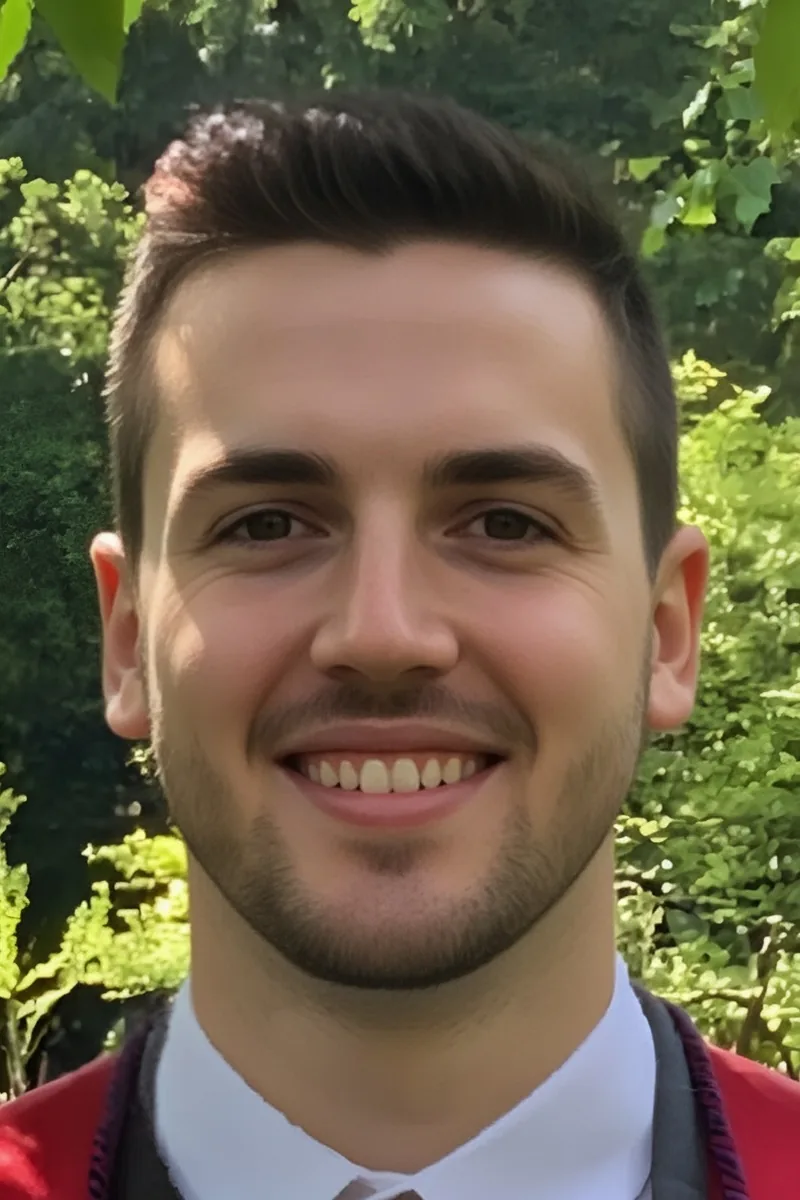
AP Physics C: E&M is where calculus meets abstract field theory, and most students struggle not with the math itself but with visualizing what's happening inside capacitors, inductors, and current-carrying loops. Aleksandar pairs his UPenn physics coursework with a structured problem-solving method — breaking each scenario into a diagram, an equation selection, and a calculus setup — that turns intimidating free-response questions into repeatable steps.
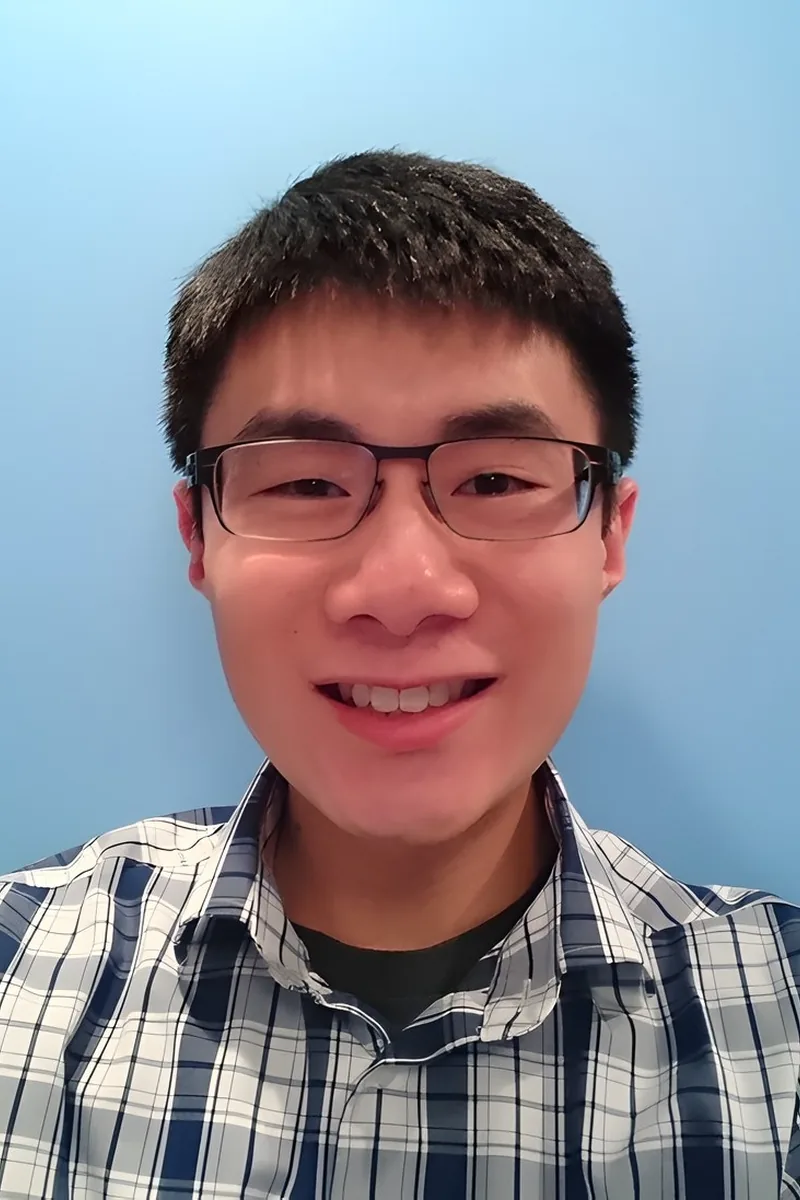
Gauss's law, Ampère's law, Faraday's law — AP Physics C: E&M throws vector calculus at students who are still getting comfortable with electric fields and circuits. Will breaks each law down to its physical meaning first, then layers in the integral formulations so students understand what they're computing and why. As a current Rice physics student, he's recently worked through this exact material at the college level.
Gauss's law, Ampère's law, Faraday's law — AP Physics C: E&M asks students to wield vector calculus in the service of invisible fields, which is a genuinely difficult conceptual shift. Spencer's biomedical engineering studies require exactly this skill set, since electromagnetic principles drive technologies like MRI and neural signal processing. He unpacks each law with clear diagrams and step-by-step integral setups so the math reinforces the physics instead of obscuring it.
Gauss's law, Ampère's law, Faraday's law — AP Physics C: E&M asks students to choose the right tool for each field configuration and then execute the calculus cleanly. Sophia breaks each problem into two phases: identifying the symmetry that dictates the approach, then setting up and evaluating the integral. Her 5.0 rating speaks to how clearly she communicates concepts that most students find abstract.
Gauss's law, Ampère's law, Faraday's law — AP Physics C: E&M throws vector calculus at students who are often still getting comfortable with multivariable thinking. Matthew studies both mathematics and physics at Harvard and has coursework in multivariable calculus, so he can unpack the geometry behind flux integrals and field line arguments in a way that makes Maxwell's equations feel less like magic.
Gauss's law, Ampère's law, Faraday's law — E&M demands comfort with vector calculus that most high schoolers haven't fully developed yet. Sanjana's applied math training at Harvard means she can teach the calculus and the physics simultaneously, connecting flux integrals and field equations to physical intuition rather than leaving students to wrestle with two subjects at once.
Gauss's Law, Ampère's Law, Faraday's Law — E&M asks students to think in three dimensions about invisible fields, which is a genuinely different skill from anything in Mechanics. Lila tackles this by grounding each law in a concrete setup (a charged sphere, a solenoid, a changing flux through a loop) before generalizing, so the vector calculus feels like a tool rather than an obstacle.
AP Physics C: E&M is where calculus and physics collide — Gauss's law, Ampère's law, and Faraday's law all require setting up and solving integrals that many students haven't encountered in their math classes yet. Raphael's combined strength in calculus and physics, built through his Cornell science curriculum, means he can teach both the mathematical machinery and the physical intuition behind electromagnetic fields and circuits. Rated 5.0 by students.
Gauss's law, Ampère's law, Faraday's law — AP Physics C: E&M asks students to wield vector calculus inside electromagnetic theory, which is a steep jump from most prior coursework. Steven approaches each topic by first explaining the physical picture, then showing the mathematical framework, then working through a practical example that ties both together. His PhD in chemical engineering required deep work with electromagnetic principles and multivariable calculus alike.
Gauss's law, Ampère's law, Faraday's law — E&M asks students to visualize invisible fields and then describe them with surface and line integrals. Bryan breaks each problem into two stages: building geometric intuition about what the field looks like, then choosing the right mathematical tool to exploit symmetry. His physics degree and 5.0 student rating back up that structured approach.
AP Physics C: E&M is where calculus and physics collide — Gauss's law integrals, Faraday's law, RC circuits, and Maxwell's equations all demand fluency in both. As a mechanical engineering student at Purdue, Austin uses these concepts daily and can unpack the vector calculus behind electromagnetic fields in a way that makes the math feel purposeful. Rated 4.9 by students.
AP Physics C: E&M is where most students first encounter vector calculus applied to real physical systems — Gauss's law in integral form, Ampère's law with displacement current, Faraday's law across non-trivial geometries. Burhanuddin's coursework at Georgia Tech goes deep into these topics daily, and he breaks down the connection between the math and the physics so that problems involving capacitors, inductors, and RC/RL circuits stop feeling like guesswork.
Testimonials
Because the right AP Physics C: Electricity and Magnetism tutor makes all the difference.
Average Session Rating – Based on 3.4M Learner Ratings
Practice AP Physics C: Electricity and Magnetism
Free practice tests, flashcards, and AI tutoring for AP Physics C: Electricity and Magnetism
Nearby AP Physics C: Electricity and Magnetism Tutors
Other Chula Vista Tutors
Related Science Tutors in Chula Vista
Frequently Asked Questions
Varsity Tutors matches Chula Vista students with expert AP Physics C: Electricity and Magnetism tutors for 1-on-1 instruction. We pair each student with a tutor based on their specific needs, learning style, and goals.
Whether you need homework help, exam prep, or want to get ahead, our AP Physics C: Electricity and Magnetism tutors are ready to help.
Common challenges include gaps from earlier material, difficulty with specific concepts, and trouble applying learning to new problems. These issues can snowball quickly in AP Physics C: Electricity and Magnetism.
A tutor identifies where you're stuck, fills in gaps, and provides targeted practice. The 1-on-1 format means you get help exactly where you need it.
Tutors work with your student's actual coursework—homework assignments, class notes, and upcoming tests. This keeps tutoring directly relevant to what's happening in the classroom.
When you share information about your student's school and curriculum, we can match you with a tutor who has relevant experience.
All tutors complete background checks, credential verification, and teaching evaluation. Many of our AP Physics C: Electricity and Magnetism tutors hold advanced degrees or have years of teaching experience.
You can review tutor profiles to find someone with the right background for your student's level and needs.
Many students see improved grades within a few weeks, along with better understanding of AP Physics C: Electricity and Magnetism concepts and more confidence tackling challenging material.
Tutors track progress and adjust their approach to ensure continued improvement.
Most students benefit from 1-2 sessions per week. More frequent sessions help if your student is significantly behind or has an important exam coming up.
Your tutor can recommend a schedule based on your student's specific situation and goals.
Tutoring is purchased in packages of hours, with rates varying by tutor experience. Varsity Tutors offers several options to fit different budgets and needs.
You can discuss pricing during your consultation to find what works best.
Your tutor will assess where your student is, discuss goals, and start working on priority areas. Most students bring current homework or upcoming test material to focus on.
By the end, you'll have a clear sense of how the tutor can help and a plan for moving forward.
Let’s find your perfect tutor
Answer a few quick questions. We’ll recommend the right plan and match you with a top 5% tutor.