Award-Winning Biochemistry Tutors
serving Little Rock, AR
Biochemistry
Tutors in Little Rock
Private 1-on-1 tutoring, weekly live classes for academic support, test prep & enrichment, practice tests and diagnostics, and more to elevate grades and test scores.
Based on 3.4M Learner Ratings
UniversitiesSchools & Universities
DeliveredHours Delivered
ProficiencyGrowth in Proficiency
Who needs tutoring?
No obligation. Takes ~1 minute.
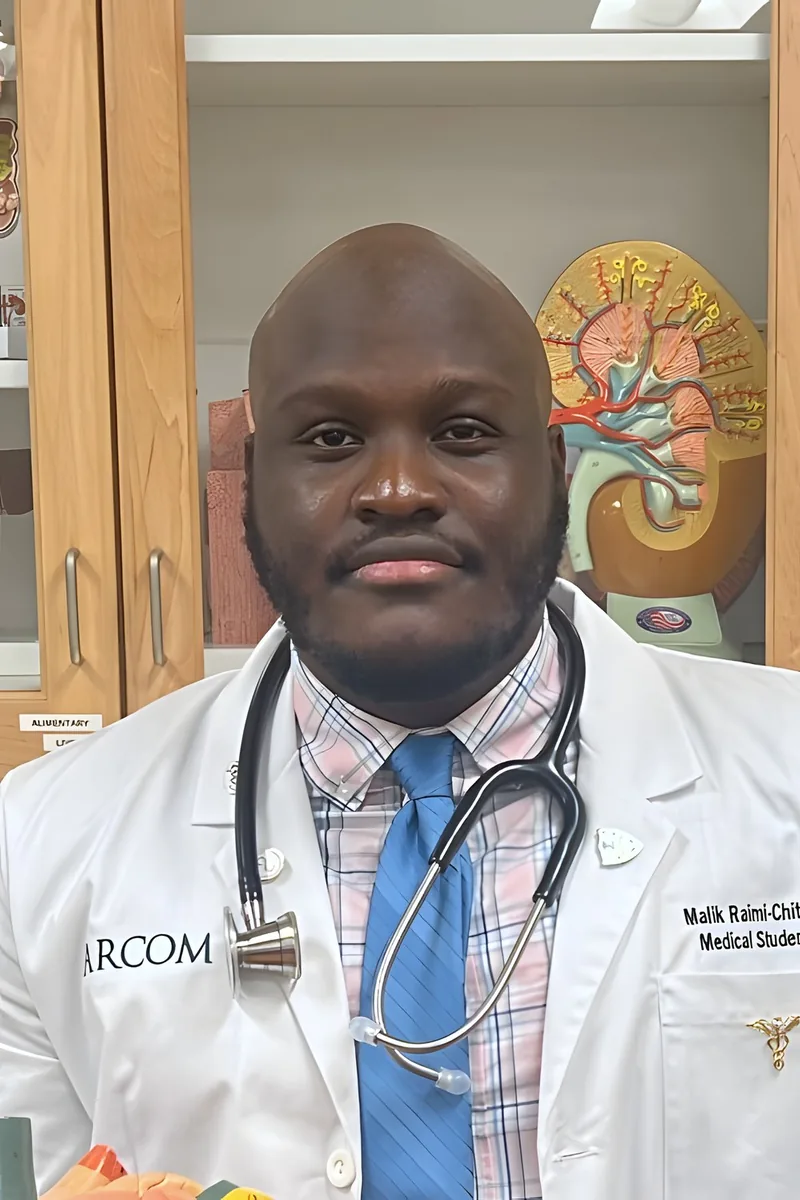
As a second-year medical student with a strong foundation in science and a passion for education, I specialize in making tough subjects easier to understand. I excel in math, biology, physics, and other challenging topics that often intimidate students and I genuinely enjoy helping others master them. My approach combines patience, clarity, and high-level understanding to break down complex ideas into manageable, confidence-boosting lessons. Whether it's reviewing homework or prepping for exams, I'm here to support and motivate students at any level below mine to reach their full academic potential. My interests include: Weightlifting and fitness training (especially strength and hypertrophy programs) Morning cardio and physical conditioning Studying medicine with a focus on anatomy, physiology, and clinical problem-solving Teaching and tutoring tough academic subjects like math, biology, and physics Watching anime as a way to relax and recharge (especially after a long day) Cooking (with a focus on high-protein, keto/carnivore meals)
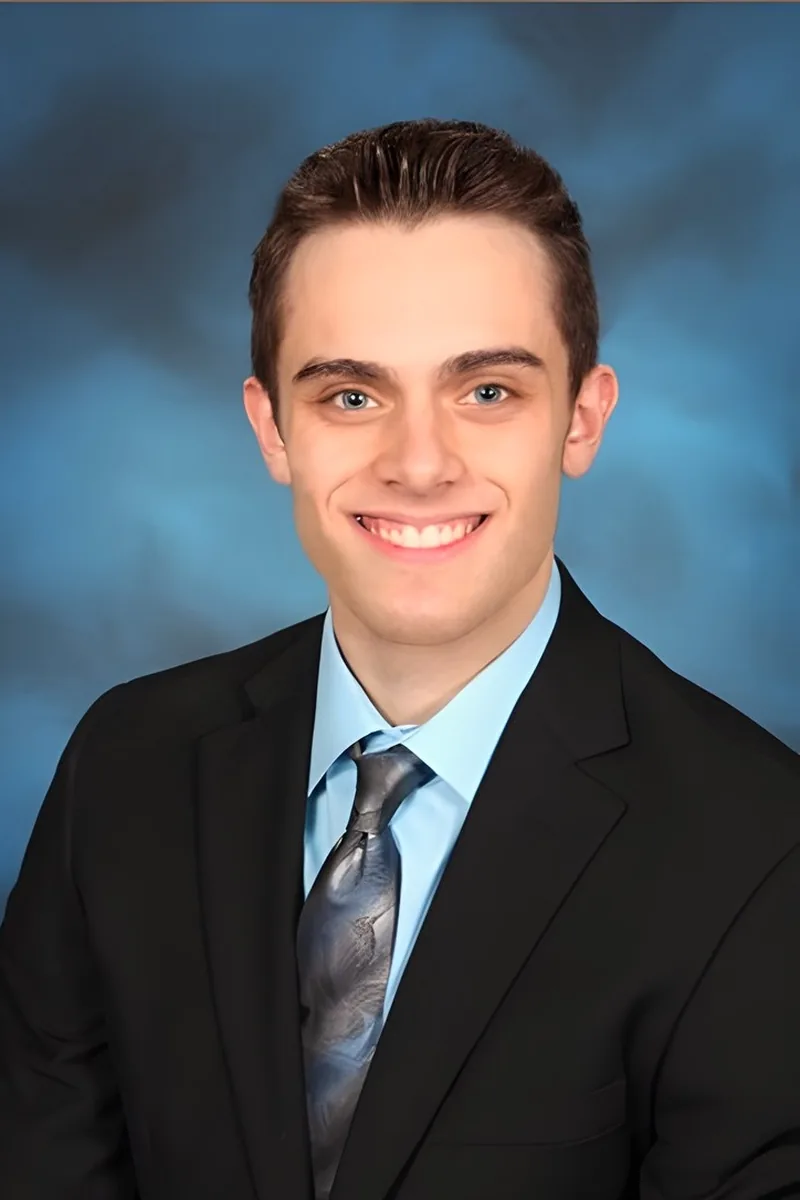
Amino acid structures, enzyme kinetics, metabolic pathways — biochemistry demands that students hold molecular details and big-picture logic in their heads at the same time. Paul's biology honors work at Brown required exactly this kind of thinking, and he walks students through reaction mechanisms and pathway regulation with a clarity that makes the material stick.
Enzyme kinetics, metabolic pathways, and protein structure sit right at the intersection of Aimee's two degrees — chemical engineering and biosystems engineering. She unpacks topics like Michaelis-Menten kinetics and amino acid chemistry by tying them to the biomedical research context she works in at Georgia Tech, making dense material feel purposeful.
Earning a BS in Biochemistry from Boston College and then completing a PhD in molecular biology means Monika has spent years immersed in enzyme kinetics, metabolic pathways, and protein structure-function relationships. She tackles tough topics like the citric acid cycle and Michaelis-Menten kinetics by connecting each reaction to its biological purpose, turning rote memorization into logical storytelling.
Physical chemistry PhD work at UC Berkeley means Jacob spent years quantifying the thermodynamic and kinetic principles that govern every biochemical process — from enzyme catalysis rates to the free energy changes driving metabolic pathways forward. He teaches biochemistry by unpacking the physical chemistry underneath it, so concepts like Michaelis-Menten kinetics or the energetics of oxidative phosphorylation feel like derivable logic rather than formulas to memorize. Rated 4.9 by students.
Medical school required Thomas to internalize biochemistry at a level most undergrads never reach — enzyme kinetics, metabolic regulation, amino acid chemistry, and the signaling cascades that tie them together. He breaks down dense pathways like glycolysis and the citric acid cycle into logical sequences so students can reason through problems instead of relying on rote memorization. Rated 5.0 by students.
Marc earned his bachelor's in biochemistry before entering an MD/PhD program, so enzyme kinetics, metabolic pathways, and protein structure aren't abstract topics for him — they're daily tools. He breaks down dense material like the citric acid cycle or amino acid chemistry into logical sequences that stick without brute-force memorization.
Matt's graduate work in human nutrition required him to trace every major metabolic pathway from the molecular level up — how macronutrients get broken down, shuttled through the citric acid cycle, and ultimately converted to usable energy. That nutritional biochemistry lens means he teaches topics like lipid metabolism and amino acid catabolism with a constant eye on physiological context, making reaction sequences feel purposeful rather than arbitrary. Holds a 5.0 rating.
Mitchell's neuroscience degree means he learned biochemistry through the brain's lens — tracing how neurotransmitter precursors feed into synthesis pathways, how ATP production keeps neurons firing, and how lipid biochemistry shapes every membrane in the nervous system. That background lets him teach topics like oxidative phosphorylation and amino acid metabolism by connecting each reaction to the cellular machinery that depends on it.
Studying cognitive science on a pre-med track at Rice means Natalie lives in the overlap between biology and chemistry every semester — enzyme kinetics, metabolic pathways, and protein structure are part of her daily coursework. She unpacks biochemistry by anchoring molecular details to the bigger biological question they answer, which makes dense material like the citric acid cycle far more digestible.
David's neuroscience training at Yale meant wrestling with biochemistry from the nervous system's perspective — neurotransmitter synthesis, ion channel biophysics, and the metabolic demands that make the brain consume a disproportionate share of the body's glucose. Now pursuing a graduate degree in bioethics, he brings that mechanistic grounding to topics like amino acid chemistry and membrane transport, connecting each reaction to the biological system it supports. Holds a 5.0 rating.
Northwestern's neuroscience program required Amira to internalize biochemistry from the pre-med side — amino acid properties, metabolic pathway regulation, and the molecular signaling that bridges chemistry and biology. She breaks down dense topics like enzyme kinetics and oxidative metabolism by linking each mechanism back to the physiological system it serves, turning abstract reaction chains into something students can reason through rather than memorize.
Enzyme kinetics, metabolic pathways, protein structure — biochemistry asks students to think in three dimensions and across multiple reaction steps simultaneously. Kimanthi's biomedical engineering degree and graduate work in biomedical sciences gave her daily exposure to these concepts in both classroom and lab settings. She breaks down mechanisms like glycolysis and oxidative phosphorylation into logical sequences rather than memorization marathons.
Testimonials
Because the right Biochemistry tutor makes all the difference.
Average Session Rating – Based on 3.4M Learner Ratings
Practice Biochemistry
Free practice tests, flashcards, and AI tutoring for Biochemistry
Nearby Biochemistry Tutors
Other Little Rock Tutors
Related Science Tutors in Little Rock
Frequently Asked Questions
Biochemistry courses usually cover protein structure and function, enzyme kinetics, metabolic pathways (like glycolysis and the citric acid cycle), DNA/RNA synthesis, and cellular energy production. Many courses also include lipid metabolism, photosynthesis, and signal transduction. A tutor can help you understand how these topics interconnect and apply to real biological systems, rather than treating them as isolated concepts.
Many students struggle with visualizing 3D molecular structures and reaction mechanisms. Tutors can use molecular modeling software, draw reaction pathways step-by-step, and connect abstract concepts to tangible examples—like explaining how enzyme active sites work by comparing them to a lock-and-key mechanism. Breaking down complex reactions into smaller, digestible pieces helps your brain build a mental framework rather than memorizing isolated facts.
Understanding is far more valuable than memorization in Biochemistry. While you'll learn key pathways and structures, exams and real applications test your ability to explain *why* reactions occur and *how* to predict outcomes. A tutor can help you move beyond rote memorization by teaching you the underlying principles—like how enzyme structure determines function—so you can apply that knowledge to new problems you haven't seen before.
Students often struggle with balancing complex biochemical equations, understanding metabolic pathway regulation, and connecting molecular-level concepts to whole-organism physiology. Many also find it difficult to visualize how proteins fold or how enzymes catalyze reactions. Additionally, the sheer volume of interconnected pathways can feel overwhelming without a clear organizational system. Personalized tutoring helps you develop strategies to tackle these challenges systematically.
Yes. Tutors can help you understand the scientific reasoning behind lab protocols, interpret experimental results, and connect lab observations to theoretical concepts. Whether you're learning spectrophotometry, chromatography, or enzyme assays, a tutor can explain the underlying principles so you grasp *why* you're performing each step, not just how to follow instructions. This deeper understanding makes lab reports and exam questions much more manageable.
During your first session, a tutor will assess your current understanding, identify specific areas where you're struggling, and learn your learning style. You might work through a practice problem together, discuss challenging concepts, or review course material. This helps the tutor create a personalized plan tailored to your goals—whether that's improving exam scores, mastering a specific pathway, or building stronger foundational knowledge for future science courses.
Look for tutors with strong backgrounds in biochemistry, chemistry, or biology—ideally with experience teaching or tutoring the subject. Many expert tutors have advanced degrees or professional experience in fields like medicine, research, or pharmaceutical science. Varsity Tutors connects you with tutors who not only understand the content deeply but can also explain complex concepts in ways that make sense to you.
Many students see noticeable improvement within 3-4 sessions, especially if they're working on specific problem areas or preparing for an exam. However, building a strong conceptual foundation in Biochemistry—where everything connects—usually takes longer and benefits from consistent, ongoing support. The timeline depends on your starting point, course pace, and how actively you apply what you learn between sessions.
Let’s find your perfect tutor
Answer a few quick questions. We’ll recommend the right plan and match you with a top 5% tutor.