Award-Winning AP Computer Science Principles Tutors
serving Milwaukee, WI
AP Computer Science Principles
Tutors in Milwaukee
Private 1-on-1 tutoring, weekly live classes for academic support, test prep & enrichment, practice tests and diagnostics, and more to elevate grades and test scores.
Based on 3.4M Learner Ratings
UniversitiesSchools & Universities
DeliveredHours Delivered
ProficiencyGrowth in Proficiency
Who needs tutoring?
No obligation. Takes ~1 minute.
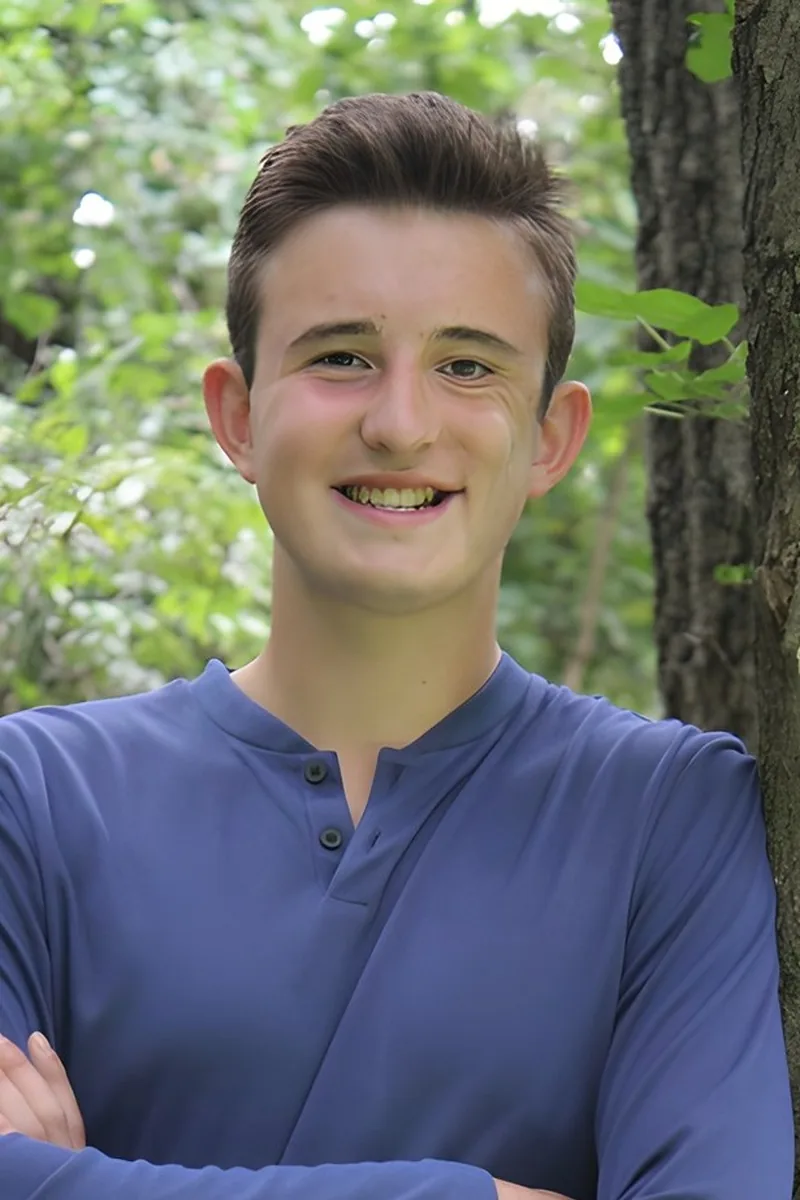
AP CSP's exam leans heavily on interpreting how data moves through systems — something Josh's actuarial science training makes second nature, since that field runs on modeling risk with algorithms and large datasets. He tackles the Big Idea questions around data representation and algorithmic efficiency by grounding them in the quantitative reasoning he uses daily, which makes pseudocode traces and multiple-choice logic problems feel less abstract.
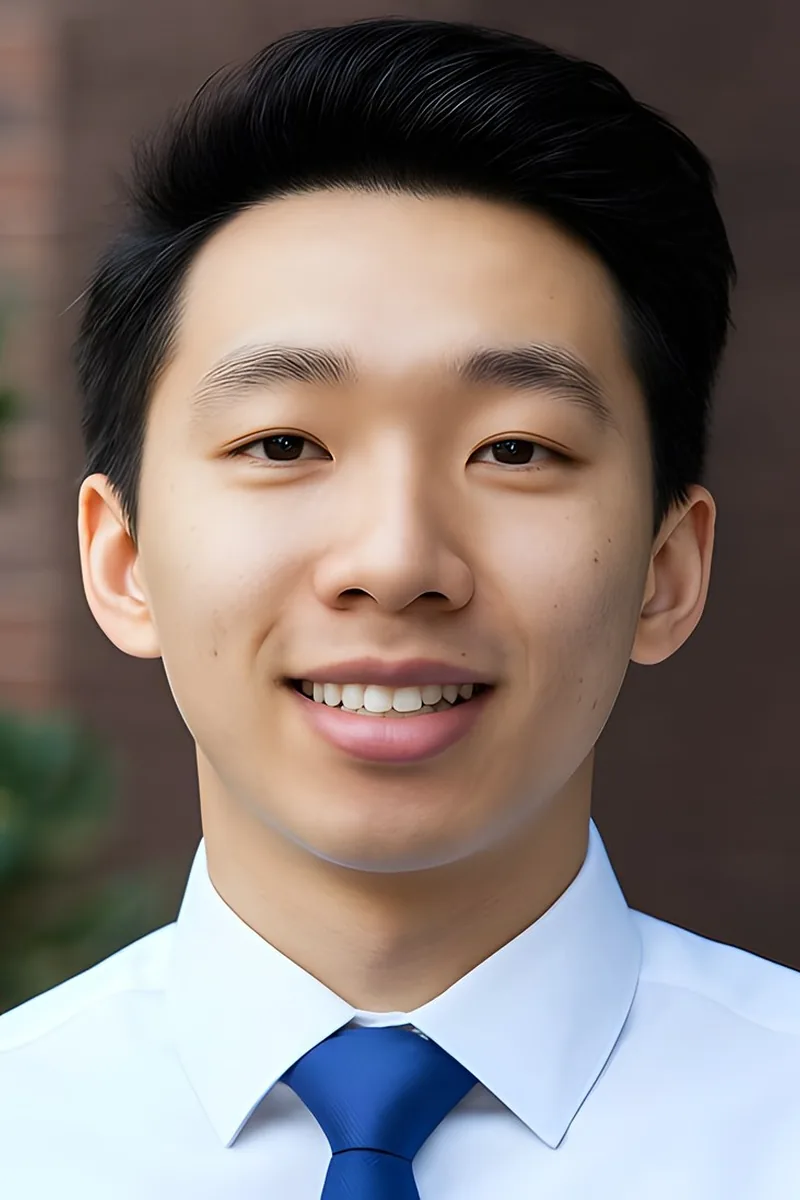
Bryan codes in Java, C++, Python, and JavaScript daily as a CS major at Penn, which means the programming and algorithm design portions of AP CSP come naturally — but he's equally sharp on the conceptual side, like explaining how data travels across the internet or why abstraction matters in system design. He scored a 35 ACT and holds a 5.0 tutoring rating, and he's particularly effective at coaching students through the written response component of the Create Task, where clear technical communication counts as much as the code itself.
Daniel's electrical engineering coursework at Vanderbilt means he writes actual code in Java and works with hardware-software interfaces daily — background that makes the pseudocode and abstraction concepts in AP CSP click faster for students. He zeroes in on algorithm design and data representation, breaking down how binary encoding and compression work at the circuit level so the logic sticks. His 36 ACT composite speaks to the kind of structured, analytical thinking he brings to Create Task coaching and exam prep.
Daniel writes production software for a living and is pursuing a PhD in Computer Science, which means he can show students exactly how concepts like abstraction, algorithms, and data representation play out in real codebases — not just on slides. He's particularly effective at coaching the Create Task, walking students through project planning and the written responses that separate a 3 from a 5. Rated 5.0 by students.
Irene's PhD in Mathematics and Computer Science means she understands the computational thinking that underpins AP CSP — not just the vocabulary, but the discrete math and logic behind how algorithms work and why abstraction matters. She unpacks pseudocode problems by connecting them to the mathematical structures students rarely see in a survey course, which makes exam questions feel less like guesswork.
Studying both neuroscience and computer science at Duke means Ankit lives at the intersection AP CSP actually tests — how computing shapes real-world systems, from brain imaging pipelines to cybersecurity ethics. He digs into the algorithmic thinking and data representation questions that trip students up on the multiple-choice section, and coaches the Create Task from initial planning through the written response. Rated 4.8 by students.
Firas's machine learning research at Princeton means he can show students what abstraction, algorithms, and data representation actually look like in practice — not just as AP exam vocabulary but as tools working scientists use daily. He's particularly sharp at teaching the pseudocode reasoning and written response skills the Create Task demands, since his PhD work required translating complex computational ideas into clear, precise language. Rated 5.0 by students.
John's CS degree plus years coding in Java, C++, and SQL means he can ground AP CSP's more abstract units — like how the internet actually moves data or why abstraction matters in program design — in real programming experience. He also brings a finance MBA perspective to the data analysis and societal impact questions, giving students a practical lens that makes exam responses sharper and more specific.
Teaching discrete math at Penn means Keenan spends his weeks translating abstract computational thinking into language undergraduates actually absorb — a skill that maps directly onto AP CSP's pseudocode reasoning and algorithm analysis questions. His philosophy degree also gives him an unusual edge on the exam's societal-impact questions, where students need to construct clear written arguments about data privacy, bias in algorithms, and computing ethics. Rated 5.0 by students.
Giovanni's dual training in mathematics and computer science at Emory means he can teach the algorithmic thinking in AP CSP from both a coding perspective and a pure logic perspective — particularly useful when students hit pseudocode trace problems or need to reason through abstraction layers on the exam. He also brings hands-on experience in Java and Python, which gives him a practical toolkit for coaching students through the Create Task from initial design to final written response. Rated 5.0 by students.
Robotics engineering at WPI means Matthew writes code that has to actually control physical systems — sensors, motors, feedback loops — which gives him a practical lens on AP CSP's units on algorithms, abstraction, and data representation. He teaches the pseudocode reasoning behind exam questions by tying each concept back to how real machines process information. Rated 5.0 by students.
I am a current student at the University of Michigan. I am studying molecular biology in the school of literature, science, and the arts. I will graduate in 2025. I am most passionate about teaching SAT test material, because that was an area that I focused on and improved my own score to reach my goals. I am excited to teach both the english and the math sections. I teach using extensive practice problems and practice tests, because that is what helped me learn best and improve my relevant skills. In my spare time I like to workout, swim at the beach, and surf. I would love to work with you to achieve your goals!
Victoria's CS coursework at Washington University in St. Louis means she can ground AP CSP's abstract Big Ideas — like how abstraction layers simplify complex systems or why algorithms have different efficiencies — in actual programming experience across Java, Python, and C++. That real coding fluency is especially useful when students need to move from pseudocode on the exam to functional code in the Create Task. Rated 5.0 by students.
Testimonials
Because the right AP Computer Science Principles tutor makes all the difference.
Average Session Rating – Based on 3.4M Learner Ratings
Nearby AP Computer Science Principles Tutors
Other Milwaukee Tutors
Related Technology and Coding Tutors in Milwaukee
Frequently Asked Questions
AP Computer Science Principles focuses on computational thinking, programming, algorithms, data representation, the internet, cybersecurity, and global impacts of computing. The course emphasizes both the practical skills of coding and the broader concepts behind how technology works. For students in Milwaukee preparing for the AP exam, understanding these five big ideas—creativity, abstraction, data and information, algorithms, and the internet—is essential for success on both the multiple-choice and performance tasks.
Score improvement depends on your starting point and how consistently you engage with tutoring. Most students who work with a tutor see meaningful gains by focusing on their weakest areas—whether that's understanding algorithms, debugging code, or tackling the Create Performance Task. Realistic expectations are typically 1-2 score points over several months of focused preparation, though some students improve more with intensive practice and targeted feedback on their written responses.
The Create Performance Task is worth 30% of your AP score, making it critical to your overall performance. This task requires you to design and build a program, then document your process and explain your code's functionality. A tutor can help you develop a strong project idea, guide you through the programming process, and ensure your written explanations clearly demonstrate your computational thinking—all key areas the AP graders evaluate.
Many students struggle with translating algorithmic thinking into actual code, understanding how data is represented and transmitted across the internet, and articulating their problem-solving process in the performance tasks. Others find the breadth of the course challenging—it covers programming, networks, cybersecurity, and societal impacts all in one class. Personalized tutoring helps you focus on your specific weak spots and build confidence in explaining complex concepts clearly.
Practice tests are most effective when used strategically throughout your preparation, not just at the end. Start with untimed practice to understand question formats and content gaps, then gradually add time pressure to build pacing skills. After each practice test, review every question you missed—not just the answers, but why you chose wrong and what the correct reasoning was. A tutor can help you analyze patterns in your mistakes and create a targeted study plan based on your results.
Test anxiety often stems from feeling unprepared or unfamiliar with the exam format. Building confidence through repeated exposure to practice questions, understanding exactly what each section asks, and developing a clear test-taking strategy can significantly reduce anxiety. Working with a tutor gives you a chance to practice in a low-stakes environment, get feedback on your approach, and develop mental strategies for staying calm when you encounter a challenging question on exam day.
Look for tutors with strong computer science backgrounds, ideally with experience teaching or tutoring AP Computer Science Principles specifically. They should understand both the technical programming content and the broader computational thinking concepts the AP emphasizes. Varsity Tutors connects you with tutors who have proven expertise in this course and can guide you through both the coding and the performance task components with equal skill.
Your first session is about establishing where you stand and what you need most. Expect to discuss your current understanding of key AP Computer Science Principles topics, review any recent assignments or practice test results, and identify your biggest challenges—whether that's coding syntax, algorithm design, or explaining your thinking clearly. From there, your tutor will create a personalized plan that targets your weak areas while reinforcing your strengths, so you make the most of your preparation time.
Let’s find your perfect tutor
Answer a few quick questions. We’ll recommend the right plan and match you with a top 5% tutor.