Award-Winning Computer Science Tutors
serving Milwaukee, WI
Computer Science
Tutors in Milwaukee
Private 1-on-1 tutoring, weekly live classes for academic support, test prep & enrichment, practice tests and diagnostics, and more to elevate grades and test scores.
Based on 3.4M Learner Ratings
UniversitiesSchools & Universities
DeliveredHours Delivered
ProficiencyGrowth in Proficiency
Who needs tutoring?
No obligation. Takes ~1 minute.
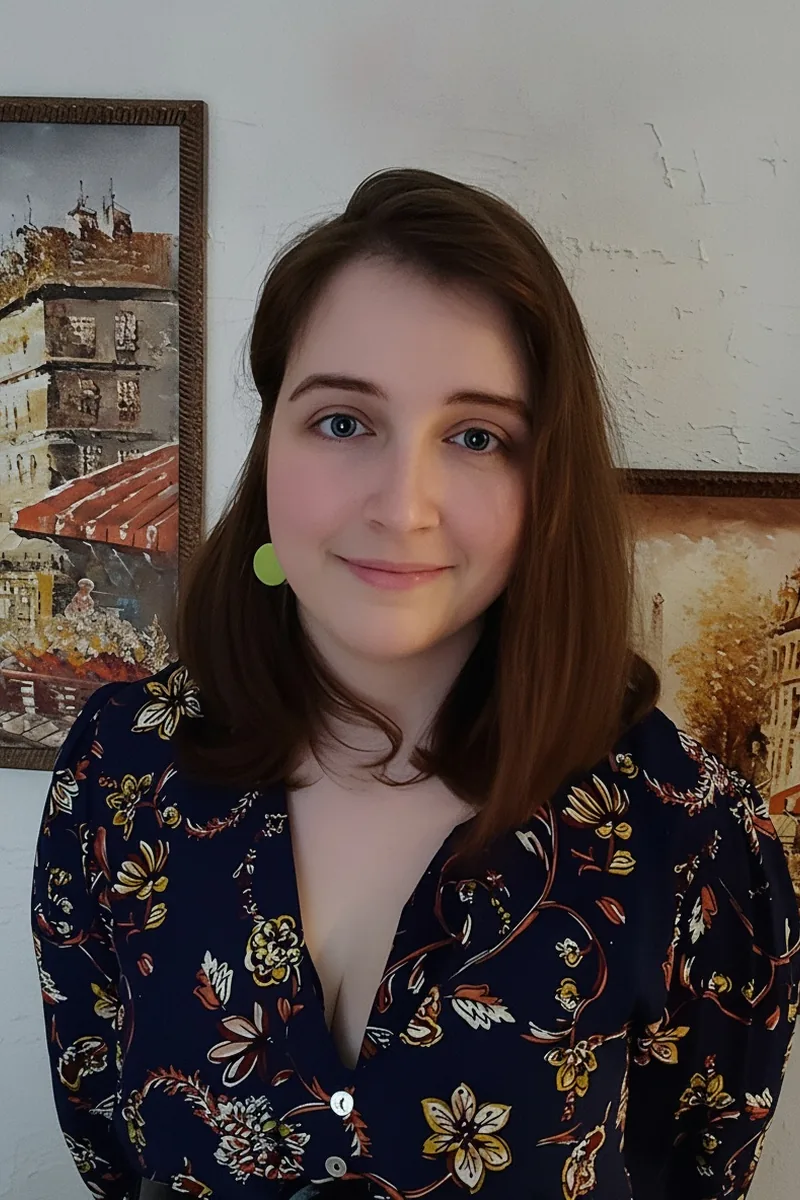
Elizabeth's computer science degree and professional software development career mean she teaches CS concepts the way they're actually used — not just as textbook definitions. Whether it's understanding recursion, tracing through data structures, or reasoning about algorithmic efficiency, she connects abstract ideas to real code she's written on the job.
A math background gives Taylor an edge when teaching computer science, because she treats code the way she treats a proof: every line should have a reason. She digs into core concepts like control flow, data structures, and algorithmic thinking so students can debug logically instead of guessing.
Studying Computer Science alongside Math/Stats at Carleton College, Thomas lives at the intersection of algorithms, data structures, and mathematical reasoning. He digs into topics like recursion, sorting algorithms, and object-oriented design by building understanding from first principles rather than rote code memorization.
From sorting algorithms to recursion to object-oriented architecture, computer science rewards the ability to think in layers of abstraction. Joel is pursuing CS at Cornell alongside physics, which means he approaches programming problems with both mathematical rigor and practical debugging instincts. He's comfortable across Python and Java and adapts to whatever language a student's course requires.
Josh approaches computer science by breaking problems into smaller logical pieces before writing a single line of code. His actuarial and business training sharpened his ability to think algorithmically — translating real-world problems into data structures, loops, and conditional logic. Whether students are debugging their first program or designing a sorting algorithm, he emphasizes understanding *why* code works, not just copying syntax.
From sorting algorithms and Big-O analysis to database design and operating system concepts, computer science covers enormous ground. Wei's career as a systems design engineer and automation technician means he's applied these ideas professionally — not just studied them — which lets him connect theory to tangible examples. He's particularly sharp on the intersection of hardware and software, where many CS tutors have blind spots.
From sorting algorithms and Big-O analysis to data structures like linked lists and binary trees, Rhamy covers the foundational CS concepts that show up in coursework and technical interviews alike. His computer engineering degree at Vanderbilt, paired with experience in multiple languages, lets him explain abstract ideas through concrete code. Rated 5.0 by students.
A computer science degree paired with coursework in theoretical mathematics gives Lance an unusually strong grasp of the abstractions underneath the code — automata theory, algorithm complexity, data structures, and computational logic. He spent multiple semesters as a TA and independent instructor for CS courses, so he's seen firsthand which concepts trip students up and how to reframe them. Whether the topic is graph traversal or NP-completeness, he breaks it into pieces that actually make sense.
From data structures and algorithms to systems-level thinking, computer science covers enormous ground. John earned a BS in Computer Science and codes in Java, C++, and SQL, giving him the range to dig into whatever topic is causing trouble — whether that's recursion, Big-O analysis, or database design.
Alston is pursuing a Computer Science degree at the University of Virginia, which means he's actively working through data structures, algorithms, and object-oriented design — not recalling them from years ago. He breaks down concepts like recursion and sorting algorithms by walking through the logic step by step, letting students trace the code themselves until the pattern clicks.
Earning a computer science minor at Penn meant Cody went deep on data structures, algorithms, and programming logic alongside students in one of the country's top CS programs. His cognitive science major adds an unusual edge: he understands how people learn to think computationally, which makes him effective at explaining recursion, sorting algorithms, or Big-O analysis in ways that actually stick.
Eric treats coding problems the same way he treats logical puzzles — by breaking them apart, finding the pattern, and building a solution step by step. As a CS major at Washington University in St. Louis, he's deep in Java and JavaScript right now, which means he can walk students through everything from writing their first function to structuring a full object-oriented program. His approach emphasizes learning to think through problems algorithmically before jumping to syntax.
Sakibul's graduate work at Rice sits at the intersection of computer science and applied mathematics, which means he tackles programming concepts — loops, recursion, data structures — with the analytical rigor of a mathematician. He breaks down abstract ideas like algorithmic complexity into concrete, step-by-step reasoning that clicks for students encountering CS for the first time.
Studying computer science at Cornell, Eric tackles everything from algorithm analysis and Big-O notation to systems-level concepts like memory management and recursion. He breaks down problems the way a CS student actually encounters them — whiteboarding a solution, tracing through edge cases, then translating logic into clean code. His 5.0 rating speaks to how clearly that approach lands.
From basic programming constructs all the way up to computational analysis and finite automata, Andrew has tutored the full range of computer science topics at both the high school and college level. His CS degree gives him the depth to explain not just how an algorithm works but why its time complexity matters. Rated 5.0 by students.
Software development taught Michael something that textbooks often skip: the discipline of decomposing a massive, ambiguous problem into small, testable pieces — and that's exactly how he teaches computer science. His professional coding experience across languages like Java, Python, Ruby, and C means he can ground abstract topics like object-oriented design or control flow in real working code rather than classroom-only exercises. Rated 4.9 by students.
David is a Computer Science major at UCLA's Engineering School with hands-on industry experience from a software engineering internship at Adobe. He tackles core CS topics — data structures, algorithm analysis, recursion, and computational complexity — by tying abstract ideas back to real implementation decisions. Rated 4.8 by students.
Studying computer science since before college and now pursuing a master's at UMass Amherst, Milo covers the full stack — from data structures and algorithms to systems-level concepts like memory management and concurrency. He spent three years in his university's tutoring center breaking down topics like recursion, sorting complexity, and graph traversal for students at every level.
Testimonials
Because the right Computer Science tutor makes all the difference.
Average Session Rating – Based on 3.4M Learner Ratings
Nearby Computer Science Tutors
Other Milwaukee Tutors
Related Technology and Coding Tutors in Milwaukee
Frequently Asked Questions
During your first session, a tutor will assess your current programming experience, understand your goals (whether that's mastering a specific language, preparing for AP Computer Science, or building projects), and identify areas where you need the most support—like debugging, algorithmic thinking, or data structures. From there, they'll create a personalized plan that matches your learning pace and focuses on hands-on coding practice rather than just theory.
Debugging is one of the most valuable skills a tutor can teach you. Rather than just telling you what's wrong, expert tutors guide you through a systematic problem-solving process—reading error messages carefully, isolating the problem, testing hypotheses, and learning why the error occurred. This approach builds your confidence and makes you a more independent programmer who can tackle unfamiliar errors on your own.
Syntax is the specific rules of a programming language (like how to write a loop in Python vs. Java), while logic is the problem-solving approach behind your code—how you break down a problem, design an algorithm, and structure your solution. Both matter, but many students struggle more with logic and algorithmic thinking. Tutors focus on building your logical reasoning skills first, then help you express those ideas correctly in whatever language you're learning.
Absolutely. Project-based learning is one of the most effective ways to develop Computer Science skills because it forces you to apply multiple concepts together—from basic syntax to debugging to thinking about user experience. Tutors can guide you through building web applications, games, data analysis projects, or whatever aligns with your interests, while teaching you industry-standard practices like code organization and testing.
Data structures (arrays, linked lists, trees, hash tables) are fundamental to writing efficient code and solving complex problems—they're tested heavily on AP Computer Science exams and in technical interviews. Tutors break down these abstract concepts into visual, hands-on explanations and have you implement them from scratch so you truly understand how they work, not just memorize their names.
A tutor can help you explore different areas through small projects and conversations about what excites you. If you're drawn to building websites, you might focus on JavaScript and web frameworks. Interested in analyzing data? Python and statistics become priorities. Want to create games? You might dive into game engines and graphics. Your tutor can tailor instruction to your interests while ensuring you build a strong foundation in core Computer Science concepts that apply everywhere.
AP Computer Science exams test both conceptual understanding and coding ability. Tutors familiar with AP curricula help you master the specific topics covered (like object-oriented programming, algorithms, and data structures for CSA), practice with released exam questions, develop efficient problem-solving strategies for the timed exam, and review your code for common mistakes. With Milwaukee's 20.5:1 student-teacher ratio in many schools, personalized tutoring gives you the focused preparation that classroom instruction alone often can't provide.
Look for tutors with real programming experience—ideally in the languages or areas you're studying—and a track record of helping students master both the 'why' and the 'how' of coding. The best tutors are patient with debugging frustration, can explain concepts multiple ways, and stay current with industry practices. Varsity Tutors connects you with expert tutors who have been vetted for their subject knowledge and teaching ability.
Let’s find your perfect tutor
Answer a few quick questions. We’ll recommend the right plan and match you with a top 5% tutor.