Award-Winning AP Computer Science A Tutors
serving Milwaukee, WI
AP Computer Science A
Tutors in Milwaukee
Private 1-on-1 tutoring, weekly live classes for academic support, test prep & enrichment, practice tests and diagnostics, and more to elevate grades and test scores.
Based on 3.4M Learner Ratings
UniversitiesSchools & Universities
DeliveredHours Delivered
ProficiencyGrowth in Proficiency
Who needs tutoring?
No obligation. Takes ~1 minute.
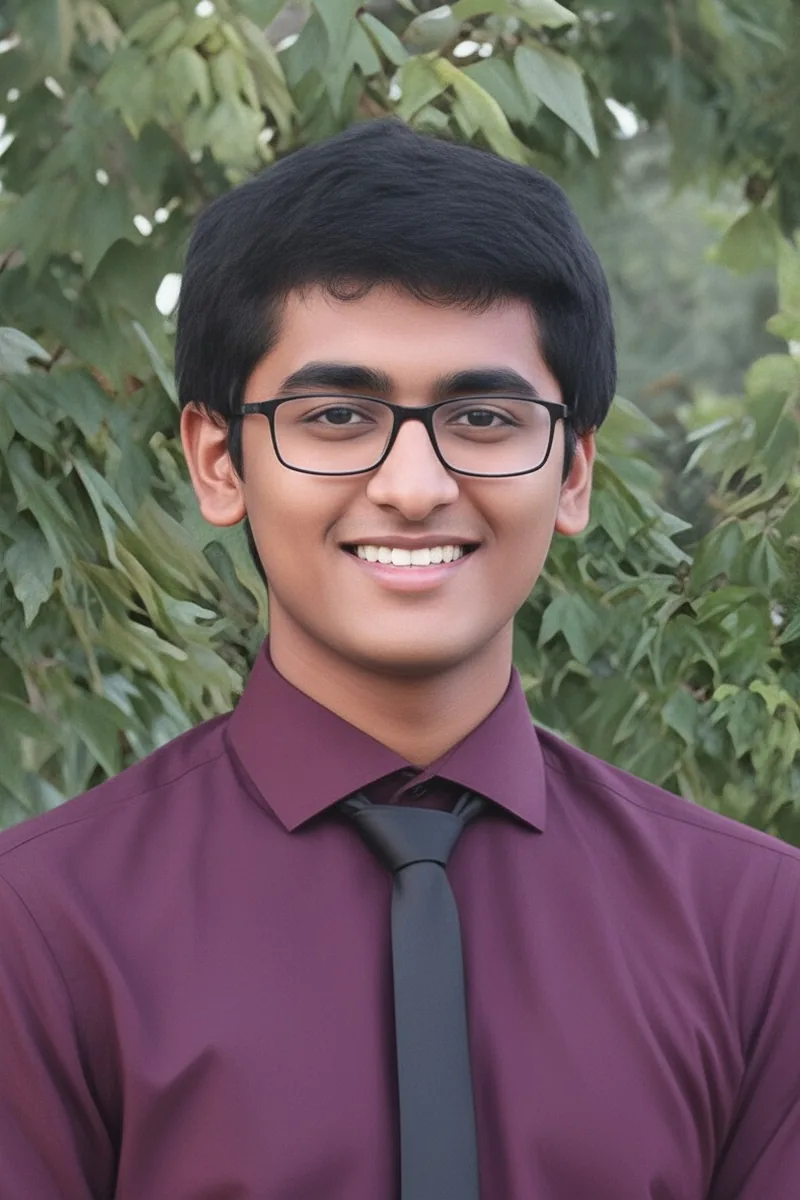
Computer engineering at Georgia Tech means Yash writes Java alongside hardware description languages and low-level C, so he understands what's actually happening when AP CSA asks about object references, memory, and how data moves through a program. He uses that deeper-than-the-exam knowledge to make topics like inheritance and recursive method tracing click on the first pass, not the fifth. Holds a 5.0 rating from students.

Studying computer science at Cornell means Mohammed lives in Java — it's the language his program uses to teach data structures, algorithms, and the object-oriented thinking that AP CSA tests on every free-response question. He breaks down topics like array manipulation and recursive tracing by showing students how to read code the way he learned to: line by line, predicting exactly what happens at each step before running anything.
Fresh out of Duke's CS program and heading into a PhD at Michigan, Michelle writes Java the way the AP CSA exam expects — with careful attention to how classes interact, how recursion unwinds, and how data structures behave under the hood. She pairs that technical depth with a sociology-trained instinct for clear communication, breaking down abstract concepts like polymorphism and encapsulation into language that actually sticks. Rated 5.0 by students.
Double-majoring in physics and computer science at Stony Brook means Kiran writes Java and C++ not just for coursework but for computational physics problems — simulations, data analysis, algorithm design — where sloppy code means wrong answers, not just compiler errors. That habit of precision carries directly into AP CSA, where he teaches students to think carefully about how objects interact and why a method behaves differently than expected before rewriting a single line.
Between earning a 5 on the AP Computer Science exam and teaching recitation sections at Georgia Tech's College of Computing, Satvik knows AP CS A from both sides of the classroom. He digs into the topics that sink most students on the exam — recursive tracing, sorting algorithm analysis, and 2D array traversal — and builds the problem-solving instincts the free-response section demands.
A perfect 5 on the AP Computer Science exam backs up William's ability to teach Java fundamentals — from array manipulation and recursion to object-oriented class design. He breaks down each free-response question type so students know exactly how to structure their logic and earn full credit on exam day.
Four years of tutoring and a computer science major at Boston University mean Irene is actively immersed in Java — writing it for her own coursework while teaching it to others, which keeps her tuned into exactly where AP CSA students get tripped up on concepts like loop logic and object interaction. She's especially sharp at catching the small misunderstandings in how students trace through code, the kind that lead to wrong answers on free-response questions without anyone realizing why. Rated 4.8 by students.
The AP Computer Science A exam lives and dies on object-oriented Java: inheritance hierarchies, array and ArrayList manipulation, and recursive methods that students need to trace by hand under time pressure. Ryan teaches these concepts in Java daily as part of his Cornell CS program, so he knows exactly where the common logic errors hide. He unpacks each free-response question type so students see the scoring pattern, not just the answer.
Rishik's CS degree and hands-on experience across Java, C++, Python, and SQL means he doesn't just know one language — he understands the programming logic underneath all of them, which makes explaining AP CSA concepts like inheritance, ArrayList behavior, and recursive tracing feel intuitive rather than mechanical. He scored a 1580 SAT, the kind of detail-oriented precision that shows up when he walks through free-response questions line by line.
NYU's five-year CS program has Kevin writing Java from day one — not just toy exercises but full object-oriented projects with real class hierarchies, so AP CSA topics like inheritance, encapsulation, and array manipulation are things he's actively using, not just recalling from a textbook. He's the kind of tutor who over-explains on purpose, walking through every step of a recursive trace or loop iteration until the logic is genuinely clear rather than just plausible. Rated 4.8 by students.
Object-oriented programming clicks faster when someone can explain why you'd actually use inheritance or polymorphism in a real project. Adel's Java experience and engineering mindset make him effective at breaking down AP Computer Science A topics like recursion, array manipulation, and class design into logical steps that mirror how working programmers think.
Having built machine learning systems as a postdoctoral researcher at Princeton, Firas brings a depth of Java knowledge that extends well past the AP Computer Science A syllabus — which means he can explain not just how recursion or polymorphism works, but where these ideas show up in real software. He teaches students to read and trace code like a developer would, breaking down free-response problems into the same structured thinking he uses in his own research. Rated 5.0 by students.
Testimonials
Because the right AP Computer Science A tutor makes all the difference.
Average Session Rating – Based on 3.4M Learner Ratings
Practice AP Computer Science A
Free practice tests, flashcards, and AI tutoring for AP Computer Science A
Nearby AP Computer Science A Tutors
Other Milwaukee Tutors
Related Technology and Coding Tutors in Milwaukee
Frequently Asked Questions
AP Computer Science A focuses on object-oriented programming fundamentals using Java, including variables and data types, control structures, arrays and ArrayLists, object-oriented design, inheritance and polymorphism, and algorithms. The course emphasizes both understanding core programming concepts and writing clean, efficient code. Students typically spend the year building toward the AP exam, which tests these concepts through multiple-choice questions and free-response coding problems.
Score improvement depends on your starting point and how consistently you engage with tutoring, but students often see meaningful gains by focusing on their specific weak areas—whether that's understanding object-oriented principles, debugging code, or tackling free-response questions. Many students jump 1-2 score levels (from a 2 to a 3, or a 3 to a 4) by working through targeted practice with personalized guidance. The key is identifying exactly where you're struggling and building mastery in those areas before test day.
Many students struggle with the jump from basic syntax to object-oriented thinking—understanding how classes, inheritance, and polymorphism work together can feel abstract at first. Free-response questions are another major pain point; students often know the concepts but struggle to write correct, efficient code under time pressure. Debugging and tracing through code logic also trips up students who haven't practiced enough with complex programs. Personalized tutoring helps you work through these conceptual hurdles and build confidence with the exam's question formats.
The exam is split between multiple-choice (40 questions, 90 minutes) and free-response (4 questions, 90 minutes), so pacing is critical. For multiple-choice, read carefully to avoid traps—many wrong answers test whether you understand common mistakes. For free-response, start by outlining your approach before writing code, and always test your logic with sample inputs. Practice full-length exams under timed conditions so you know exactly how fast you need to work and where you tend to lose time. Tutors can help you refine your personal test-taking strategy based on your strengths and weaknesses.
A solid study plan typically spans 3-4 months before the May exam, with consistent weekly practice. Early weeks should focus on mastering individual topics (variables, loops, arrays, classes) through coding exercises and concept reviews. Mid-stage, blend topic review with mixed practice problems and full free-response questions. In the final 4-6 weeks, shift to full-length practice exams, error analysis, and targeted review of your weak areas. Working with a tutor helps you stay on track, adjust pacing as needed, and make sure you're not just practicing—you're actually improving.
Varsity Tutors connects students in Milwaukee with expert tutors who specialize in AP Computer Science A and understand the specific skills the exam tests. When you get matched with a tutor, you'll work together on your exact pain points—whether that's mastering inheritance, improving your free-response coding, or building test-taking confidence. Tutors can tailor their approach to your learning style and help you build a study plan that fits your timeline and goals.
Your first session is about understanding where you are and where you want to go. A tutor will likely assess your current comfort level with core Java concepts, ask about your goals (score target, timeline, specific weak areas), and discuss your learning style. From there, they'll work with you to create a personalized study plan and dive into your first focus area—whether that's reviewing a concept you've struggled with or working through practice problems. This foundation helps make every session after that more effective and targeted.
Test anxiety often stems from feeling unprepared or unsure about how to approach certain question types. Regular tutoring builds genuine confidence by helping you master the material and practice under realistic exam conditions. As you work through full-length practice exams with a tutor, you'll get comfortable with the pacing, format, and types of problems you'll see—which reduces the "unknown" factor significantly. Plus, having a tutor who knows your strengths helps you walk into test day feeling ready rather than panicked.
Let’s find your perfect tutor
Answer a few quick questions. We’ll recommend the right plan and match you with a top 5% tutor.