Award-Winning German Tutors
serving Seattle, WA
German
Tutors in Seattle
Private 1-on-1 tutoring, weekly live classes for academic support, test prep & enrichment, practice tests and diagnostics, and more to elevate grades and test scores.
Based on 3.4M Learner Ratings
UniversitiesSchools & Universities
DeliveredHours Delivered
ProficiencyGrowth in Proficiency
Who needs tutoring?
No obligation. Takes ~1 minute.
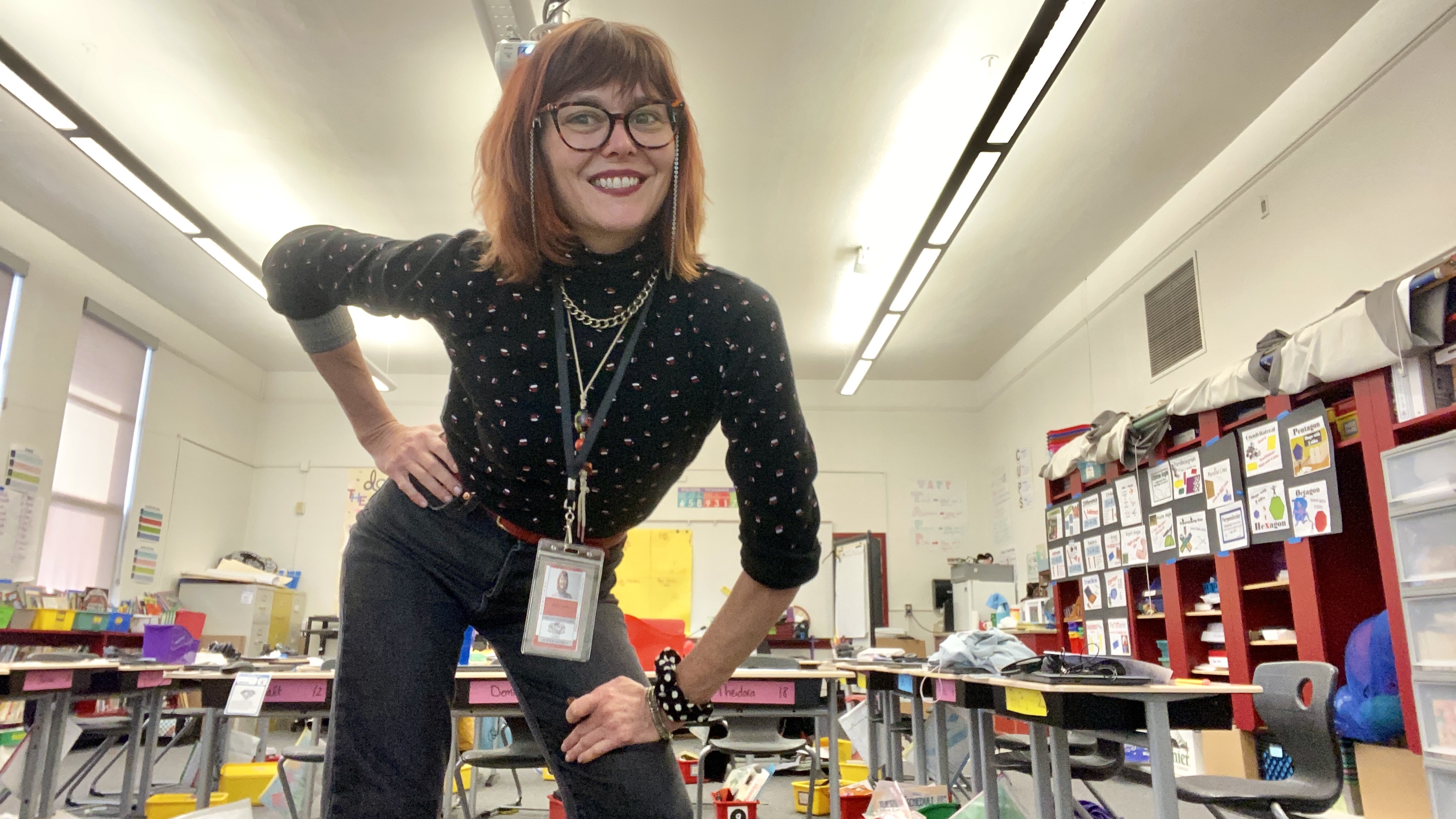
Update: I completed a two-month full-time guest teacher assignment teaching World Languages Spanish to high school students (9th-12th) Spanish 1/2/3. By utilizing a student-centered learning approach, cultural competence, and equitable teaching, I support students with pedagogy rooted in inquiry, hypothesis, information gathering, problem-solving, and action. I encourage all students to adopt an open-minded approach, and provide support to gifted students, students with disabilities, English Language Learners, and Multilanguage Learners with equity. "Not everything that is faced can be changed, but nothing can be changed until it is faced." James Baldwin I am in my second year of grad school, pursuing a dual master's degree in K-8 Elementary Education and K-12 Special Education (Mild to Moderate Disabilities). With my education grad studies and BFA from the Rhode Island School of Design (RISD), I synthesize creativity and best practices in education to find creative ways of supporting learners. My pursuit and purpose is to guide with compassion and enthusiasm. I encourage students to take ownership of their learning. By promoting student agency, students empower themselves to achieve in academic, social, emotional, and behavioral development. As an ADHD adult, I enjoy working with ADHD students and adults experiencing anxiety + depression. What is effortful for our neurodivergent brains is also our superpower! In my career, I have lived and worked in NYC as an editorial photographer, actor, and dancer. I lived in Berlin and pursued performance art + music while honing my communications skills in digital art + copywriting in Marketing. In Los Angeles, I succeeded as a commercial and theatrical actor. My skill set is suited for collaboration with all students to support and develop their passion for learning, exploration, and critical thinking. I live in southeastern Washington State and teach in northeastern Oregon and southeastern Washington State public school districts. I support students in the following subjects: Elementary School Reading Elementary School Math AP English High School English Middle School English Middle School Math Digital Media & Graphic Design Fine Arts & Filmmaking Creative Writing Study Skills & Organization German 1/2 Spanish 1/2/3 Spanish Language Arts English Language Learners English Language Development Algebra 1/2 Special Education (all subjects) High School Math "We all have ability. The difference is how we use it." Stevie Wonder Thank you for reading! Ms. Anna C.
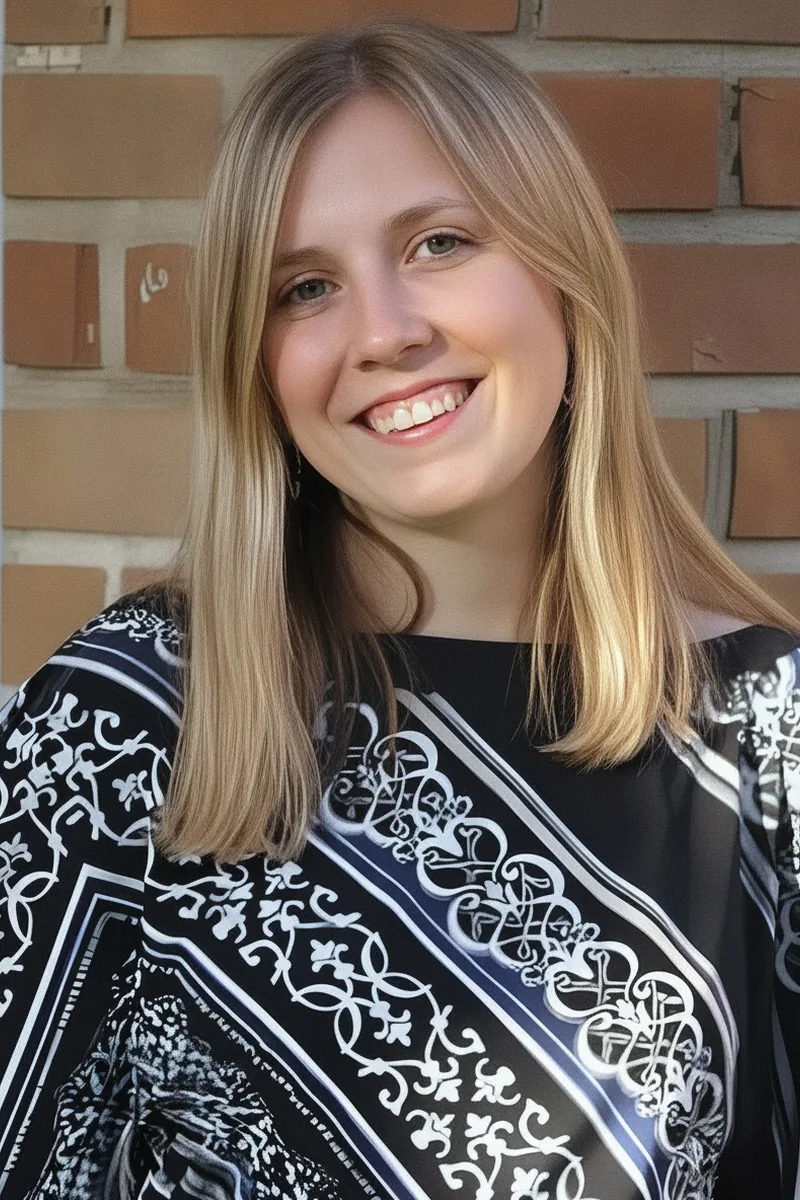
German isn't Lesleigh's core subject, but her graduate training in classical and modern languages gives her a strong grasp of how Germanic grammar systems work — case endings, word order, and verb placement that trip up English speakers. She approaches German the way she approaches Latin: by teaching students to recognize structural patterns rather than memorize phrase lists.
Learning German means wrestling with case endings, separable verbs, and a word-order system that feels alien to English speakers. John breaks these structures down systematically, connecting grammar rules to patterns students can actually internalize rather than just memorize from a chart. His experience across every level of German coursework means he can adjust complexity on the fly.
Between her Northwestern coursework and studies in German-language opera repertoire — from Mozart to Strauss — Ilana developed a working fluency that goes beyond classroom German. She tackles tricky grammar concepts like case endings and separable verbs by connecting them to patterns students already recognize, making the logic of German sentence structure feel less foreign. Rated 5.0 by students.
Learning German grammar means wrestling with cases, gendered nouns, and a sentence structure that puts verbs in unexpected places — all of which feel overwhelming without a clear system. Nivedina teaches the underlying patterns so that accusative versus dative stops being a guessing game and starts being predictable. Her analytical mindset as a scientist turns German's notoriously rigid rules into something students can actually internalize.
Fluent in German and trained as a PhD-level linguist, Niko teaches the language with an ear for how its grammar actually works — case endings, verb placement, subordinate clause structure — instead of treating rules as arbitrary things to memorize. He connects German's logic to patterns students may already recognize, making concepts like the dative case or separable prefixes click faster. Whether the goal is passing German 1 or reading Kafka in the original, he builds real comprehension.
Joshua teaches German across three levels, with particular attention to case systems and verb conjugation patterns that trip up English speakers. His approach connects grammar rules to the underlying logic of the language, drawing on the same analytical rigor he developed studying philosophy.
Having studied German as a full undergraduate major, Thomas brings a depth that goes well beyond tourist-level vocabulary — he digs into case systems, subordinate clause word order, and the grammatical gender patterns that trip up English speakers most. Whether a student is working through Konjunktiv II or learning to decode compound nouns, he connects the rules to how the language actually sounds and reads in practice.
Between German 1 and German 2, Rachel covers everything from noun genders and case endings to more complex structures like subordinate clauses and the Konjunktiv. She teaches grammar as a system with internal logic rather than a pile of exceptions to memorize, which makes each new rule easier to absorb. Her relaxed approach takes the intimidation out of a language that looks harder on paper than it actually is.
German's case system and word order trip up almost every English speaker, but those patterns become predictable once a student understands the underlying logic. Nicole teaches German at multiple levels — from basic noun genders and accusative/dative distinctions through advanced reading and composition — drawing on her formal linguistics training to make the grammar feel like a puzzle rather than a burden. Her 4.9 rating speaks to how well that analytical approach lands with students.
Natalie studied German alongside her English and Film coursework at Cornell, giving her a solid grasp of the language's notoriously tricky case system, separable verbs, and gendered nouns. She approaches German grammar with the same structural thinking she applies to English — breaking down sentence patterns so students understand the logic behind der, die, and das rather than relying on brute memorization.
Grace brings structured thinking and high energy to German lessons, tackling everything from noun genders and case endings to building conversational confidence. While her primary academic focus is American Studies, her experience teaching across multiple subjects means she knows how to break down tricky grammar rules and make vocabulary practice stick.
Learning German means wrestling with case endings, separable verbs, and a sentence structure that puts the verb in places English speakers don't expect. Susie has studied German extensively and teaches grammar as a logical system — once students see the patterns behind accusative versus dative, for instance, the rules stop feeling arbitrary. She pairs structural drills with reading and listening practice to build real fluency.
Testimonials
Because the right German tutor makes all the difference.
Average Session Rating – Based on 3.4M Learner Ratings
Other Seattle Tutors
Related Languages Tutors in Seattle
Frequently Asked Questions
In a typical classroom of 30+ students, you might get just a few minutes of actual speaking time per class. With personalized 1-on-1 instruction, you get dedicated conversation practice every session—a huge advantage for developing fluency and confidence. Tutors can adapt conversations to your level, correct pronunciation in real-time, and help you think through responses naturally rather than relying on memorized phrases.
German verbs change based on person, tense, and mood—and irregular verbs don't follow predictable patterns, which trips up many learners. Rather than memorizing conjugation tables, expert tutors teach you the underlying patterns and have you practice them in real conversations and writing, which helps your brain internalize the rules naturally. Spaced repetition and retrieval practice (testing yourself regularly) are proven ways to lock in verb forms long-term.
Cramming vocabulary lists doesn't work—you need to encounter words in context and use them repeatedly over time. Tutors help you learn vocabulary through conversations, reading, and writing exercises tailored to topics you care about, which makes words more memorable. They can also teach you strategies like grouping related words, understanding word roots, and using spaced repetition to move vocabulary from short-term to long-term memory.
The best approach combines both: understanding grammar rules gives you a framework, but speaking naturally comes from hearing and using the language in real conversations. Tutors balance explicit grammar instruction with conversational practice, so you build solid fundamentals while developing the intuition native speakers have. This blend helps you avoid the trap of being able to explain grammar perfectly but freezing up in actual conversation.
The U.S. Foreign Service Institute estimates roughly 750-900 hours of study to reach professional proficiency in German—typically 1-2 years of consistent, focused learning. The timeline depends on your starting point, how often you study, and the quality of instruction. Personalized tutoring accelerates progress because every minute is tailored to your needs, versus classroom time spent on topics you've already mastered.
Absolutely—language and culture are deeply connected. Understanding German customs, media, and communication styles helps you use language more naturally and appropriately. Many tutors incorporate cultural elements like German films, news, literature, and regional differences into lessons, which makes learning more engaging and gives you context for why certain phrases or expressions are used the way they are.
German pronunciation is more consistent than English—once you learn the rules for vowel sounds, umlauts, and consonants, they apply predictably. The challenge is hearing the differences and training your mouth to make unfamiliar sounds. A tutor can model correct pronunciation, listen to you carefully, and give immediate feedback on specific sounds you struggle with, which is hard to get from apps or self-study.
Varsity Tutors connects you with tutors who understand the German programs taught across Seattle's 9 school districts and can align support with your specific course or proficiency level—whether you're in a high school German class, preparing for AP German, or learning independently. Tutors can help with class assignments, test prep, or building skills beyond what your classroom covers.
Let’s find your perfect tutor
Answer a few quick questions. We’ll recommend the right plan and match you with a top 5% tutor.