Award-Winning AP Environmental Science Tutors
serving Salt Lake City, UT
AP Environmental Science
Tutors in Salt Lake City
Private 1-on-1 tutoring, weekly live classes for academic support, test prep & enrichment, practice tests and diagnostics, and more to elevate grades and test scores.
Based on 3.4M Learner Ratings
UniversitiesSchools & Universities
DeliveredHours Delivered
ProficiencyGrowth in Proficiency
Who needs tutoring?
No obligation. Takes ~1 minute.

Before she ever tutored APES, Jenna was on the other side — she used tutoring herself in high school to push through tough coursework and earned a 31 ACT and full-tuition scholarship along the way. That experience gives her a sharp read on where students get stuck, especially on the policy and legislation units where environmental science intersects with the kind of big-picture cause-and-effect reasoning she sharpened across her humanities and writing coursework. Rated 4.9 by students.
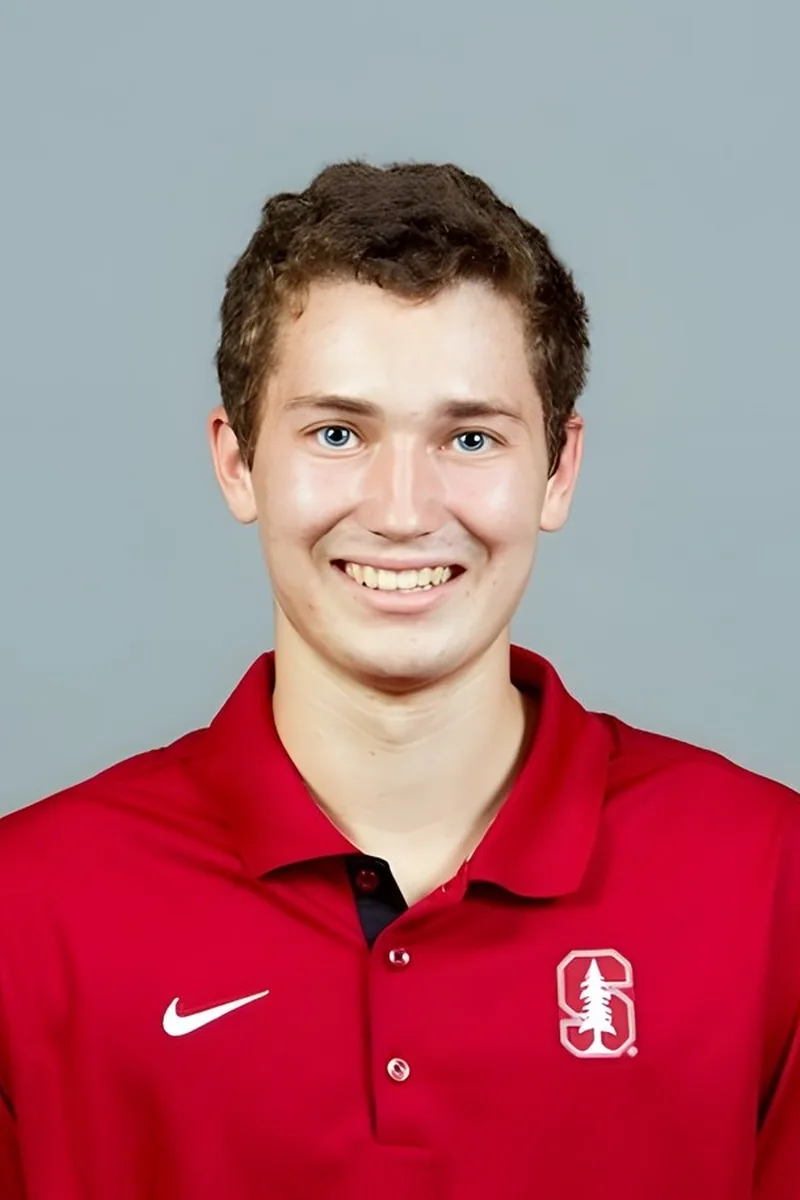
Studying Human Biology at Stanford with a concentration in health policy gives Jake a direct line into the APES units on public health, pollution, and environmental legislation — he understands how ecological disruptions translate into real human consequences, which is exactly the kind of reasoning the free-response section rewards. His 34 ACT and 5.0 tutoring rating back up an approach that emphasizes connecting biological systems to their policy implications rather than treating each unit as isolated material.
Eileen's neuroscience coursework at Vanderbilt — tracing how disruptions propagate through biological systems — gives her a useful lens for APES topics like bioaccumulation, feedback loops in climate systems, and how environmental toxins affect organisms at multiple scales. She scored a 36 on the ACT and brings that same precision to the data-interpretation and calculation questions that catch students off guard on exam day.
Sofia's ecology concentration at the University of Chicago means AP Environmental Science isn't a subject she just studied — it's her field. She unpacks FRQ-heavy topics like biogeochemical cycles, biodiversity loss, and energy resource tradeoffs with the depth of someone who does research in a neurobiology lab and thinks about ecosystems professionally. That firsthand scientific context makes the difference between memorizing vocabulary and actually understanding environmental systems.
Scott earned his Master's in Ecology studying exactly the systems the AP Environmental Science exam tests — biogeochemical cycles, biodiversity loss, population dynamics, and resource management. He breaks down free-response questions by teaching students to connect data interpretation with the underlying ecological principles, which is where most points are won or lost on exam day.
Katie holds a master's in science education and a bachelor's in natural resources and conservation — meaning she didn't just study APES topics like land use, biodiversity, and resource management as exam content; they were her actual field of study. She teaches students to think in cause-and-effect chains across units, connecting deforestation to soil erosion to water quality decline, which is exactly the kind of multi-step reasoning the free-response rubrics reward. Rated 5.0 by students.
Premed coursework in human biology builds an intuitive grasp of the biological systems that APES questions test — nutrient cycling, population growth models, and the health consequences of environmental degradation aren't abstract concepts for Sharan, they're threads running through his own studies at Cornell. He scored a 36 on the ACT, and that same precision with data shows up in how he teaches students to work through the math-based questions on ecological footprints and resource consumption that the exam buries between the conceptual material. Rated 5.0 by students.
Most APES tutors come at the subject from biology or policy — Courage holds a Master's in Environmental Science, meaning he studied climate systems, land degradation, and resource management as his primary discipline, not a sidebar. He digs into the interconnections between Earth systems that the exam's free-response questions demand, teaching students to trace how a single disruption — deforestation, nutrient runoff, atmospheric CO₂ increases — ripples across multiple units.
Neuroscience teaches you to think about interconnected systems — how a single disruption cascades through networks of dependent processes — and Ankit applies that same framework to APES topics like trophic cascades, biogeochemical disruptions, and feedback loops in climate systems. His dual background in neuroscience and computer science at Duke, combined with a perfect 36 ACT, means he's comfortable with both the conceptual modeling and the quantitative problem-solving the exam demands.
Creative writing isn't the obvious path to APES, but Sydney's strength is in the skill most students neglect: constructing clear, evidence-driven free-response answers that earn full credit instead of rambling through half-remembered vocabulary. Her 35 ACT and 1600 SAT reflect the kind of analytical reading ability that translates directly to interpreting experimental designs and data sets on the exam. Rated 4.9 by students.
Brown's public health curriculum digs into the human side of environmental problems — epidemiology, toxicology, resource policy — and Paul pairs that perspective with a biology major's understanding of the ecological systems APES actually tests. He teaches students to connect pollution sources to health outcomes and trace nutrient cycles through ecosystems, building the kind of layered cause-and-effect reasoning that earns full marks on free-response questions. Rated 5.0 by students.
Pharmacy students spend semesters on toxicology, chemical fate in biological systems, and dose-response relationships — concepts Amy applies directly to APES units on pollution, bioaccumulation, and human health impacts. Her biology minor at Northeastern reinforces the ecological side, from nutrient cycling to population dynamics, and a 1550 SAT signals the quantitative precision needed for the exam's calculation-heavy free-response questions. Rated 4.9 by students.
Testimonials
Because the right AP Environmental Science tutor makes all the difference.
Average Session Rating – Based on 3.4M Learner Ratings
Practice AP Environmental Science
Free practice tests, flashcards, and AI tutoring for AP Environmental Science
Nearby AP Environmental Science Tutors
Other Salt Lake City Tutors
Related Science Tutors in Salt Lake City
Frequently Asked Questions
AP Environmental Science covers eight major units: Earth Systems and Resources, The Living World, Population, Earth Systems and Ecology, Land and Water Use, Energy Resources and Consumption, Atmospheric Pollution, and Global Change. The course emphasizes real-world environmental problems and scientific data analysis. Understanding these units and how they interconnect is key to performing well on the exam, which tests both conceptual knowledge and the ability to interpret environmental data.
Score improvement depends on your starting point and study commitment, but students typically see 2-4 point gains (on the 1-5 scale) with focused preparation and personalized instruction. The biggest improvements come from identifying weak units—whether that's struggling with chemistry concepts in atmospheric pollution or data interpretation in ecology—and targeting those areas. Consistent practice with released AP exams and targeted feedback on your reasoning is what drives meaningful progress.
Many students struggle with the chemistry and math components, particularly in the Atmospheric Pollution and Energy Resources units. Others find it difficult to move quickly between conceptual understanding and data interpretation—the exam requires you to analyze graphs, tables, and scenarios under time pressure. Additionally, the breadth of the course means students often have gaps in foundational knowledge from earlier science classes. Personalized tutoring helps identify exactly where your understanding breaks down and fills those gaps systematically.
The exam has 80 multiple-choice questions (80 minutes) and 3 free-response questions (70 minutes). A strong strategy involves spending about a minute per multiple-choice question, which gives you time to read carefully and eliminate wrong answers—rushing leads to careless mistakes. For free-response questions, spend time reading and annotating the prompt before writing, and always show your reasoning even if you're unsure of the exact answer. Practice tests are essential for building pacing confidence and identifying which question types slow you down most.
Varsity Tutors connects you with expert tutors who assess your current understanding, identify weak units or question types, and build a targeted study plan around your specific needs. Rather than reviewing all eight units equally, tutoring focuses on where you're losing points—whether that's chemistry concepts, data analysis skills, or test-taking pacing. Your tutor can also provide feedback on free-response practice answers and help you develop strategies for the types of questions that typically appear on the exam.
Most students benefit from starting preparation 8-12 weeks before the exam, with 5-7 hours of study per week. This includes time with a tutor (typically 1-2 hours weekly), independent practice with released exams and problem sets, and review of weak areas. If you're starting later or have significant gaps, more intensive preparation may help. The key is consistent, focused study rather than cramming—spacing your learning over time helps you retain the breadth of content this course requires.
Practice tests serve two critical purposes: they help you build pacing and stamina for the full 150-minute exam, and they reveal exactly which units and question types are costing you points. Taking full-length, timed practice tests under realistic conditions shows you whether you need to work on speed, accuracy, or conceptual understanding. Your tutor can review your practice test performance to identify patterns—for example, whether you're consistently missing data interpretation questions or struggling with specific units—and adjust your study plan accordingly.
Varsity Tutors connects you with expert tutors in Salt Lake City who specialize in AP Environmental Science and understand the specific demands of the exam. You can share your current level, timeline, and goals, and get matched with a tutor who fits your needs and schedule. Whether you need help with specific units, test-taking strategies, or comprehensive exam preparation, personalized 1-on-1 instruction allows you to work at your own pace and focus on what matters most for your score.
Let’s find your perfect tutor
Answer a few quick questions. We’ll recommend the right plan and match you with a top 5% tutor.