Award-Winning AP English Literature and Composition Tutors
serving Ogden, UT
AP English Literature and Composition
Tutors in Ogden
Private 1-on-1 tutoring, weekly live classes for academic support, test prep & enrichment, practice tests and diagnostics, and more to elevate grades and test scores.
Based on 3.4M Learner Ratings
UniversitiesSchools & Universities
DeliveredHours Delivered
ProficiencyGrowth in Proficiency
Who needs tutoring?
No obligation. Takes ~1 minute.
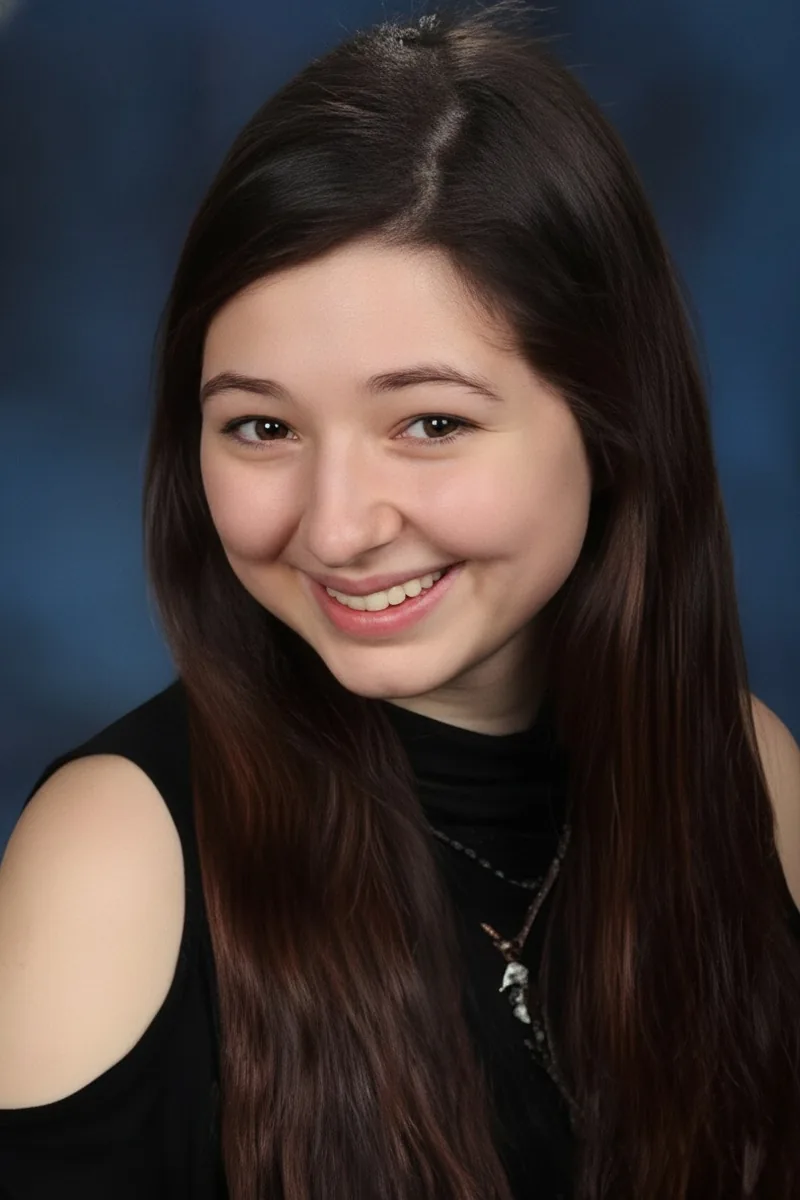
AP English Lit asks students to do something Malina has done thousands of times: take a piece of literature apart and explain how its language creates meaning. Her Yale Classics training in close reading poetry and prose — tracking meter, diction, imagery, and narrative structure — maps directly onto the skills the free-response essays demand. She's particularly strong at teaching students to write thesis-driven analyses under timed conditions.
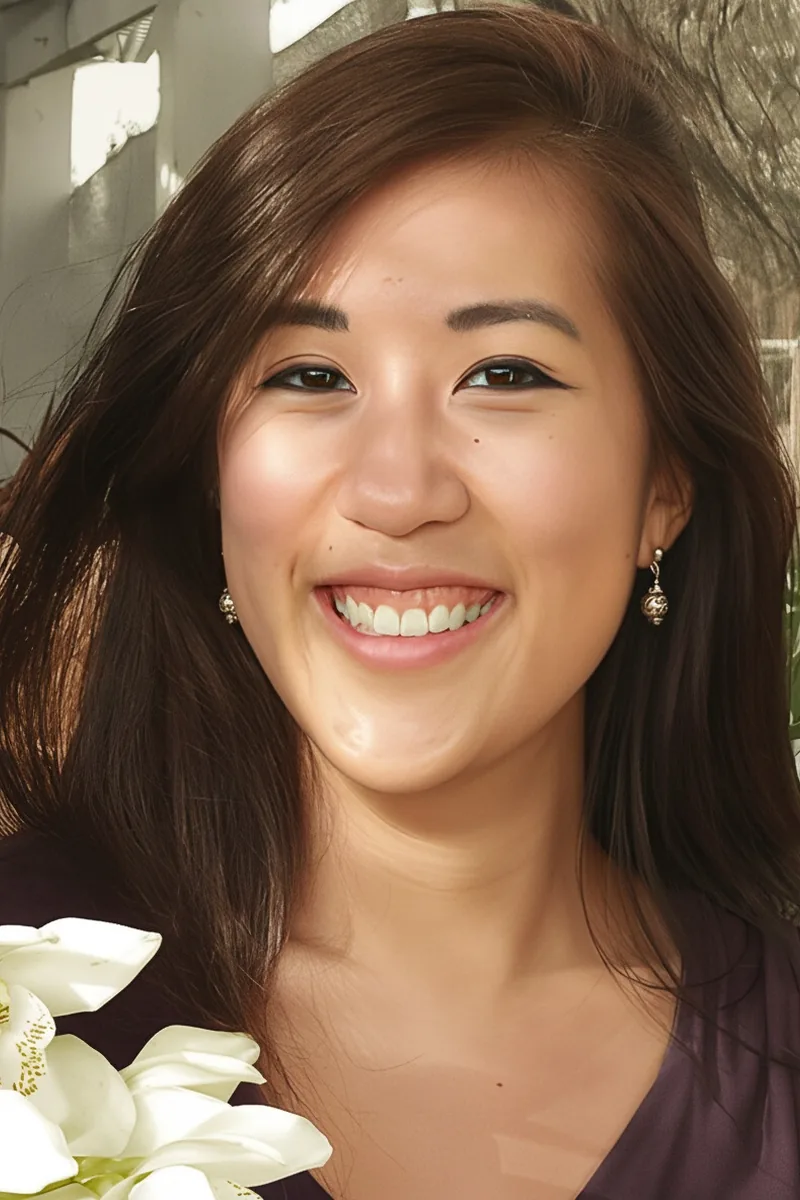
AP English Literature demands more than plot summary — it asks students to write about how a poem's enjambment creates tension or how a novel's narrative voice shapes meaning. Cynthia studied Folklore & Mythology at the college level, giving her deep experience with close reading across genres and centuries. She teaches students to build literary arguments that earn high marks on both the multiple-choice and free-response sections.
Analyzing how a poet's syntax mirrors emotional tension, or tracing a novel's symbolic architecture across 300 pages — AP Lit demands close reading at a level most high schoolers haven't encountered before. Martha's experience writing analytical papers at Duke and editing college essays sharpens her ability to teach students how to build a thesis from textual evidence and defend it in a timed essay.
AP Lit asks students to do something genuinely difficult: read a poem or prose passage cold and produce a coherent literary argument in 40 minutes. Michelle, whose background spans history and comparative literature, teaches students to build claims around specific devices — imagery patterns, shifts in tone, narrative framing — rather than summarizing plot. That analytical muscle is what earns 4s and 5s.
A PhD in Religion and a bachelor's in philosophy gave Chang deep experience doing exactly what AP Lit demands: close reading of complex texts and constructing interpretive arguments under pressure. He teaches students to move beyond plot summary and build thesis-driven essays that analyze literary devices, narrative structure, and authorial intent with real textual evidence.
AP English Literature demands more than summarizing a novel — it asks students to dissect how imagery, tone, and narrative structure produce meaning in a specific passage. David's English degree and his graduate work with rare books and manuscripts gave him a close-reading discipline that translates directly into the kind of textual analysis the free-response essays reward. He teaches students to build arguments from the text outward, anchoring every claim in concrete literary evidence.
AP Lit's free-response questions reward students who can do more than summarize — they need to build an argument about how literary devices create meaning within a passage. Max teaches students to dissect prose and poetry prompts by identifying tone shifts, narrative structure, and figurative language, then weaving those observations into a cohesive thesis. His background teaching both history and English in a Boston high school means he's coached students through the exact pressure of timed analytical writing.
AP English Literature asks students to do something genuinely difficult: read a poem or prose passage they've never seen and produce a polished analytical essay in under forty minutes. As a PhD candidate in American Literature at UConn, Meghan digs into the specific skills the exam rewards — thesis construction, close reading of figurative language, and integrating textual evidence without plot summary. She keeps sessions dynamic by rotating through poetry, drama, and fiction so students build range across genres.
AP English Lit asks students to do something genuinely difficult: read a poem or passage cold and produce a polished analytical essay under time pressure. Sarah's BA in English from Oberlin and her ongoing PhD work at Harvard mean she can teach students to unpack figurative language, track shifts in tone, and build thesis-driven arguments about texts they've never seen before. Her poetry background is especially useful for the notoriously challenging poetry analysis prompt.
I'm a current PhD student in the history department at Georgetown University who is also an experienced instructor with Varsity Tutors. As a recipient of several degrees, the most recent being a BA in history from Hillsdale College and a MA in Russian, East European, and Eurasian Studies from Stanford University, I have long sought to make teaching my profession. Meanwhile, as a volunteer grade school teacher and a tutor with this company, I have many years' experience helping students reach their full potential. I am capable of teaching students in many subjects, including reading, mathematics, test prep, Latin, and especially writing, history, and literature. In practice, I am comfortable adapting to different learning styles and specific student preferences. Outside of my academic and career endeavors, I enjoy cooking, reading, and listening to and making music.
AP Lit asks students to do something most high schoolers haven't practiced: read a poem or prose passage cold and immediately build an argument about how its literary devices create meaning. Jake tackles this by teaching close-reading techniques — tracking shifts in tone, identifying figurative patterns, and connecting formal choices to thematic claims — so the timed essay feels less like a scramble and more like a structured conversation with the text.
AP Lit's free-response questions reward students who can move beyond plot summary and build arguments around literary devices — symbolism, tone shifts, narrative structure. Priscilla's Harvard coursework in government and economics trained her to construct tight, evidence-driven essays under pressure, a skill she applies directly to poetry and prose analysis on exam day.
Testimonials
Because the right AP English Literature and Composition tutor makes all the difference.
Average Session Rating – Based on 3.4M Learner Ratings
Practice AP English Literature and Composition
Free practice tests, flashcards, and AI tutoring for AP English Literature and Composition
Nearby AP English Literature and Composition Tutors
Other Ogden Tutors
Related English Tutors in Ogden
Frequently Asked Questions
The AP English Literature and Composition exam tests your ability to analyze and interpret literature across multiple genres—poetry, prose, and drama. The exam has two sections: a 1-hour multiple-choice section (45 questions) focusing on reading comprehension and literary analysis, and a 2-hour free-response section with three essays (argument, rhetorical analysis, and literary analysis). Success requires strong close reading skills, understanding of literary devices, and the ability to support claims with textual evidence.
Many students struggle with time management during the multiple-choice section—analyzing dense passages quickly while maintaining accuracy is difficult. Others find it challenging to move beyond surface-level observations and develop sophisticated literary analysis that goes deeper into theme, symbolism, and authorial intent. Writing essays under timed conditions while maintaining clear organization and strong evidence integration is another common pain point. Personalized tutoring helps you develop strategies to tackle these specific challenges through targeted practice and feedback.
Score improvement depends on your starting point and how consistently you engage with tutoring and practice. Students who work with tutors typically see meaningful gains by focusing on their weakest areas—whether that's multiple-choice accuracy, essay organization, or textual analysis depth. Most students benefit from 4-8 weeks of regular tutoring before the exam, combined with consistent practice on released AP exams. A tutor can help you identify exactly where you're losing points and develop targeted strategies to improve.
Practice tests are essential—they help you understand the exam format, build stamina for the 3-hour test, and identify your specific weak areas before test day. Taking full-length practice tests under timed conditions reveals whether your struggles are with reading speed, literary analysis, essay structure, or something else entirely. Tutors can review your practice test results with you, pinpoint patterns in your mistakes, and help you develop targeted strategies to address them rather than just studying broadly.
Each essay requires a different approach: the argument essay asks you to take a position on a provided statement about literature, the rhetorical analysis essay requires you to examine how an author creates meaning through language and structure, and the literary analysis essay demands close reading of a provided passage. Success on all three depends on clear thesis statements, specific textual evidence, and organized paragraphs that build your argument. A tutor can teach you essay templates and planning strategies that work under timed pressure, then give you feedback on your drafts to strengthen your analysis and writing.
The multiple-choice section tests both comprehension and close reading—you need to understand what a passage says and what it suggests through language choices, tone, and structure. Many students rush through passages and miss nuance, or they overthink questions looking for tricks that aren't there. Effective strategies include annotating as you read, eliminating obviously wrong answers first, and understanding common question types (tone, purpose, literary devices). Tutors can teach you efficient reading techniques, help you recognize question patterns, and build your confidence through targeted practice with feedback.
Varsity Tutors connects you with expert tutors for students in Ogden who specialize in AP English Literature and Composition. You can specify your goals—whether you're aiming for a 4, 5, or just trying to improve your current level—and get matched with a tutor who has experience preparing students for this specific exam. Tutors work with your schedule and can focus on your particular challenges, whether that's essays, multiple-choice, or overall literary analysis skills.
Your first session is typically diagnostic—a tutor will assess your current skills, understand your goals, and identify your strongest and weakest areas. This might involve reviewing a practice essay, discussing your multiple-choice performance, or analyzing a passage together to see how you approach close reading. From there, your tutor creates a personalized study plan focused on the areas where you'll gain the most improvement before test day, ensuring your preparation time is spent efficiently.
Let’s find your perfect tutor
Answer a few quick questions. We’ll recommend the right plan and match you with a top 5% tutor.