Award-Winning Organic Chemistry Tutors
serving Ogden, UT
Organic Chemistry
Tutors in Ogden
Private 1-on-1 tutoring, weekly live classes for academic support, test prep & enrichment, practice tests and diagnostics, and more to elevate grades and test scores.
Based on 3.4M Learner Ratings
UniversitiesSchools & Universities
DeliveredHours Delivered
ProficiencyGrowth in Proficiency
Who needs tutoring?
No obligation. Takes ~1 minute.
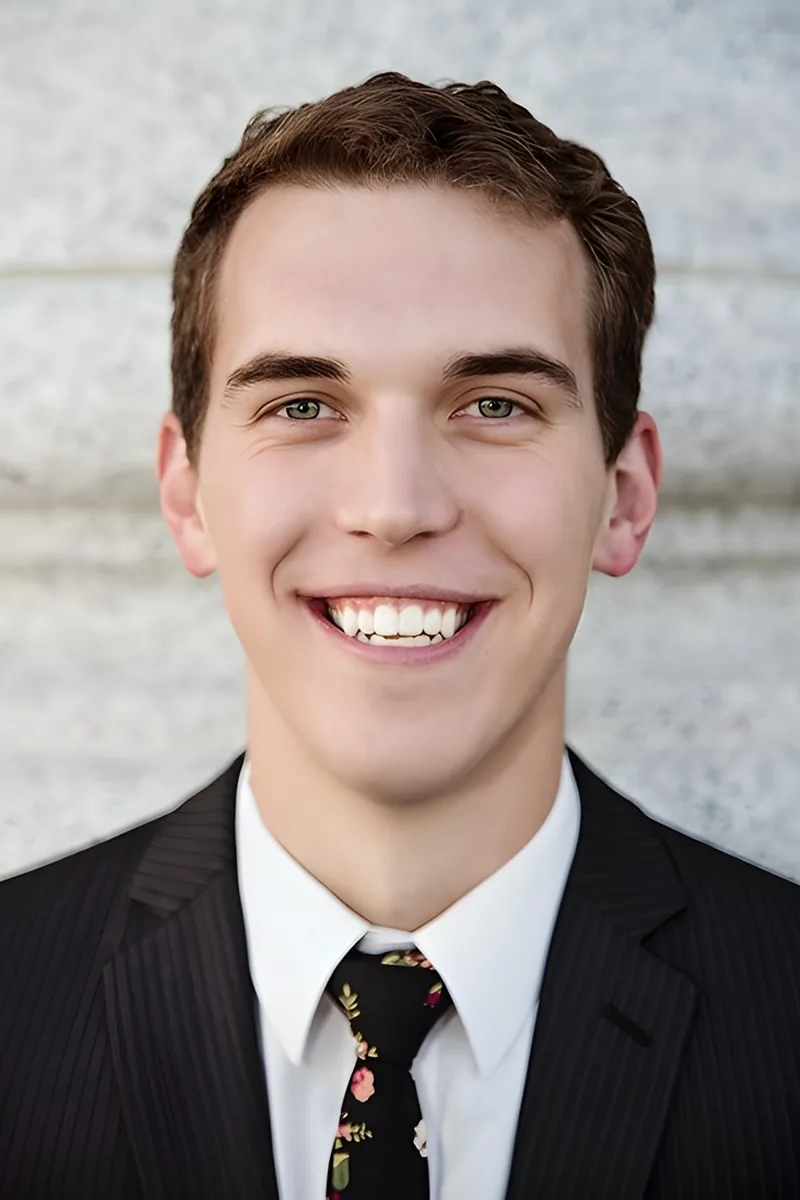
Most organic chemistry struggles come down to one thing: students memorize reactions without understanding electron flow. Brett teaches arrow-pushing mechanisms as a language — once you can read how nucleophiles attack electrophilic carbons or why elimination competes with substitution, predicting products becomes intuitive. His biochemistry knowledge also lets him show where these reactions appear in living systems, which makes the material stick.
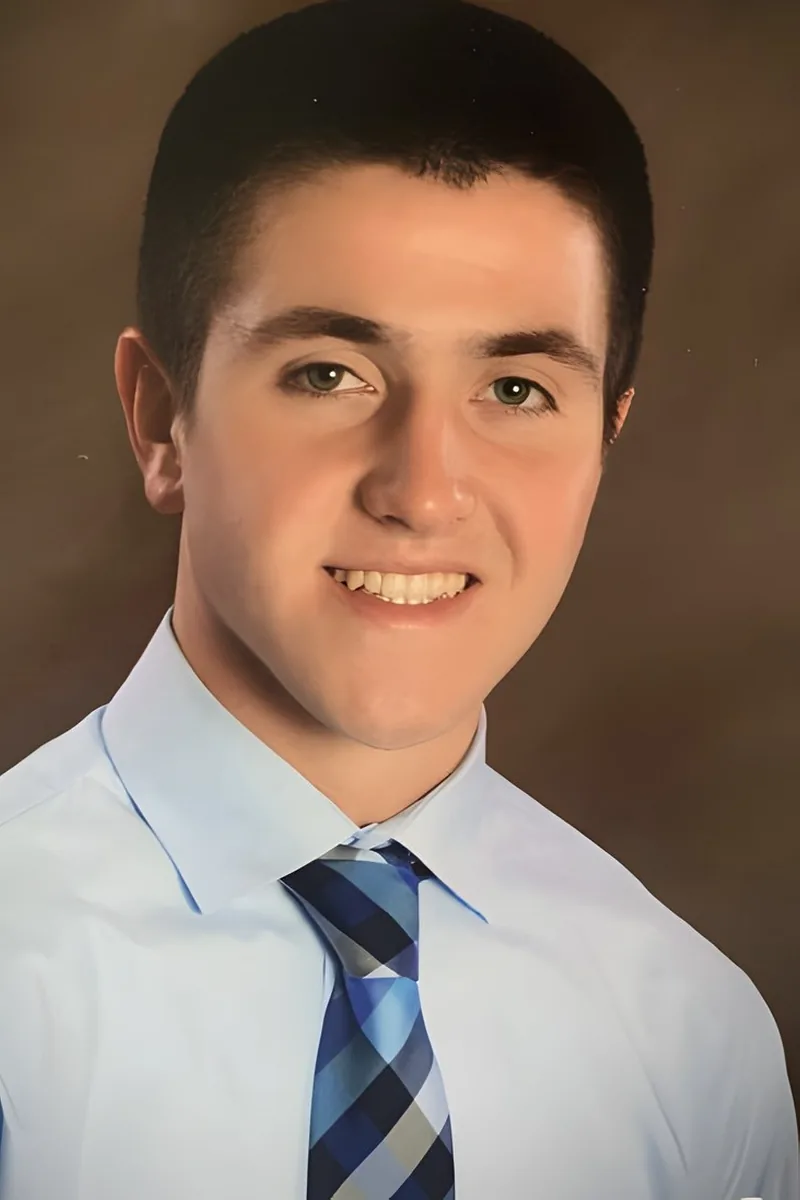
Reaction mechanisms click once you stop memorizing arrow-pushing patterns and start understanding why electrons move the way they do — nucleophilicity, sterics, leaving group stability. Mitchell's neuroscience degree required extensive organic chemistry coursework, and he breaks down everything from substitution and elimination reactions to carbonyl chemistry by connecting each mechanism to the electronic principles driving it.
Reaction mechanisms are the backbone of organic chemistry, and most students struggle not because the material is impossibly hard but because they try to memorize hundreds of reactions instead of learning the handful of electron-pushing patterns that explain almost all of them. Rebecca's science training means she teaches students to read a mechanism the way you'd read a sentence — subject, verb, object — so new reactions become predictable rather than surprising.
Between his biochemistry degree and his current pharmacy doctoral work at VCU, Joel has run through organic chemistry from both the academic and applied sides — understanding how functional group reactivity and stereochemistry translate into real drug design and pharmacological mechanisms. He's also taught university chemistry courses as adjunct faculty, so he knows how to break down multi-step synthesis problems and spectroscopy interpretation at the pace a student actually needs. Rated 5.0 by students.
Reaction mechanisms in organic chemistry demand the same kind of pattern recognition Seong uses in her neuroscience coursework at Northwestern — tracking electron movement, predicting intermediates, and understanding why one pathway dominates over another. She unpacks arrow-pushing notation by tying each step to underlying principles of nucleophilicity and sterics, so students can reason through unfamiliar reactions on exams instead of relying on rote memorization.
Jonathan's human biology degree and pre-med track at Cornell meant organic chemistry wasn't just a prerequisite — it was the course that connected molecular structure to everything he'd later study in physiology and biochemistry. He tackles synthesis problems and spectroscopy interpretation by linking functional group behavior back to biological relevance, which gives students a reason to care about each mechanism. Rated 4.9 by students.
Most organic chemistry struggles come down to not recognizing patterns — why a nucleophile attacks here and not there, or how electron-pushing arrows predict a product. Eric's graduate training in chemistry means he teaches reaction mechanisms as a connected framework of electronic and steric principles rather than a list of isolated reactions. Students rated him 5.0.
Reaction mechanisms are the heart of organic chemistry, and they only make sense when a student can track electron movement and predict how functional groups behave. Malcolm is studying biochemistry and cell biology at Rice, where organic chemistry is foundational — he knows which arrow-pushing patterns show up repeatedly and teaches students to recognize them instead of memorizing hundreds of individual reactions.
Four years of tutoring organic chemistry at Yale — while simultaneously doing pre-med coursework — gave Marcus a sharp sense of where students get stuck, particularly with carbonyl reactivity and multi-step synthesis planning. His current research at the Hospital for Special Surgery keeps him actively applying these concepts, so he teaches functional group transformations as interconnected tools rather than an isolated reaction catalog.
Studying biochemistry and molecular biology means Raj encountered organic chemistry not as a single course but as the language underlying everything from enzyme kinetics to metabolic pathways — so he teaches functional group reactivity and stereochemistry with that bigger picture always in view. His 5.0 rating and a perfect 36 ACT reflect someone who thinks systematically, which translates directly into how he walks students through multi-step synthesis problems: identify the transformation, trace the electron flow, then confirm the regiochemistry.
As an MD/PhD student at Northwestern doing doctoral research in organic synthesis, Austin lives in the world of reaction design — figuring out which bonds to form, which protecting groups to use, and why one retrosynthetic route beats another. That daily immersion means he teaches mechanisms and stereochemistry with the fluency of someone who actually builds molecules, not just someone who once passed the course.
Studying physics with a concentration in chemical principles at Penn means Max encounters organic chemistry from the physical side first — thermodynamics of reaction pathways, orbital interactions driving nucleophilic attacks, and the energy landscapes that determine whether a substitution or elimination wins out. That perspective lets him teach mechanisms by grounding arrow-pushing in the physics of why electrons move, not just where they go.
Having fought through orgo on the path to a 36 ACT and a biology degree — with MCAT prep sharpening every mechanism further — Aleeza knows exactly where students get tripped up on topics like carbonyl additions and substitution-vs-elimination decision-making. She teaches reaction patterns by connecting them back to the biological molecules they show up in, which makes the logic behind electron flow feel purposeful rather than abstract. Rated 4.9 by students.
Testimonials
Because the right Organic Chemistry tutor makes all the difference.
Average Session Rating – Based on 3.4M Learner Ratings
Practice Organic Chemistry
Free practice tests, flashcards, and AI tutoring for Organic Chemistry
Nearby Organic Chemistry Tutors
Other Ogden Tutors
Related Science Tutors in Ogden
Frequently Asked Questions
Organic Chemistry requires visualizing molecules in 3D space and understanding reaction mechanisms—skills that don't come naturally to most students. Many struggle because they try to memorize reactions instead of grasping the underlying principles of how electrons move and bonds form. Personalized tutoring helps students build conceptual understanding rather than relying on rote memorization, making the subject feel much more manageable.
Your first session focuses on understanding where you're struggling—whether it's drawing mechanisms, predicting products, balancing equations, or grasping foundational concepts like hybridization and resonance. A tutor will assess your current level, identify knowledge gaps, and create a personalized plan to address your specific challenges. This diagnostic approach ensures your tutoring targets exactly what you need to improve.
Many students struggle because Organic Chemistry happens in three dimensions, but textbooks are flat. Expert tutors use multiple strategies—drawing mechanisms step-by-step, using molecular models, relating structures to real molecules you know, and explaining electron movement in concrete terms. With personalized instruction, you can develop the spatial reasoning skills needed to see how molecules interact and transform, turning abstract concepts into something tangible.
Yes. Tutors can help you understand the theory behind lab procedures, predict experimental outcomes, interpret results, and connect what happens in the lab to the mechanisms you're learning in lecture. Whether you're struggling with synthesis reactions, purification techniques, or analyzing spectroscopy data, personalized instruction bridges the gap between theory and hands-on practice.
Understanding is always better than memorization. There are far too many reactions to memorize, but if you understand electron movement and reaction mechanisms, you can predict outcomes and solve unfamiliar problems. Tutors focus on building your conceptual foundation so you can reason through reactions rather than relying on flashcards—this approach leads to better grades and retention.
Ideally, start 4-6 weeks before your exam to allow time for building understanding and practicing problems. However, even a few weeks of focused tutoring can help you target weak areas and boost your confidence. Personalized instruction lets you concentrate on what you actually need to improve rather than reviewing material you've already mastered, making your prep time more efficient.
Look for tutors with strong backgrounds in chemistry—ideally someone who has taken advanced Organic Chemistry courses or has a degree in chemistry or biochemistry. Beyond credentials, the best tutors can explain complex concepts clearly, adapt to different learning styles, and help you see why reactions work the way they do. Varsity Tutors connects you with tutors who combine subject expertise with proven teaching ability.
Tutoring rates vary based on the tutor's experience, qualifications, and your specific needs. Varsity Tutors works with you to find tutors at different price points and can discuss rates during the matching process. Many students find that focused, personalized tutoring is more cost-effective than struggling alone or taking the course again, since you're paying for targeted help that directly improves your understanding and grades.
Let’s find your perfect tutor
Answer a few quick questions. We’ll recommend the right plan and match you with a top 5% tutor.