Award-Winning Japanese Tutors
serving Ogden, UT
Japanese
Tutors in Ogden
Private 1-on-1 tutoring, weekly live classes for academic support, test prep & enrichment, practice tests and diagnostics, and more to elevate grades and test scores.
Based on 3.4M Learner Ratings
UniversitiesSchools & Universities
DeliveredHours Delivered
ProficiencyGrowth in Proficiency
Who needs tutoring?
No obligation. Takes ~1 minute.
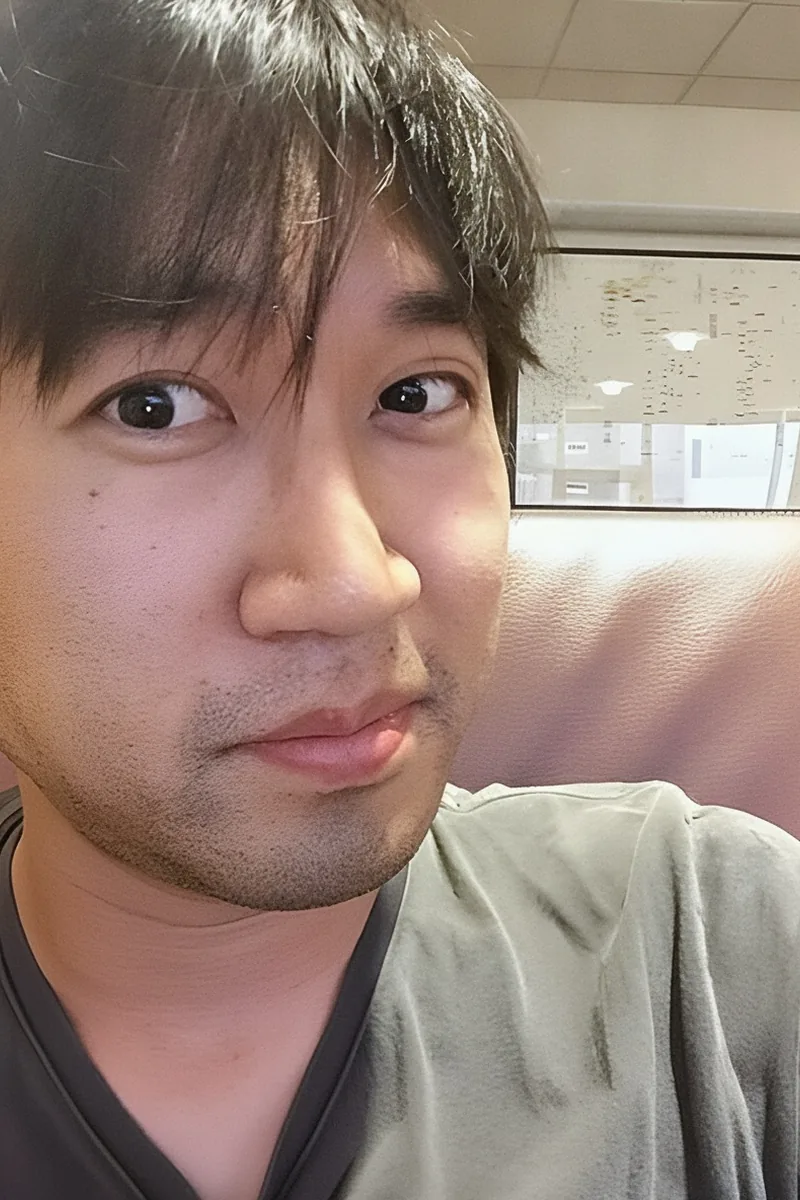
Growing up attending the Japanese Weekend School of New Jersey while enrolled in American public schools, Hidefusa developed native-level fluency in both languages and a deep understanding of where English speakers stumble with Japanese. He teaches everything from hiragana and katakana basics to kanji recognition, particle usage, and keigo (formal speech) — drawing on the bilingual instincts of someone who has lived in both linguistic worlds.
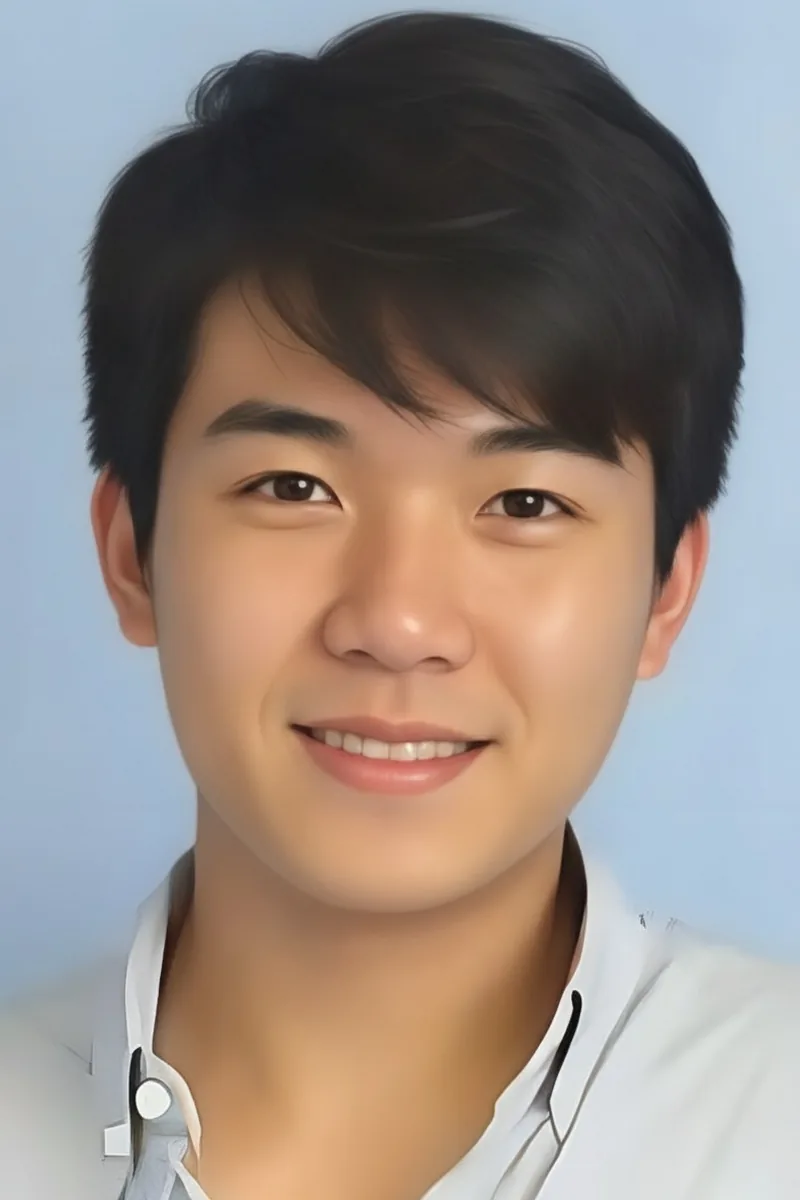
Sho teaches Japanese with attention to the details that trip up English speakers most — particle usage, verb conjugation groups, and the shift between casual and polite registers. Whether a student is learning hiragana for the first time or working through intermediate kanji and grammar patterns, he brings structured practice to a language that rewards consistency.
As a native Japanese speaker who has also worked professionally as an interpreter, Sonya understands both languages from the inside — the particles, sentence-final expressions, and politeness shifts that sound natural versus textbook-stiff. Her bilingual preschool volunteering sharpened her ability to explain concepts at any level, from first encounters with hiragana to nuanced keigo distinctions that even intermediate learners struggle with.
During his final summer at NYU, William traveled to Japan to study the language alongside traditional music and wartime film, grounding his Japanese in real cultural context. That immersive experience means he connects vocabulary and grammar to the situations where they're actually used — from reading signs and menus to discussing historical texts. He's especially strong at bridging the gap between textbook Japanese and how the language sounds in practice.
Emily minored in Japanese at Texas A&M and continues to engage with the language through media and self-study. She teaches hiragana, katakana, and foundational grammar patterns like particle usage with the same structured approach she applies to her other languages, making the writing systems feel systematic rather than overwhelming.
I am particularly passionate about math as well as standardized test prep. I studied math on a double-accelerated track throughout middle school and high school, covering math from algebra to multivariable calculus. Aside from teaching academic subjects, I am also trained in playing the piano and violin, having taken lessons for piano from the ages of 4 to 18 and playing violin in my school orchestra from 5th to 12th grade. I love working with students to improve their skills in an area of study, and my favorite part is getting to see them gain confidence in themselves and their own abilities!
As an Asian Studies major at Duke, Caitlin engages with Japanese language in an academic context that goes beyond textbook dialogues — she understands how kanji, hiragana, and katakana each function within the writing system and why particles like は and が trip up English speakers. She walks through sentence structure and honorific levels with cultural context that makes the grammar patterns memorable.
Briana minored in Japanese at Michigan State, giving her a grounded understanding of the language's grammar patterns, particle usage, and writing systems — hiragana, katakana, and introductory kanji. She approaches Japanese as someone who learned it systematically in an academic setting, which means she can explain the "why" behind structures that often confuse English speakers.
Crystal minored in Japanese Language and Culture at Northern Kentucky University, so she brings both formal study and genuine cultural curiosity to teaching everything from kana writing to grammar fundamentals. Her day job as a K-12 reading and ESL instructor means she's trained to break down unfamiliar language structures for learners at any level — a skill that pays off when explaining Japanese concepts like sentence-final particles or basic verb tenses that have no English equivalent. Rated 5.0 by students.
I am an experienced tutor and teacher from Okinawa, Japan who recently graduated from Brown University and now lives in Brooklyn.
I am open to tutoring in a broad range of subjects, including Algebra, Spanish I/II, ESL and Biology (SAT II, AP, and MCAT).
Having completed an Asian Languages minor at UCLA, Abrahim brings formal training in Japanese grammar, kanji acquisition, and reading comprehension to his tutoring. He approaches the language methodically — building from particle usage and verb conjugation patterns up to reading authentic texts — which works especially well for students who want structure rather than immersion-only learning.
Studying Japanese as a minor at Columbia — with plans to eventually work in Japan's renewable energy sector — Shin uses the language as a living tool, not just a classroom exercise. He teaches everything from hiragana and katakana basics to intermediate grammar patterns like ~てしまう and ~ことにする, adjusting to each student's level and building real conversational confidence alongside written accuracy.
Testimonials
Because the right Japanese tutor makes all the difference.
Average Session Rating – Based on 3.4M Learner Ratings
Nearby Japanese Tutors
Other Ogden Tutors
Related Languages Tutors in Ogden
Frequently Asked Questions
Your first session is an opportunity to discuss your current level, learning goals, and what you'd like to focus on—whether that's conversational fluency, test preparation, or building foundational skills. A tutor will assess your strengths in reading, writing, speaking, and listening to create a personalized learning plan tailored to your needs. This helps ensure every session after that builds directly toward your goals.
In a classroom setting, students often get limited speaking time. With personalized 1-on-1 instruction, you have a dedicated tutor to practice real conversations, get immediate feedback on pronunciation and grammar, and build confidence in natural dialogue. Regular speaking practice is essential for developing fluency, and tutors can tailor conversations to topics and scenarios that matter to you.
Both are important, and the best approach balances them. Understanding grammar rules gives you a framework for constructing sentences correctly, while exposure to natural usage—through conversation, media, and authentic materials—helps you recognize how native speakers actually use the language. A tutor can help you move beyond textbook Japanese to develop intuition for what sounds natural, which accelerates your path to real fluency.
Spaced repetition—reviewing words at increasing intervals—is one of the most effective techniques for long-term retention. A tutor can help you build vocabulary in context (through conversations, reading passages, or thematic units) rather than isolated lists, which makes words more memorable and usable. Combining regular practice with real-world application helps new vocabulary stick.
Japanese language is deeply connected to culture—honorifics reflect social relationships, seasonal references appear in everyday speech, and understanding context helps you use the right register in different situations. Learning about Japanese customs, traditions, and communication styles helps you not just speak the language, but use it appropriately and authentically. Many tutors incorporate cultural elements to make learning richer and more meaningful.
Verb conjugation is one of the biggest challenges for Japanese learners, but breaking it into patterns and practicing through conversation makes it manageable. A tutor can help you understand the logic behind conjugations rather than memorizing them, then reinforce patterns through repeated use in real sentences. Consistent practice with immediate feedback accelerates mastery far more than studying conjugation charts alone.
Reaching professional proficiency in Japanese typically requires 600+ hours of study according to language learning research. However, your timeline depends on your starting level, how frequently you study, and what "fluency" means to you—conversational ability comes faster than business proficiency. Working with a tutor accelerates progress by providing focused instruction and speaking practice that classroom learning alone can't match.
Look for tutors with demonstrated Japanese language expertise—whether through native fluency, advanced certification, or teaching experience. The best tutors for you will have experience with your specific goals (conversation, test prep, academic coursework) and teaching style that matches how you learn. Varsity Tutors connects you with expert tutors in Ogden who can match your needs and learning style.
Let’s find your perfect tutor
Answer a few quick questions. We’ll recommend the right plan and match you with a top 5% tutor.