Award-Winning AP Environmental Science Tutors
serving Greenville, SC
AP Environmental Science
Tutors in Greenville
Private 1-on-1 tutoring, weekly live classes for academic support, test prep & enrichment, practice tests and diagnostics, and more to elevate grades and test scores.
Based on 3.4M Learner Ratings
UniversitiesSchools & Universities
DeliveredHours Delivered
ProficiencyGrowth in Proficiency
Who needs tutoring?
No obligation. Takes ~1 minute.
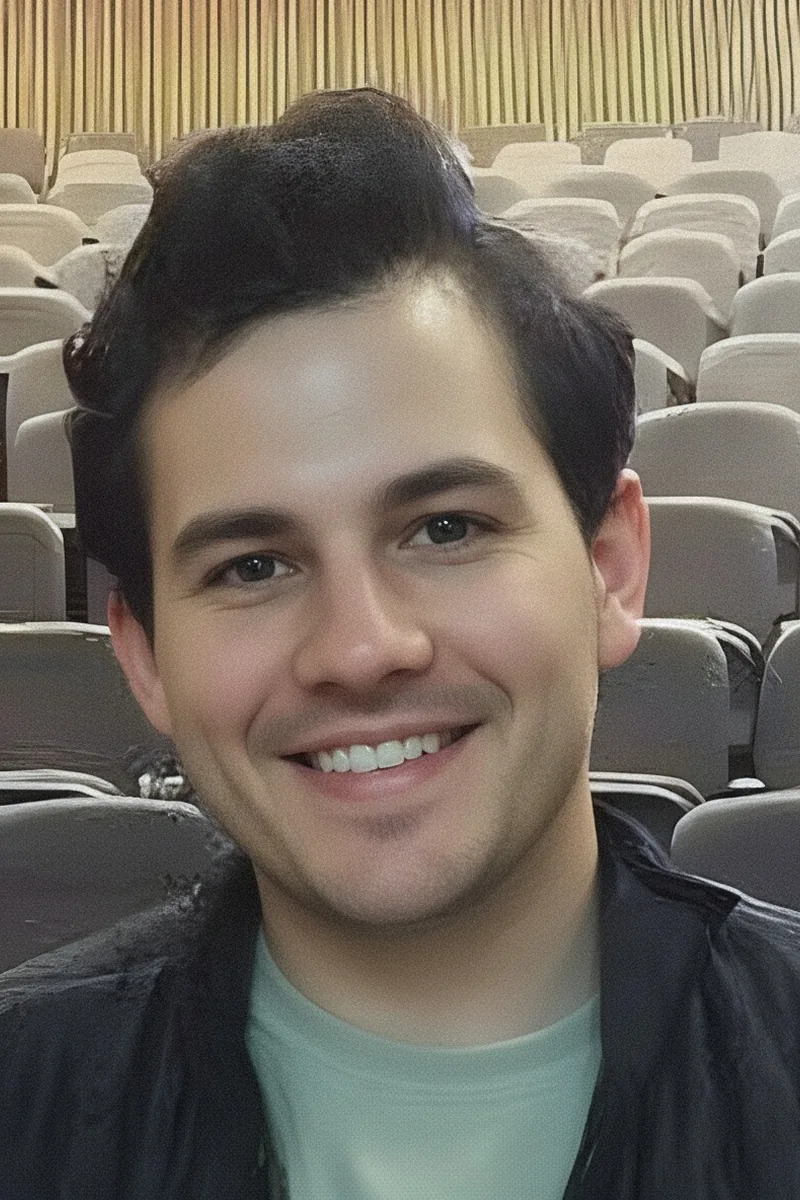
Geophysics sits at the intersection of earth systems and physical processes — so when Derrick teaches APES topics like plate tectonics, soil formation, or how geological activity shapes resource distribution, he's drawing on coursework that goes well beyond the AP curriculum. He also brings strong math and physics chops to the quantitative side of the exam, tackling energy budget calculations and atmospheric modeling problems that pure memorization won't solve. Rated 5.0 by students.

Ashley's dual degrees in the Science of Natural and Environmental Systems and Economics mirror exactly what APES demands — the ability to think across ecological principles and the human economic forces driving resource depletion, land use change, and pollution policy. She tackles topics like cost-benefit analysis of environmental regulations and the economics behind tragedy-of-the-commons scenarios with genuine subject fluency, not just textbook familiarity.
Running a marine biology summer camp means Zoey has taught kids to trace real ecological relationships — predator-prey dynamics, nutrient runoff in coastal systems, habitat loss from human development — which map directly onto the APES curriculum's core units. Her master's in marine biology gives her the field-level understanding of biodiversity, conservation, and ecosystem interactions that turns abstract exam topics into concrete examples students actually remember. Rated 4.9 by students.
Katie holds a master's in science education and a bachelor's in natural resources and conservation — meaning she didn't just study APES topics like land use, biodiversity, and resource management as exam content; they were her actual field of study. She teaches students to think in cause-and-effect chains across units, connecting deforestation to soil erosion to water quality decline, which is exactly the kind of multi-step reasoning the free-response rubrics reward. Rated 5.0 by students.
Computer science at UCLA might not scream environmental science, but David's training in modeling complex systems and analyzing large datasets maps directly onto APES topics like climate feedback loops, population modeling, and resource depletion calculations. He tackles the quantitative side of the exam — unit conversions, energy math, experimental design — with the algorithmic precision of a software engineer, which is exactly what the data-heavy free-response questions demand. Rated 4.8 by students.
Most APES tutors come at the subject from biology or policy — Courage holds a Master's in Environmental Science, meaning he studied climate systems, land degradation, and resource management as his primary discipline, not a sidebar. He digs into the interconnections between Earth systems that the exam's free-response questions demand, teaching students to trace how a single disruption — deforestation, nutrient runoff, atmospheric CO₂ increases — ripples across multiple units.
Eileen's neuroscience coursework at Vanderbilt — tracing how disruptions propagate through biological systems — gives her a useful lens for APES topics like bioaccumulation, feedback loops in climate systems, and how environmental toxins affect organisms at multiple scales. She scored a 36 on the ACT and brings that same precision to the data-interpretation and calculation questions that catch students off guard on exam day.
What sets APES apart from most AP exams is how much it rewards interdisciplinary thinking — linking ecology to policy, economics to resource depletion, human behavior to environmental degradation. Rachel's background spans history, writing, and the humanities, which makes her particularly effective at coaching the argument-style free-response questions where students must weave evidence into structured, persuasive explanations of environmental trade-offs. Rated 5.0 by students.
Training as a family medicine resident means Jordan regularly encounters the real-world health consequences of environmental issues — lead exposure, air quality-driven asthma, waterborne illness — which gives her a clinical lens on APES units covering pollution, toxicology, and human impact that most tutors can't offer. She teaches students to think through dose-response relationships and environmental health data the way a physician evaluates a patient, building the cause-and-effect reasoning that free-response questions reward. Rated 5.0 by students.
Having spent a year as a climate change researcher at the University of Helsinki — where she completed PhD-level atmospheric science coursework — Marika brings firsthand lab and field experience to AP Environmental Science. She digs into biogeochemical cycles, energy flow, and climate modeling with the depth the AP exam demands, connecting FRQ strategies to the actual science behind each topic.
Shawn's master's in chemistry gives him a molecular-level understanding of the processes that drive APES content — ocean acidification equilibria, nitrogen fixation pathways, ozone depletion mechanisms — so he can explain the why behind environmental phenomena instead of just naming them. He also teaches the course's surprisingly tricky math, from parts-per-million conversions to energy budget calculations, with the comfort of someone who's done far harder stoichiometry. Rated 4.9 by students.
Cognitive science trains you to think in systems — how inputs, feedback loops, and cascading effects connect across complex networks — which maps surprisingly well onto APES topics like biogeochemical cycles, ecosystem disruption, and human-environment feedback. Zachary applies that systems-thinking lens to help students trace cause-and-effect chains across units, which is the skill that separates 3s from 5s on the free-response section. He scored a 32 on the ACT and carries a 4.8 tutoring rating.
Testimonials
Because the right AP Environmental Science tutor makes all the difference.
Average Session Rating – Based on 3.4M Learner Ratings
Practice AP Environmental Science
Free practice tests, flashcards, and AI tutoring for AP Environmental Science
Nearby AP Environmental Science Tutors
Other Greenville Tutors
Related Science Tutors in Greenville
Frequently Asked Questions
AP Environmental Science covers eight major units: energy flow and primary productivity, the cycling of matter, interactions between organisms and their environment, populations, communities and ecosystems, land and water use, energy resources and consumption, atmospheric composition and climate change, and human impacts on the environment. The exam emphasizes real-world environmental problems and requires both conceptual understanding and data analysis skills. A tutor can help you master these interconnected topics and practice applying them to case studies and scenarios.
Score improvement depends on your starting point and how consistently you engage with tutoring, but students typically see the most gains by focusing on their weakest units and practicing with real AP exam questions. Many students improve by 1-2 score points (from a 3 to a 4 or 5, for example) after targeted preparation that addresses specific knowledge gaps. Varsity Tutors connects you with expert tutors who can identify which units and question types challenge you most, then create a focused study plan to build confidence and accuracy.
Students often struggle with the quantitative aspects of the course—especially calculations involving population growth, nutrient cycling, and energy flow—as well as connecting abstract ecological concepts to real-world environmental issues. The exam also requires strong data interpretation skills, as many questions ask you to analyze graphs, tables, and experimental results. A tutor can break down these challenging topics into manageable pieces and provide practice with the specific question formats you'll encounter on test day.
The exam has two sections: 80 multiple-choice questions (90 minutes) and three free-response questions (90 minutes). For the multiple-choice section, pace yourself at roughly one minute per question and read questions carefully to avoid misinterpreting what's being asked. On the free-response section, organize your thoughts before writing and focus on clearly explaining your reasoning—partial credit is available even if your final answer isn't perfect. A tutor can help you practice both sections under timed conditions and develop strategies for managing test anxiety and staying focused.
Taking at least 3-4 full-length practice tests under timed conditions is essential to build stamina and familiarity with the exam format. Start taking them 6-8 weeks before the exam so you have time to review mistakes and adjust your strategy. After each practice test, focus on understanding why you missed questions—whether it was a conceptual misunderstanding, careless error, or pacing issue. Varsity Tutors connects you with tutors who can review your practice test results with you and target your study sessions on the areas where you need the most help.
Most students benefit from 8-12 weeks of consistent preparation, with roughly 5-7 hours of study per week. If you're starting later or have significant gaps in understanding, more intensive tutoring can help you catch up faster. The key is spacing your study over time—rather than cramming—which helps with retention and gives you time to identify and address weak areas. A tutor can create a personalized study schedule based on your current knowledge and timeline before test day.
Varsity Tutors connects you with expert tutors in Greenville who specialize in AP Environmental Science and understand the specific challenges students face on this exam. When you get matched with a tutor, you can discuss your current score, which topics need the most work, and your timeline before the exam. Tutors provide personalized instruction tailored to your learning style and goals, whether you need help mastering difficult concepts or refining test-taking strategies.
In your first session, your tutor will assess your current understanding of AP Environmental Science by asking about which units you feel confident in and which ones confuse you, and may have you work through a few sample questions to identify specific gaps. Together, you'll discuss your goals—whether that's reaching a 4, improving from a 3 to a 5, or mastering a particular unit—and create a plan for how to use your tutoring time most effectively. This foundation ensures that all future sessions are focused on exactly what you need to succeed.
Let’s find your perfect tutor
Answer a few quick questions. We’ll recommend the right plan and match you with a top 5% tutor.