Award-Winning Anatomy Tutors
serving New Orleans, LA
Anatomy
Tutors in New Orleans
Private 1-on-1 tutoring, weekly live classes for academic support, test prep & enrichment, practice tests and diagnostics, and more to elevate grades and test scores.
Based on 3.4M Learner Ratings
UniversitiesSchools & Universities
DeliveredHours Delivered
ProficiencyGrowth in Proficiency
Who needs tutoring?
No obligation. Takes ~1 minute.

Memorizing every bone, muscle, and nerve pathway in anatomy can feel overwhelming without a system. Krishna approaches the subject by linking structure to function — explaining why the brachial plexus is organized the way it is, or how the histology of the small intestine relates to nutrient absorption. Her pre-med coursework and biology research background at Cornell keep her explanations grounded in clinical relevance.
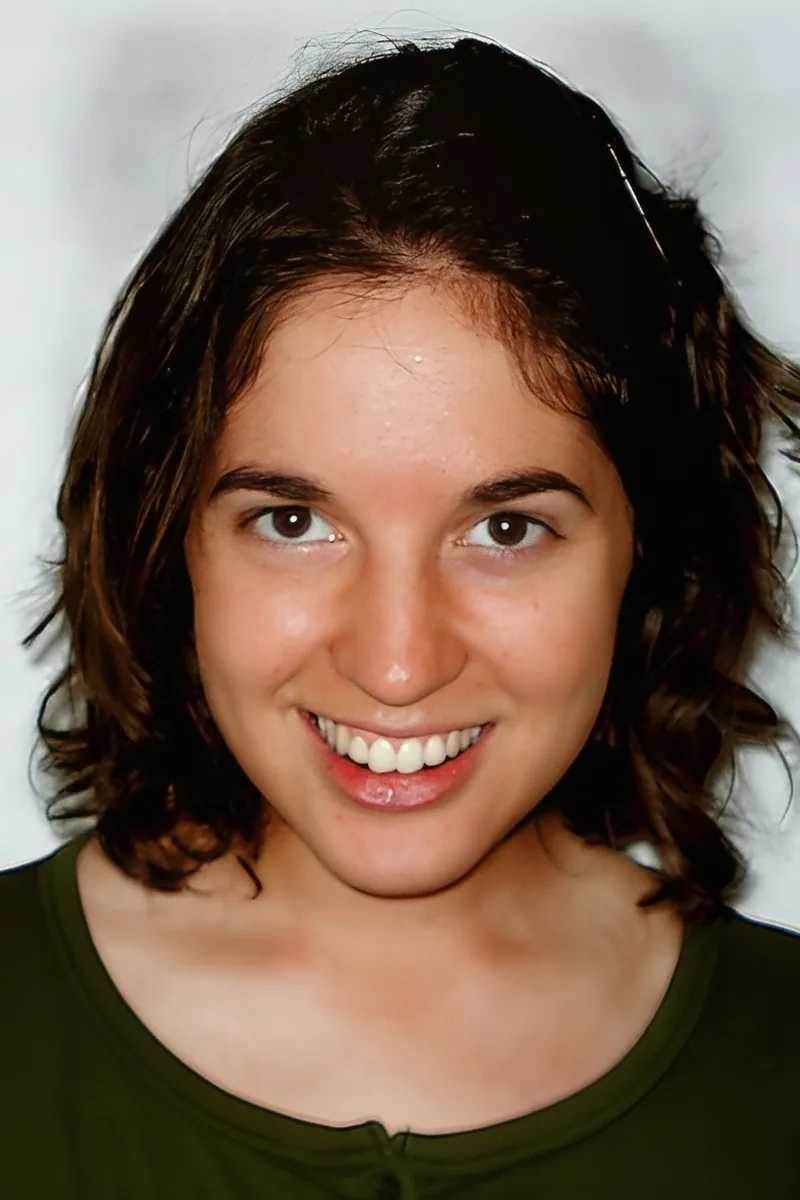
Memorizing every bone, muscle, and nerve pathway in anatomy can feel like learning a foreign language — because it essentially is one, rooted in Latin and Greek terminology. Amanda's anthropology and archaeology training gave her years of hands-on experience with skeletal and muscular systems in ways most tutors never encounter. She teaches students mnemonic strategies and spatial reasoning techniques that turn rote memorization into durable understanding of structural relationships.
A PhD in biophysics and a clinical research fellowship at MGH mean Amin has studied the human body at every scale — from molecular interactions up to whole-organ systems — which gives him an unusual ability to explain why anatomical structures are shaped and positioned the way they are. He's particularly strong on topics where physiology and anatomy overlap, like cardiovascular or renal system architecture, where understanding the underlying chemistry makes the spatial relationships click.
Memorizing every bone, muscle, and nerve pathway in anatomy feels overwhelming until someone shows you the organizational logic underneath it all. Eugene's doctoral studies in biomedical science at Morehouse School of Medicine gave him a systematic way to learn anatomical structures — grouping them by region, function, and clinical relevance. He teaches students to build mental maps of the body rather than relying on brute-force memorization.
Learning anatomy is as much about spatial reasoning as it is about vocabulary — you need to picture where the brachial plexus runs or how the heart's chambers connect to the great vessels. Amir, currently finishing medical school, teaches anatomy through detailed visual cues and diagrams that map structures in three dimensions, turning rote memorization into genuine understanding.
Memorizing every muscle insertion and nerve pathway in anatomy can feel impossible without a system. Shachi uses a regional approach, teaching students to build mental maps of structures layer by layer — bones first, then muscles, vasculature, and innervation — so that spatial relationships anchor the memorization. Her medical training background means she connects anatomical structures to their clinical significance, which makes details stick.
Learning anatomy often feels like brute-force memorization of Latin terms, but Garrett reframes it around functional relationships — why the brachial plexus is organized the way it is, or how the arrangement of cardiac valves relates to blood flow direction. He uses spatial reasoning and system-level logic to give each structure a purpose students can recall under exam pressure. His biology background ensures the anatomy always connects back to underlying physiology.
Memorizing every bone, muscle, and nerve pathway in anatomy can feel overwhelming without a framework to organize it all. Justin tackles the subject regionally and functionally — connecting the brachial plexus to actual arm movements, or tracing blood flow through the heart to explain why valve defects produce specific symptoms. His Human Science background keeps the focus on how structures serve the living body, not just their Latin names.
Dental school demands a level of anatomical knowledge most undergrads never encounter — Daniel spent years learning cranial nerves, musculoskeletal structures, and histological tissue types in clinical detail. He breaks down complex systems like the brachial plexus or cardiac anatomy into logical relationships rather than brute-force memorization lists. That clinical lens makes abstract structures feel real and easier to retain.
Memorizing 206 bones and hundreds of muscles is one thing; understanding how they relate spatially and functionally is another challenge entirely. Anni's biomedical graduate training and her path toward medical school mean she teaches anatomy the way clinicians think about it — connecting structure to function so that the brachial plexus or the layers of the GI tract actually make sense.
Knowing anatomy means building a mental map of the body that holds up under pressure — during practicals, in clinical rotations, and beyond. Alex is entering Washington University's OT doctorate program, where anatomy is foundational to everything from musculoskeletal assessment to neuroanatomy. That upcoming clinical training, combined with a neuroscience background, means Alex teaches structures in the context of function, not just flash-card labels.
Studying tissue engineering at Tufts meant Kelly had to know anatomical structures inside and out — not just their names, but how their form supports their function. She teaches musculoskeletal, cardiovascular, and nervous system anatomy by linking each structure to the physiological role it plays, which makes retention far more durable than flashcard memorization alone.
Testimonials
Because the right Anatomy tutor makes all the difference.
Average Session Rating – Based on 3.4M Learner Ratings
Practice Anatomy
Free practice tests, flashcards, and AI tutoring for Anatomy
Nearby Anatomy Tutors
Other New Orleans Tutors
Related Science Tutors in New Orleans
Frequently Asked Questions
Anatomy requires more than memorization—it demands understanding how structures relate to function and how systems work together. Personalized 1-on-1 instruction helps you connect theoretical concepts to real-world applications by breaking down complex systems (like the cardiovascular or nervous system) into manageable pieces, using visualization techniques and real examples. Tutors can guide you through the "why" behind anatomical structures, not just the "what," which builds deeper comprehension and makes the material stick longer.
Spatial reasoning is crucial in anatomy, and many students find it challenging to mentally rotate and understand 3D structures from 2D textbook images. Tutors can use multiple visualization strategies—from drawing cross-sections and labeling diagrams together, to using models and interactive resources that help you build mental maps of how organs and systems are positioned. Breaking down complex structures layer by layer, combined with consistent practice identifying structures from different angles, significantly improves your ability to visualize and recall anatomical relationships.
Anatomy lab can be intimidating if you're not prepared, but personalized tutoring bridges the gap between classroom learning and hands-on lab experience. Tutors can help you pre-study structures before you encounter them in the lab, teach you proper identification techniques, and explain the functional significance of what you're observing during dissection. This preparation builds confidence and helps you make meaningful connections during lab time, turning dissection into a deeper learning experience rather than just a checklist of structures to identify.
Students in anatomy typically struggle with three main areas: memorizing the sheer volume of terminology, understanding spatial relationships between structures, and connecting anatomy to physiology and clinical applications. Personalized tutoring tackles each challenge by using mnemonic strategies and chunking for terminology, spatial visualization techniques for structure relationships, and case-based learning to show why anatomy matters. This targeted approach prevents you from getting overwhelmed and helps you build a coherent framework rather than isolated facts.
Your first session focuses on understanding where you are and where you want to go. Tutors will assess your current anatomy knowledge, identify your specific pain points (whether that's memorization, visualization, or understanding systems), and learn about your learning style and goals. From there, you'll develop a personalized plan that might include targeted review of foundational concepts, strategies for tackling your current unit, and techniques tailored to how you learn best—setting you up for success in subsequent sessions.
Look for tutors with strong backgrounds in biology, anatomy, or health sciences—ideally with experience teaching or tutoring anatomy specifically. Ideal candidates have completed anatomy coursework themselves, understand common student misconceptions, and can explain complex concepts clearly. Varsity Tutors connects you with expert tutors who match your specific needs, whether you're in a pre-health program, nursing prerequisites, or a general anatomy course, ensuring you get instruction from someone who truly understands the subject matter and how to teach it effectively.
For course exams, starting 3-4 weeks before the test gives you time to review major systems, practice identification, and build confidence without cramming. For standardized tests like the MCAT, beginning 2-3 months in advance allows tutors to help you master both detailed anatomy knowledge and the clinical reasoning skills the test requires. The key is consistent, focused preparation—personalized tutoring helps you use your study time efficiently by targeting your specific weak areas rather than reviewing material you already know well.
Tutoring costs vary based on factors like tutor expertise, session frequency, and your specific needs—whether you need weekly ongoing support or intensive exam prep. Varsity Tutors offers flexible options to fit different budgets and schedules. Contact us for a personalized quote based on your situation, and we'll help you find a tutoring plan that works for your goals and timeline.
Let’s find your perfect tutor
Answer a few quick questions. We’ll recommend the right plan and match you with a top 5% tutor.