Award-Winning Anatomy Tutors
serving Baton Rouge, LA
Anatomy
Tutors in Baton Rouge
Private 1-on-1 tutoring, weekly live classes for academic support, test prep & enrichment, practice tests and diagnostics, and more to elevate grades and test scores.
Based on 3.4M Learner Ratings
UniversitiesSchools & Universities
DeliveredHours Delivered
ProficiencyGrowth in Proficiency
Who needs tutoring?
No obligation. Takes ~1 minute.

Memorizing every bone, muscle, and nerve feels overwhelming until there's a system behind it. Meghan uses spatial reasoning techniques and functional groupings — like learning forearm muscles by their action on the wrist and fingers — to turn anatomy's massive vocabulary into something organized and retrievable. Her medical training keeps her fluent in exactly the level of detail most anatomy courses demand.
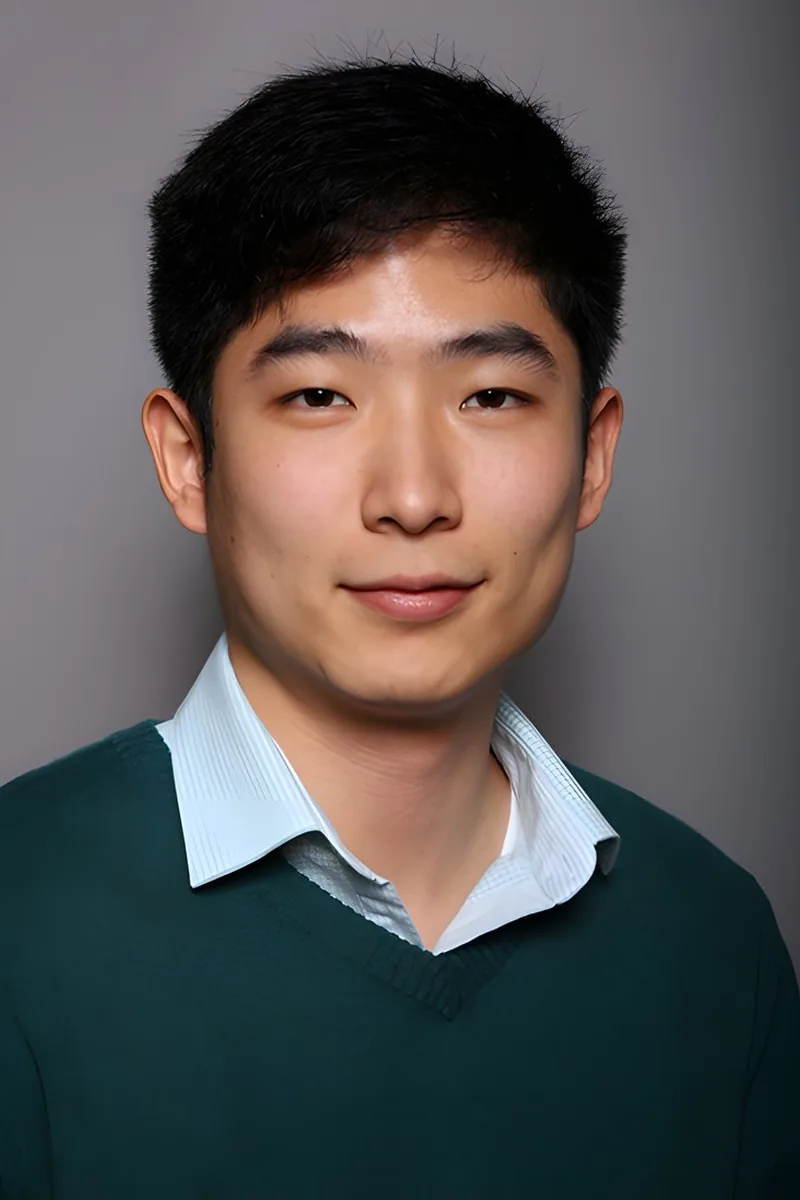
Physical therapy graduate students live in anatomy — Ken's current PT program means he's working with musculoskeletal structures, nerve pathways, and organ systems on a daily basis. That clinical context makes it easier to teach concepts like brachial plexus innervation or joint articulation because he can tie each structure to its real function in the body.
Kinesiology is essentially applied anatomy, so Tori spent years learning how every bone, muscle, and joint works together to produce movement. She breaks down complex structures — the brachial plexus, cardiac conduction pathways, organ system interactions — by tying them to real functional examples rather than expecting pure memorization. Rated 4.9 by students.
Studying pharmacology at Tulane meant knowing exactly where every nerve, vessel, and organ sits — because drug delivery depends on it. Helen teaches anatomy by building spatial understanding of body regions and systems rather than relying on brute-force memorization of isolated terms. Her 5.0 rating speaks to how well that approach lands.
As a doctoral physical therapy student at Washington University, James studies human anatomy with a level of detail that goes well beyond introductory courses — from musculoskeletal origins and insertions to the brachial plexus and cranial nerves. He teaches anatomy by organizing structures into functional groups rather than isolated facts, which makes large volumes of material far more manageable. His 4.9 rating speaks to how well that approach lands with students.
Jennifer's biological sciences degree means she studied anatomy alongside physiology, microbiology, and chemistry — so she naturally teaches structures in the context of the larger systems they belong to, which is especially useful for topics like cardiovascular or respiratory anatomy where form and function are inseparable. Her current path toward PA studies keeps her actively reviewing organ systems and tissue-level detail at a clinical depth that matches what university anatomy courses demand.
Prateek's medical training at Drexel built on a neuroscience foundation at Johns Hopkins, which means he learned anatomy twice — first as undergraduate neuroanatomy, then as the full-body systems approach required for clinical medicine. That double exposure is especially useful for topics like cranial nerve pathways and CNS structures, where understanding the neuroscience behind the anatomy makes spatial relationships click instead of requiring brute memorization.
Memorizing every bone, muscle, and nerve pathway in anatomy can feel overwhelming without a framework for why structures are shaped and positioned the way they are. Varuna's biomedical engineering background — where she studied how mechanical forces act on tissues and how devices interface with the body — gives her exactly that framework. She teaches anatomy as a design problem, which makes retention far more intuitive.
Memorizing every bone, muscle, and nerve pathway in anatomy can feel overwhelming without a framework to organize it all. Justin tackles the subject regionally and functionally — connecting the brachial plexus to actual arm movements, or tracing blood flow through the heart to explain why valve defects produce specific symptoms. His Human Science background keeps the focus on how structures serve the living body, not just their Latin names.
Medical school gave Rachel the kind of anatomy knowledge that comes from repeated, high-stakes application — not just labeling diagrams but understanding why the celiac trunk branches where it does or how the layers of the thoracic wall protect what's beneath them. Her biology degree and 5.0 rating reflect a teaching style that ties every structure back to its physiological job, turning a memorization marathon into something that actually makes sense.
Three years of dental school at Penn means Josh doesn't just know anatomy from a textbook — he's studied it through cadaver dissection and clinical application, especially the musculoskeletal and nervous systems of the head and neck. That hands-on depth translates into vivid explanations of structures, origins, insertions, and innervations that stick better than rote flashcard drilling.
Preparing for medical school meant Enstin had to internalize body systems, organ relationships, and musculoskeletal structures at a level that went well beyond introductory coursework — and his psychology training adds a practical edge when it comes to teaching effective study and retention strategies for terminology-heavy material. He breaks anatomy down by connecting Latin and Greek roots to the structures they describe, so students can reason through unfamiliar terms instead of memorizing each one cold.
Testimonials
Because the right Anatomy tutor makes all the difference.
Average Session Rating – Based on 3.4M Learner Ratings
Practice Anatomy
Free practice tests, flashcards, and AI tutoring for Anatomy
Nearby Anatomy Tutors
Other Baton Rouge Tutors
Related Science Tutors in Baton Rouge
Frequently Asked Questions
Anatomy involves memorizing hundreds of structures, but true mastery means understanding how systems work together. Personalized tutoring helps you connect individual structures to their functions—like understanding why the biceps attaches where it does, not just that it does. Tutors use diagrams, models, and real-world examples to build conceptual understanding alongside memorization, which leads to better retention and stronger performance on exams.
Anatomy is inherently visual—you're learning 3D structures from 2D textbook images, which can be challenging. Expert tutors help you develop spatial reasoning by using multiple visualization techniques: rotating anatomical models, drawing structures from different angles, and connecting cross-sections to whole-body systems. This skill is essential for success in lab practicals and clinical applications.
Lab practicals require identifying structures quickly under time pressure—a very different skill than studying from textbooks. Tutors can simulate lab conditions by quizzing you on unlabeled diagrams, teaching you identification strategies, and helping you understand the relationships between structures you'll see under the microscope. This targeted preparation significantly boosts confidence and performance on practical exams.
Yes, Varsity Tutors connects students in Baton Rouge with expert anatomy tutors who understand the specific curriculum and challenges you're facing. Whether you're in a pre-med program, nursing prerequisite, or health sciences course, you can get matched with a tutor who has deep expertise in human anatomy and experience helping students succeed.
Many students struggle to see how skeletal, muscular, nervous, and cardiovascular systems work together. Personalized tutoring breaks down these interactions systematically—for example, explaining how the nervous system controls muscle contraction, or how the circulatory system supports muscle function. This integrated approach helps you build a coherent mental model rather than isolated facts.
Your first session focuses on understanding your specific challenges and learning style. The tutor will assess your current knowledge, identify which topics or systems are most difficult, and discuss your learning goals—whether that's improving lab practical scores, understanding difficult concepts, or preparing for exams. From there, they'll develop a personalized plan that targets your needs.
The sooner you connect with a tutor, the better. If you're struggling with foundational concepts early in the course, tutoring can prevent gaps that compound later. Even if you're doing okay, a tutor can help you move from surface-level memorization to deeper understanding before high-stakes exams or practicals. Starting early also gives you time to develop strong study habits and visualization skills.
Absolutely. Expert tutors bridge the gap between classroom anatomy and real-world application by discussing how structures relate to common injuries, diseases, and clinical procedures. This contextual learning makes anatomy more meaningful and prepares you better for healthcare professions, where you'll need to apply anatomical knowledge to patient care and clinical decision-making.
Let’s find your perfect tutor
Answer a few quick questions. We’ll recommend the right plan and match you with a top 5% tutor.