Award-Winning AP English Literature and Composition Tutors
serving Little Rock, AR
AP English Literature and Composition
Tutors in Little Rock
Private 1-on-1 tutoring, weekly live classes for academic support, test prep & enrichment, practice tests and diagnostics, and more to elevate grades and test scores.
Based on 3.4M Learner Ratings
UniversitiesSchools & Universities
DeliveredHours Delivered
ProficiencyGrowth in Proficiency
Who needs tutoring?
No obligation. Takes ~1 minute.
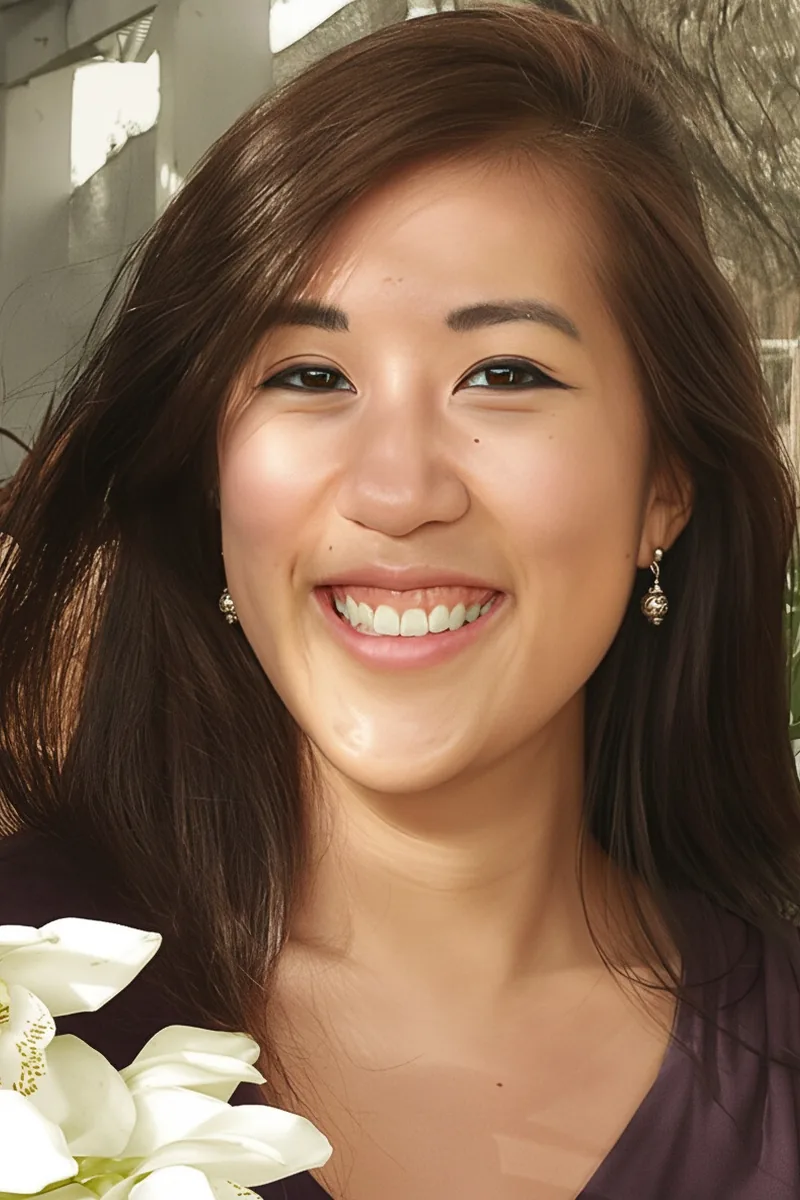
AP English Literature demands more than plot summary — it asks students to write about how a poem's enjambment creates tension or how a novel's narrative voice shapes meaning. Cynthia studied Folklore & Mythology at the college level, giving her deep experience with close reading across genres and centuries. She teaches students to build literary arguments that earn high marks on both the multiple-choice and free-response sections.
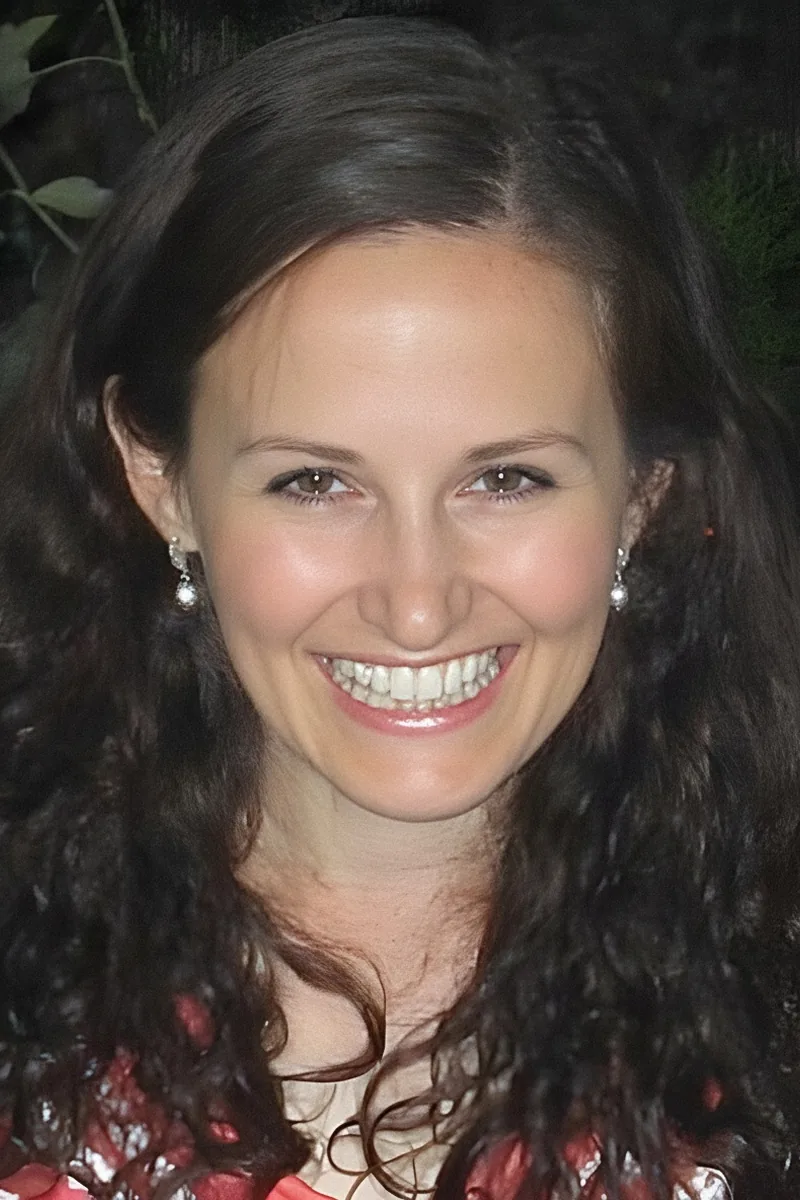
AP English Literature asks students to do exactly what Winnie was trained for: read a poem or prose passage cold and produce a sharp, thesis-driven essay under time constraints. Her comparative literature background means she can teach students to analyze imagery, narrative voice, and structural choices across traditions — from Victorian novels to postcolonial fiction — with the specificity the exam demands.
AP English Literature asks students to do something most haven't been trained for: write a polished literary argument under time pressure about a poem or passage they've never seen. Maddy wrote an honors thesis on art criticism at Harvard and spent years analyzing fiction, poetry, and Shakespeare — she teaches the close-reading instincts and essay structures that earn high scores on the free-response section.
AP English Lit asks students to do something genuinely difficult: read a poem or passage cold and produce a polished analytical essay under time pressure. Sarah's BA in English from Oberlin and her ongoing PhD work at Harvard mean she can teach students to unpack figurative language, track shifts in tone, and build thesis-driven arguments about texts they've never seen before. Her poetry background is especially useful for the notoriously challenging poetry analysis prompt.
AP Lit asks students to do something genuinely difficult: read a poem or prose passage cold and produce a polished analytical essay under time pressure. Noelle unpacks literary devices like imagery, tone shifts, and narrative structure by showing how each one serves the author's larger argument — the kind of close reading that earns high marks on the free-response questions. Her love of reading and writing gives her a natural ear for the nuances the exam rewards.
AP Lit demands more than knowing what a poem or novel is about — it requires writing about how literary choices create meaning under serious time pressure. Rebecca's English degree from Notre Dame, paired with her deep reading background in comparative literature and philosophy, gives her a sharp eye for the kind of close-reading analysis that earns high marks on poetry and prose essays.
AP English Literature asks students to do something genuinely difficult: read a poem or prose passage they've never seen and produce a polished analytical essay in under forty minutes. As a PhD candidate in American Literature at UConn, Meghan digs into the specific skills the exam rewards — thesis construction, close reading of figurative language, and integrating textual evidence without plot summary. She keeps sessions dynamic by rotating through poetry, drama, and fiction so students build range across genres.
AP English Literature asks students to do what Toni does professionally: analyze poetry, prose, and drama with precision and write about it persuasively under pressure. As a college English professor with expertise spanning medieval, British, and comparative literature, she teaches students to build arguments around literary devices like free indirect discourse, enjambment, and unreliable narration — the kind of specificity that earns 8s and 9s on the essays.
AP English Literature demands more than summarizing a novel — it requires close reading that connects imagery, diction, and structure to a text's deeper argument. Stephanie's Princeton coursework sharpened her ability to analyze poetry and prose at the college level, and she applies that same rigor when walking students through timed essay responses and multiple-choice passage analysis.
Spending a semester at Madrid's top-ranked university reading literature alongside Spanish students sharpened Meghan's ability to dissect texts across cultural contexts — exactly the close-reading skill AP Lit demands. She teaches students to build thesis-driven essays around literary devices like imagery, tone shifts, and narrative structure, not just plot summary. Her 5.0 rating speaks to how well that translates in practice.
Earning a Secondary Teacher's certification while studying English means Hailey is learning not just how to analyze literature but how to teach that analysis — breaking down why a particular stanza's enjambment or a narrator's shifting reliability matters, then coaching students to articulate those insights in timed, thesis-driven essays. Her 32 ACT and 5.0 tutoring rating back up an approach rooted in making the leap from 'I noticed something' to 'here's my argument about what it means.'
AP Lit asks students to do something genuinely difficult: read a poem or prose passage cold and produce a polished analytical essay under time pressure. Merav's MFA in Theater Arts means she spent years dissecting dramatic texts for subtext, imagery, and structural choices — exactly the interpretive muscles this exam tests. She teaches students to build a thesis from a single, well-chosen literary device rather than summarizing plot.
Testimonials
Because the right AP English Literature and Composition tutor makes all the difference.
Average Session Rating – Based on 3.4M Learner Ratings
Practice AP English Literature and Composition
Free practice tests, flashcards, and AI tutoring for AP English Literature and Composition
Nearby AP English Literature and Composition Tutors
Other Little Rock Tutors
Related English Tutors in Little Rock
Frequently Asked Questions
AP English Literature and Composition focuses on close reading and literary analysis across multiple genres—poetry, prose, drama, and essays. Students learn to identify literary devices, analyze character development, understand thematic elements, and construct well-supported arguments about texts. The course emphasizes developing strong writing skills through timed essays and mastering the three essay types on the exam: the multiple-choice section, free-response poetry analysis, prose analysis, and open-ended argument essay.
Score improvements depend on your starting point and how consistently you engage with tutoring. Students who work with tutors on targeted weak areas—whether that's close reading strategies, essay structure, or time management—typically see meaningful progress. Many students improve by 1-2 score points on the 1-5 scale, with the biggest gains coming from focused practice on essay writing and understanding question formats. The key is identifying which sections challenge you most and building skills systematically over time.
Many students struggle with time management during the exam—the multiple-choice section requires quick, confident reading, while essays demand clear analysis under pressure. Others find it difficult to move beyond plot summary to deeper literary analysis, or they misinterpret what the essay prompts are asking. Understanding the nuances of different question types and developing a consistent approach to annotation and note-taking can help address these challenges. Personalized tutoring helps you identify which specific areas need work and build strategies to overcome them.
Strong AP essays require a clear thesis, specific textual evidence, and analysis that explains why that evidence matters. Many students lose points by choosing weak examples or failing to connect evidence back to their argument. Tutors can help you develop a reliable essay structure, practice identifying the strongest quotes and details quickly, and learn to write under timed conditions. Working through past essay prompts and receiving feedback on your drafts is one of the most effective ways to build confidence and improve your scores.
Effective reading for AP Literature means active engagement with the text—annotating for tone, imagery, character shifts, and thematic patterns rather than passively reading. Many students benefit from practicing strategic skimming and learning to identify what's important before diving deep. Tutors can teach you annotation techniques, help you recognize common question patterns, and guide you through timed practice passages to build both speed and accuracy. The goal is developing confidence in your close reading skills so you can tackle unfamiliar texts during the exam.
Most students benefit from beginning serious preparation 3-4 months before the May exam, with consistent weekly practice. This timeline allows you to work through the curriculum, complete practice essays, take full-length practice tests, and refine your strategies. If you're starting closer to test day, focused tutoring sessions combined with intensive practice can still make a meaningful difference. The key is regular, targeted work rather than cramming—consistent engagement with essays and practice passages builds the skills and confidence you need.
Varsity Tutors connects you with expert tutors who specialize in AP English Literature and Composition and understand the specific demands of the exam. When you get matched with a tutor, you can discuss your goals—whether that's improving essay scores, building reading confidence, or mastering time management—and develop a personalized study plan. Tutors can work with you on practice essays, review your strengths and weaknesses, and provide targeted strategies to help you succeed on test day.
Your first session is an opportunity to discuss your current level, specific challenges, and goals for the exam. Your tutor will likely assess your strengths in areas like essay writing, reading comprehension, and time management, then work with you to create a focused plan. You might review a practice essay, discuss strategies for tackling different question types, or work through a sample passage together. This foundation helps your tutor tailor future sessions to maximize your improvement.
Let’s find your perfect tutor
Answer a few quick questions. We’ll recommend the right plan and match you with a top 5% tutor.