Award-Winning German Tutors
serving Cincinnati, OH
German
Tutors in Cincinnati
Private 1-on-1 tutoring, weekly live classes for academic support, test prep & enrichment, practice tests and diagnostics, and more to elevate grades and test scores.
Based on 3.4M Learner Ratings
UniversitiesSchools & Universities
DeliveredHours Delivered
ProficiencyGrowth in Proficiency
Who needs tutoring?
No obligation. Takes ~1 minute.

Sean's background is in political science and writing rather than Germanic studies, so he's upfront that German isn't his deepest subject — but he does teach it alongside a broad range of humanities and language-adjacent subjects like grammar, literature, and essay writing. That cross-disciplinary lens means he's especially useful for students who need help reading German texts closely or building written compositions where grammar and meaning work together.
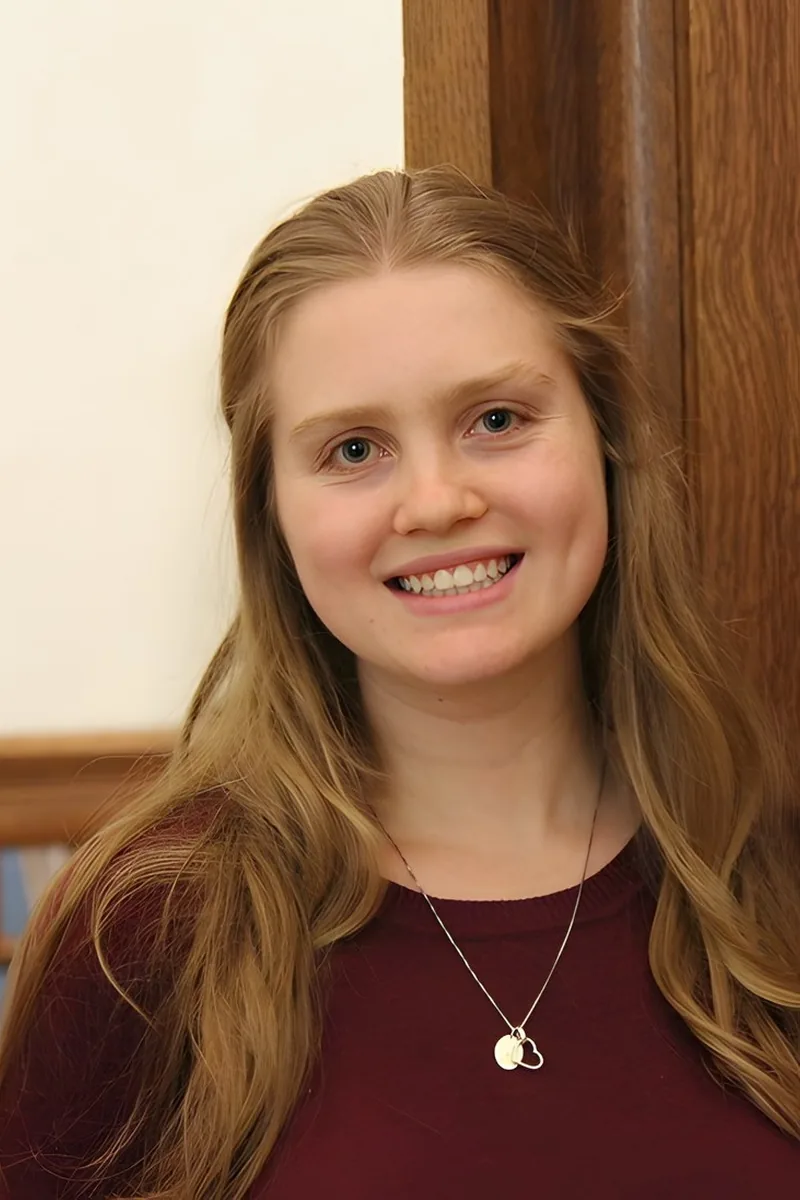
Ariel teaches German 1 and German 2 alongside a broad mix of subjects including Hebrew — meaning she's comfortable switching between language systems with very different alphabets, grammars, and logic. That cross-linguistic awareness sharpens how she explains German-specific hurdles like gendered nouns and accusative vs. dative cases, since she can draw comparisons that monolingual approaches miss.
Learning German means wrestling with case endings, separable verbs, and a sentence structure that puts the verb in places English speakers don't expect. Dan teaches German at multiple levels and brings a literary scholar's sensitivity to how the language actually works — not just memorizing der/die/das tables, but understanding the patterns behind them. He's rated 5.0 and is comfortable with everything from basic conversation to reading German-language texts.
Four levels of German means William has moved well past conjugation tables into complex grammar — subordinate clauses, subjunctive mood, case system nuances that trip up even advanced students. As a linguistics major at Yale, he can explain the structural logic behind German syntax in a way that makes rules feel less arbitrary. He's rated 5.0 by students.
German's case system and verb placement rules trip up most English speakers, but they follow a logic that becomes intuitive once someone lays it out clearly. Ardis teaches all levels of German — from navigating der/die/das and accusative vs. dative cases to constructing complex subordinate clauses — building grammatical understanding that holds up in both writing and conversation.
Lisa has studied German through an advanced level, covering everything from case declensions and subordinate clause word order to reading authentic texts. She approaches grammar as a logical system rather than a set of rules to memorize, which makes tricky concepts like dative prepositions and adjective endings feel more predictable. Her 5.0 rating speaks to how well that approach lands.
Learning German means wrestling with case endings, separable verbs, and word order rules that feel completely alien to English speakers. Colin breaks these grammar patterns into logical systems, connecting each rule to how German actually sounds and reads in practice so the structure clicks instead of feeling arbitrary.
Teaching German at Princeton since 2008 and earning the department's top student-satisfaction scores, Megan knows exactly where English speakers stumble — case endings, word order in subordinate clauses, and the gendered article system that trips up even advanced learners. She holds a doctorate in German literature, which means grammar instruction comes embedded in real cultural and literary context. Whether a student is conjugating sein for the first time or unpacking a Rilke poem, she adjusts the complexity to match.
German's case system and verb placement rules trip up nearly every beginner, but they follow a logic that becomes intuitive with the right explanations. Alice teaches German at multiple levels and breaks down concepts like accusative vs. dative usage through pattern recognition rather than rote chart memorization. Her conversational teaching style means grammar drills feel more like a dialogue than a worksheet.
German isn't Lesleigh's core subject, but her graduate training in classical and modern languages gives her a strong grasp of how Germanic grammar systems work — case endings, word order, and verb placement that trip up English speakers. She approaches German the way she approaches Latin: by teaching students to recognize structural patterns rather than memorize phrase lists.
Seven years of teaching French at the university level gave Dorthea a linguist's instinct for how grammar systems work across languages — and German shares more structural DNA with French than most students realize. She applies that cross-linguistic awareness to German's trickier features, like modal verb placement and subordinate clause word order, making the patterns feel logical rather than arbitrary.
Between German 1 and German 2, Rachel covers everything from noun genders and case endings to more complex structures like subordinate clauses and the Konjunktiv. She teaches grammar as a system with internal logic rather than a pile of exceptions to memorize, which makes each new rule easier to absorb. Her relaxed approach takes the intimidation out of a language that looks harder on paper than it actually is.
Studying German at the University of Pennsylvania gave Eliza a deep command of the language's trickiest features — case endings, separable verbs, and the word order shifts that trip up English speakers. She unpacks German grammar systematically so students understand the logic behind der/die/das rather than relying on brute memorization. Rated 5.0 by her students.
Amber majored in German at Northwestern, which means she didn't just study the language — she read novels, wrote research papers, and debated in it. She teaches grammar concepts like case endings and word order through pattern recognition, showing students the underlying logic so they can construct sentences on their own instead of relying on memorization tables.
Testimonials
Because the right German tutor makes all the difference.
Average Session Rating – Based on 3.4M Learner Ratings
Other Cincinnati Tutors
Related Languages Tutors in Cincinnati
Frequently Asked Questions
In a typical classroom with an 18.4:1 student-teacher ratio, students get limited opportunities to practice speaking. With personalized 1-on-1 instruction, you get dedicated conversation practice in real time, allowing tutors to correct pronunciation, model natural speech patterns, and build your confidence speaking German. This focused speaking time is one of the biggest advantages of tutoring for developing fluency.
German verb conjugation can feel overwhelming with multiple tenses and cases to master, but tutors break it down systematically—starting with high-frequency verbs and patterns before moving to irregular forms. The key is combining rule-based learning with plenty of practice in context, so grammar becomes intuitive rather than just memorized. Personalized tutoring lets tutors identify which conjugation patterns trip you up most and focus there.
Vocabulary sticks best when you encounter words in meaningful contexts and use them repeatedly over time—a principle called spaced repetition. Tutors can teach you strategies like connecting new words to existing knowledge, using them in sentences you create, and revisiting them across multiple lessons. This beats cramming, which leads to quick forgetting.
Yes—pronunciation is one of the biggest benefits of working with a tutor one-on-one. Tutors can model authentic German sounds, listen to your speech in real time, and give immediate feedback on tricky sounds like the German 'ü' and 'ö' vowels or the guttural 'ch' sound. With consistent practice and correction, you'll develop a more natural accent and feel more confident speaking.
Language and culture are deeply connected, and many tutors weave cultural context into lessons—discussing German traditions, media, literature, and regional differences to help you understand not just how to speak German, but how it's used in real German-speaking communities. This cultural immersion makes learning more engaging and helps you communicate more authentically.
Tutors working with Cincinnati students are familiar with local school curricula and can align their instruction with what you're learning in class. Whether you're working toward proficiency levels, preparing for AP German, or building conversational skills, tutors customize lessons to match your school's expectations and your specific goals.
Your first session is an assessment and planning conversation. The tutor will ask about your current level, what you're studying in school, your goals (like passing an exam or becoming conversational), and which skills need the most work. From there, they'll create a personalized plan and start building your confidence with targeted instruction right away.
Effective German tutoring develops all four skills in an integrated way. You might listen to authentic German audio, discuss what you heard, write about the topic, and then practice speaking your thoughts aloud. This approach mirrors real-world language use and helps each skill reinforce the others, rather than treating them as separate subjects.
Let’s find your perfect tutor
Answer a few quick questions. We’ll recommend the right plan and match you with a top 5% tutor.