Award-Winning German Tutors
serving Cleveland, OH
German
Tutors in Cleveland
Private 1-on-1 tutoring, weekly live classes for academic support, test prep & enrichment, practice tests and diagnostics, and more to elevate grades and test scores.
Based on 3.4M Learner Ratings
UniversitiesSchools & Universities
DeliveredHours Delivered
ProficiencyGrowth in Proficiency
Who needs tutoring?
No obligation. Takes ~1 minute.

Sean's background is in political science and writing rather than Germanic studies, so he's upfront that German isn't his deepest subject — but he does teach it alongside a broad range of humanities and language-adjacent subjects like grammar, literature, and essay writing. That cross-disciplinary lens means he's especially useful for students who need help reading German texts closely or building written compositions where grammar and meaning work together.
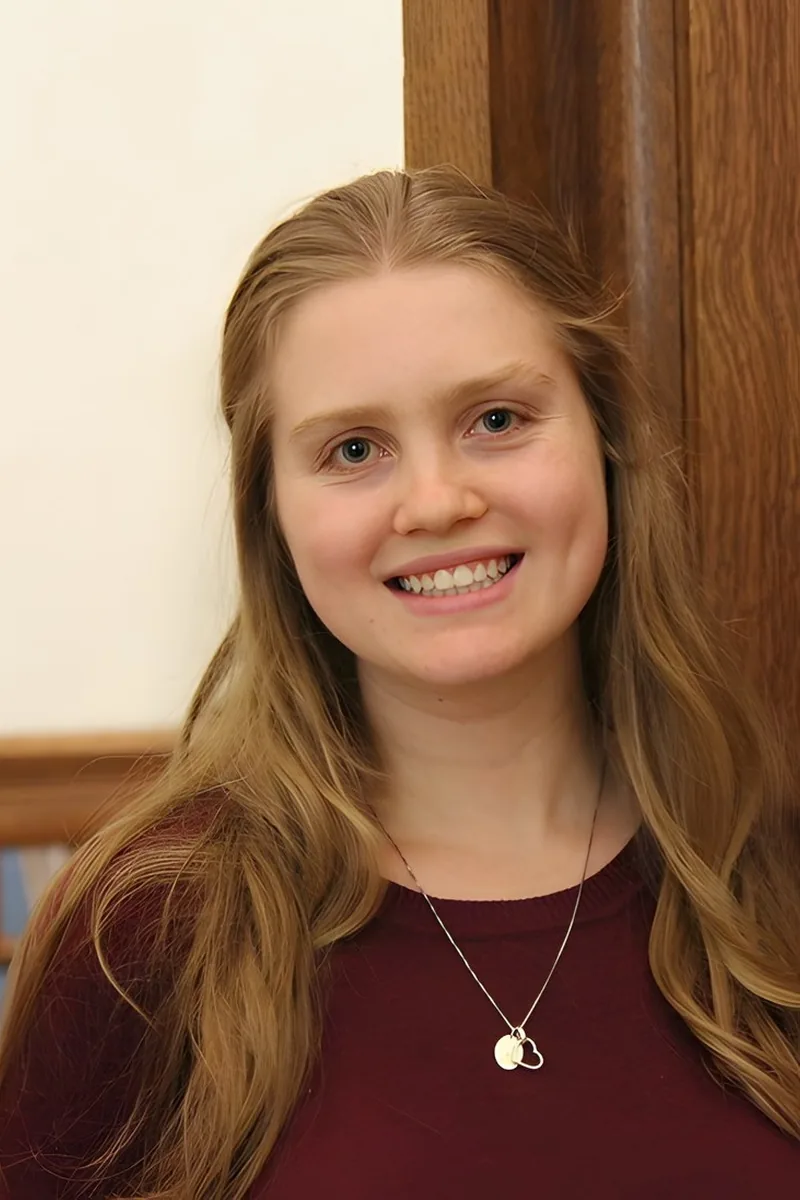
Ariel teaches German 1 and German 2 alongside a broad mix of subjects including Hebrew — meaning she's comfortable switching between language systems with very different alphabets, grammars, and logic. That cross-linguistic awareness sharpens how she explains German-specific hurdles like gendered nouns and accusative vs. dative cases, since she can draw comparisons that monolingual approaches miss.
Covering German 1 through German 4, Kristina pairs her language study with a Contemporary Studies background that naturally weaves in cultural literacy — giving students context for why Germans say things a certain way, not just how. Her 5.0 rating and pursuit of a Texas teaching certification in German signal someone who takes the language seriously enough to build a career around it.
At UC Berkeley, Jacob earned an M.A. in German and received formal training in foreign language pedagogy while teaching college-level German courses. That combination of academic depth and classroom experience means he can explain tricky grammar — separable verbs, adjective endings, subjunctive mood — in ways that actually make structural sense rather than feeling like arbitrary rules.
Joshua teaches German across three levels, with particular attention to case systems and verb conjugation patterns that trip up English speakers. His approach connects grammar rules to the underlying logic of the language, drawing on the same analytical rigor he developed studying philosophy.
Kate's ESL teaching background gives her a sharp understanding of how language acquisition actually works — the grammar patterns, pronunciation hurdles, and vocabulary-building strategies that apply whether someone is learning English or German. She brings that structured, patient approach to German learners working on case endings, verb conjugation, and sentence construction.
Learning German means wrestling with case endings, separable verbs, and word order rules that feel completely alien to English speakers. Colin breaks these grammar patterns into logical systems, connecting each rule to how German actually sounds and reads in practice so the structure clicks instead of feeling arbitrary.
Learning German means wrestling with case endings, separable verbs, and a sentence structure that puts the verb in places English speakers don't expect. Dan teaches German at multiple levels and brings a literary scholar's sensitivity to how the language actually works — not just memorizing der/die/das tables, but understanding the patterns behind them. He's rated 5.0 and is comfortable with everything from basic conversation to reading German-language texts.
Between her Northwestern coursework and studies in German-language opera repertoire — from Mozart to Strauss — Ilana developed a working fluency that goes beyond classroom German. She tackles tricky grammar concepts like case endings and separable verbs by connecting them to patterns students already recognize, making the logic of German sentence structure feel less foreign. Rated 5.0 by students.
Learning German means wrestling with case endings, separable verbs, and a word-order system that feels alien to English speakers. John breaks these structures down systematically, connecting grammar rules to patterns students can actually internalize rather than just memorize from a chart. His experience across every level of German coursework means he can adjust complexity on the fly.
Cornelia teaches German across all four levels, from nominative case basics to navigating subordinate clauses and the subjunctive mood. She integrates games, images, and cultural context into grammar-heavy lessons — an approach that keeps vocabulary and case endings from feeling like pure memorization. Her 5.0 rating speaks to how well that method lands with students.
A year living in Germany gave Richard the kind of fluency that textbooks can't replicate — intuitions about word order, case endings, and the subtle differences between written and spoken registers. He teaches German grammar systematically while weaving in the cultural context that makes vocabulary and idioms easier to internalize.
Teaching German at every level from beginner to advanced, Nadja is a native-level speaker who understands the grammar hurdles — case endings, separable verbs, subordinate clause word order — that trip up English speakers most. She integrates conversation practice with structured grammar drills so students build fluency and accuracy at the same time.
German's case system and word-order rules can overwhelm students who try to absorb them all at once. Elizabeth breaks the four cases down methodically — nominative, accusative, dative, genitive — linking each to specific prepositions and verb patterns so students build reliable instincts rather than guessing at endings.
Testimonials
Because the right German tutor makes all the difference.
Average Session Rating – Based on 3.4M Learner Ratings
Other Cleveland Tutors
Related Languages Tutors in Cleveland
Frequently Asked Questions
Speaking fluency develops best through consistent conversation practice, which can be challenging in traditional classroom settings where speaking time is limited. Varsity Tutors connects you with expert tutors who provide personalized 1-on-1 instruction focused on conversation, allowing you to practice speaking in a supportive environment without the pressure of a classroom. Regular speaking sessions help build confidence, improve pronunciation, and develop natural conversational patterns that you can't easily get from textbooks alone.
German grammar—particularly verb conjugation, case systems, and gender—is best learned through a combination of understanding the rules and practicing them in context. Expert tutors help you move beyond memorization by showing how grammar works in real conversations and writing, making the patterns stick. Rather than drilling isolated rules, personalized instruction connects grammar to actual usage, so you understand not just the "what" but the "why" behind German sentence structure.
Vocabulary sticks best when you encounter words in meaningful contexts and use them repeatedly over time—a principle called spaced repetition. Tutors can help you build vocabulary through conversation, reading, and thematic lessons that connect new words to topics you care about, rather than random word lists. Personalized instruction also allows tutors to identify which words you struggle with and revisit them strategically, reinforcing retention in ways that generic flashcard apps can't match.
Accurate pronunciation requires hearing native-like speech and getting real-time feedback on your own speaking—something that's difficult to achieve alone or in large classrooms. Varsity Tutors connects you with tutors who can model correct pronunciation, listen carefully to your speech, and provide specific guidance on challenging sounds like the German "ü," "ö," and the guttural "r." Regular practice with immediate feedback helps you adjust your mouth position and intonation until German pronunciation becomes natural.
Absolutely—language and culture are deeply connected, and understanding German-speaking cultures (Germany, Austria, Switzerland) gives context and motivation to your learning. Expert tutors often weave cultural elements into lessons—from discussing German literature and films to explaining cultural norms that affect how the language is used. This immersion-style approach makes German feel more relevant and helps you understand not just what to say, but when and how to say it appropriately.
Reading and writing develop through exposure to authentic German texts and guided practice with feedback. Tutors can help you work through German literature, news articles, or writing assignments tailored to your level, providing explanations and corrections that help you progress. Personalized instruction also allows tutors to identify your specific writing challenges—whether it's sentence structure, word order, or case agreement—and target those areas directly.
Your first session is typically a conversation where a tutor assesses your current level across speaking, listening, reading, and writing to understand your strengths and goals. They'll ask about your background with German, what you hope to achieve, and what challenges you're facing—whether that's grammar, conversation anxiety, or vocabulary gaps. This personalized assessment helps the tutor design a lesson plan tailored specifically to you, so every session builds on your needs rather than following a generic curriculum.
Varsity Tutors connects Cleveland students with experienced German tutors who understand the local curriculum and can provide personalized 1-on-1 instruction in German language and culture. Whether you're preparing for AP German, working toward fluency, or simply wanting to improve your conversational skills, the matching process ensures you're paired with a tutor whose expertise and teaching style fit your goals. You can start with an initial consultation to discuss your needs and find the right fit.
Let’s find your perfect tutor
Answer a few quick questions. We’ll recommend the right plan and match you with a top 5% tutor.