Award-Winning German Tutors
serving Columbus, OH
German
Tutors in Columbus
Private 1-on-1 tutoring, weekly live classes for academic support, test prep & enrichment, practice tests and diagnostics, and more to elevate grades and test scores.
Based on 3.4M Learner Ratings
UniversitiesSchools & Universities
DeliveredHours Delivered
ProficiencyGrowth in Proficiency
Who needs tutoring?
No obligation. Takes ~1 minute.

Sean's background is in political science and writing rather than Germanic studies, so he's upfront that German isn't his deepest subject — but he does teach it alongside a broad range of humanities and language-adjacent subjects like grammar, literature, and essay writing. That cross-disciplinary lens means he's especially useful for students who need help reading German texts closely or building written compositions where grammar and meaning work together.
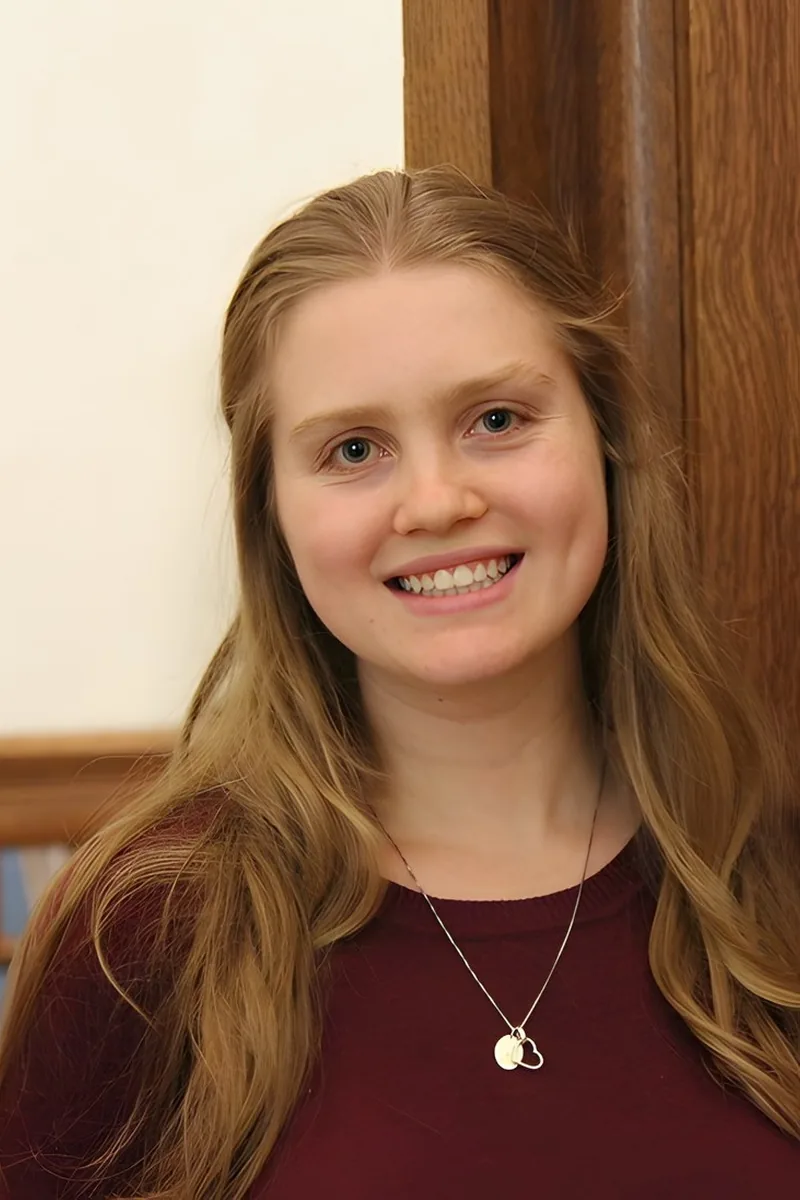
Ariel teaches German 1 and German 2 alongside a broad mix of subjects including Hebrew — meaning she's comfortable switching between language systems with very different alphabets, grammars, and logic. That cross-linguistic awareness sharpens how she explains German-specific hurdles like gendered nouns and accusative vs. dative cases, since she can draw comparisons that monolingual approaches miss.
I am most passionate about helping people learn history, social sciences, and mathematics. I also assist with standardized test prep, primarily with the Reading and Writing sections of the exams. In my spare time, I enjoy photography, hiking and other outdoor activities, and reading about philosophy, evolutionary biology, and human history.
Carolyn's academic training in theology and religious studies required extensive work with German-language primary texts — a tradition where precise reading comprehension and command of complex sentence structures are non-negotiable. She teaches German 1 through German 4, bringing that text-heavy background to bear on vocabulary acquisition and the grammatical logic behind cases and word order.
Willow didn't just study German in a classroom — she earned departmental honors in German Studies at UCLA and spent time at Humboldt Universität Berlin immersed in the language. She tackles grammar concepts like case endings, subordinate clause word order, and verb conjugation patterns by connecting them to how native speakers actually think about sentence structure. That academic depth paired with real immersion experience makes a difference for students at any level.
Learning German means wrestling with case endings, separable verbs, and a sentence structure that puts the verb in places English speakers don't expect. Dan teaches German at multiple levels and brings a literary scholar's sensitivity to how the language actually works — not just memorizing der/die/das tables, but understanding the patterns behind them. He's rated 5.0 and is comfortable with everything from basic conversation to reading German-language texts.
German's case system and word order trip up almost every English speaker, but those patterns become predictable once a student understands the underlying logic. Nicole teaches German at multiple levels — from basic noun genders and accusative/dative distinctions through advanced reading and composition — drawing on her formal linguistics training to make the grammar feel like a puzzle rather than a burden. Her 4.9 rating speaks to how well that analytical approach lands with students.
A full exchange year in Germany through the CBYX scholarship gave Clive the kind of immersive fluency that's hard to replicate in a classroom — navigating bureaucracy, university lectures, and daily life entirely in German. He teaches grammar concepts like case endings and verb conjugation through practical context that makes the rules stick.
German's case system and word order trip up almost every learner at some point — accusative versus dative, verb placement in subordinate clauses, adjective endings that seem to follow no pattern. Jhanelle, who holds a degree in German Studies, breaks these grammar rules into logical systems and builds conversational confidence alongside them so students can actually use what they learn.
Learning German grammar means wrestling with cases, gendered nouns, and a sentence structure that puts verbs in unexpected places — all of which feel overwhelming without a clear system. Nivedina teaches the underlying patterns so that accusative versus dative stops being a guessing game and starts being predictable. Her analytical mindset as a scientist turns German's notoriously rigid rules into something students can actually internalize.
Six months of full-immersion study in Berlin gave Daniel a feel for German that textbooks alone can't replicate — the way case endings sound natural in conversation, or how separable verbs behave in real speech versus grammar drills. He earned his B.A. in German from Duke with a focus that included twentieth-century German history and politics, which means his lessons often connect language to the culture that shapes it.
Four levels of German means William has moved well past conjugation tables into complex grammar — subordinate clauses, subjunctive mood, case system nuances that trip up even advanced students. As a linguistics major at Yale, he can explain the structural logic behind German syntax in a way that makes rules feel less arbitrary. He's rated 5.0 by students.
Fluent in German and trained as a PhD-level linguist, Niko teaches the language with an ear for how its grammar actually works — case endings, verb placement, subordinate clause structure — instead of treating rules as arbitrary things to memorize. He connects German's logic to patterns students may already recognize, making concepts like the dative case or separable prefixes click faster. Whether the goal is passing German 1 or reading Kafka in the original, he builds real comprehension.
Learning German means wrestling with case endings, separable verbs, and a word-order system that feels alien to English speakers. John breaks these structures down systematically, connecting grammar rules to patterns students can actually internalize rather than just memorize from a chart. His experience across every level of German coursework means he can adjust complexity on the fly.
Testimonials
Because the right German tutor makes all the difference.
Average Session Rating – Based on 3.4M Learner Ratings
Other Columbus Tutors
Related Languages Tutors in Columbus
Frequently Asked Questions
Speaking is often the hardest skill to develop in a classroom setting, especially with limited class time and many students competing for conversation opportunities. Varsity Tutors connects you with expert German tutors who provide personalized 1-on-1 speaking practice tailored to your level—whether you're working on pronunciation, building confidence, or mastering complex conversations. Regular tutoring sessions give you consistent speaking opportunities that help you think in German and develop natural fluency.
German verbs change based on person, tense, and mood, and they often have irregular patterns that don't follow simple rules—this makes conjugation one of the biggest hurdles for learners. A tutor can break down conjugation patterns systematically, show you which verbs are irregular, and give you targeted practice so the patterns stick. With personalized instruction, you'll move from memorizing rules to using conjugations naturally in conversation.
Vocabulary retention improves dramatically with spaced repetition and using words in context—simply memorizing lists rarely leads to lasting learning. Tutors use evidence-based strategies like retrieval practice and contextual learning, connecting new vocabulary to real-world situations and previous knowledge. This approach helps you build an active vocabulary you can actually use in speaking and writing, rather than passive recognition.
Yes—personalized tutoring creates an immersive environment where a tutor can conduct lessons entirely in German (or with strategic English support, depending on your level), expose you to authentic German media and cultural content, and simulate real-world conversations. This approach accelerates learning because you're practicing all four skills—reading, writing, speaking, and listening—in a focused, culturally rich context. Many students find that consistent immersion-style tutoring significantly speeds up their path to conversational fluency.
Your first session is an assessment and goal-setting meeting. A tutor will evaluate your current level across all four skills (reading, writing, speaking, listening), understand your learning goals, and identify your biggest challenges—whether that's grammar, pronunciation, or building confidence. From there, they'll create a personalized plan that addresses your specific needs and keeps you motivated.
Columbus schools across the district teach German at various levels, and tutors understand these curriculum expectations and can support you whether you're in a beginner class, AP German, or preparing for proficiency exams. Tutors can reinforce classroom learning, help you master challenging grammar units, prepare for tests, and fill gaps in speaking practice that classroom time doesn't always allow. With Columbus's average student-teacher ratio of 19.7:1, personalized tutoring provides the individual attention that helps you keep pace and excel.
German pronunciation has specific challenges—the guttural 'r' sound, umlauts, and the distinction between similar sounds like 'ü' and 'ö' require focused practice with feedback. A tutor can model correct pronunciation, listen to your speech in real-time, and give you targeted exercises to retrain your ear and mouth. Consistent 1-on-1 practice with expert feedback is far more effective than self-study, and you'll notice improvement within weeks.
Language and culture are inseparable—understanding German customs, history, media, and social norms helps you use language authentically and appreciate nuance that textbooks don't always capture. Tutors can weave cultural learning into your lessons through authentic materials, discussions about German-speaking countries, and real-world communication scenarios. This enriched approach not only makes learning more engaging but also prepares you to communicate effectively with native speakers.
Let’s find your perfect tutor
Answer a few quick questions. We’ll recommend the right plan and match you with a top 5% tutor.