Award-Winning German Tutors
serving Dayton, OH
German
Tutors in Dayton
Private 1-on-1 tutoring, weekly live classes for academic support, test prep & enrichment, practice tests and diagnostics, and more to elevate grades and test scores.
Based on 3.4M Learner Ratings
UniversitiesSchools & Universities
DeliveredHours Delivered
ProficiencyGrowth in Proficiency
Who needs tutoring?
No obligation. Takes ~1 minute.
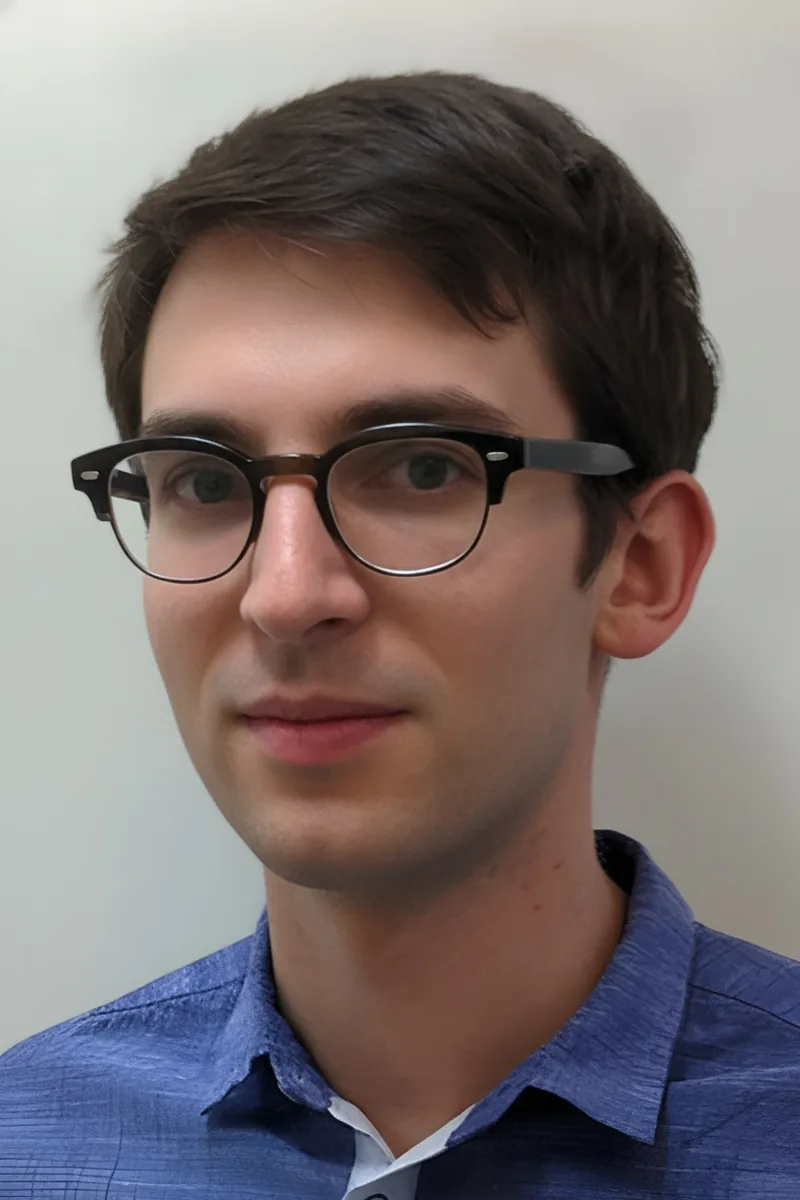
At UC Berkeley, Jacob earned an M.A. in German and received formal training in foreign language pedagogy while teaching college-level German courses. That combination of academic depth and classroom experience means he can explain tricky grammar — separable verbs, adjective endings, subjunctive mood — in ways that actually make structural sense rather than feeling like arbitrary rules.
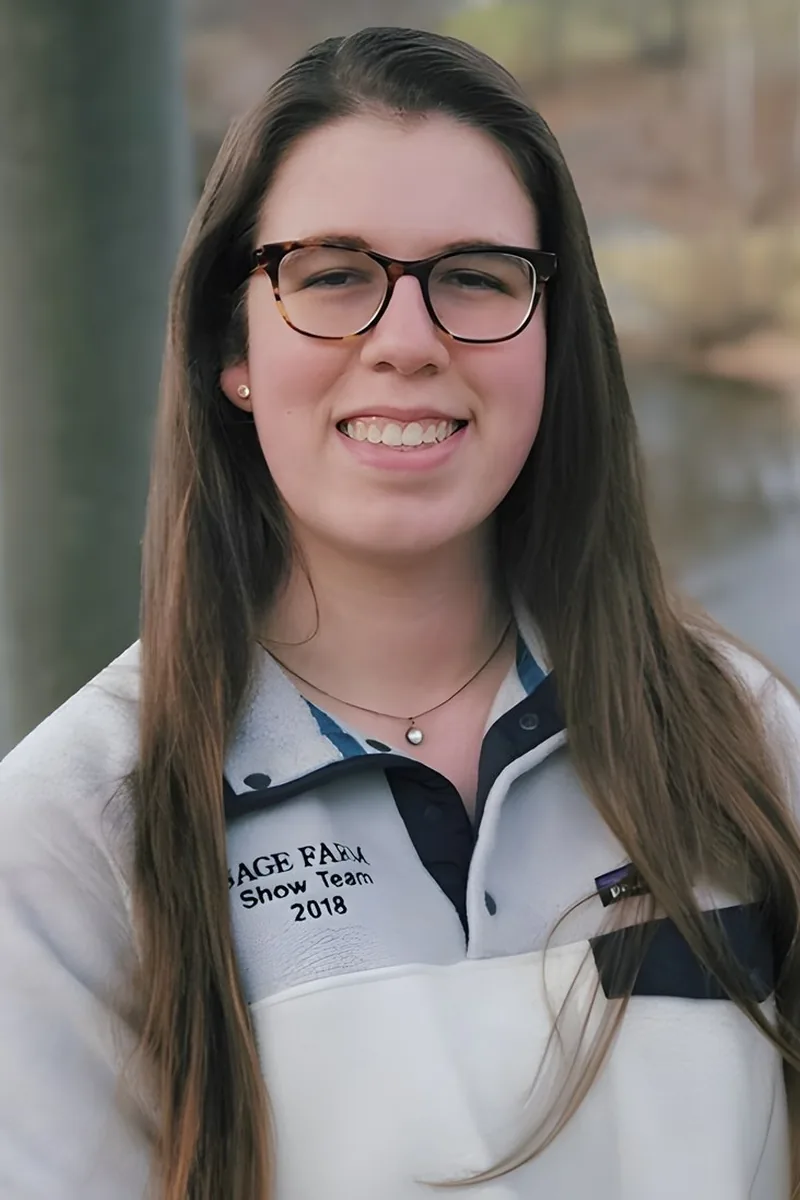
Studying German at Carleton College means Amanda uses the language daily — in coursework, in conversation, and in reading original texts. She walks students through everything from noun cases and gendered articles in German 1 to more complex subordinate clause structures in German 2, building each lesson around practical usage so grammar rules actually stick.
A full exchange year in Germany through the CBYX scholarship gave Clive the kind of immersive fluency that's hard to replicate in a classroom — navigating bureaucracy, university lectures, and daily life entirely in German. He teaches grammar concepts like case endings and verb conjugation through practical context that makes the rules stick.
German's case system and verb placement rules trip up nearly every beginner, but they follow a logic that becomes intuitive with the right explanations. Alice teaches German at multiple levels and breaks down concepts like accusative vs. dative usage through pattern recognition rather than rote chart memorization. Her conversational teaching style means grammar drills feel more like a dialogue than a worksheet.
Lisa has studied German through an advanced level, covering everything from case declensions and subordinate clause word order to reading authentic texts. She approaches grammar as a logical system rather than a set of rules to memorize, which makes tricky concepts like dative prepositions and adjective endings feel more predictable. Her 5.0 rating speaks to how well that approach lands.
Learning German grammar — cases, verb conjugation, word order — rewards the same kind of systematic pattern recognition that Eric uses in his science background. He tackles tricky concepts like accusative vs. dative case by connecting rules to practical usage, so the logic behind the language starts to feel intuitive rather than arbitrary.
Four levels of German means William has moved well past conjugation tables into complex grammar — subordinate clauses, subjunctive mood, case system nuances that trip up even advanced students. As a linguistics major at Yale, he can explain the structural logic behind German syntax in a way that makes rules feel less arbitrary. He's rated 5.0 by students.
Studying German at the University of Pennsylvania gave Eliza a deep command of the language's trickiest features — case endings, separable verbs, and the word order shifts that trip up English speakers. She unpacks German grammar systematically so students understand the logic behind der/die/das rather than relying on brute memorization. Rated 5.0 by her students.
Willow didn't just study German in a classroom — she earned departmental honors in German Studies at UCLA and spent time at Humboldt Universität Berlin immersed in the language. She tackles grammar concepts like case endings, subordinate clause word order, and verb conjugation patterns by connecting them to how native speakers actually think about sentence structure. That academic depth paired with real immersion experience makes a difference for students at any level.
Sabrina minors in German studies at Princeton and has done physics research at a Max Planck Institute in Germany, so her command of the language extends well beyond the classroom. She tackles everything from case endings and verb conjugation patterns to reading comprehension of authentic German texts.
German isn't Lesleigh's core subject, but her graduate training in classical and modern languages gives her a strong grasp of how Germanic grammar systems work — case endings, word order, and verb placement that trip up English speakers. She approaches German the way she approaches Latin: by teaching students to recognize structural patterns rather than memorize phrase lists.
Katherine studied German throughout her undergraduate years at Boston College alongside her psychology and pre-med coursework, giving her a well-rounded command of grammar, vocabulary, and sentence structure. She breaks down tricky concepts like cases, verb conjugation, and word order in a way that makes the logic of the language click.
Amber majored in German at Northwestern, which means she didn't just study the language — she read novels, wrote research papers, and debated in it. She teaches grammar concepts like case endings and word order through pattern recognition, showing students the underlying logic so they can construct sentences on their own instead of relying on memorization tables.
Learning German grammar means wrestling with cases, gendered nouns, and a sentence structure that puts verbs in unexpected places — all of which feel overwhelming without a clear system. Nivedina teaches the underlying patterns so that accusative versus dative stops being a guessing game and starts being predictable. Her analytical mindset as a scientist turns German's notoriously rigid rules into something students can actually internalize.
Learning multiple languages — Mandarin, Japanese, French, and German — gave Jacob firsthand insight into what makes German grammar click for English speakers and where the friction points are. He tackles case endings, word order, and verb conjugation by drawing comparisons across languages, which makes abstract rules more concrete. Students consistently rate him 5.0.
Earning a PhD in German at Harvard means Zachary has spent years reading, writing, and thinking in the language — from Kant's dense philosophical prose to contemporary academic discourse. He teaches grammar not as a set of rules to memorize but as a system with its own internal logic, making case endings and word order click for students at every level. Whether the goal is passing a college course or reading Goethe in the original, he knows how to get there.
Chris isn't a German specialist, but having studied German 1 through 3 alongside a demanding biomedical engineering courseload at UCLA, he knows what it takes to learn a language efficiently under pressure. He brings an engineer's structured thinking to grammar — breaking down case endings and verb placement into logical patterns that make sense to analytically minded students.
Between her Northwestern coursework and studies in German-language opera repertoire — from Mozart to Strauss — Ilana developed a working fluency that goes beyond classroom German. She tackles tricky grammar concepts like case endings and separable verbs by connecting them to patterns students already recognize, making the logic of German sentence structure feel less foreign. Rated 5.0 by students.
As a native German speaker from Austria, Silvia teaches the language the way it's actually spoken — with attention to cases, gendered articles, and verb placement that trips up English speakers most. She tutored her own son in German for four years to maintain his fluency, so she understands exactly where American students stumble with dative versus accusative or separable prefix verbs. Her 5.0 rating speaks to how naturally she makes those tricky grammar patterns stick.
Jay minored in German at Penn State and has studied the language across all four levels, from foundational grammar and case systems to advanced literary and academic texts. He breaks down tricky concepts like adjective endings, subordinate clause word order, and the subjunctive mood in ways that make German's structural logic click rather than feel like arbitrary rules.
Fluent in German and trained as a PhD-level linguist, Niko teaches the language with an ear for how its grammar actually works — case endings, verb placement, subordinate clause structure — instead of treating rules as arbitrary things to memorize. He connects German's logic to patterns students may already recognize, making concepts like the dative case or separable prefixes click faster. Whether the goal is passing German 1 or reading Kafka in the original, he builds real comprehension.
Learning German means wrestling with case endings, separable verbs, and word order rules that feel completely alien to English speakers. Colin breaks these grammar patterns into logical systems, connecting each rule to how German actually sounds and reads in practice so the structure clicks instead of feeling arbitrary.
Grace brings structured thinking and high energy to German lessons, tackling everything from noun genders and case endings to building conversational confidence. While her primary academic focus is American Studies, her experience teaching across multiple subjects means she knows how to break down tricky grammar rules and make vocabulary practice stick.
German's case system and word order trip up almost every English speaker, but those patterns become predictable once a student understands the underlying logic. Nicole teaches German at multiple levels — from basic noun genders and accusative/dative distinctions through advanced reading and composition — drawing on her formal linguistics training to make the grammar feel like a puzzle rather than a burden. Her 4.9 rating speaks to how well that analytical approach lands with students.
Studying German from introductory courses through an advanced minor, Hailey knows exactly where English speakers stumble — dative prepositions, separable verbs, adjective endings that seem to follow no pattern. She explains the underlying logic of German grammar rather than handing students tables to memorize, which makes new rules easier to internalize and apply.
German's case system and word order trip up almost every learner at some point — accusative versus dative, verb placement in subordinate clauses, adjective endings that seem to follow no pattern. Jhanelle, who holds a degree in German Studies, breaks these grammar rules into logical systems and builds conversational confidence alongside them so students can actually use what they learn.
Joel brings structured thinking to German grammar — tackling case endings, verb conjugations, and sentence structure with the same logical precision he applies to his physics work at Cornell. He's particularly effective at demystifying the dative and accusative cases, which trip up most English-speaking learners early on.
Seven years of teaching French at the university level gave Dorthea a linguist's instinct for how grammar systems work across languages — and German shares more structural DNA with French than most students realize. She applies that cross-linguistic awareness to German's trickier features, like modal verb placement and subordinate clause word order, making the patterns feel logical rather than arbitrary.
Teaching German at Princeton since 2008 and earning the department's top student-satisfaction scores, Megan knows exactly where English speakers stumble — case endings, word order in subordinate clauses, and the gendered article system that trips up even advanced learners. She holds a doctorate in German literature, which means grammar instruction comes embedded in real cultural and literary context. Whether a student is conjugating sein for the first time or unpacking a Rilke poem, she adjusts the complexity to match.
Carolyn's academic training in theology and religious studies required extensive work with German-language primary texts — a tradition where precise reading comprehension and command of complex sentence structures are non-negotiable. She teaches German 1 through German 4, bringing that text-heavy background to bear on vocabulary acquisition and the grammatical logic behind cases and word order.
Morgan speaks three languages — Russian, Spanish, and German — which means she's internalized the process of learning a new grammar system from scratch more than once. That multilingual perspective is especially useful for German, where she can draw parallels between Russian's case system and German's four cases to make declensions feel less arbitrary. Rated 4.7 by students.
Natalie studied German alongside her English and Film coursework at Cornell, giving her a solid grasp of the language's notoriously tricky case system, separable verbs, and gendered nouns. She approaches German grammar with the same structural thinking she applies to English — breaking down sentence patterns so students understand the logic behind der, die, and das rather than relying on brute memorization.
Teaching German at every level from beginner to advanced, Nadja is a native-level speaker who understands the grammar hurdles — case endings, separable verbs, subordinate clause word order — that trip up English speakers most. She integrates conversation practice with structured grammar drills so students build fluency and accuracy at the same time.
A year living in Germany gave Richard the kind of fluency that textbooks can't replicate — intuitions about word order, case endings, and the subtle differences between written and spoken registers. He teaches German grammar systematically while weaving in the cultural context that makes vocabulary and idioms easier to internalize.
Learning German means wrestling with case endings, separable verbs, and a sentence structure that puts the verb in places English speakers don't expect. Dan teaches German at multiple levels and brings a literary scholar's sensitivity to how the language actually works — not just memorizing der/die/das tables, but understanding the patterns behind them. He's rated 5.0 and is comfortable with everything from basic conversation to reading German-language texts.
German's case system and word-order rules can overwhelm students who try to absorb them all at once. Elizabeth breaks the four cases down methodically — nominative, accusative, dative, genitive — linking each to specific prepositions and verb patterns so students build reliable instincts rather than guessing at endings.
Evan studied German formally as part of his undergraduate degree, which means he knows the grammar inside out — case endings, separable verbs, subordinate clause word order, all of it. He connects each rule to how German actually sounds and reads in real texts, so students internalize patterns instead of just memorizing tables.
Nicholas's primary expertise is in mathematics and statistics, not German — but he's conversational in the language and brings the same structured, analytical thinking that defines his math tutoring to learning grammar rules and vocabulary. For students who respond better to logical pattern-based explanations of things like case endings and verb placement, his approach can be a surprisingly good fit.
Learning German means wrestling with case endings, separable verbs, and a word-order system that feels alien to English speakers. John breaks these structures down systematically, connecting grammar rules to patterns students can actually internalize rather than just memorize from a chart. His experience across every level of German coursework means he can adjust complexity on the fly.
Between German 1 and German 2, Rachel covers everything from noun genders and case endings to more complex structures like subordinate clauses and the Konjunktiv. She teaches grammar as a system with internal logic rather than a pile of exceptions to memorize, which makes each new rule easier to absorb. Her relaxed approach takes the intimidation out of a language that looks harder on paper than it actually is.
Testimonials
Because the right German tutor makes all the difference.
Average Session Rating – Based on 3.4M Learner Ratings
Other Dayton Tutors
Related Languages Tutors in Dayton
Frequently Asked Questions
Speaking practice is one of the biggest challenges in traditional classrooms, where students often get limited opportunities to talk. Personalized 1-on-1 instruction with a German tutor gives you consistent conversation practice tailored to your level—from basic greetings to complex discussions. A tutor can correct your pronunciation in real-time, help you think through sentence structure naturally, and build confidence in ways that classroom settings can't replicate.
German verbs conjugate differently based on person, tense, and mood—and irregular verbs add another layer of complexity. Rather than memorizing conjugation tables, expert tutors teach you patterns and rules that make verbs predictable, plus they provide plenty of practice so conjugation becomes automatic. With personalized instruction, you can focus on the specific verb tenses and situations that challenge you most, whether that's present tense, past tense, or subjunctive mood.
Vocabulary sticks when you use it in context and encounter it repeatedly over time—a principle called spaced repetition. Tutors help you learn words through conversation, reading, and writing rather than isolated lists, so they connect to real meaning. They can also teach you memory strategies, show you how German word structure helps you guess meanings, and customize vocabulary lessons around topics you care about, making retention much stronger.
Most Dayton schools follow Ohio's foreign language standards and teach German through communicative approaches that emphasize all four skills: reading, writing, listening, and speaking. Many students take German I, II, III, and AP German if available. Tutors familiar with Ohio's curriculum can help you master the specific content and skills your school expects, whether you're preparing for class assessments, AP exams, or just want to deepen your fluency beyond what classroom time allows.
Absolutely. While you may not have access to a German-speaking community in Dayton, personalized tutoring creates an immersion-like experience by maximizing your exposure to natural German conversation and cultural context. Tutors can incorporate German media, authentic texts, and cultural discussions into lessons, helping you understand not just the language but how native speakers actually use it. This approach builds deeper comprehension and more natural fluency than traditional textbook learning.
German pronunciation has specific rules—like the guttural 'ch' sound and precise vowel distinctions—that are hard to master without feedback from a native or near-native speaker. A tutor can model correct pronunciation, listen to your speech, and give you targeted exercises to refine sounds that don't exist in English. Regular practice with immediate correction helps train your ear and mouth to produce authentic German sounds naturally.
Your first session is about understanding where you are and where you want to go. A tutor will assess your current level across reading, writing, listening, and speaking; learn about your goals (whether it's passing a class, preparing for AP German, or achieving conversational fluency); and discuss any specific challenges you face. From there, they'll design a personalized plan that targets your needs and builds momentum from day one.
In a classroom with 18+ students, your teacher can't spend much time on your individual pronunciation, grammar struggles, or conversation practice. Personalized tutoring adapts completely to your pace and priorities—if verb conjugation is your weakness, you focus there; if you need conversation confidence, you practice speaking. This targeted approach means you make faster progress and build genuine fluency rather than just passing tests.
Let’s find your perfect tutor
Answer a few quick questions. We’ll recommend the right plan and match you with a top 5% tutor.