Award-Winning ACT Reading Tutors
serving Charleston, SC
ACT Reading
Tutors in Charleston
Private 1-on-1 tutoring, weekly live classes for academic support, test prep & enrichment, practice tests and diagnostics, and more to elevate grades and test scores.
Based on 3.4M Learner Ratings
UniversitiesSchools & Universities
DeliveredHours Delivered
ProficiencyGrowth in Proficiency
Who needs tutoring?
No obligation. Takes ~1 minute.
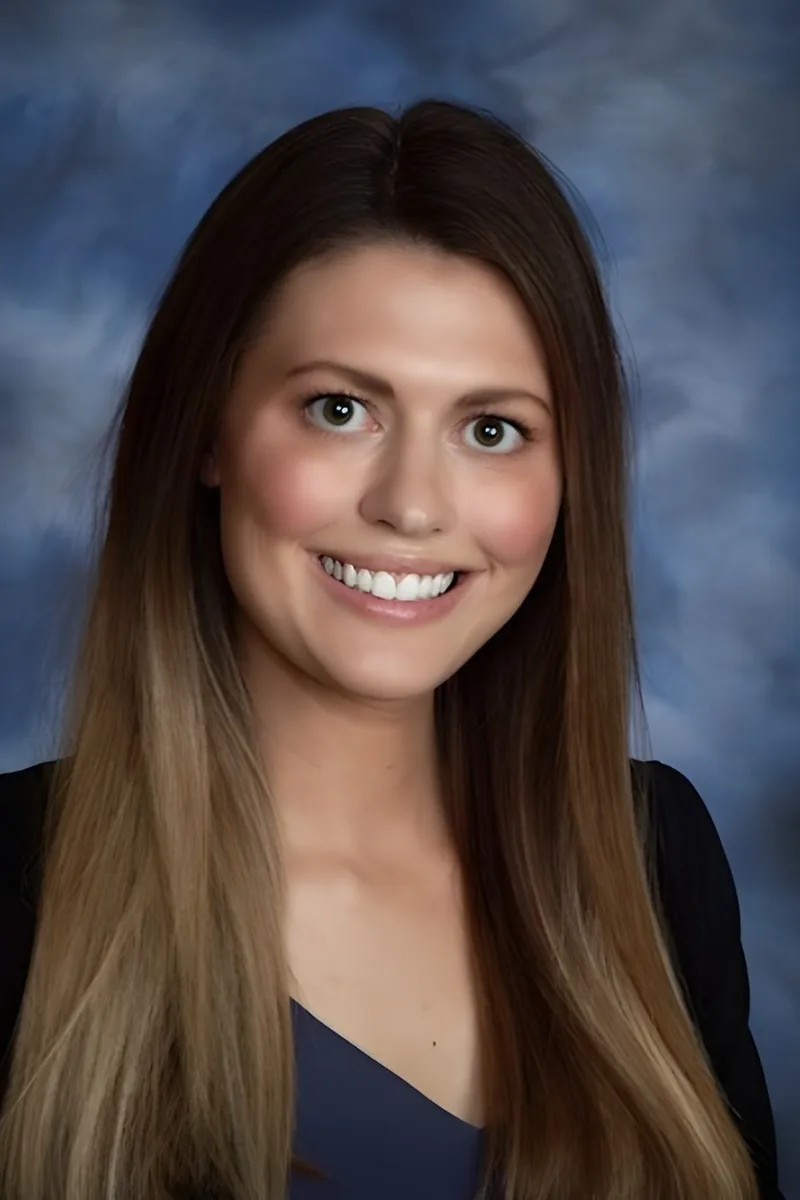
I am currently a fourth year medical student in Indianapolis. I completed my undergraduate education at Indiana University Bloomington, where I majored in Biology and Spanish. I also completed two minors in Mathematics and Chemistry. While at IU, I worked for the Department of Mathematics and Department of Spanish. I also worked as a Peer Tutor for the IU Athletics Department, tutoring in several subjects including statistics, chemistry, physics, and Spanish. I graduated from college with a 4.0, and I entered medical school shortly thereafter. Since coming to medical school, I have excelled in all of my pre-clinical coursework, and I currently rank in the Top 20% of my class. I feel very comfortable and confident tutoring other students in a variety of subjects from math and science to Spanish. I like to think that the same techniques I have used to excel in all phases of my education can be easily adapted to other students and help you achieve your academic goals, just as I have!
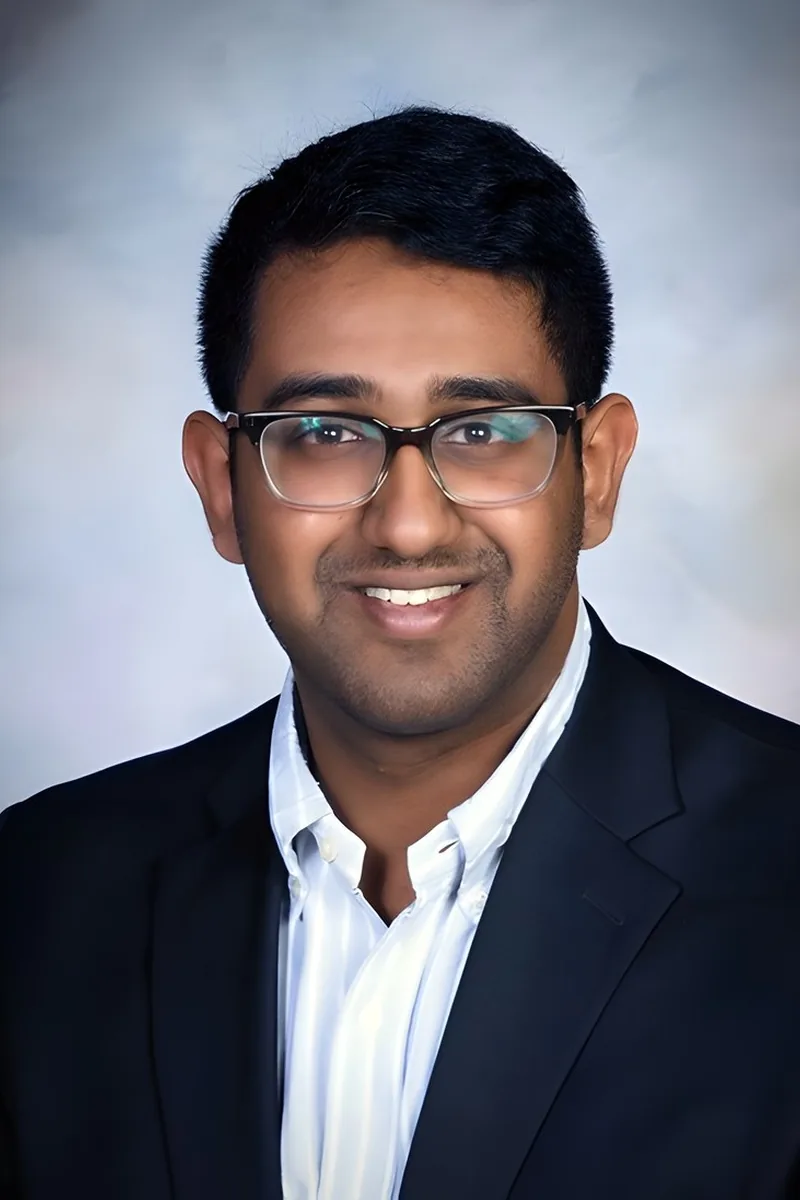
I am a recent graduate of Cornell University, where I received a B.S. in Chemical Engineering and graduated Magna Cum Laude. Over the past several years, I have worked with students from diverse backgrounds and experiences tutoring thermodynamics (my personal favorite), chemistry, and math. I have also tutored in the past for ACT/SAT and other subjects such as history, but I am deeply passionate about science and engineering. I tend to push my students to understand conceptual topics, as opposed to rote or algorithmic learning. In my free time, I love to bake sourdough, learn about history, garden, and recently started biking again.
Scoring a 36 ACT composite means Vivian didn't just read the passages — she learned to dismantle them, distinguishing between what the author states explicitly and what's merely implied. Her approach to the Reading section zeroes in on how to handle the dual-passage comparisons and inference questions that trip up even strong readers. Rated 4.9 by students.
Most students treat ACT Reading as a speed test, but Ilesh reframes it as a precision exercise: knowing what the question actually asks before hunting for evidence in the passage. His 36 composite came partly from a disciplined passage-mapping strategy that he now teaches students to replicate across all four prose genres the section throws at them.
I'm a recent college graduate with degrees in Biological Sciences and Russian from Ohio University. During my time there, I tutored students in a variety of subjects, including biology, chemistry, and Spanish. In addition, I worked as both a peer advisor and teaching assistant, which gives me insight into the learning strategies and study skills that students need to succeed. As a tutor, I like to focus on doing actual problems with students because it is the most effective way to immediately identify their strengths and weaknesses and to address them. In my free time, I like to lift weights, read books, and spend time with my friends.
I'm Lizz, a middle school math teacher working in Chicago Public Schools. I love to see students go from describing themselves as "not a math person" to feeling like they meet exciting challenges in math and other parts of their lives. Even though I love working in the classroom, I feel like tutoring allows me to make more of an impact and connect with students.
I am a Neuroscience and Behavior major at Columbia University. Although my major is centered in the STEM field, I am also passionate about human rights work, global engagement, and local outreach. While my future plans are subject to change, I see myself continuing in academia, going to medical school, and becoming a physician.
I am an aspiring applied mathematician, with particular interest in image processing and climate science. I graduated in May 2017 from Washington University in St. Louis with a bachelor's in physics and mathematics, and am beginning a PhD program in September 2017 at the University of Chicago in Computational and Applied Mathematics. I've tutored introductory physics students for three years and enjoyed it thoroughly, as a chance to help other students while revisiting fundamental concepts to enhance my own knowledge. I'm eager to continue reaching out and helping students of math and physics to succeed and, furthermore, to appreciate the beauty and power of these subjects.
I am an undergraduate at Washington University in St. Louis majoring in Philosophy-Neuroscience-Psychology on the Premed track. I have two years worth of experience peer tutoring. I feel the most confident tutoring ACT preparation. During my time as a high school student, I worked from an ACT score of 25 to a 36 and developed many effective strategies that I will tailor to the students I tutor and understand the ins and outs of the test. In addition to working with high school peers, I have also enjoyed teaching private piano and violin lessons for elementary students. Helping people knock down their roadblocks is a passion of mine. Standardized tests and basic education may feel removed from our passions, but developing those foundations are essential for opening up opportunities and becoming capable of taking on our pursuits.
The ACT Reading section punishes students who read passively — four passages in 35 minutes requires a deliberate strategy for extracting main ideas and locating evidence fast. David, who scored a 36 composite, teaches a structured approach to each passage type so students spend less time rereading and more time answering confidently.
I'm a sophomore at Vanderbilt University, majoring in Physics and Classics and minoring in Mathematics and Computer Science. I'm qualified to teach a wide variety of subjects, but prefer to focus on the fields I'm studying in school listed above; I have a passion for those areas that I want to share with everyone, no matter the education level or confidence. I believe that no one is "bad at math," but many people haven't been taught math and science concepts in a way that matches how they best learn. As a result, I try to tailor my teaching style to be the best it can be for each individual student. With regard to math and physics, I myself prefer a physical, graphical understanding of different concepts, so I do best at explaining what seemingly abstract concepts actually mean in the real world and how they act on a graph.
Most ACT Reading mistakes happen not because students misunderstand the passage but because they misread what the question is actually asking — "main idea" vs. "the author suggests" require completely different retrieval strategies. Eileen, a Vanderbilt neuroscience major who scored a 36 composite, walks students through a passage-mapping technique that cuts rereading time dramatically and keeps evidence-based answers distinct from inference questions.
Testimonials
Because the right ACT Reading tutor makes all the difference.
Average Session Rating – Based on 3.4M Learner Ratings
Practice ACT Reading
Free practice tests, flashcards, and AI tutoring for ACT Reading
Nearby ACT Reading Tutors
Other Charleston Tutors
Related Test Prep Tutors in Charleston
Frequently Asked Questions
Score improvement depends on your starting point and commitment level, but most students see meaningful gains within 8-12 weeks of focused preparation. Students working with tutors typically improve 2-4 points on the ACT Reading section, though some see larger jumps if they're addressing fundamental comprehension or pacing issues. The key is identifying your specific weak areas—whether that's vocabulary, main idea questions, or time management—and targeting those directly.
The biggest challenge is pacing: you have just 35 minutes to read four passages and answer 40 questions, which leaves only about 8 minutes per passage. Many students also struggle with inference questions that require reading between the lines, or they spend too much time on difficult passages and rush through easier ones. Identifying your specific bottleneck—whether it's reading speed, comprehension, or question-type confusion—is the first step to improvement.
Effective strategies include previewing questions before reading the passage (so you know what to look for), annotating key details as you read, and using process of elimination on tricky questions. Many students benefit from tackling passages in a strategic order rather than front-to-back—starting with passages that match their strengths. A tutor can help you experiment with different approaches during practice tests to find what works best for your reading style and pace.
Most students benefit from taking 4-6 full practice tests under timed conditions, spaced out over several weeks. This gives you enough data to spot patterns in your mistakes and build stamina for the full exam. Between full tests, targeted practice on specific question types or passages is more efficient than doing random problems—a tutor can help you focus your practice where it matters most.
Your first session typically involves taking a diagnostic practice test or reviewing a recent ACT to identify your strengths and weaknesses. From there, a tutor will work with you to understand your reading pace, comprehension level, and which question types trip you up most. You'll leave with a clear picture of your starting point and a personalized study plan tailored to your timeline and goals.
Test anxiety often stems from feeling unprepared or uncertain about strategies—which is exactly what tutoring addresses. By practicing with real ACT passages under timed conditions, you build confidence and reduce the "unknown" factor on test day. Tutors also teach calming techniques like strategic skipping (moving past a tough question to return later) and positive self-talk, which help you stay focused when pressure builds.
Ideally, you should spend about 8-9 minutes per passage including reading and answering all questions for that section. However, the "right" timing depends on your reading speed and comprehension level—some students need a bit more time initially while building confidence. A tutor can help you find your optimal pace through timed practice and teach you when to slow down for complex passages versus when to move faster on straightforward ones.
Look for tutors with strong ACT backgrounds—ideally scoring in the top percentile themselves and with proven experience helping students improve their scores. They should understand the nuances of each question type, have access to real ACT materials, and know how to diagnose reading comprehension issues versus pacing problems. Varsity Tutors connects you with expert tutors in Charleston who specialize in ACT prep and can tailor their approach to your specific needs.
Let’s find your perfect tutor
Answer a few quick questions. We’ll recommend the right plan and match you with a top 5% tutor.