Award-Winning Japanese Tutors
serving Philadelphia, PA
Japanese
Tutors in Philadelphia
Private 1-on-1 tutoring, weekly live classes for academic support, test prep & enrichment, practice tests and diagnostics, and more to elevate grades and test scores.
Based on 3.4M Learner Ratings
UniversitiesSchools & Universities
DeliveredHours Delivered
ProficiencyGrowth in Proficiency
Who needs tutoring?
No obligation. Takes ~1 minute.
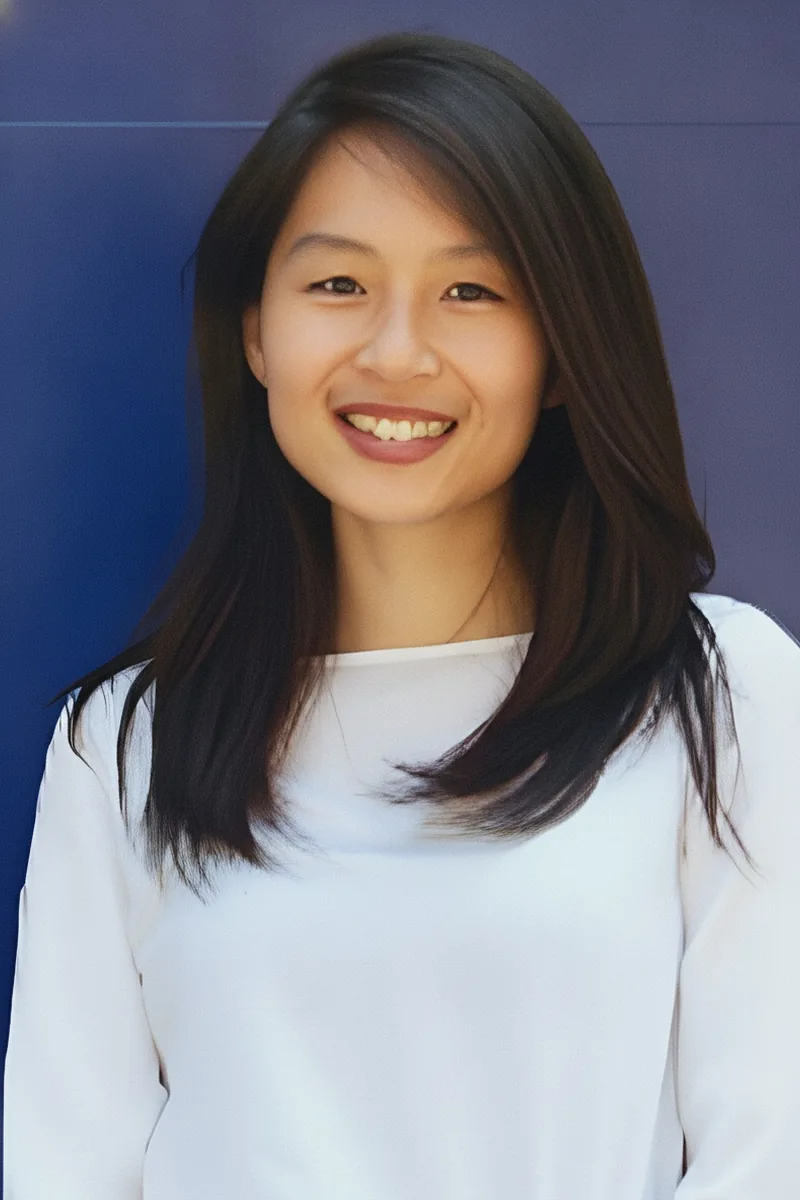
I am open to tutoring in a broad range of subjects, including Algebra, Spanish I/II, ESL and Biology (SAT II, AP, and MCAT).

Jacob's degree in East Asian Languages and Civilizations from the University of Chicago means his Japanese instruction is rooted in deep study of the culture, history, and linguistic traditions behind the language. He connects vocabulary and grammar to their cultural logic — explaining why certain verb endings carry social weight or how kanji compounds reflect Chinese origins — giving students a richer understanding than drills alone provide. Rated 5.0 by students.
I'm a student at Brown University with an eclectic set of interests. I am trilingual, analytical, and creative and look forward to tutoring you! :)
Few Japanese tutors can combine formal academic study with real teaching experience in Japan — Sophie has both. Her East Asian Studies work at Princeton included intensive Japanese language training, and she spent time teaching English in Japan, which gave her deep familiarity with how the two languages map onto (and diverge from) each other. She tackles everything from hiragana and katakana basics to particle usage and keigo politeness levels.
I am also fluent (reading/listening/writing) in Cantonese and mandarin Chinese because of my upbringing. Half of my childhood education was received in Hong Kong and the other half was in Australia.
Damien studied Asian studies at Cornell, where Japanese language and culture were central to his coursework. He approaches the language by grounding grammar patterns — particles like は versus が, verb conjugation groups, and sentence-ending forms — in real context so they stick. Rated 5.0 by students, he makes the jump from textbook exercises to actual comprehension feel manageable.
Sho teaches Japanese with attention to the details that trip up English speakers most — particle usage, verb conjugation groups, and the shift between casual and polite registers. Whether a student is learning hiragana for the first time or working through intermediate kanji and grammar patterns, he brings structured practice to a language that rewards consistency.
I would like to work with people who want to advance their Japanese knowledge and capabilities. I have lived for 18 years in Japan and can guide someone through the intricacies of the language. I have certified top level proficiency on the Japan Foundation Japanese Proficiency Test.
Cori is pursuing a Japanese minor at MIT, which means she's actively working through the grammar structures, kanji readings, and particle usage that trip up most learners. That proximity to the learning process gives her a practical sense of what sticks and what needs extra repetition.
Studying Japanese as a minor at Columbia — with plans to eventually work in Japan's renewable energy sector — Shin uses the language as a living tool, not just a classroom exercise. He teaches everything from hiragana and katakana basics to intermediate grammar patterns like ~てしまう and ~ことにする, adjusting to each student's level and building real conversational confidence alongside written accuracy.
I'm a candidate for a B.S. in Business Administration at Northeastern University. In addition to tutoring, I enjoy playing the tuba and learning about transportation engineering/planning. I'm also fully Japanese and can read, write, and speak the language. As someone who scored 1530 on the SAT and 800 on the Math II subject test, I'd love to assist you in preparing for college!
Rachel's International Relations coursework exposes her to multiple language systems and cross-cultural communication, which she channels into teaching Japanese fundamentals like hiragana recognition, basic particle usage, and everyday vocabulary. Her relaxed, adaptive style — reflected in a 5.0 rating — is especially useful for beginners who tense up when faced with an entirely new writing system and unfamiliar grammar order.
Mechanical engineering at the University of Dayton doesn't obviously connect to Japanese, but Nicholas's systematic problem-solving mindset lends itself well to breaking down kanji radicals, verb conjugation groups, and particle logic into repeatable patterns. He's also genuinely social and talkative — a trait that matters more than you'd think when practicing conversational Japanese, where comfort with speaking aloud is half the battle.
Having majored in Japanese at SUNY Albany, James doesn't just know the language — he understands the grammar architecturally, from particle usage and verb conjugation tiers to the nuances of honorific speech. He teaches reading and writing through cultural context, connecting kanji compounds to their historical roots so students retain them long-term rather than cramming and forgetting. Rated 4.9 by students.
Testimonials
Because the right Japanese tutor makes all the difference.
Average Session Rating – Based on 3.4M Learner Ratings
Other Philadelphia Tutors
Related Languages Tutors in Philadelphia
Frequently Asked Questions
Your first session is an opportunity to discuss your goals—whether you're preparing for AP Japanese, building conversational skills, or starting from scratch. The tutor will assess your current level across reading, writing, speaking, and listening to create a personalized learning plan. This helps ensure every session targets your specific needs and challenges.
In a classroom setting, speaking practice is limited by time and class size. With personalized 1-on-1 instruction, you get dedicated conversation time every session—something impossible in group classes. Tutors can correct pronunciation and natural phrasing in real-time, help you move beyond textbook Japanese, and build confidence speaking without the pressure of peers.
Japanese verb conjugation is challenging because the system is complex and different from English—verbs change based on tense, formality, and sentence structure. A tutor can break down conjugation patterns into manageable chunks, show you how they connect to real conversations, and give you targeted practice so patterns stick. Spaced repetition and retrieval practice—revisiting conjugations across multiple sessions—help move them from memorization to automatic usage.
Passive studying (like flashcard apps alone) often leads to quick forgetting. Effective retention comes from using new words in context—speaking them in sentences, writing them, and seeing them in real materials. Tutors create personalized vocabulary strategies based on your learning style, incorporate new words into conversation practice, and help you understand kanji radicals and patterns so learning feels logical rather than rote.
Yes. Varsity Tutors connects you with tutors experienced in AP Japanese exam preparation, as well as students following specific school curricula. Whether your school uses a particular textbook or you're self-studying, tutors can align their instruction with your coursework while building the four language skills—reading, writing, speaking, and listening—that AP and other proficiency exams assess.
Language and culture are inseparable. Understanding Japanese honorifics, formality levels, and communication styles helps you use grammar correctly and speak naturally. Tutors often weave cultural context into lessons—explaining why certain phrases are used in specific situations, introducing authentic materials, and helping you understand the 'why' behind the language. This makes learning deeper and more meaningful than grammar rules alone.
Pronunciation challenges often come from English speech patterns that don't exist in Japanese—like the 'r' sound or vowel length differences. A tutor can identify your specific pronunciation gaps, model correct sounds, and give you immediate feedback during conversation. Regular speaking practice with a native or near-native speaker helps your ear adjust and your mouth develop the right muscle memory for authentic-sounding Japanese.
Many students get stuck drilling writing systems without connecting them to real language use. Effective tutoring integrates writing practice with meaningful content—reading authentic texts, writing about topics you care about, and understanding why different scripts are used (hiragana for grammar, katakana for foreign words, kanji for meaning). This approach builds all four skills simultaneously rather than treating writing systems as separate from communication.
Let’s find your perfect tutor
Answer a few quick questions. We’ll recommend the right plan and match you with a top 5% tutor.