Award-Winning AP Chinese Language and Culture Tutors
serving Portland, OR
AP Chinese Language and Culture
Tutors in Portland
Private 1-on-1 tutoring, weekly live classes for academic support, test prep & enrichment, practice tests and diagnostics, and more to elevate grades and test scores.
Based on 3.4M Learner Ratings
UniversitiesSchools & Universities
DeliveredHours Delivered
ProficiencyGrowth in Proficiency
Who needs tutoring?
No obligation. Takes ~1 minute.

Paul is one of those rare tutors who operates at an advanced level in both Mandarin Chinese and a second foreign language, giving him unusual insight into how tonal languages, character-based writing systems, and cultural frameworks interact on the AP exam. He zeroes in on the interpersonal and presentational communication tasks, coaching students through the real-time speaking and writing prompts that carry the most weight.
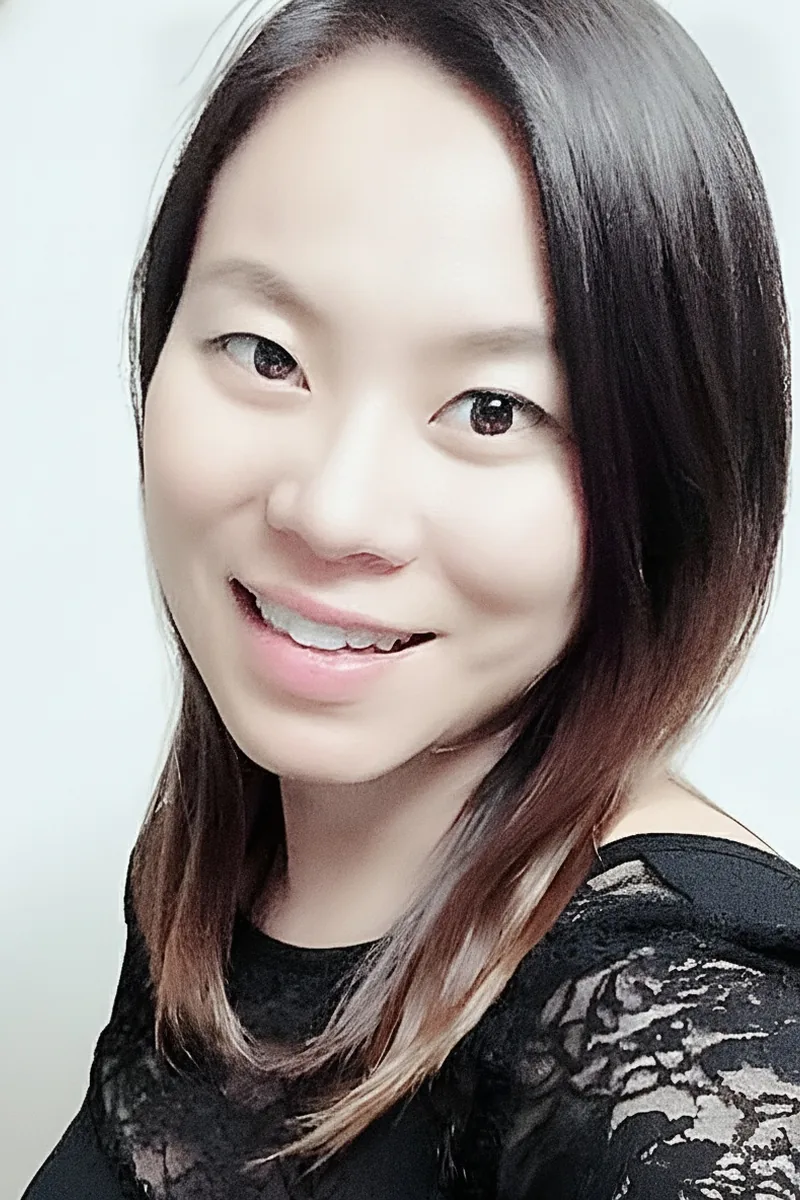
After a decade teaching middle schoolers in a Chinese immersion school in California, Ruth knows exactly where students' spoken Mandarin starts to buckle under the pressure of timed AP tasks — especially the presentational speaking prompts that demand formal structure and clear tonal precision on the fly. She also taught History and Theater entirely in Chinese, which means her students get exposure to the kind of cross-disciplinary cultural vocabulary that the exam's reading and listening passages actually test. Rated 5.0 by students.
With an economics degree and fluency across four levels of Mandarin Chinese, Alexander brings a practical, content-rich angle to AP Chinese prep — particularly the interpretive listening passages, where students need to process real-world topics like trade, policy, and social trends discussed in rapid, formal Mandarin. He also tackles the exam's cultural comparison essays by drawing on his cross-cultural academic background to teach students how to move beyond surface-level observations and anchor their responses in specific, substantive examples.
The AP Chinese Language and Culture exam rewards students who can think culturally, not just linguistically — comparing traditions, explaining customs, and narrating personal experiences in natural Mandarin. Lauren lived in Nanjing and studied at Nanjing University, so she brings real-world cultural fluency to the interpersonal and presentational tasks that trip up even strong speakers. Her linguistics degree also means she can explain tricky grammar patterns with unusual clarity.
Eric teaches across three levels of Mandarin Chinese and coaches AP Chinese Language and Culture with a particular edge on the interpersonal speaking tasks, where his conversational fluency and 36 ACT verbal instincts help students think on their feet during timed prompts. His biomedical engineering coursework at Duke also means he can introduce technical and academic vocabulary that gives cultural comparison essays unexpected depth — discussing China's healthcare system, STEM education culture, or scientific collaboration norms rather than recycling the same festival examples every other student writes about.
Most AP Chinese prep zeroes in on language mechanics, but the exam's interpersonal speaking prompts reward the kind of natural, idiomatic Mandarin that only comes from native fluency — and Tracy grew up speaking it at home. She also teaches across multiple Mandarin levels and competed in math competitions using bilingual problem-solving skills, so she understands how to bridge the gap between conversational comfort and the formal register the exam demands. Rated 4.9 by students.
The culture component of AP Chinese Language and Culture is where many students lose points — understanding idioms, social registers, and cultural practices well enough to respond authentically under timed conditions. Jiahao's graduate training in interpretation at Beijing Foreign Studies University was built around exactly this kind of cross-cultural fluency, and he brings that depth to every practice prompt and free-response drill.
As a native Mandarin speaker who taught a beginning Chinese course at the Wheeler School in Providence, Jennifer knows exactly where English-speaking learners stumble — tonal accuracy, measure words, and the leap from textbook dialogue to real conversation. She covers all four AP exam skills (interpersonal and presentational speaking, listening, and reading) with particular attention to the cultural comparison essay, where strong structure can make or break a score.
The cultural component of AP Chinese Language and Culture trips up students who only study vocabulary lists — the exam expects nuanced comparisons between Chinese and American cultural practices, from family structures to educational values. Li connects language instruction to these cultural contexts, drawing on her own bicultural academic experience across speech science and medicine.
Jason is a Mandarin speaker who understands both the linguistic and cultural dimensions the AP Chinese exam tests — from formal vs. informal register in presentational writing to the cultural comparisons required in the free-response section. He walks students through listening comprehension strategies and character recognition alongside the cultural knowledge that earns top scores.
Having tutored the SAT Subject Test in Chinese with Listening and spent time working in Hong Kong, Asta understands both the linguistic and cultural dimensions the AP Chinese exam tests. She digs into the presentational writing and interpersonal speaking tasks that trip up even heritage speakers, breaking down how to structure responses that earn top marks on the rubric.
Eileen scored well enough on the SAT Subject Test in Chinese with Listening to understand both the language mechanics and the test strategy behind AP Chinese. She tackles the interpersonal and presentational communication tasks by drilling real conversational patterns and teaching students how to structure spoken and written responses under timed conditions.
Testimonials
Because the right AP Chinese Language and Culture tutor makes all the difference.
Average Session Rating – Based on 3.4M Learner Ratings
Nearby AP Chinese Language and Culture Tutors
Other Portland Tutors
Related Languages Tutors in Portland
Frequently Asked Questions
The AP Chinese Language and Culture exam tests proficiency across listening, reading, writing, and speaking skills at the intermediate-high to advanced level. The exam includes multiple-choice sections for listening and reading comprehension, a free-response writing section, and a speaking portion with interpersonal and presentational components. It assesses not just language skills but also cultural knowledge of Chinese-speaking communities, making it one of the more comprehensive AP language exams.
Most students benefit from 3-6 months of focused preparation, though this varies based on prior Chinese language experience. Students who have completed Chinese language coursework typically need less time than those starting from a lower proficiency level. A personalized tutoring plan can help you assess your current level and create a realistic timeline tailored to your goals and test date.
Many students struggle with the timed speaking section, where you must respond to prompts with natural pronunciation and appropriate vocabulary within strict time limits. Reading comprehension can also be challenging due to the variety of written styles and cultural references in authentic texts. Additionally, balancing all four skills—listening, reading, writing, and speaking—requires a comprehensive study approach rather than focusing on just one area.
A score of 3 or higher is considered passing and earns college credit at most institutions, while a 4 or 5 demonstrates strong to excellent proficiency. The national average for AP Chinese is typically lower than other AP exams, reflecting the language's complexity, so scoring a 3 or above is a solid achievement. Your target score depends on your college goals and major requirements—discuss this with a tutor to set realistic benchmarks based on your starting level.
A tutor can provide personalized instruction targeting your specific weak areas—whether that's conversational fluency, reading comprehension, or test-taking strategies. They can conduct practice speaking sessions to build confidence and natural delivery, review your writing for grammar and cultural appropriateness, and teach you strategies for managing the timed sections. Regular practice with feedback from an expert tutor accelerates improvement far more than self-study alone.
Practice tests are essential for AP Chinese because they help you understand the exam format, manage your time across all sections, and identify specific skill gaps. Taking full-length practice tests under timed conditions reveals whether you struggle more with listening, reading, writing, or speaking—information that helps you and your tutor prioritize your study efforts. Most successful students complete multiple practice tests throughout their preparation period.
Yes—cultural knowledge is woven throughout the AP Chinese exam, particularly in reading passages and listening materials that reference historical events, traditions, and contemporary life in Chinese-speaking regions. You don't need to memorize facts, but understanding cultural context helps you comprehend authentic materials and respond appropriately to prompts. A tutor can help you build cultural literacy alongside language skills.
Your first session typically includes an assessment of your current Chinese proficiency across all four skills—listening, reading, writing, and speaking. The tutor will discuss your AP exam timeline, target score, and specific areas where you need the most help. From there, you'll develop a personalized study plan that balances skill-building with test-specific strategies tailored to your goals.
Let’s find your perfect tutor
Answer a few quick questions. We’ll recommend the right plan and match you with a top 5% tutor.