Award-Winning AP Latin Tutors
serving Portland, OR
AP Latin
Tutors in Portland
Private 1-on-1 tutoring, weekly live classes for academic support, test prep & enrichment, practice tests and diagnostics, and more to elevate grades and test scores.
Based on 3.4M Learner Ratings
UniversitiesSchools & Universities
DeliveredHours Delivered
ProficiencyGrowth in Proficiency
Who needs tutoring?
No obligation. Takes ~1 minute.
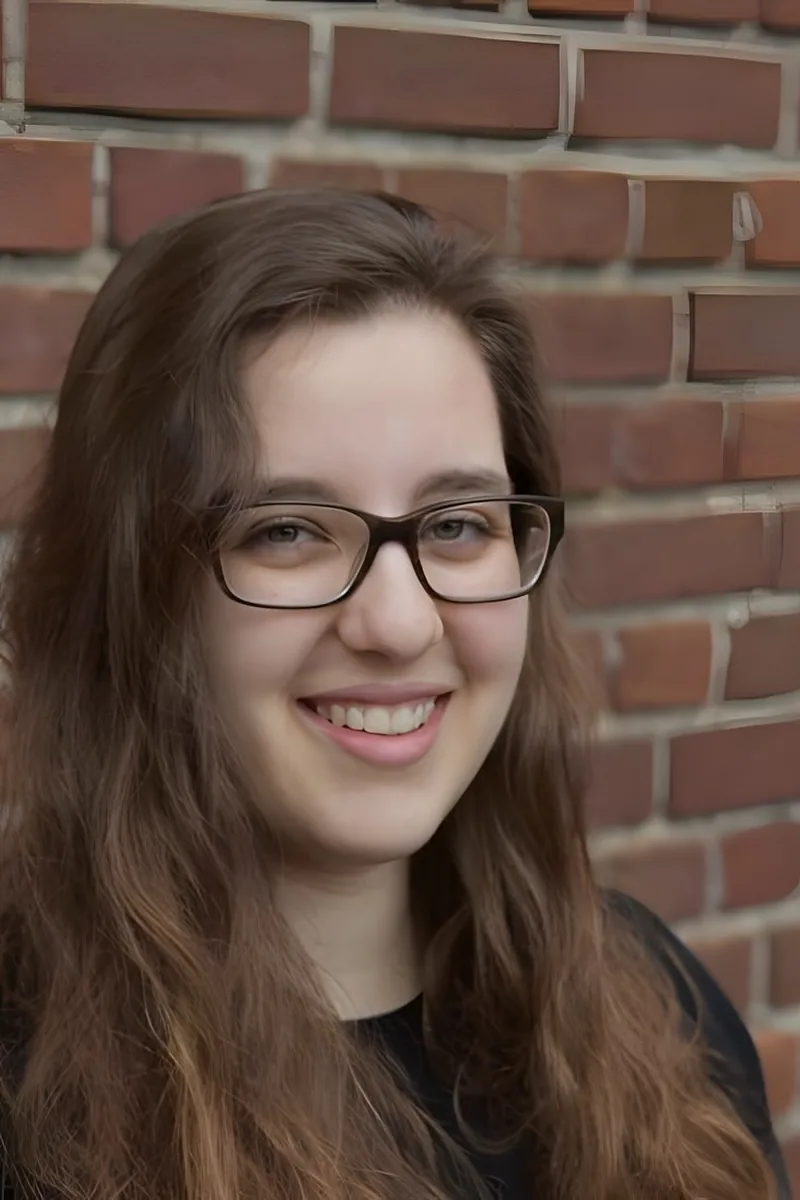
A Reed College Classics degree means Marilyn didn't just study Latin — she lived in the language alongside Ancient Greek, building the kind of cross-linguistic intuition that makes tricky AP constructions like fear clauses and conditions contrary to fact easier to explain from multiple angles. She's especially sharp on Vergil's poetry, where understanding meter and word order simultaneously is half the battle for students tackling sight-reading passages under exam pressure. Rated 4.8 by students.

While Latin isn't John's primary teaching area, his English and drama training sharpens the close-reading and rhetorical analysis skills that AP Latin's essay and free-response sections demand — particularly when students need to discuss how Vergil or Caesar construct persuasive or dramatic moments in their texts. His experience with literature and writing gives him a practical angle on the interpretive side of the exam.
Grace lists AP Latin among her subjects and has studied the language, but her strongest academic foundation is in political science and government — so she's at her best coaching the essay and analytical portions of the exam, where students need to argue how Caesar or Vergil uses rhetoric and structure to achieve a purpose. Her 1570 SAT reflects the close-reading precision that transfers well to unpacking Latin passages under timed conditions.
Katherine's psychology major gives her an unusual angle on the AP Latin essays — when students need to analyze how Vergil manipulates emotion or how Caesar constructs persuasive narratives, understanding human motivation becomes a genuine asset. She's studied Latin and brings that foundation to translation work, though her real strength is coaching the free-response section where rhetorical analysis and clear argumentative writing determine the score.
Studying at Yale with Latin on his transcript and an SAT score of 1500, Stephen brings sharp reading comprehension instincts to the AP Latin texts — skills that transfer directly to unpacking Caesar's dense periodic sentences and Vergil's hyperbatic word order. His psychology background also gives him an edge when coaching students through the essay prompts, since analyzing an author's intent to persuade or evoke emotion is as much about understanding human motivation as it is about grammar.
Most AP Latin students hit a wall not with vocabulary but with the grammar — figuring out how a string of ablative absolutes or nested subjunctive clauses actually fits together in a real passage of Caesar. Ben studied classical and medieval Latin and brings an English major's close-reading instincts to translation work, teaching students to track how word order and syntax carry meaning rather than just hunting for dictionary definitions. His 34 ACT and 4.7 rating point to the kind of precise, careful reading the exam rewards.
Majoring in both French/Francophone Studies and Linguistics at William & Mary, Tristan brings a linguist's eye to Latin — the kind of cross-language structural awareness that makes it easier to explain why Vergil inverts word order for emphasis or how Caesar's subjunctive clauses signal intent. He's completed Latin through the advanced level and scored a 1590 SAT, reflecting the close-reading precision that pays off on both translation and free-response sections. Rated 5.0 by students.
Translating Vergil and Caesar under AP exam conditions requires more than vocabulary recall; it demands recognizing how ablative absolutes, indirect discourse, and subjunctive clauses reshape meaning in real passages. Meghna digs into the grammar underlying each line so students can parse unfamiliar constructions confidently and write the kind of analytical essays the exam rewards.
Having studied Latin through three levels — including AP — Sarah knows firsthand where students get tripped up on the exam's translation and essay demands. Her English degree sharpens the literary analysis side, especially when students need to articulate how Vergil's word order or Caesar's sentence structure creates meaning in free-response prompts. Rated 5.0 by students.
AP Latin's exam asks students to do more than translate — they need to analyze Vergil's and Caesar's rhetorical strategies, scan dactylic hexameter, and write sight-reading commentary under time pressure. Vivian's Classics minor at Fordham immersed her in exactly these texts and techniques. She breaks down complex grammatical constructions like ablative absolutes and indirect discourse so students build genuine reading speed.
Latin at the AP level is essentially a translation and literary analysis exam — students need to sight-read Vergil and Caesar with speed and then write intelligent commentary on style and context. Emma's Latin studies run through Level 4 and AP, and she unpacks complex syntactic structures like ablative absolutes and indirect discourse by connecting them to the narrative choices authors are making. That blend of grammar precision and literary enthusiasm is exactly what the AP exam demands.
Four levels of Latin study give June deep familiarity with the grammar, syntax, and literary analysis the AP exam demands — from scanning dactylic hexameter in Vergil to unpacking Caesar's rhetorical strategies in De Bello Gallico. Her linguistics interest at Brown adds an extra dimension, connecting Latin constructions to broader patterns in how languages work.
A Classics degree means Leslie didn't just take Latin — she built her entire undergraduate education around the ancient world, reading the same Vergil and Caesar passages that AP students face on exam day. Her coursework through Latin 4 and AP-level material gives her the grammatical depth to walk through tricky constructions like ablative absolutes and purpose clauses, while her 4.9 rating speaks to how well that knowledge translates into actual tutoring sessions.
Testimonials
Because the right AP Latin tutor makes all the difference.
Average Session Rating – Based on 3.4M Learner Ratings
Practice AP Latin
Free practice tests, flashcards, and AI tutoring for AP Latin
Nearby AP Latin Tutors
Other Portland Tutors
Related Languages Tutors in Portland
Frequently Asked Questions
AP Latin focuses on reading comprehension and translation of classical Latin texts, primarily works by Virgil and Livy. The exam tests your ability to translate passages, answer multiple-choice questions about grammar and syntax, and demonstrate understanding of Roman history and culture. Most students spend the year building vocabulary, mastering complex grammatical structures, and practicing timed translation—skills that require consistent, focused preparation.
The AP Latin exam is 3 hours long and consists of two sections: multiple-choice questions (about 40% of your score) and free-response translation and analysis questions (about 60%). You'll have 40 minutes for the multiple-choice section, which tests grammar, syntax, and comprehension, followed by 2 hours for the free-response section where you translate passages and answer essay questions. Understanding the timing and format of each section is crucial for managing test anxiety and maximizing your score.
Most students struggle with the sheer volume of vocabulary and complex grammatical structures—Latin syntax is fundamentally different from English, making direct translation difficult. Time management during the exam is another major challenge; many students run out of time on the translation section or second-guess themselves on multiple-choice. Working with a tutor helps you develop efficient translation strategies, build confidence with unfamiliar passages, and practice pacing techniques that work for your learning style.
The improvement you'll see depends on where you're starting and how consistently you prepare. Students who work with a tutor typically gain a clearer understanding of grammar patterns, learn to recognize common syntactical structures quickly, and develop more efficient translation approaches—all of which directly impact both speed and accuracy on the exam. Most students see meaningful score gains when they combine tutoring with regular practice and review over several months leading up to the exam.
Your first session is about understanding where you are in your AP Latin preparation and what you need most. A tutor will likely assess your translation skills, identify which grammatical concepts are fuzzy, and discuss your goals—whether you're aiming for a 3, 4, or 5 on the exam. From there, you'll develop a personalized study plan that targets your specific weak areas, whether that's vocabulary retention, parsing complex sentences, or managing test anxiety during timed practice.
Practice tests are essential for AP Latin success because they help you get comfortable with the exam format, build stamina for the 3-hour test, and identify exactly which types of passages or grammatical structures trip you up. Taking full-length practice exams under timed conditions also reveals pacing issues—whether you're spending too long on translations or rushing through multiple-choice. Your tutor can review your practice test results to pinpoint patterns in your mistakes and adjust your study strategy accordingly.
An effective AP Latin tutor should have strong knowledge of classical Latin grammar, experience with Virgil and Livy texts, and familiarity with the AP exam format and scoring rubric. Ideally, they've helped other students prepare for the AP exam and understand common student mistakes and how to address them. Varsity Tutors connects you with tutors who have the subject expertise and teaching experience to help you build real proficiency in Latin, not just test-taking tricks.
Portland's 221 schools and 6 school districts mean many students are preparing for AP Latin across the area, and personalized 1-on-1 instruction tailored to your school's curriculum and your teacher's focus areas can make a real difference. Whether your school emphasizes Virgil's Aeneid or Livy's histories, a tutor can align their instruction with what you're learning in class while also preparing you for the standardized AP exam format. This combination of classroom alignment and exam preparation is one of the biggest advantages of working with an expert tutor.
Let’s find your perfect tutor
Answer a few quick questions. We’ll recommend the right plan and match you with a top 5% tutor.