Award-Winning AP Art History Tutors
serving Portland, OR
AP Art History
Tutors in Portland
Private 1-on-1 tutoring, weekly live classes for academic support, test prep & enrichment, practice tests and diagnostics, and more to elevate grades and test scores.
Based on 3.4M Learner Ratings
UniversitiesSchools & Universities
DeliveredHours Delivered
ProficiencyGrowth in Proficiency
Who needs tutoring?
No obligation. Takes ~1 minute.
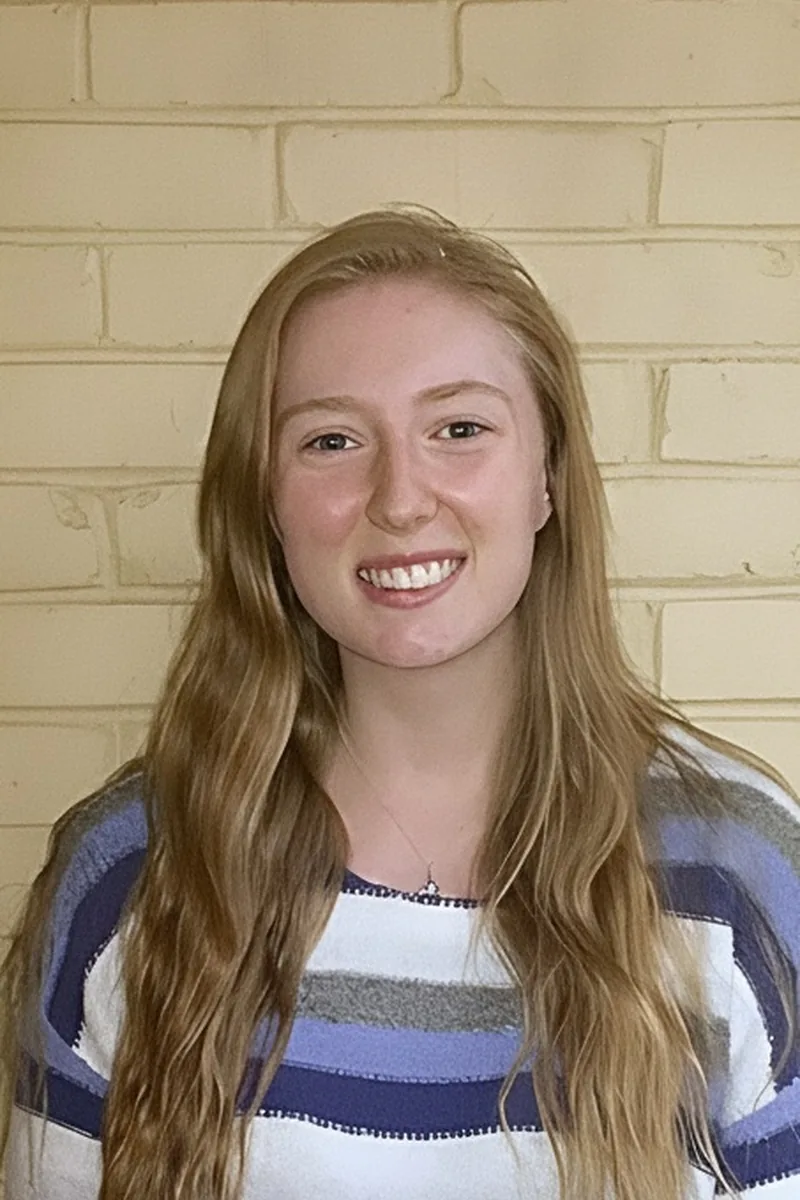
Studying ancient Mediterranean civilizations at Carleton means Emma lives in the material AP Art History covers — Greek temple architecture, Roman sculptural programs, Near Eastern reliefs. She connects visual analysis to the historical and cultural contexts that the AP exam rewards, teaching students to write comparative essays that go beyond surface-level description.

Co-curating the TCRWP Classroom Libraries Project taught Molly how to organize vast collections of material into coherent thematic frameworks — a skill that maps directly onto navigating AP Art History's 250-image set across ten content areas. Her special education background also means she's especially good at breaking down the exam's dense contextual analysis questions into concrete, repeatable steps for students who feel overwhelmed by the sheer volume of works, periods, and cultural connections.
The AP Art History exam asks students to do something surprisingly difficult: look at an image they may have never seen and write a convincing argument about its cultural context in minutes. Monitha's philosophy background at Michigan sharpened exactly that skill — constructing tight, evidence-based claims under pressure. She teaches students to move between visual analysis and historical argumentation without losing the thread.
Two master's degrees from Yale and Duke — one in Religious Studies with an ancient history focus, the other grounding him in the intersection of religion, culture, and visual tradition — mean Justin can contextualize sacred and devotional works across the 250-image set with real scholarly depth, from Hindu temple complexes to Gothic cathedrals to Islamic calligraphic programs. He teaches students to build arguments that link iconography and ritual function to the broader cultural narratives the AP exam's free-response questions actually score on. Rated 5.0 by students.
Volunteering at an ancient art museum, Sophie designed classes and presentations that taught visitors to read objects in their historical and cultural context — exactly the skill AP Art History's free-response questions test. Her Yale Humanities curriculum immerses her in the cross-disciplinary thinking the exam demands, from philosophical frameworks to political systems that shaped artistic patronage and production. Rated 5.0 by students.
Jennifer's East Asian studies coursework at Brown gives her genuine depth in the non-Western content areas that trip up many AP Art History students — she can contextualize Chinese bronzes, Buddhist sculpture, and scroll paintings within the cultural traditions that produced them, not just identify them from the 250-image set. Her biochemistry major also means she's comfortable with the systematic, detail-oriented thinking the exam's comparison essays demand, where connecting formal elements across two very different works requires precision, not just appreciation.
Christopher's memory-sport training — he's actively working toward a Guinness World Record — gives him a genuinely unusual skill set for tackling the 250-image set, where students need to recall specific works, artists, dates, and cultural contexts under exam pressure. But he pairs those memorization techniques with a science student's habit of asking how systems connect, which translates well to the contextual and comparative essays where the AP exam tests whether students understand why a work was made, not just what it looks like.
Teaching high school history daily means Ben already walks students through the political upheavals, religious shifts, and colonial encounters that AP Art History's contextual questions demand — he just adds the visual layer on top of a narrative framework students already trust. His creative writing training also sharpens the free-response side, where building a clear analytical argument about a work's function or meaning matters as much as recognizing the image. Rated 5.0 by students.
Studying art history alongside history at the graduate level at the University of Chicago gave Ryan a dual fluency — he reads visual works through the same rigorous source-analysis methods he applies to written documents, which is precisely the skill AP Art History's contextual and comparison essays demand. His background means he's especially sharp on connecting artistic movements to the broader political and social narratives that produced them, from Reformation iconoclasm to Cold War abstraction. Rated 5.0 by students.
MiMi is currently pursuing the same degree the AP Art History exam was built around — Art History, Criticism, and Conservation — at Stanford, which means she's actively studying the critical methodologies and conservation debates that underpin the course's approach to the 250-image set. Her coursework in modern languages also strengthens her ability to teach students how non-Western and cross-cultural works communicate meaning through form and context. A 34 ACT reflects the kind of sharp analytical reading that translates directly to the exam's timed essays.
Most students walk into AP Art History expecting to memorize 250 images, but the exam actually rewards contextual analysis — explaining why a Gothic cathedral or a Mughal miniature looks the way it does. Terry's curiosity for museums and cultural exploration gives him genuine enthusiasm for connecting artworks to their historical moments. He teaches students to structure visual analysis essays around function, materials, and patronage rather than surface-level description.
Most students walk into AP Art History expecting a slide-memorization marathon and quickly discover the exam actually tests contextual analysis — explaining how a Benin bronze reflects trade networks or why Baroque architecture served Counter-Reformation goals. Sarah's interdisciplinary background in political science and her love of art give her a natural framework for connecting visual works to the power structures and cultural movements behind them. She teaches students to build the kind of comparative arguments the free-response questions demand.
Testimonials
Because the right AP Art History tutor makes all the difference.
Average Session Rating – Based on 3.4M Learner Ratings
Practice AP Art History
Free practice tests, flashcards, and AI tutoring for AP Art History
Nearby AP Art History Tutors
Other Portland Tutors
Related Social Studies Tutors in Portland
Frequently Asked Questions
AP Art History surveys global artistic traditions from prehistoric times through the present day, organized around major themes like power, identity, and spirituality. The course examines approximately 250 artworks across diverse cultures and time periods, requiring students to analyze works in context, understand artistic techniques, and make connections across different civilizations. Success depends on building a strong visual vocabulary and understanding how historical, social, and cultural factors shape artistic expression.
The exam consists of two sections: a multiple-choice section (80 questions, 50 minutes) testing identification and analysis skills, and a free-response section (3 essays, 100 minutes) requiring deeper analysis and synthesis. The multiple-choice questions often test your ability to identify artworks, understand artistic movements, and recognize stylistic elements, while the essays ask you to compare works, analyze themes, and discuss historical context. Pacing is critical—students need to balance spending enough time on each artwork with moving efficiently through the questions.
Many students struggle with memorizing and distinguishing between 250+ artworks, especially when works from different cultures share similar themes or techniques. Another common challenge is moving beyond simple identification to deeper analysis—explaining not just what an artwork depicts, but why it matters historically and culturally. Additionally, managing time during the free-response essays while writing thoughtful, evidence-based arguments can be difficult for students who aren't practiced in art historical writing.
Score improvements depend on your starting point and effort level, but students who work with tutors typically see meaningful gains by focusing on their specific weak areas—whether that's identifying lesser-known works, analyzing artistic context, or structuring essays effectively. Many students improve by 1-2 score points (from a 3 to a 4 or 5, for example) after targeted preparation that includes practice essays, timed practice tests, and strategic review of challenging periods or cultures. Consistent practice with feedback is key; students who complete weekly practice and review tend to see the best results.
A strong approach combines active learning with spaced repetition: regularly review artworks in small groups (by period, culture, or theme) rather than cramming, practice identifying works under timed conditions, and write essays frequently with feedback. Creating visual study materials—flashcards with images, timeline charts, or comparison matrices—helps cement visual memory. Mock exams and timed practice essays are essential for building confidence and identifying which artworks or time periods need more attention before test day.
Strong essays require clear thesis statements, specific artwork references with titles and artists, and analysis that connects visual evidence to historical context. Practice organizing your thoughts quickly—spend 2-3 minutes planning before writing, then aim for 25-30 minutes per essay. Common mistakes include being too descriptive without analysis, failing to address the specific prompt, or not using enough concrete examples. Working with a tutor on essay structure and receiving feedback on your drafts helps you develop a reliable formula that works under timed conditions.
Your first session typically involves assessing your current knowledge, identifying which artworks or time periods you find most challenging, and understanding your test-taking strengths and weaknesses. A tutor will likely have you attempt a practice question or short essay to see where you need the most support—whether that's artwork identification, essay writing, or understanding historical context. From there, you'll develop a personalized study plan focused on your goals, timeline, and learning style.
Varsity Tutors connects Portland students with expert tutors who specialize in AP Art History and understand the specific demands of the exam. When you reach out, you'll be matched with a tutor based on your needs, schedule, and learning preferences. Tutors bring deep knowledge of art historical analysis, test-taking strategies, and experience helping students improve their scores through personalized instruction tailored to your strengths and weaknesses.
Let’s find your perfect tutor
Answer a few quick questions. We’ll recommend the right plan and match you with a top 5% tutor.