Award-Winning AP World History Tutors
serving Portland, OR
AP World History
Tutors in Portland
Private 1-on-1 tutoring, weekly live classes for academic support, test prep & enrichment, practice tests and diagnostics, and more to elevate grades and test scores.
Based on 3.4M Learner Ratings
UniversitiesSchools & Universities
DeliveredHours Delivered
ProficiencyGrowth in Proficiency
Who needs tutoring?
No obligation. Takes ~1 minute.
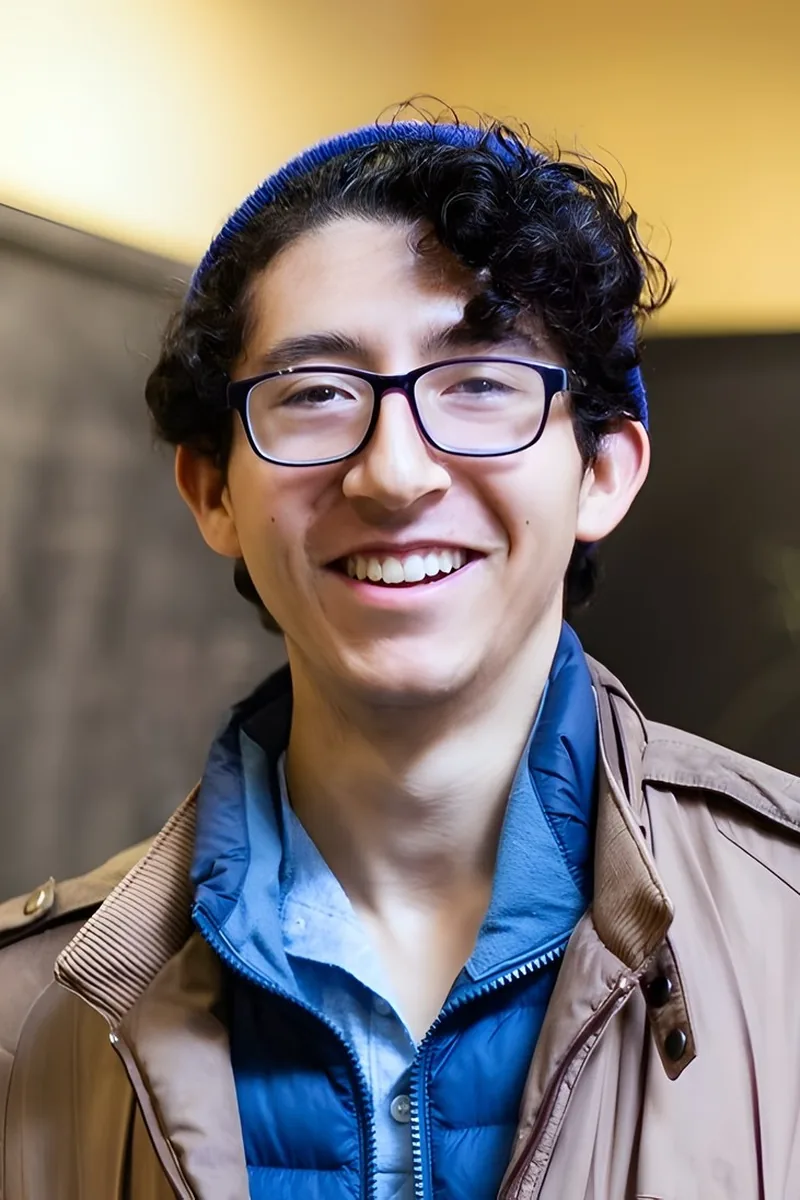
Studying philosophy at MIT trained Tim to do exactly what AP World History's essay prompts demand — construct an argument from limited evidence, weigh competing interpretations, and defend a thesis under pressure. He applies that analytical rigor to DBQ prep and the causation essays where students need to explain not just what happened but why one development in, say, Song Dynasty China reverberates through Indian Ocean trade networks centuries later. Rated 4.9 by students.

A European History major at Vanderbilt, Alexander brings particular depth to the post-1450 periods where European expansion, colonialism, and industrialization dominate the AP World History timeline — content he's studied from primary sources, not just textbook summaries. He teaches students to treat the DBQ as an argument-building exercise, connecting specific document evidence to the broader thematic threads the exam rewards. His 1510 SAT reflects the kind of timed analytical reading and writing the free-response sections demand.
A year researching climate change at the University of Helsinki gave Marika something most AP World History tutors lack — direct experience living inside the kind of cross-regional, systems-level analysis the exam rewards, particularly on causation essays about how environmental shifts like the Little Ice Age or the Columbian Exchange reshaped entire civilizations. Her physics training reinforces that same cause-and-effect rigor when students need to trace how one development cascades across continents and centuries. Rated 5.0 by students, she holds a 1590 SAT.
Iliana studied government and political philosophy at Dartmouth with a focus on Western colonialism and indigenous political movements — exactly the kind of cross-cultural power dynamics that run through the AP World History curriculum. She brings that lens to topics like imperialism, decolonization, and the political structures that shaped colonial and post-colonial societies, giving students a richer read on the exam's modern period content.
Jonathan's debate background at the University of Chicago — where arguing both sides of a position was the norm — translates directly to the AP World History DBQ, which asks students to weigh conflicting documents and stake out a defensible claim under time pressure. His political science training sharpened his ability to trace how governance structures and revolutionary movements echo across regions, from the Abbasid caliphate to Atlantic revolutions. A 1550 SAT scorer, he brings the same analytical discipline to teaching students how to connect specific evidence to sweeping historical arguments.
Covering ten thousand years of human history in one course means students need frameworks, not just facts — understanding how trade networks, empire-building, and cultural diffusion repeat across civilizations. Paul's graduate training at Brandeis emphasized comparative and cross-cultural historical analysis, which maps directly onto the way the AP World exam asks students to draw connections across time periods and regions.
Covering ten thousand years of global history means students need a mental framework, not a memorized timeline. Jake approaches AP World History through recurring themes like empire-building, trade networks, and cultural diffusion, then shows students how to deploy that thematic knowledge in the continuity-and-change and comparison essays the exam actually tests.
Bethany's Master's in Religious Studies from Duke pairs unusually well with AP World History — she spent years tracing how belief systems like Christianity, Islam, and Buddhism didn't just spread but reshaped governance, trade, and social hierarchies across entire regions. That background makes her especially sharp on the cultural diffusion and cross-cultural interaction themes that dominate the exam's essay prompts, where students need to explain *why* ideas spread rather than just *that* they did. Rated 5.0 by students.
The comparison and continuity-and-change essays in AP World History trip students up because they require thinking across civilizations and centuries simultaneously. Daniel approaches these by teaching students to identify structural patterns — how trade networks, empire-building, or religious diffusion operated differently in, say, Song China versus Abbasid Baghdad — and turn those observations into coherent, evidence-backed arguments.
High school teaching in Boston means Max deals daily with the challenge of making nine periods of world history land for students who'd rather not read another textbook chapter — and his Master's in Teaching sharpened his ability to break sprawling content into the specific comparisons and cause-and-effect chains the AP exam actually scores. His history degree gives him the sourcing instincts the DBQ demands, particularly when students face unfamiliar documents and need to contextualize them on the spot. Rated 5.0 by students.
The AP World History exam covers thousands of years across every continent, which means students need frameworks, not just facts. Reid tackles this by teaching comparative analysis — showing how trade networks, state-building, and cultural exchange follow recognizable patterns from the Silk Roads to the Columbian Exchange. His political science background makes him especially sharp on empire, governance, and power dynamics.
Christopher's double major in Economics and History at UCLA means he naturally reads AP World History through the lens of trade systems, labor patterns, and resource competition — the economic engines behind empire-building, colonialism, and globalization that thread through nearly every period on the exam. That background is especially useful on LEQ and DBQ prompts where students need to explain *why* civilizations rose or fell, not just narrate the sequence. Rated 4.7 by students.
Testimonials
Because the right AP World History tutor makes all the difference.
Average Session Rating – Based on 3.4M Learner Ratings
Practice AP World History
Free practice tests, flashcards, and AI tutoring for AP World History
Nearby AP World History Tutors
Other Portland Tutors
Related Social Studies Tutors in Portland
Frequently Asked Questions
AP World History spans from 1200 CE to the present, organized into four thematic units: developments in state formation, networks of exchange, industrialization and global capitalism, and global conflict and cooperation. The course emphasizes analyzing historical evidence, understanding cause-and-effect relationships, and recognizing patterns across different regions and time periods. Tutors help students master both the content and the analytical skills needed to succeed on the exam.
The AP World History exam consists of two sections: a multiple-choice and short-answer section (95 minutes) and a free-response section with document-based and long essay questions (100 minutes). Success requires not just memorizing facts, but analyzing sources, comparing regions, and constructing evidence-based arguments. Personalized tutoring helps you practice under timed conditions and develop strategies for each question type.
Students often struggle with managing the broad scope of content, distinguishing between regions and time periods, and developing strong thesis statements for essays. Many find the document-based question (DBQ) particularly challenging because it requires analyzing multiple sources quickly while constructing a coherent argument. Tutors work with you to build organizational systems, practice source analysis, and strengthen your essay-writing skills through targeted feedback.
Score improvement depends on your starting point and how consistently you engage with tutoring, but many students see meaningful gains by focusing on weak content areas and practicing test-taking strategies. The national average AP World History score is around 2.4 out of 5, so targeted instruction in document analysis, essay structure, and time management can help you reach a 3, 4, or 5. Regular practice tests and personalized feedback are key to identifying gaps and building confidence.
Ideally, you should begin focused exam preparation 2-3 months before the test in May, though starting earlier gives you more time to review challenging units and complete full-length practice tests. For students in Portland schools with a 17.2:1 average student-teacher ratio, personalized tutoring can accelerate your preparation by targeting your specific weak areas rather than reviewing material you've already mastered. Even starting 4-6 weeks before the exam can help you refine strategies and build test-day confidence.
Practice tests are essential—they help you understand the exam format, identify content gaps, and practice time management under realistic conditions. Taking full-length practice tests every 2-3 weeks allows you to track progress and adjust your study strategy. Tutors use practice test results to pinpoint which regions, time periods, or question types need more focus, making your study time much more efficient.
Varsity Tutors connects you with expert tutors in Portland who specialize in AP World History and understand the specific demands of the exam. You can get matched with a tutor who fits your schedule and learning style, whether you prefer to work on content review, essay writing, document analysis, or test-taking strategies. The first session is a great opportunity to discuss your goals and see if the tutoring approach is working for you.
Your first session typically focuses on understanding your current strengths, identifying weak areas, and establishing clear goals for exam preparation. Your tutor may assess your knowledge of key concepts, review your recent test scores or assignments, and discuss which topics or skills need the most attention. From there, you'll develop a personalized study plan that targets your specific needs, whether that's content mastery, essay writing, or test-taking strategy.
Let’s find your perfect tutor
Answer a few quick questions. We’ll recommend the right plan and match you with a top 5% tutor.