Award-Winning AP Human Geography Tutors
serving Portland, OR
AP Human Geography
Tutors in Portland
Private 1-on-1 tutoring, weekly live classes for academic support, test prep & enrichment, practice tests and diagnostics, and more to elevate grades and test scores.
Based on 3.4M Learner Ratings
UniversitiesSchools & Universities
DeliveredHours Delivered
ProficiencyGrowth in Proficiency
Who needs tutoring?
No obligation. Takes ~1 minute.

Spatial thinking trips up a lot of AP Human Geography students — understanding why cities develop where they do, how migration reshapes cultural landscapes, or what Ravenstein's laws actually predict. Amena tackles the free-response questions by teaching students to link geographic models to real-world examples, which is where most exam points are won or lost.
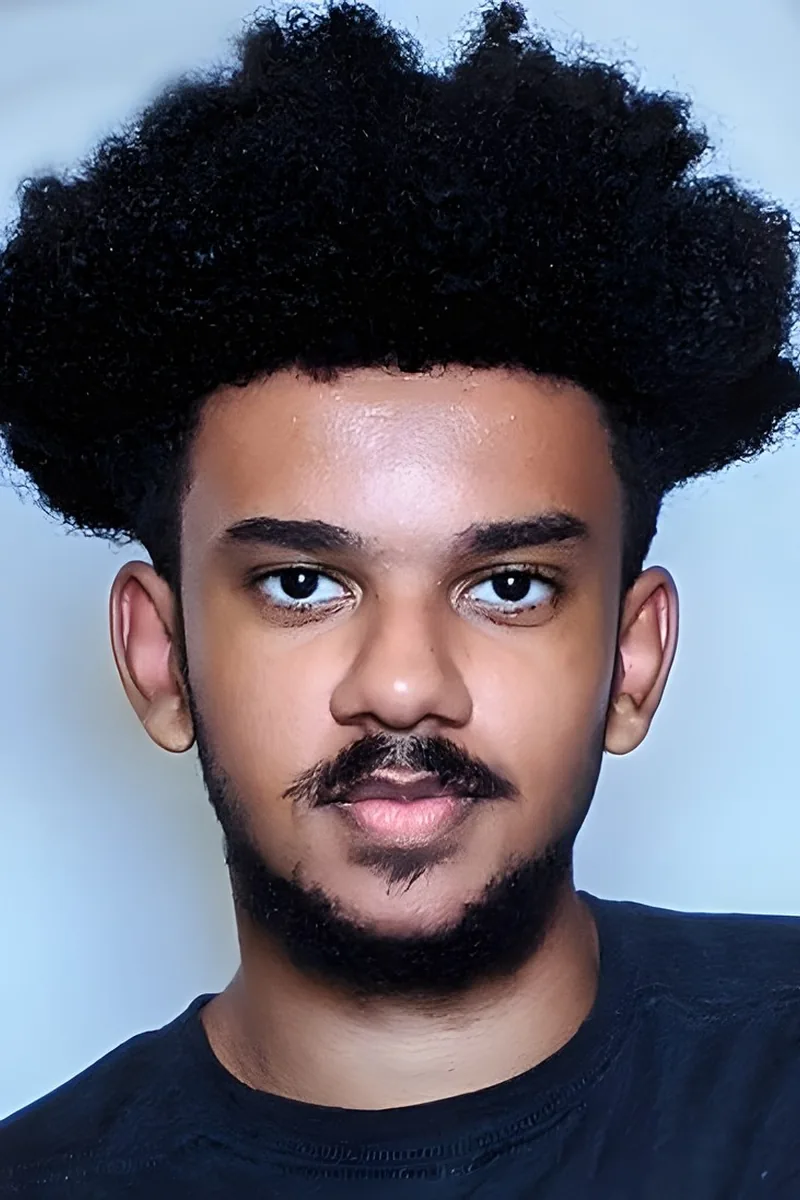
Spatial patterns, demographic models, and the way human activity reshapes landscapes — AP Human Geography covers a surprising amount of ground. Muse connects abstract concepts like Ravenstein's migration laws or the Von Thünen model to real-world examples, making the material stick for both multiple-choice and free-response sections of the exam.
Elena's Child Development studies at Vanderbilt give her a sharp understanding of how population dynamics, family structures, and cultural practices vary across regions — concepts that map directly onto AP Human Geography units covering population, migration, and cultural patterns. She pairs that with strong SAT performance (1540) and a knack for teaching younger students complex ideas in accessible ways, which translates well to breaking down dense models like the demographic transition or Zelinsky's migration framework for exam prep. Rated 5.0 by students.
Jacob's history degree and specialization in the American Gilded Age give him a sharp handle on the industrialization, urbanization, and migration patterns that dominate several AP Human Geography units. He teaches students to see models like von Thünen's agricultural land use or Rostow's development stages as historical arguments — frameworks built from real economic and political forces — which makes applying them on FRQs far more intuitive than rote memorization. Rated 4.9 by students.
Todd's biology degree from UIUC and social work graduate training at UChicago give him an unusual combination for AP Human Geography — he understands population dynamics and environmental systems scientifically, and he thinks about migration, urbanization, and cultural change through a social sciences lens. That crossover is especially useful when students need to unpack how the demographic transition model or Malthusian theory connects biological resource constraints to human settlement patterns. Rated 5.0 by students.
Environmental science training at the college level means James has spent real time with the spatial thinking, resource distribution patterns, and human-environment interactions that anchor AP Human Geography's toughest units — particularly agriculture, development, and sustainability. He connects concepts like Boserup's theory or the Green Revolution to actual ecological data rather than treating them as flashcard terms, which pays off on stimulus-based questions where students need to read landscapes, not just recall vocabulary. Rated 4.9 by students.
Studying both History and Neuroscience at Rice gives Nathan a dual lens for AP Human Geography — he understands the historical forces behind concepts like colonialism and cultural hearths, and he thinks analytically about how population models and spatial data actually work. He's especially effective at breaking down the exam's stimulus-based questions, teaching students to pull geographic arguments out of maps and charts rather than defaulting to memorized definitions. Rated 5.0 by students.
Courtney's French Language and Literature degree means she spent years studying how language, colonialism, and cultural identity intersect across Francophone regions — from West Africa to the Caribbean to Quebec — which maps neatly onto AP Human Geography's units on cultural diffusion, political boundaries, and language patterns. As a freelance writer, she also brings practical clarity to FRQ responses, teaching students to construct tight geographic arguments instead of listing vocabulary. Rated 5.0 by students.
Designing educational materials for WSKG's PBS outreach programs gave Adam hands-on experience translating big-picture themes — migration, cultural change, political power — into accessible lessons, which is exactly what AP Human Geography demands across units like population dynamics and political organization. His history degree from Binghamton anchors that work in the kind of regional and thematic analysis the exam's FRQ prompts require, where students need to connect models to real-world processes rather than just define them. Holds a 5.0 rating.
Steve's English and Global Studies degree means he spent years analyzing how language, culture, and political systems interact across borders — the kind of cross-regional thinking that AP Human Geography rewards on every FRQ. He's particularly strong at teaching students to write clear, argument-driven responses for units on political organization and cultural patterns, where connecting vocabulary to real-world processes matters more than memorizing definitions. Rated 4.6 by students.
Georgetown's International Politics program — especially Jennifer's concentration in International Security Studies — is essentially a deep dive into the political boundaries, state sovereignty, and supranational conflicts that dominate AP Human Geography's Unit 4. Her journalism training at Northwestern adds a second edge: she knows how to teach students to construct tight, evidence-based FRQ responses, since building arguments from source material is what she does professionally every day.
Debate coaching gives Rohit a real edge on the trickiest part of AP Human Geography — the FRQ prompts where students need to construct an argument linking geographic models to stimulus material, not just recall definitions. His economics and political science training at Minnesota means concepts like Rostow's development stages, trade networks, and supranational political organization are things he's studied formally, not just skimmed in a review book. Holds a 5.0 rating.
Testimonials
Because the right AP Human Geography tutor makes all the difference.
Average Session Rating – Based on 3.4M Learner Ratings
Practice AP Human Geography
Free practice tests, flashcards, and AI tutoring for AP Human Geography
Nearby AP Human Geography Tutors
Other Portland Tutors
Related Social Studies Tutors in Portland
Frequently Asked Questions
Score improvement depends on your starting point and commitment level, but students typically see meaningful gains within 4-8 weeks of consistent tutoring. Many students jump from a 2 or 3 to a 4 or 5 with focused preparation on their weakest units—whether that's cultural patterns, political geography, or economic systems. A tutor can help you identify which topics are costing you points and create a targeted study plan to address them before exam day.
Many students struggle with synthesizing concepts across multiple units and applying geographic thinking to unfamiliar case studies—the exam rewards deep understanding, not just memorization. Time management is another major issue; the 3-hour exam covers a lot of ground, and students often run out of time on the free-response questions. Tutors can help you build confidence with the FRQ format, practice efficient note-taking strategies, and develop the analytical skills needed to connect human geography concepts to real-world examples.
The exam has two sections: 60 multiple-choice questions (50 minutes) and 3 free-response questions (75 minutes). The FRQs are where most students lose points because they require you to explain geographic concepts, provide evidence, and make connections—not just identify answers. A tutor can walk you through the scoring rubric for each FRQ type, teach you how to structure responses that earn full credit, and help you practice under timed conditions so you're comfortable with the pacing on test day.
Ideally, start tutoring 8-12 weeks before the exam if you're aiming for a 4 or 5, though even 4-6 weeks of focused work can make a real difference. The AP Human Geography curriculum covers seven units, so a structured study schedule helps you master each one without cramming. Tutors can help you create a realistic timeline, identify which units need extra attention based on your practice test results, and adjust your plan as you progress toward exam day.
Practice tests reveal exactly which topics and question types are giving you trouble—whether it's interpreting maps, analyzing demographic data, or explaining geopolitical conflicts. Taking full-length, timed practice tests also builds stamina and helps you develop a pacing strategy so you don't run out of time on the FRQs. Tutors use your practice test results to pinpoint weak areas, reteach concepts you're fuzzy on, and help you refine your test-taking approach before the real exam.
Look for tutors with strong subject knowledge of human geography and direct experience preparing students for the AP exam—ideally someone who understands the specific rubrics and question formats the College Board uses. It's also valuable if they have experience with Portland-area schools and understand the different curricula taught across the district. Varsity Tutors connects you with expert tutors who can teach you the content, build your test-taking skills, and help you feel confident walking into the exam room.
Your tutor will start by assessing where you are—whether you're just beginning the course, mid-way through, or in final exam prep mode. They'll likely ask about your goals, review any practice test scores you have, and identify which units or question types are most challenging for you. From there, you'll create a personalized plan that focuses on your biggest gaps, whether that's mastering content, building FRQ writing skills, or refining test strategy.
Test anxiety often comes from feeling unprepared or uncertain about what to expect—tutoring builds both knowledge and confidence. By practicing with real exam questions, getting feedback on your FRQs, and working through timed drills, you'll feel much more in control on test day. Tutors can also teach you practical strategies like how to manage your time, which questions to tackle first, and how to approach unfamiliar case studies with a systematic geographic framework rather than panic.
Let’s find your perfect tutor
Answer a few quick questions. We’ll recommend the right plan and match you with a top 5% tutor.