Award-Winning AP US History Tutors
serving Portland, OR
AP US History
Tutors in Portland
Private 1-on-1 tutoring, weekly live classes for academic support, test prep & enrichment, practice tests and diagnostics, and more to elevate grades and test scores.
Based on 3.4M Learner Ratings
UniversitiesSchools & Universities
DeliveredHours Delivered
ProficiencyGrowth in Proficiency
Who needs tutoring?
No obligation. Takes ~1 minute.

The AP US History exam tests a student's ability to construct document-based arguments under pressure, not just recall dates. Samantha tackles DBQ and LEQ writing head-on, teaching students to identify historical context, weigh evidence, and write essays that earn synthesis and complexity points. Her background in English gives her a particular edge on the writing-heavy portions of the exam.
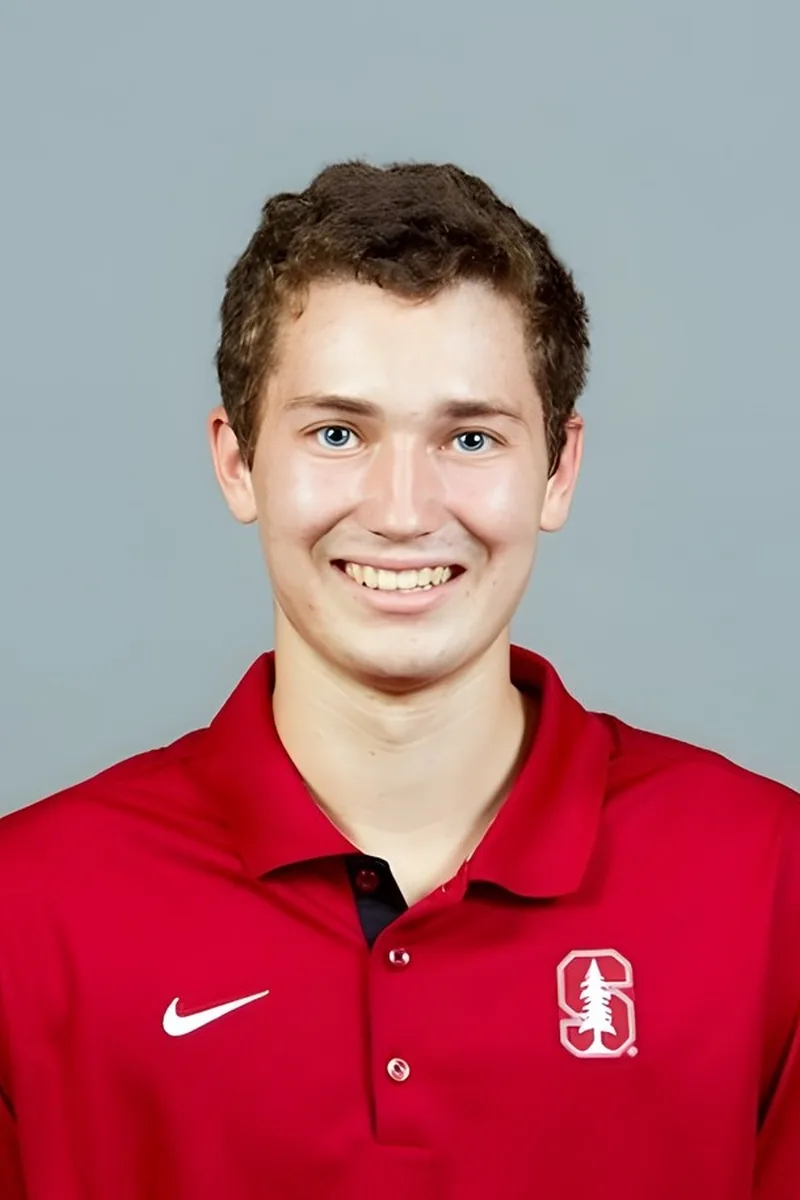
Studying health policy at Stanford means Jake spends his coursework tracing how government decisions — from Progressive-era public health campaigns to the ACA — reshape American life, which is exactly the kind of policy-to-impact reasoning APUSH essays reward. His 34 ACT and dual background in SAT US History and Spanish give him both the timed analytical speed and the multicultural lens that strengthen document analysis on topics like immigration, expansion, and reform. Rated 5.0 by students.
The AP US History exam rewards students who can do two things fast: identify historical causation and write a thesis-driven essay under time pressure. Scott tackles both by teaching students to read documents like an anthropologist — pulling out perspective, audience, and purpose before jumping to conclusions. His deep background in social studies and essay writing makes the DBQ and LEQ feel far less intimidating.
A master's degree in Chinese politics means Elizabeth spent years analyzing how governments consolidate power, manage dissent, and navigate foreign relationships — the same analytical framework that unlocks APUSH's toughest comparative and causation questions, from Cold War containment policy to debates over executive authority. Her 1500 SAT and government coursework ground her in the primary-source reasoning and argumentative writing the DBQ demands. Rated 5.0 by students.
AP US History's DBQ is really a timed argument-building exercise disguised as a history test — students need to group documents, identify point of view, and connect evidence to a thesis in under an hour. Cassandra tackles this by drilling the skill of contextualization, teaching students to place each document within the broader political or economic forces of its era. Her analytical, evidence-first approach translates well from her science background.
Studying religion and psychology alongside Spanish gave Sydney an unusual toolkit for APUSH — she reads primary sources through the lens of cultural belief systems and social motivation, which is exactly what document-based questions reward when they ask about audience, purpose, and historical context. Her CLEP prep across American government, American literature, and humanities means she's already fluent in the political and cultural turning points the exam covers most heavily. Rated 4.9 by students.
Scoring a 4 or 5 on the AP US History exam comes down to writing sharp DBQs and LEQs under time pressure — not just knowing the content. Alex breaks down the rubric so students understand exactly how to contextualize documents, build a defensible claim, and earn synthesis points. His deep knowledge of American religious and social history adds particular depth to periods like the Great Awakenings and the Civil Rights movement.
A Master of Public Policy degree means Erika spent graduate school analyzing how American institutions evolved and why specific policy decisions — from the New Deal to the Great Society — reshaped the country. That lens gives her a natural edge when teaching APUSH's thematic threads around government power, reform movements, and political realignment. Rated 5.0 by students, she connects policy context to the kind of argumentation the exam actually scores.
John's English and writing background translates directly to the essay-heavy demands of APUSH — the DBQ and LEQ are fundamentally persuasive writing tasks that happen to use historical evidence. He teaches students to treat each document like a text to be analyzed for purpose and audience, then build that analysis into a thesis-driven argument. His 4.9 rating and 36 ACT suggest the kind of analytical precision that makes timed essay writing click.
Tessa is pursuing a double major in Mathematics and History, which means she's actively immersed in the kind of source analysis and historiographical thinking that APUSH tests — not recalling it from years ago. That combination also gives her a quantitative edge for the exam's data-interpretation questions, where students need to read economic charts or demographic tables and fold them into a larger argument. Her 36 ACT and 4.9 rating speak for themselves.
Molly's Columbia University history degree means she studied the same primary source debates and historiographical arguments that APUSH condenses into a single exam — from constitutional crises to westward expansion to twentieth-century reform. Her classroom teaching experience across elementary grades sharpened her ability to break complex ideas into clear, layered explanations, which pays off when walking students through the periodization and causation reasoning that separates a 3 from a 5. Rated 5.0 by students.
Theater training builds a surprisingly useful APUSH skill — Amber knows how to read a text for subtext, audience, and intent, which is exactly what document-based questions ask students to do with political speeches, editorials, and propaganda. Her 1570 SAT and 35 ACT reflect the kind of timed analytical performance the exam rewards, and her casting background means she's practiced at quickly sizing up what someone is really trying to communicate. Rated 5.0 by students.
Testimonials
Because the right AP US History tutor makes all the difference.
Average Session Rating – Based on 3.4M Learner Ratings
Practice AP US History
Free practice tests, flashcards, and AI tutoring for AP US History
Nearby AP US History Tutors
Other Portland Tutors
Related Social Studies Tutors in Portland
Frequently Asked Questions
Score improvement depends on your starting point and how much you engage with tutoring. Students who work consistently with a tutor on practice questions, essay writing, and test-taking strategies typically see meaningful gains—often 1-2 points on the AP scale (out of 5). The key is identifying your weak areas early (whether that's document analysis, chronology, or essay structure) and targeting those systematically through practice and feedback.
Your first session focuses on assessment and goal-setting. A tutor will review your current understanding of key AP US History concepts, discuss which time periods or question types challenge you most, and learn about your target score. This helps create a personalized study plan that addresses your specific needs—whether that's strengthening document-based question (DBQ) skills, improving multiple-choice accuracy, or building confidence with the long essay question (LEQ).
Most students struggle with three main areas: managing the sheer volume of content across 400+ years of history, analyzing primary documents under time pressure, and writing clear, evidence-based essays that earn full credit. Many also find the multiple-choice section tricky because questions test nuanced understanding rather than simple memorization. Tutoring helps you develop strategies for all three—from efficient note-taking and document analysis frameworks to essay templates that consistently earn high scores.
Practice tests are essential. They help you understand the exam format, identify which topics you need to review, and build test-taking stamina for the 3-hour exam. Most students benefit from taking 3-4 full practice tests during their prep—spacing them out over several months so you can study between attempts. A tutor can review your practice test results with you, pinpoint patterns in your mistakes, and help you refine your approach to each question type.
Essay writing is where many students lose points unnecessarily. Tutors help you master the specific rubric requirements for DBQs and LEQs—things like thesis clarity, evidence integration, and historical reasoning that graders look for. You'll practice writing timed essays, get detailed feedback on structure and argument strength, and learn how to revise quickly. With focused practice, most students see significant improvement in their essay scores within a few weeks.
Pacing is critical since you have only 3 hours for 55 multiple-choice questions, a DBQ, and an LEQ. Effective strategies include spending about 50 minutes on multiple-choice, 50 minutes on the DBQ (including reading time), and 40 minutes on the LEQ. A tutor will help you practice these time blocks during mock exams so you develop a rhythm that works for you, and teach you which questions to skip or come back to rather than getting stuck.
Varsity Tutors connects you with expert tutors for students in Portland who specialize in AP US History and understand the exam's specific demands. You can share your current level, target score, and availability, and get matched with a tutor experienced in helping Portland students succeed. Whether you're starting prep months in advance or need intensive help closer to test day, personalized 1-on-1 instruction is tailored to your pace and learning style.
Yes. AP US History covers nine units spanning from pre-Columbian America through the present day. A tutor will work through the periods and themes most relevant to your needs—whether that's strengthening your grasp of Reconstruction, the Progressive Era, or Cold War politics. They'll also help you make connections across units, since the exam rewards students who can link historical events and understand broader patterns, not just isolated facts.
Let’s find your perfect tutor
Answer a few quick questions. We’ll recommend the right plan and match you with a top 5% tutor.