Award-Winning AP Psychology Tutors
serving Dayton, OH
AP Psychology
Tutors in Dayton
Private 1-on-1 tutoring, weekly live classes for academic support, test prep & enrichment, practice tests and diagnostics, and more to elevate grades and test scores.
Based on 3.4M Learner Ratings
UniversitiesSchools & Universities
DeliveredHours Delivered
ProficiencyGrowth in Proficiency
Who needs tutoring?
No obligation. Takes ~1 minute.
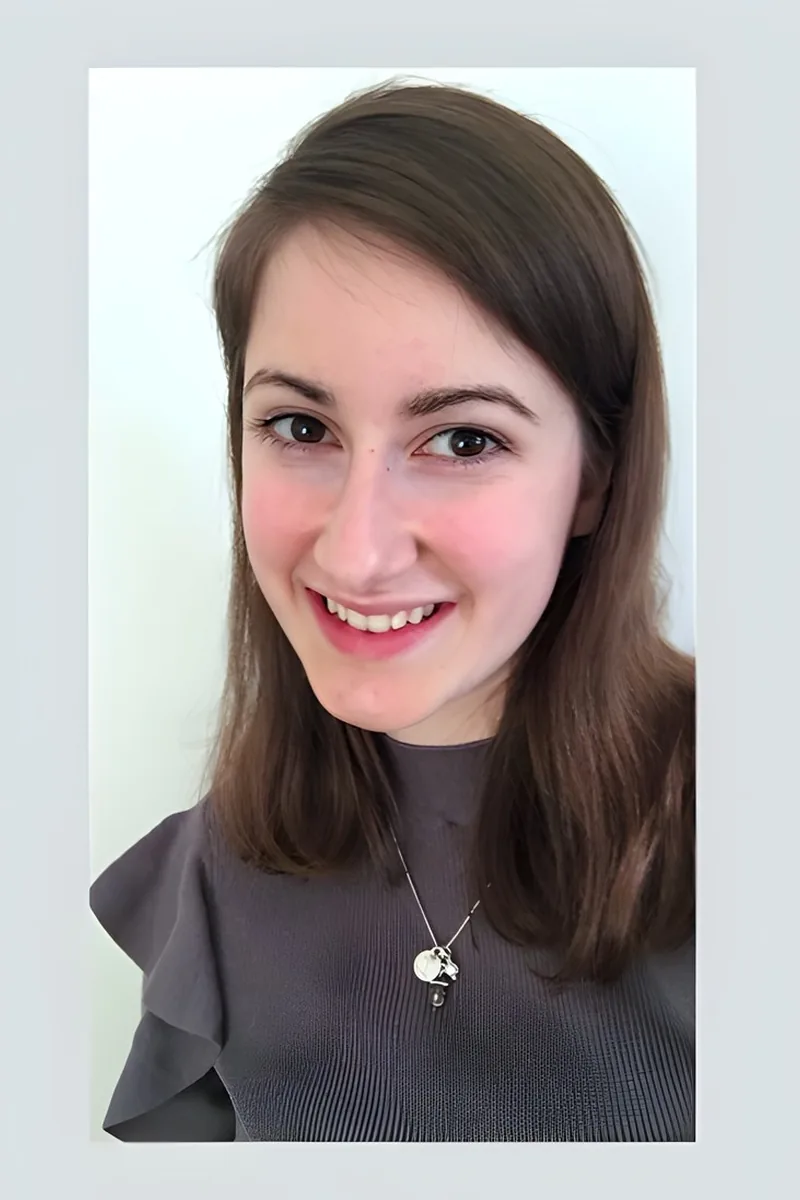
Pharmacy school forces you to learn the biological bases of behavior from the inside out — neurotransmitter pathways, drug mechanisms, receptor interactions — which gives Lillian unusual depth in the AP Psych unit most students find most abstract. She also draws on her chemistry and statistics background to demystify the research methods unit, where interpreting experimental design and data analysis trips up students who treat it as pure memorization. Rated 4.9 by students.
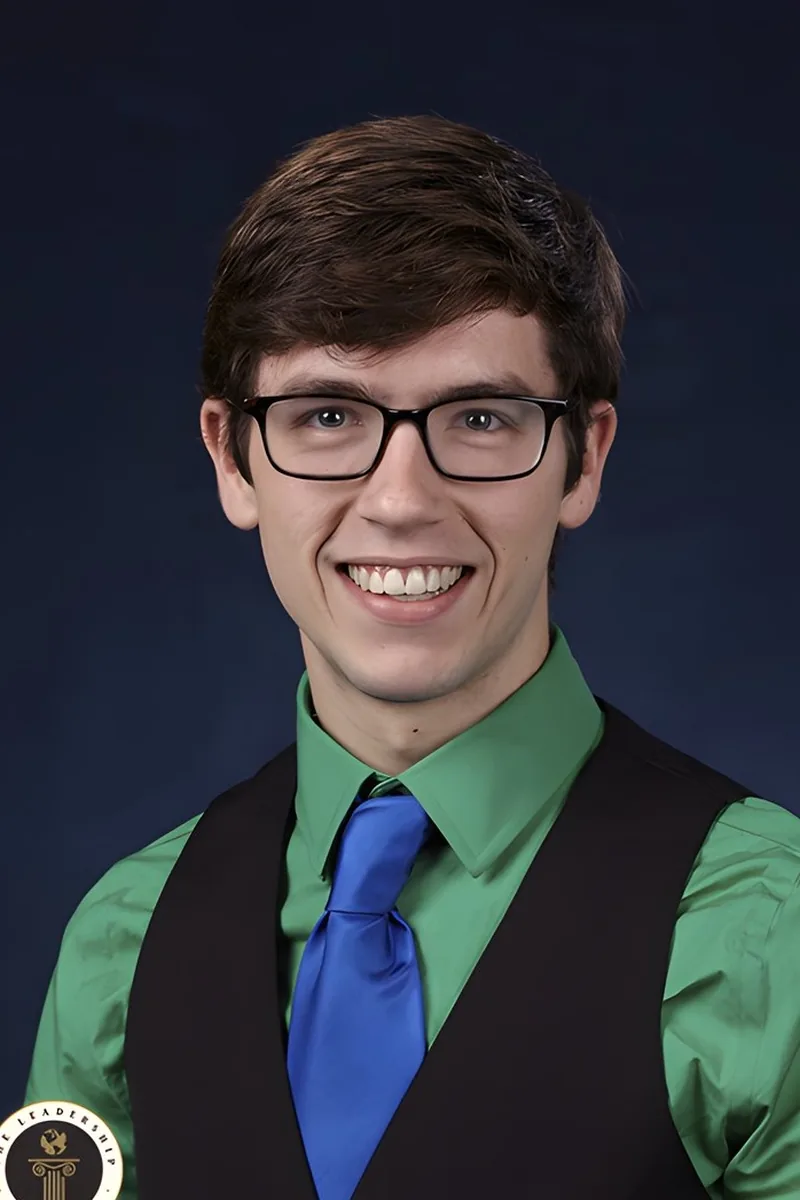
William studied psychology as his undergraduate major, so the AP Psych curriculum — from Piaget's stages to the nuances of the DSM — maps directly onto coursework he's already completed rather than material he's reverse-engineering from a prep book. His neuroscience background adds particular depth to the biological bases of behavior unit, where he breaks down neurotransmitter systems and brain region functions with the confidence of someone planning a PhD in neuropsychology. A 34 ACT also means he knows standardized testing strategy inside and out, which translates into sharper free-response technique.
Hyerin's Bioethics master's puts her at the intersection of science and human decision-making — exactly where AP Psychology lives, especially in units like abnormal psychology and social psychology where questions about diagnosis, moral reasoning, and institutional behavior come up constantly on the exam. Her medical school training reinforces the biological bases of behavior unit, since she's actively studying the neural and physiological systems that most AP Psych students only see in diagrams. Rated 4.9 by students.
AP Psychology covers everything from neurotransmitter functions to Piaget's developmental stages to experimental design — a huge range that rewards organized study more than raw memorization. Dennis's Human Biology coursework at Emory overlaps heavily with the biological bases of behavior unit, and his anthropology background adds depth to the social psychology and cultural context material. He breaks the exam into manageable concept clusters and teaches students how each one actually appears on test day.
Having studied psychology alongside microbiology and the biological sciences, Felix brings a dual lens to AP Psych — particularly in units like biological bases of behavior and sensation-perception, where his science training makes neurotransmitter pathways and neural signaling click rather than feel like rote vocabulary. He also teaches the research methods unit with the rigor of someone trained in scientific methodology, breaking down experimental design and variable identification in concrete terms. Rated 5.0 by students.
A psychology major at the University of Chicago with a neuroscience specialization, Emerson lives and breathes the material that shows up on the AP Psychology exam — from Piaget's developmental stages to action potentials and neurotransmitter pathways. He connects textbook concepts to the actual research studies that College Board loves to test, making free-response questions far less intimidating. Rated 5.0 by students.
Political science trains you to analyze how people form beliefs, respond to authority, and behave in groups — which overlaps directly with AP Psychology's social psychology and cognition units, where concepts like obedience, conformity, and groupthink show up on nearly every exam. Linnea pairs that analytical background with strong writing and editing skills, coaching students to construct the kind of precise, term-rich free-response answers that separate 4s from 5s.
Three semesters on UIUC's Teachers Ranked as Excellent list suggest Angelina knows how to make dense material click — and AP Psychology is nothing if not dense, with fourteen units of terminology that students need to define, distinguish, and apply under exam pressure. Her cellular and molecular biology degree gives her a genuine edge in the biological bases of behavior unit, where she breaks down action potentials, neurotransmitter reuptake, and brain lateralization with the precision of someone who studied those systems at the molecular level. Rated 5.0 by students.
Payal's biology and neuroscience training at Indiana University means the AP Psych biological bases unit — neurotransmitters, brain anatomy, neural signaling — is material she's studied in depth outside the psychology classroom, not just memorized from a review book. Her pre-med path and healthcare fieldwork in Guatemala also ground the abnormal psychology and motivation units in real human context, making it easier for students to connect clinical terminology to actual behavior rather than treating each vocab term as an isolated flashcard.
Neuroscience and psychology share enormous overlap — from brain anatomy and neurotransmitter function to research methodology and statistical analysis. Deana's B.S. in Neuroscience means she doesn't just teach AP Psychology vocabulary; she unpacks the biological mechanisms behind concepts like memory consolidation, classical conditioning, and neural signaling. That depth turns rote definitions into ideas students actually understand.
Alyssa's psychology coursework — she tutors multiple psychology subjects alongside her math degree at Vanderbilt — means she approaches AP Psych's statistics-heavy research methods unit with genuine fluency, breaking down concepts like standard deviation, correlation vs. causation, and statistical significance that trip up students who haven't taken a dedicated math course. Her 34 ACT and 5.0 rating speak to the precision she brings to the free-response section, where she coaches students to structure tight, term-specific answers rather than vague summaries.
Sonia's neuroscience degree and current medical school training mean the biological bases of behavior unit — neurotransmitters, brain regions, neural plasticity — is material she's internalized through years of clinical and academic work, not just a chapter to memorize. Where she particularly stands out is connecting that deep science background to the psychological theories built on top of it, so concepts like psychopharmacology, sensation-perception, and the stress-illness relationship make intuitive sense rather than feeling like disconnected vocabulary.
Medical school immerses Evelyn in the very systems AP Psychology tests — neurotransmitter pathways, brain anatomy, stress physiology, abnormal behavior classifications — so she teaches the biological bases and abnormal psychology units with clinical specificity rather than flashcard-level definitions. Her experience learning English as a second language also gives her a practical understanding of the language-and-cognition topics in the curriculum, from Whorfian linguistic relativity to how memory encoding shifts across languages.
The AP Psychology exam covers everything from neurotransmitter functions to Piaget's developmental stages, but the real challenge is distinguishing between concepts that sound nearly identical under time pressure. Lisa breaks down each unit's vocabulary with concrete examples and targeted practice on the kinds of stimulus-based questions the College Board actually asks. Her 5.0 rating speaks to how well that approach translates to exam day.
Dental school requires mastering the same biological foundations that underpin AP Psychology's toughest unit — Nik knows neurotransmitter pathways, neural signaling, and brain anatomy from his predentistry and biology training, not from flashcards. His 32 ACT also means he's familiar with the kind of timed, high-stakes testing where precise terminology and quick recall matter, which he channels into coaching students through the vocabulary-dense units like learning theory and memory. Rated 4.9 by students.
Testimonials
Because the right AP Psychology tutor makes all the difference.
Average Session Rating – Based on 3.4M Learner Ratings
Practice AP Psychology
Free practice tests, flashcards, and AI tutoring for AP Psychology
Other Dayton Tutors
Related Social Sciences Tutors in Dayton
Frequently Asked Questions
AP Psychology covers eight major units: Scientific Foundations of Psychology, Research Methods and Statistics, Sensation and Perception, Learning, Cognition, Motivation/Emotion/Personality, Clinical Psychology, and Social Psychology. The exam tests your understanding of psychological concepts, research methods, and how to apply theory to real-world scenarios. A tutor can help you master each unit's key vocabulary and concepts, which is essential since the multiple-choice section tests breadth across all topics.
Score improvement depends on your starting point and effort, but students working with tutors typically see meaningful gains by focusing on their weakest units and mastering question formats. Many students struggle with distinguishing between similar psychological concepts or applying theories to scenarios—targeted practice with a tutor addresses these specific gaps. Consistent study over several months, combined with regular practice tests, helps students move from a 2-3 range toward a 4-5.
Students often struggle with memorizing the sheer volume of psychologists, theories, and terminology—there's a lot of vocabulary to master. Another challenge is understanding how to apply psychological concepts to novel scenarios on the exam rather than just recalling definitions. Additionally, the free-response questions require students to explain concepts in depth and connect multiple ideas, which takes practice. A tutor can help you build a systematic approach to learning concepts deeply rather than surface-level memorization.
Time management is critical—you have 70 minutes for 100 multiple-choice questions, so practicing pacing helps you avoid rushing. For multiple-choice, eliminate obviously wrong answers first, then choose the best remaining option. On free-response questions, organize your thoughts before writing and make sure to address all parts of the question. A tutor can teach you to recognize question patterns, identify what each question is really asking, and practice these strategies with full-length exams so they become automatic on test day.
Most students benefit from starting exam prep 3-4 months before the test, dedicating 5-7 hours per week to studying and practice. This timeline allows you to work through all eight units systematically, take multiple practice tests, and review weak areas. If you're starting later or struggling with certain concepts, tutoring can accelerate your progress by targeting exactly what you need to improve rather than spending time on material you already know well.
Practice tests are essential—they help you get comfortable with the exam format, identify which units or question types give you trouble, and build test-day confidence. Taking full-length practice tests under timed conditions reveals your pacing issues and knowledge gaps far better than studying notes alone. Many tutors recommend taking at least 3-4 full practice tests during your prep, then reviewing incorrect answers to understand why you missed them and what concept you need to reinforce.
Look for a tutor with strong knowledge of AP Psychology curriculum and ideally experience helping students prepare for the exam. They should understand both the content deeply and the exam format—knowing what College Board emphasizes and what types of questions appear most often. A good tutor also tailors their approach to your learning style, whether you learn best through concept explanations, visual diagrams, or practice questions with detailed feedback.
Varsity Tutors connects Dayton students with expert tutors who specialize in AP Psychology and understand the exam inside and out. In your first session, a tutor will assess your current knowledge, identify which units or question types challenge you most, and create a personalized study plan. Whether you need help building foundational understanding, mastering specific units, or refining test-taking strategies, you'll work with someone matched to your goals and learning style.
Let’s find your perfect tutor
Answer a few quick questions. We’ll recommend the right plan and match you with a top 5% tutor.