Award-Winning AP Psychology Tutors
serving Akron, OH
AP Psychology
Tutors in Akron
Private 1-on-1 tutoring, weekly live classes for academic support, test prep & enrichment, practice tests and diagnostics, and more to elevate grades and test scores.
Based on 3.4M Learner Ratings
UniversitiesSchools & Universities
DeliveredHours Delivered
ProficiencyGrowth in Proficiency
Who needs tutoring?
No obligation. Takes ~1 minute.

William studied psychology as his undergraduate major, so the AP Psych curriculum — from Piaget's stages to the nuances of the DSM — maps directly onto coursework he's already completed rather than material he's reverse-engineering from a prep book. His neuroscience background adds particular depth to the biological bases of behavior unit, where he breaks down neurotransmitter systems and brain region functions with the confidence of someone planning a PhD in neuropsychology. A 34 ACT also means he knows standardized testing strategy inside and out, which translates into sharper free-response technique.
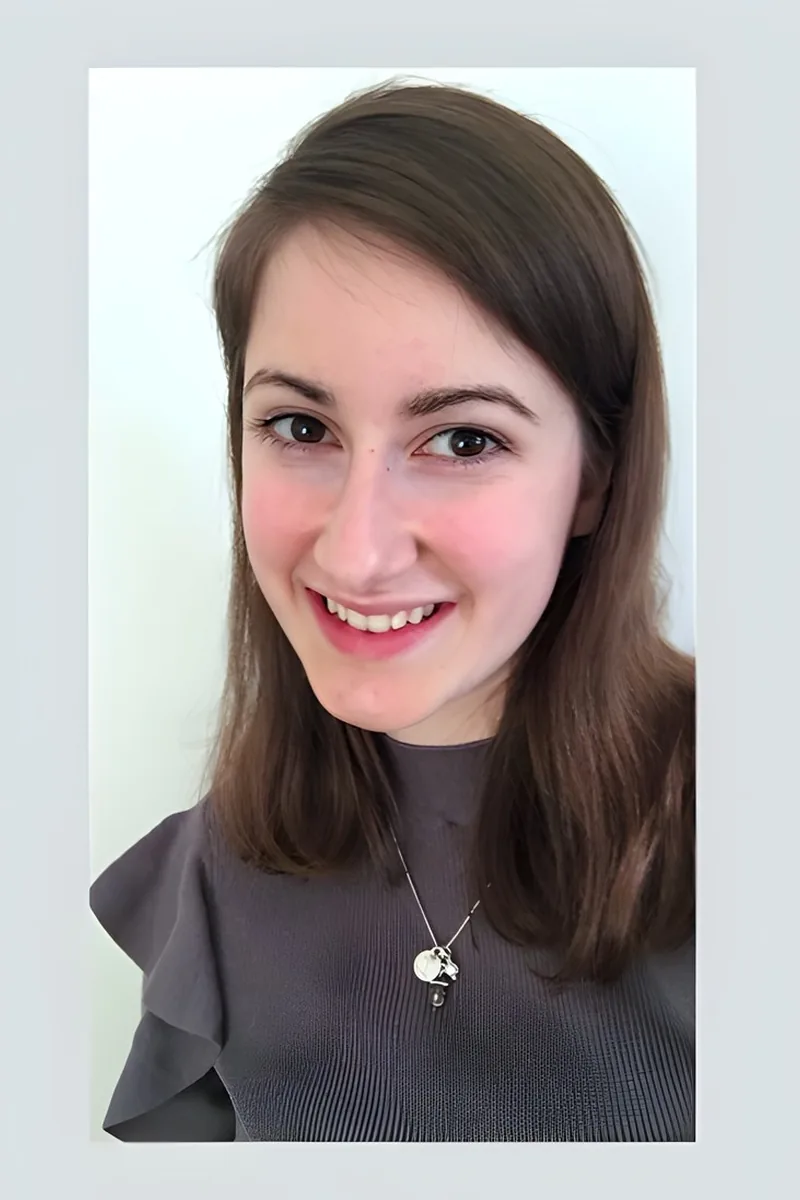
Pharmacy school forces you to learn the biological bases of behavior from the inside out — neurotransmitter pathways, drug mechanisms, receptor interactions — which gives Lillian unusual depth in the AP Psych unit most students find most abstract. She also draws on her chemistry and statistics background to demystify the research methods unit, where interpreting experimental design and data analysis trips up students who treat it as pure memorization. Rated 4.9 by students.
Hyerin's Bioethics master's puts her at the intersection of science and human decision-making — exactly where AP Psychology lives, especially in units like abnormal psychology and social psychology where questions about diagnosis, moral reasoning, and institutional behavior come up constantly on the exam. Her medical school training reinforces the biological bases of behavior unit, since she's actively studying the neural and physiological systems that most AP Psych students only see in diagrams. Rated 4.9 by students.
Nicole's chemistry background gives her a tangible way to teach the biological bases of behavior unit — she explains neurotransmitter pathways and synaptic signaling with the precision of someone who studied those molecules, not just their psychological effects. Her English literature training then kicks in for the free-response section, where she coaches students to construct tight, definition-rich answers that don't waste words. Rated 5.0 by students.
Elliot's PhD in Neuroscience means the biological bases of behavior unit — neurotransmitter systems, brain lateralization, neural plasticity — is his actual research territory, not a chapter he's reviewing from a prep book. That depth reshapes how he teaches the rest of the AP Psych curriculum too: units like sensation-perception, memory, and abnormal psychology all snap into focus when a student genuinely understands the neural machinery underneath. Rated 5.0 by students.
Studying medicine at Georgetown meant June lived the material in AP Psychology — neurotransmitter pathways, brain anatomy, classical and operant conditioning, and the biological underpinnings of behavior are concepts she uses daily. She breaks down each unit by linking psychological theory to real clinical examples, making abstract ideas like Piaget's stages or the DSM-5 criteria far more concrete.
Matthew's pre-med track at Yale pairs biochemistry with philosophy — a combination that pays off in AP Psychology, where the biological bases of behavior unit demands real science fluency and the free-response section rewards precise, logically structured arguments. His hands-on work with tools like CRISPR-Cas9 in a research lab gives him a concrete way to explain neural signaling, genetics of behavior, and neurotransmitter pathways that most students only encounter as textbook diagrams. Rated 5.0 by students.
Economics at Duke teaches you to model how people make decisions under uncertainty — which is essentially what AP Psychology's cognition, motivation, and social psychology units are about, just with different vocabulary. Devanshi leans on that behavioral economics overlap to make concepts like heuristics, cognitive biases, and group decision-making feel intuitive rather than like a wall of flashcards. Her 35 ACT also signals the kind of precise, fast reading that pays off on the exam's dense multiple-choice passages.
Josh's AP Statistics training gives him a practical edge in the research methods unit of AP Psych, where interpreting experimental design, correlation vs. causation, and statistical significance trips up students who treat it as pure vocabulary memorization. He also tutors AP Micro and Macroeconomics, which means concepts like decision-making heuristics, motivation, and behavioral economics in the social psychology and cognition units come with built-in real-world examples rather than abstract definitions.
Studying neuroscience at Johns Hopkins means Christopher encounters AP Psychology concepts — from neural signaling and brain anatomy to memory encoding and cognitive biases — in his own coursework on a daily basis. He breaks down dense units like biological bases of behavior and research methods by tying them to real experiments and clinical examples. Students preparing for the AP exam get someone who understands both the science and the test format.
Todd's Master of Social Work gives him direct clinical exposure to concepts that dominate AP Psychology's abnormal psychology and social psychology units — diagnostic frameworks, group dynamics, cognitive-behavioral models — all material he's applied in practice, not just studied in a textbook. His biology undergraduate degree also means the biological bases of behavior unit, from neurotransmitter pathways to brain structure, clicks naturally rather than feeling like a detour from the social science content. Rated 5.0 by students.
Sonia's neuroscience degree and current medical school training mean the biological bases of behavior unit — neurotransmitters, brain regions, neural plasticity — is material she's internalized through years of clinical and academic work, not just a chapter to memorize. Where she particularly stands out is connecting that deep science background to the psychological theories built on top of it, so concepts like psychopharmacology, sensation-perception, and the stress-illness relationship make intuitive sense rather than feeling like disconnected vocabulary.
Having studied psychology alongside microbiology and the biological sciences, Felix brings a dual lens to AP Psych — particularly in units like biological bases of behavior and sensation-perception, where his science training makes neurotransmitter pathways and neural signaling click rather than feel like rote vocabulary. He also teaches the research methods unit with the rigor of someone trained in scientific methodology, breaking down experimental design and variable identification in concrete terms. Rated 5.0 by students.
Jacob's biology degree from Wesleyan included deep study of behavioral science — he even conducted behavioral research on chimpanzees — which maps directly onto AP Psychology topics like learning theory, biological bases of behavior, and research methodology. He teaches students to think like scientists when designing experiments and interpreting data, skills that show up heavily on the AP exam's free-response questions.
Hidefusa didn't just take a psych course — he earned a BA in Psychology from NYU, then completed a clinical psychology master's at Harvard before pursuing a PhD in Clinical Neuropsychology, which means he's studied the AP Psych curriculum at every level from introductory to doctoral. That depth is especially visible in the research methods unit, where his proficiency in SPSS and Stata lets him teach experimental design, statistical significance, and data interpretation as tools he actually uses rather than definitions to memorize. Rated 4.9 by students.
Testimonials
Because the right AP Psychology tutor makes all the difference.
Average Session Rating – Based on 3.4M Learner Ratings
Practice AP Psychology
Free practice tests, flashcards, and AI tutoring for AP Psychology
Other Akron Tutors
Related Social Sciences Tutors in Akron
Frequently Asked Questions
AP Psychology covers eight major units: Scientific Foundations of Psychology, Research Methods and Statistics, Sensation and Perception, Learning, Cognition, Motivation/Emotion/Personality, Clinical Psychology, and Social Psychology. The course emphasizes both foundational concepts and real-world applications, requiring students to understand psychological principles and how they explain human behavior. Many students benefit from personalized tutoring to connect these units and master the vocabulary that appears frequently on the exam.
Score improvement depends on your starting point, study consistency, and the areas where you need the most support. Students who work with expert tutors typically see gains of 1-2 points on the AP scale (out of 5) when they combine personalized instruction with regular practice. The key is identifying your weak areas early—whether that's memorizing theorists and studies, understanding experimental design, or applying concepts to scenarios—and targeting those gaps systematically.
Many students struggle with the sheer volume of vocabulary, studies, and theorists they need to remember—AP Psychology requires knowing hundreds of names, concepts, and research findings. Others find the free-response questions tricky because they demand both content knowledge and the ability to apply concepts to novel situations. Time management during the exam is also a concern, as students must pace themselves across 100 multiple-choice questions and three free-response questions in just over 2 hours. Personalized tutoring helps by teaching memory strategies, practicing application skills, and building test-taking confidence.
Practice tests are essential for AP Psychology success because they help you identify weak units, get comfortable with the question formats, and practice pacing under timed conditions. Taking full-length practice exams every 2-3 weeks allows you to track progress and adjust your study strategy. Expert tutors can review your practice test results with you, pinpoint exactly which topics or question types are causing problems, and create targeted study plans to address those gaps before test day.
The three free-response questions on AP Psychology require you to apply concepts to real-world scenarios, explain research methods, or analyze psychological phenomena. Success comes from practicing how to structure clear, concept-rich answers that directly address the prompt. Tutors can help you understand what graders are looking for, teach you how to organize your thoughts quickly, and give you feedback on sample responses so you know exactly how to earn full credit.
Test anxiety is common in AP courses, but it's manageable with the right preparation and mindset. Taking multiple practice tests under timed conditions desensitizes you to exam pressure and builds confidence in your knowledge. Working with a tutor also helps because you'll feel more prepared and have strategies for handling tough questions—like skipping difficult items temporarily and returning to them later. Many students find that knowing they've thoroughly studied the material is the best anxiety reducer.
Ideally, you should begin dedicated exam prep 8-10 weeks before the test date in May. This gives you time to review all eight units, take multiple practice tests, and refine weak areas without cramming. For students in Akron with access to personalized tutoring, starting even earlier—or getting tutoring support throughout the school year—helps you master concepts as you learn them rather than scrambling at the end. A tutor can help you create a realistic study schedule that fits your other commitments.
Look for tutors who have strong knowledge of the AP Psychology curriculum, understand the exam format and grading rubrics, and have experience helping students improve their scores. They should be able to explain complex concepts clearly, create personalized study plans based on your strengths and weaknesses, and provide detailed feedback on practice responses. Varsity Tutors connects students in Akron with expert tutors who specialize in AP Psychology and know how to help you succeed on test day.
Let’s find your perfect tutor
Answer a few quick questions. We’ll recommend the right plan and match you with a top 5% tutor.