Award-Winning AP Psychology Tutors
serving Columbus, OH
AP Psychology
Tutors in Columbus
Private 1-on-1 tutoring, weekly live classes for academic support, test prep & enrichment, practice tests and diagnostics, and more to elevate grades and test scores.
Based on 3.4M Learner Ratings
UniversitiesSchools & Universities
DeliveredHours Delivered
ProficiencyGrowth in Proficiency
Who needs tutoring?
No obligation. Takes ~1 minute.
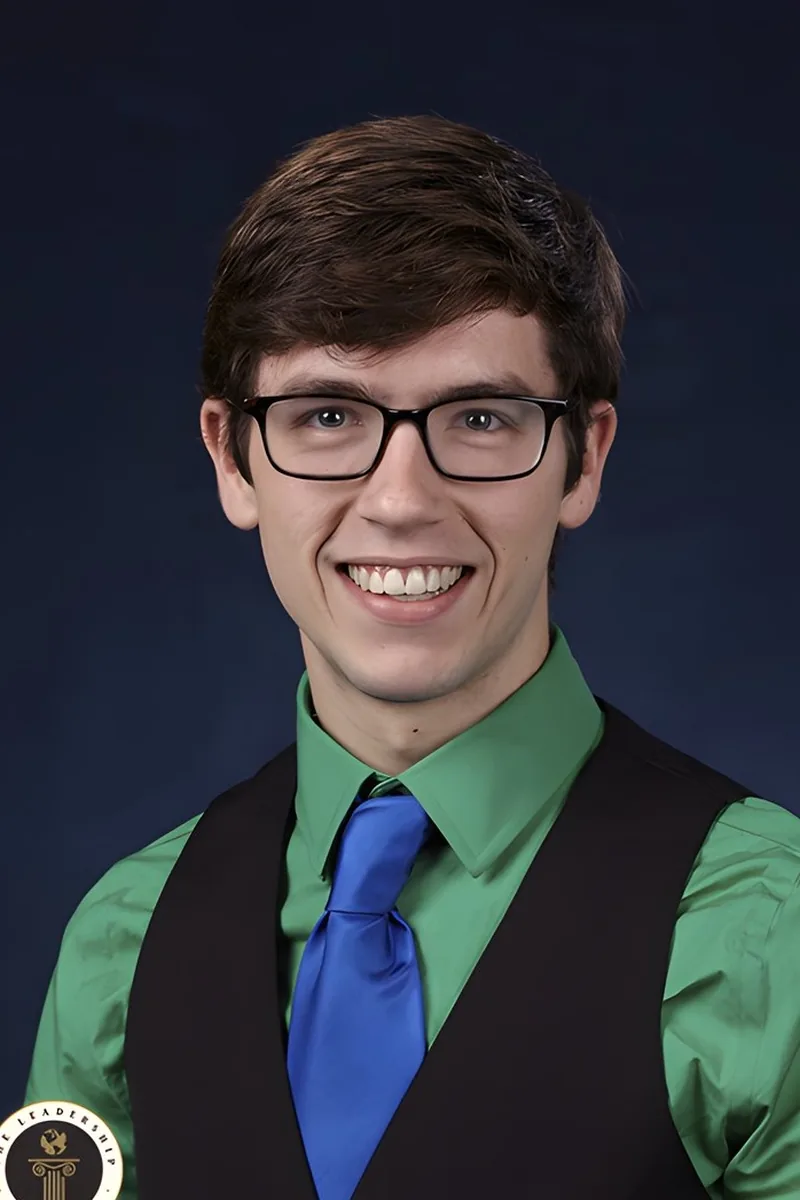
William studied psychology as his undergraduate major, so the AP Psych curriculum — from Piaget's stages to the nuances of the DSM — maps directly onto coursework he's already completed rather than material he's reverse-engineering from a prep book. His neuroscience background adds particular depth to the biological bases of behavior unit, where he breaks down neurotransmitter systems and brain region functions with the confidence of someone planning a PhD in neuropsychology. A 34 ACT also means he knows standardized testing strategy inside and out, which translates into sharper free-response technique.
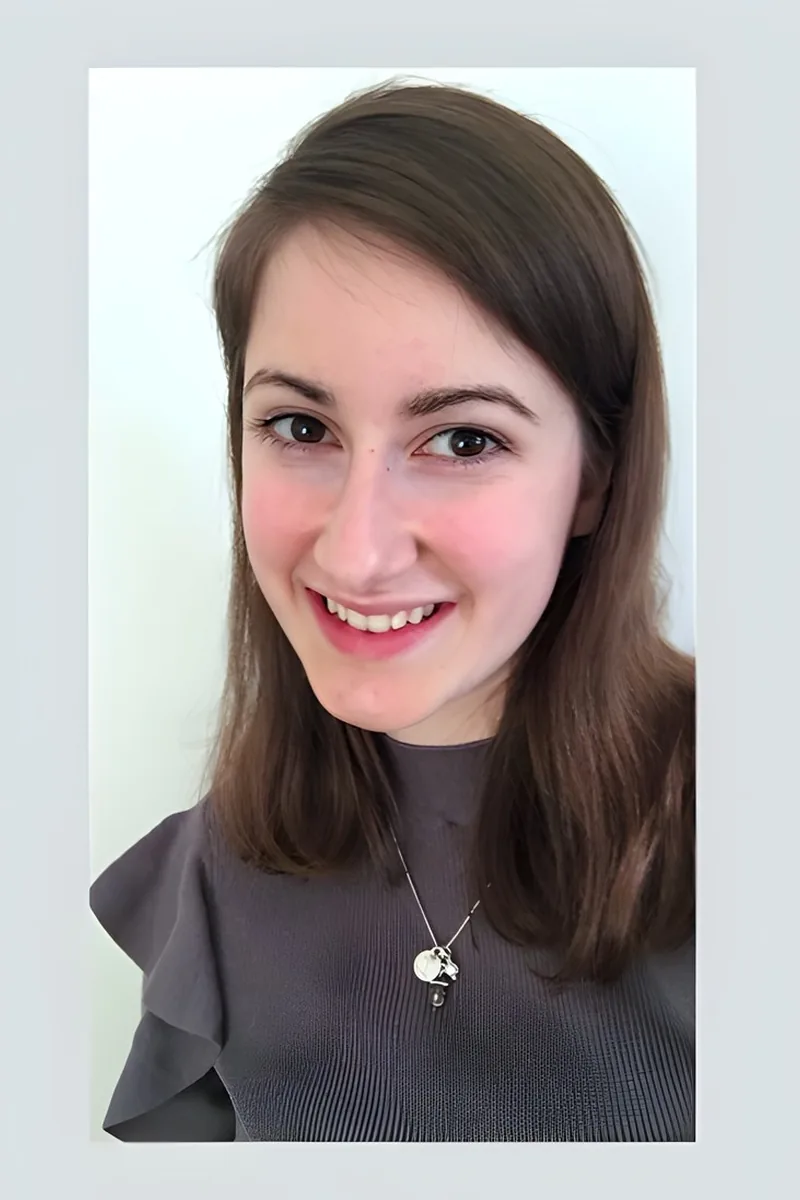
Pharmacy school forces you to learn the biological bases of behavior from the inside out — neurotransmitter pathways, drug mechanisms, receptor interactions — which gives Lillian unusual depth in the AP Psych unit most students find most abstract. She also draws on her chemistry and statistics background to demystify the research methods unit, where interpreting experimental design and data analysis trips up students who treat it as pure memorization. Rated 4.9 by students.
Hyerin's Bioethics master's puts her at the intersection of science and human decision-making — exactly where AP Psychology lives, especially in units like abnormal psychology and social psychology where questions about diagnosis, moral reasoning, and institutional behavior come up constantly on the exam. Her medical school training reinforces the biological bases of behavior unit, since she's actively studying the neural and physiological systems that most AP Psych students only see in diagrams. Rated 4.9 by students.
Working in a genetics lab and as an EMT gives Evan an unusual double lens on AP Psychology — he understands the biological bases of behavior unit from his research in genetics and neuroscience, and he's seen concepts like stress response, decision-making under pressure, and abnormal behavior play out firsthand in emergency medicine. That real-world clinical experience makes units like motivation, emotion, and abnormal psychology feel concrete rather than theoretical. Rated 5.0 by students.
Shant's psychobiology degree from UCLA means AP Psychology isn't a subject he studied adjacent to — it's the core of his training, from neural signaling and brain anatomy to research methodology and statistical analysis. He breaks down dense units like cognition, abnormal psychology, and sensation/perception by tying them to real biological mechanisms. Rated 5.0 by students, he knows exactly which free-response pitfalls cost points on exam day.
Cognitive science at Rice meant Adam studied the AP Psych curriculum from the inside out — perception, memory, language processing, and the neural underpinnings of behavior were core coursework, not elective reading. That training makes him especially sharp on the cognition and biological bases units, where he connects concepts like dual-process theory and neural plasticity to the real research behind them rather than treating them as isolated vocabulary terms.
Hidefusa didn't just take a psych course — he earned a BA in Psychology from NYU, then completed a clinical psychology master's at Harvard before pursuing a PhD in Clinical Neuropsychology, which means he's studied the AP Psych curriculum at every level from introductory to doctoral. That depth is especially visible in the research methods unit, where his proficiency in SPSS and Stata lets him teach experimental design, statistical significance, and data interpretation as tools he actually uses rather than definitions to memorize. Rated 4.9 by students.
Neuroscience and psychology overlap more than most AP students realize — concepts like neurotransmitter function, brain lateralization, and action potentials show up heavily on the AP Psychology exam. Rithi's neuroscience degree and current medical training mean she can explain the biological underpinnings behind every major psychological theory rather than asking students to memorize disconnected terms. Rated 4.9 by students.
The AP Psychology exam covers everything from neurotransmitter functions to Piaget's developmental stages, but the real challenge is distinguishing between concepts that sound nearly identical under time pressure. Lisa breaks down each unit's vocabulary with concrete examples and targeted practice on the kinds of stimulus-based questions the College Board actually asks. Her 5.0 rating speaks to how well that approach translates to exam day.
Engineering students at Carnegie Mellon don't typically study psychology — but Ryan's coursework in human factors and systems design required him to learn how people perceive, process, and respond to information, which maps directly onto AP Psychology units like cognition, sensation-perception, and memory. He brings an analytical, pattern-based approach to the exam's terminology-heavy content that works especially well for students who think more like scientists than social scientists. Rated 4.8 by students.
Studying medicine at Georgetown meant June lived the material in AP Psychology — neurotransmitter pathways, brain anatomy, classical and operant conditioning, and the biological underpinnings of behavior are concepts she uses daily. She breaks down each unit by linking psychological theory to real clinical examples, making abstract ideas like Piaget's stages or the DSM-5 criteria far more concrete.
Lisa's history training taught her to trace how ideas evolve across time periods — a skill that translates directly to AP Psychology, where understanding the progression from Freud to cognitive-behavioral frameworks makes dense theory units like personality and abnormal psychology far more intuitive than rote memorization allows. Her strong writing and editorial background also gives her a practical edge coaching students through free-response questions, where defining terms like "schema" or "self-serving bias" with precision and applying them to scenario prompts is what separates 3s from 5s. Rated 4.9 by students.
Lauren's education degree means she's studied learning theory and developmental psychology from the teaching side — Piaget's stages, Vygotsky's scaffolding, Erikson's identity crises — which gives her a practitioner's fluency with concepts that make up a significant chunk of the AP Psych exam. She also teaches study skills alongside psychology, so she builds vocabulary-retention strategies directly into her sessions for the units where sheer terminology volume tends to overwhelm students.
Architecture school at Columbia demands understanding how people perceive, navigate, and emotionally respond to spaces — which means Allison has spent years thinking about sensation-perception, cognition, and motivation in applied contexts that bring AP Psych concepts off the page. Her physics background also gives her a structural approach to the biological bases of behavior unit, where she breaks down neural signaling and brain anatomy with the precision of someone trained in systems thinking. Rated 5.0 by students.
A psychology and linguistics degree from the University of Chicago means Sherry didn't just survey the AP Psych curriculum — she studied the underlying science of language, cognition, and behavior at a research university where the field's foundational theories were developed. That linguistics training is especially useful for the language-and-thought debates in the cognition unit and for unpacking Chomsky, Whorf, and the biological underpinnings of communication that the exam tests in ways students rarely expect. Rated 5.0 by students.
Testimonials
Because the right AP Psychology tutor makes all the difference.
Average Session Rating – Based on 3.4M Learner Ratings
Practice AP Psychology
Free practice tests, flashcards, and AI tutoring for AP Psychology
Other Columbus Tutors
Related Social Sciences Tutors in Columbus
Frequently Asked Questions
Score improvement depends on your starting point and study consistency, but students typically see meaningful gains through focused preparation. With personalized 1-on-1 instruction, you can identify weak areas in the curriculum—whether that's unit content, FRQ writing, or multiple-choice strategy—and address them systematically. Most students who work with tutors improve their understanding of key concepts and test-taking approach, which translates to better performance on exam day.
AP Psychology spans nine units covering scientific foundations, research methods, sensation and perception, learning and conditioning, cognition, development, motivation and emotion, personality, testing and individual differences, abnormal psychology, and treatment approaches. The course emphasizes understanding psychological principles and research methods rather than memorization. Tutors can help you connect concepts across units and understand how different psychological perspectives apply to real-world scenarios.
FRQs require you to apply psychological concepts to scenarios, which many students find challenging initially. Tutors can teach you how to structure responses using the "definition, application, explanation" approach and practice identifying which concepts are most relevant to each prompt. Working through past FRQs with feedback helps you understand what graders are looking for and builds confidence in your analytical writing.
AP Psychology multiple-choice questions often test nuanced understanding of concepts and research studies. Effective strategies include eliminating obviously wrong answers, paying attention to qualifier words like "most" or "always," and recognizing common distractors that test partial understanding. Tutors can help you practice these strategies on actual AP questions, identify patterns in what you're missing, and build the pacing skills needed to complete all 100 questions in 90 minutes.
Students often struggle with research methods and statistics early in the course, as well as the abnormal psychology and treatment units later on. The neuroscience content in Unit 3 also challenges many students because it requires understanding brain structures and their functions. Personalized tutoring helps you tackle these difficult units with targeted explanations and practice, rather than rushing through material you don't fully grasp.
Most students benefit from starting exam preparation 2-3 months before the May test date, though this varies based on your starting knowledge and comfort with the material. A typical study schedule includes reviewing units systematically, taking practice tests every 2-3 weeks to track progress, and dedicating the final month to targeted review of weak areas. Tutors can help you create a personalized study plan that fits your schedule and focuses your effort where you need it most.
Test anxiety often stems from uncertainty about content or question formats. Working with a tutor to thoroughly understand the material and practice with real AP questions builds genuine confidence that carries into the exam room. Tutors can also help you develop pacing strategies and mental approaches to stay calm, like tackling easier questions first and returning to difficult ones later.
Look for tutors with strong backgrounds in psychology, experience teaching or tutoring AP-level content, and familiarity with the current AP exam format and scoring rubrics. Tutors who have scored well on the AP Psychology exam themselves and understand common student misconceptions are especially valuable. Varsity Tutors connects you with expert tutors who can guide you through both content mastery and test-taking strategy.
Let’s find your perfect tutor
Answer a few quick questions. We’ll recommend the right plan and match you with a top 5% tutor.