Award-Winning AP Psychology Tutors
serving Toledo, OH
AP Psychology
Tutors in Toledo
Private 1-on-1 tutoring, weekly live classes for academic support, test prep & enrichment, practice tests and diagnostics, and more to elevate grades and test scores.
Based on 3.4M Learner Ratings
UniversitiesSchools & Universities
DeliveredHours Delivered
ProficiencyGrowth in Proficiency
Who needs tutoring?
No obligation. Takes ~1 minute.
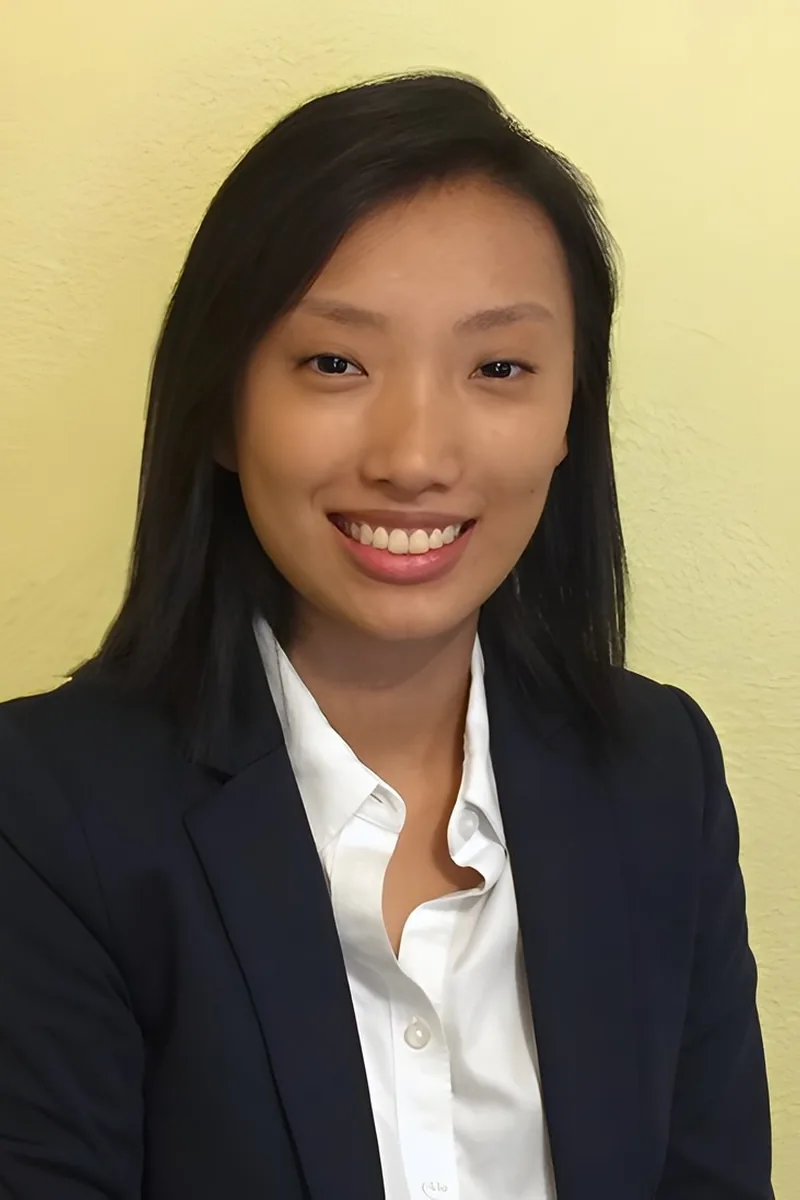
Hyerin's Bioethics master's puts her at the intersection of science and human decision-making — exactly where AP Psychology lives, especially in units like abnormal psychology and social psychology where questions about diagnosis, moral reasoning, and institutional behavior come up constantly on the exam. Her medical school training reinforces the biological bases of behavior unit, since she's actively studying the neural and physiological systems that most AP Psych students only see in diagrams. Rated 4.9 by students.
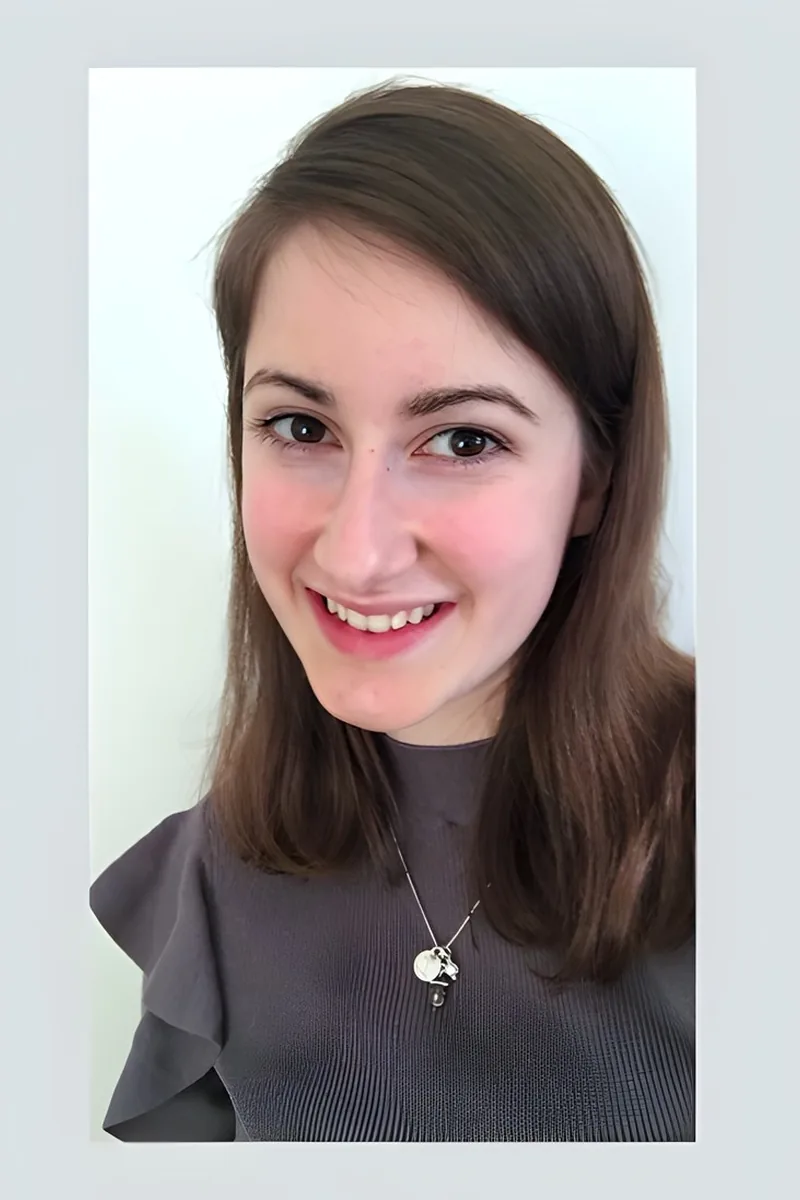
Pharmacy school forces you to learn the biological bases of behavior from the inside out — neurotransmitter pathways, drug mechanisms, receptor interactions — which gives Lillian unusual depth in the AP Psych unit most students find most abstract. She also draws on her chemistry and statistics background to demystify the research methods unit, where interpreting experimental design and data analysis trips up students who treat it as pure memorization. Rated 4.9 by students.
William studied psychology as his undergraduate major, so the AP Psych curriculum — from Piaget's stages to the nuances of the DSM — maps directly onto coursework he's already completed rather than material he's reverse-engineering from a prep book. His neuroscience background adds particular depth to the biological bases of behavior unit, where he breaks down neurotransmitter systems and brain region functions with the confidence of someone planning a PhD in neuropsychology. A 34 ACT also means he knows standardized testing strategy inside and out, which translates into sharper free-response technique.
Years of teaching English overseas in Thailand and Laos gave Gabriel firsthand experience with how culture shapes cognition, communication, and social behavior — exactly the kind of cross-cultural thinking that AP Psychology's social psychology and developmental units test on free-response questions. His TEFL background also means he's practiced at breaking down dense terminology for learners who need concepts explained clearly and concretely, a skill that transfers directly to vocabulary-heavy units like memory, learning theory, and abnormal psychology. Rated 4.9 by students.
A psychology degree gives Maggie direct familiarity with the AP Psych curriculum — she studied the theories of Erikson, Piaget, and Kohlberg in depth, which is especially useful for the developmental psychology unit where students need to distinguish overlapping stage models under exam pressure. Her strong writing and reading background also translates to the free-response section, where she coaches precise term definitions woven into scenario-based answers that earn full credit.
Anuj earned his degree in psychology, so the AP Psych curriculum — from classical conditioning paradigms to the DSM's diagnostic categories — draws on material he studied firsthand rather than picked up from a prep book. He's especially effective at teaching students how to structure free-response answers that earn full credit by precisely defining terms and linking them to specific studies or scenarios. Rated 4.8 by students.
Liana's biological sciences coursework gives her a running start on the AP Psych units that trip up most students — biological bases of behavior, sensation-perception, and the neuroscience threading through topics like memory and motivation. She tackles the terminology-dense sections by tying psychological concepts back to the underlying biology, turning flashcard-style definitions into something students can actually reason through on free-response questions. Rated 4.9 by students.
With degrees in both mathematics and psychology from UCLA, Professor Florence teaches AP Psychology the way the exam actually tests it — connecting research methodology and statistical reasoning to every major unit, from learning theory to abnormal psych. That dual background means topics like experimental design, correlation vs. causation, and interpreting data feel intuitive rather than bolted on, which is exactly where many students quietly lose points on both multiple-choice and free-response sections.
Alexis earned her psychology degree and knows exactly which theories, experiments, and terminology the AP exam emphasizes — from Milgram's obedience studies to the nuances of classical versus operant conditioning. She breaks down the trickiest free-response prompts by teaching students to weave multiple perspectives (biological, cognitive, sociocultural) into a single cohesive answer. Rated 5.0 by students.
Studying medicine at Georgetown meant June lived the material in AP Psychology — neurotransmitter pathways, brain anatomy, classical and operant conditioning, and the biological underpinnings of behavior are concepts she uses daily. She breaks down each unit by linking psychological theory to real clinical examples, making abstract ideas like Piaget's stages or the DSM-5 criteria far more concrete.
A psychology and linguistics degree from the University of Chicago means Sherry didn't just survey the AP Psych curriculum — she studied the underlying science of language, cognition, and behavior at a research university where the field's foundational theories were developed. That linguistics training is especially useful for the language-and-thought debates in the cognition unit and for unpacking Chomsky, Whorf, and the biological underpinnings of communication that the exam tests in ways students rarely expect. Rated 5.0 by students.
Sonia's neuroscience degree and current medical school training mean the biological bases of behavior unit — neurotransmitters, brain regions, neural plasticity — is material she's internalized through years of clinical and academic work, not just a chapter to memorize. Where she particularly stands out is connecting that deep science background to the psychological theories built on top of it, so concepts like psychopharmacology, sensation-perception, and the stress-illness relationship make intuitive sense rather than feeling like disconnected vocabulary.
Neuroscience and psychology share enormous overlap — from brain anatomy and neurotransmitter function to research methodology and statistical analysis. Deana's B.S. in Neuroscience means she doesn't just teach AP Psychology vocabulary; she unpacks the biological mechanisms behind concepts like memory consolidation, classical conditioning, and neural signaling. That depth turns rote definitions into ideas students actually understand.
Elliot's PhD in Neuroscience means the biological bases of behavior unit — neurotransmitter systems, brain lateralization, neural plasticity — is his actual research territory, not a chapter he's reviewing from a prep book. That depth reshapes how he teaches the rest of the AP Psych curriculum too: units like sensation-perception, memory, and abnormal psychology all snap into focus when a student genuinely understands the neural machinery underneath. Rated 5.0 by students.
Orlando's economics training built real fluency with statistical reasoning and data interpretation — skills that translate directly to AP Psychology's research methods unit, where students need to parse experimental designs, identify variables, and evaluate significance without getting lost in jargon. He also brings strong essay-writing chops from his arts background, which he applies to coaching free-response answers where precise term definitions and clean scenario application separate 4s and 5s from 3s.
Testimonials
Because the right AP Psychology tutor makes all the difference.
Average Session Rating – Based on 3.4M Learner Ratings
Practice AP Psychology
Free practice tests, flashcards, and AI tutoring for AP Psychology
Other Toledo Tutors
Related Social Sciences Tutors in Toledo
Frequently Asked Questions
The AP Psychology exam covers eight major units: Scientific Foundations of Psychology, Research Methods and Statistics, Sensation and Perception, Learning, Cognition, Motivation/Emotion/Personality, Testing and Individual Differences, Abnormal Psychology, and Treatment of Abnormal Behavior. Each unit is weighted differently on the exam, with some topics like Learning and Abnormal Psychology carrying more emphasis. Understanding the relative importance of each unit helps you allocate study time effectively and focus on high-impact content.
The exam has two sections: a 70-minute multiple-choice section with 100 questions (66% of your score) and a 50-minute free-response section with two essay questions (34% of your score). The multiple-choice questions test conceptual understanding and require you to apply psychological principles to scenarios, while the essays ask you to analyze and explain psychological concepts in depth. Success requires both strong content knowledge and the ability to manage time across different question types.
A score of 3 or higher is considered passing and earns college credit at most institutions, though some schools require a 4 or 5 for credit. The national average score hovers around 2.6, so scoring a 3 puts you above average. Your target score depends on your college's requirements and your academic goals—aiming for a 4 or 5 demonstrates mastery of the material and strengthens college applications.
Students often struggle with Research Methods and Statistics early in the course, as it requires understanding experimental design, correlation vs. causation, and statistical concepts like standard deviation and confidence intervals. Abnormal Psychology and Treatment also challenge many students because they involve memorizing numerous disorders, symptoms, and therapeutic approaches. Additionally, the free-response section trips up students who can't clearly explain psychological concepts or apply theories to real-world scenarios—this requires practice beyond just memorizing definitions.
Most students benefit from consistent study throughout the school year, dedicating 3-5 hours per week during the course. In the final 4-6 weeks before the exam, increase this to 5-8 hours weekly, focusing on practice tests, reviewing weak areas, and refining essay-writing skills. The key is spaced repetition—reviewing material multiple times over weeks and months helps it stick better than cramming, which is why starting early and studying consistently yields the best results.
Practice tests are essential—they help you identify weak content areas, build familiarity with the exam format, and develop pacing strategies under timed conditions. Take your first practice test early to establish a baseline, then use subsequent tests to track improvement and focus study efforts on topics where you're scoring lowest. In the final weeks, take full-length timed practice tests weekly to simulate exam conditions and build test-day confidence.
Test anxiety often stems from feeling unprepared, so thorough study and practice tests build genuine confidence. On exam day, manage anxiety by arriving early, doing light breathing exercises, and reminding yourself that you've practiced this material. During the test, if you feel anxious, skip difficult questions and return to them later—this maintains momentum and prevents panic from derailing your performance on questions you can answer confidently.
Varsity Tutors connects you with expert tutors who can clarify difficult concepts, create a personalized study plan aligned with your learning pace, and provide targeted practice on weak areas. Tutors can help you develop effective essay-writing strategies for the free-response section, work through practice problems with you to build problem-solving skills, and offer test-taking strategies specific to AP Psychology's format. For students in Toledo, personalized 1-on-1 instruction ensures you're focusing study time where it matters most.
Let’s find your perfect tutor
Answer a few quick questions. We’ll recommend the right plan and match you with a top 5% tutor.