Award-Winning AP English Literature and Composition Tutors
serving Cincinnati, OH
AP English Literature and Composition
Tutors in Cincinnati
Private 1-on-1 tutoring, weekly live classes for academic support, test prep & enrichment, practice tests and diagnostics, and more to elevate grades and test scores.
Based on 3.4M Learner Ratings
UniversitiesSchools & Universities
DeliveredHours Delivered
ProficiencyGrowth in Proficiency
Who needs tutoring?
No obligation. Takes ~1 minute.
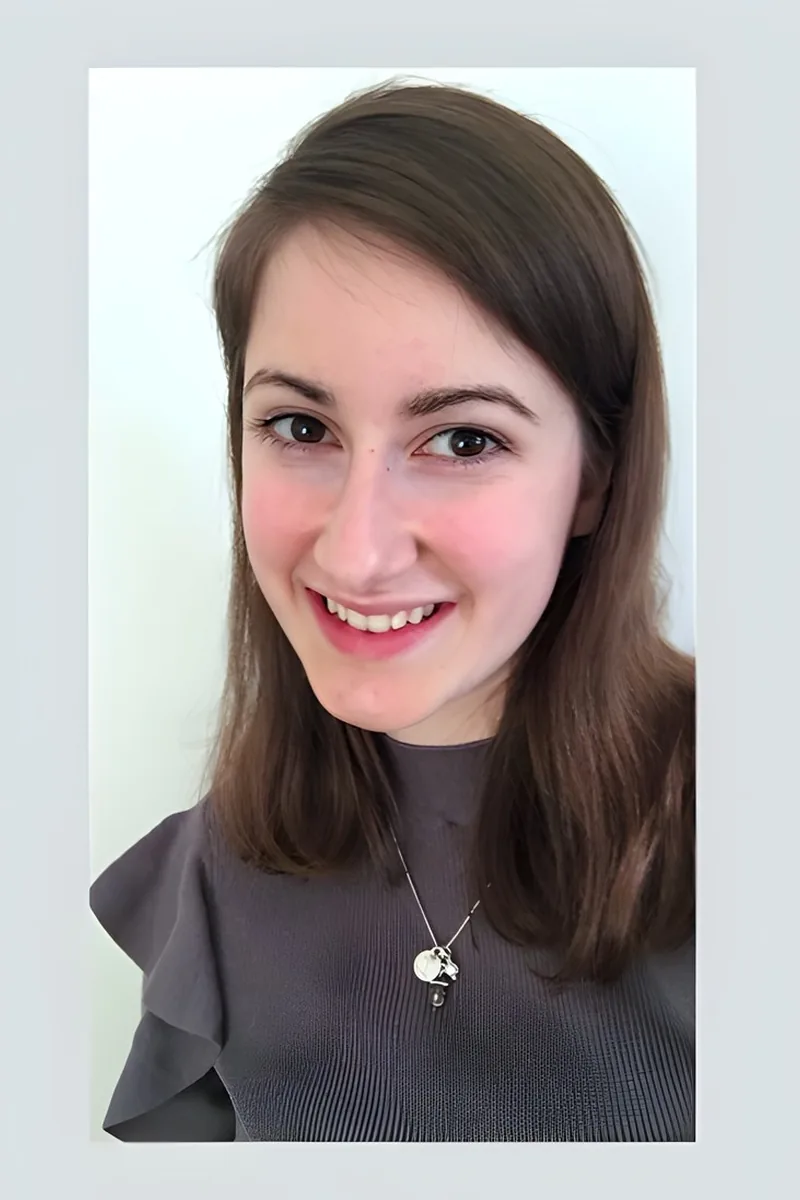
AP Lit asks students to do something deceptively hard: read a poem or passage cold and immediately construct a coherent argument about how literary devices create meaning. Lillian approaches close reading the way she approaches science — by identifying patterns, testing interpretations against textual evidence, and building a claim methodically. That analytical rigor, paired with her own love of reading, makes her especially effective at teaching students to write timed essays that earn high marks.

AP Lit asks students to do something genuinely difficult — read a poem or passage cold and produce a coherent argument about its literary techniques under time pressure. William teaches students to identify devices like irony, shifts in tone, and narrative perspective quickly, then translate those observations into thesis-driven essays. His psychology background also sharpens his approach to character analysis, especially when prompts ask about motivation and internal conflict.
AP Lit's free-response questions reward students who can move beyond plot summary and build an argument about how literary techniques create meaning — why Keats chose that particular ode structure, or how Faulkner's shifting narrators destabilize the reader's sense of truth. Martin earned his PhD studying exactly this intersection of form and meaning in English-language fiction, drama, and poetry. He teaches students to generate the kind of specific, text-grounded analysis that earns scores in the 8–9 range.
A journalism-trained reader with a deep love of language, Kelsey unpacks the literary devices and thematic arguments that AP Lit essays demand. She teaches students to move from surface-level plot summary to the kind of close reading that earns high marks — analyzing how an author's diction, syntax, or narrative structure builds meaning on the page.
I am a rising sophomore at Kenyon College, a small liberal arts school an hour out of Columbus, Ohio, majoring in Philosophy. It is difficult to identify a specialty of mine because I have worked with students from 1st grade through high school on topics ranging from elementary science to trigonometry test prep, but my foremost strength is the three sections of the SAT. I have roughly three years of experience tutoring and last year taught a test prep class. My approach to tutoring is to identify a students strengths and build upon them through frequent quizzes and reflective analysis. Additionally, having just gone through the college admissions process, I am privy to its length and complexity so can lend advice on anything, namely essays. I have plenty of experience writing and have been published in a local newspaper. While I think math is the easiest subject for me to teach, writing and writing skills are my favorite to teach because to see a writers progress is an extraordinary sight and, further, challenge.
AP English Literature asks students to do what Toni does professionally: analyze poetry, prose, and drama with precision and write about it persuasively under pressure. As a college English professor with expertise spanning medieval, British, and comparative literature, she teaches students to build arguments around literary devices like free indirect discourse, enjambment, and unreliable narration — the kind of specificity that earns 8s and 9s on the essays.
AP Lit asks students to do something genuinely difficult: read a poem or prose passage cold and produce a polished literary argument in forty minutes. Jean's dual background in history and law sharpened her ability to construct tight, evidence-driven arguments under pressure — exactly the skill this exam rewards. She teaches students to move past plot summary and dig into how literary devices like imagery, tone shifts, and narrative structure create meaning.
AP English Lit asks students to do something genuinely difficult: write a persuasive literary argument under timed conditions about a poem or passage they've never seen before. Paula's approach digs into close reading techniques — tracking imagery patterns, shifts in tone, narrative perspective — so that students walk into the exam knowing how to generate an original thesis on the spot. Her background in both Psychology and Communication Studies sharpens the way she unpacks character motivation and authorial intent.
AP Lit's free-response questions reward students who can move beyond plot summary and build an argument about how literary devices shape meaning — a skill that takes practice with close reading and thesis construction. Emerson scored a 1560 on the SAT and studied at the University of Chicago, where rigorous textual analysis is woven into nearly every course. Rated 5.0 by students, he brings that analytical precision to poetry explication, prose passage work, and the open-ended essay.
AP Lit demands more than knowing what a poem or novel is about — it requires writing about how literary choices create meaning under serious time pressure. Rebecca's English degree from Notre Dame, paired with her deep reading background in comparative literature and philosophy, gives her a sharp eye for the kind of close-reading analysis that earns high marks on poetry and prose essays.
Earning a Secondary Teacher's certification while studying English means Hailey is learning not just how to analyze literature but how to teach that analysis — breaking down why a particular stanza's enjambment or a narrator's shifting reliability matters, then coaching students to articulate those insights in timed, thesis-driven essays. Her 32 ACT and 5.0 tutoring rating back up an approach rooted in making the leap from 'I noticed something' to 'here's my argument about what it means.'
AP English Lit demands more than plot summary — it asks students to analyze how literary devices create meaning in poetry and prose, then argue that analysis under timed conditions. Jonathan's University of Chicago education, heavy in literature and philosophy, trained him to do exactly that: construct a tight, evidence-driven essay about tone, imagery, or narrative structure in under forty minutes. His debate background also sharpens the thesis-building skills that earn top scores on the free-response section.
Hello, students! My name is Pranav, and I'm so excited to be tutoring with Varsity Tutors. I have vast experience tutoring both personally and professionally; I've held officer positions in several nonprofit organizations, including STEMpals and The Do Re Mi Project, teaching courses ranging from biology to music theory. I took 16 AP courses throughout high school with all 5s, and I earned a 1570 on my SAT, so I'm pretty familiar with the majority of academic subjects! I have experience tutoring any and all skill levels, and I'm always open to expanding my horizons, so please don't hesitate to book your first lesson. I'm looking forward to meeting with you!
AP English Literature asks students to do something genuinely difficult: read a poem or prose passage they've never seen and produce a polished analytical essay in under forty minutes. As a PhD candidate in American Literature at UConn, Meghan digs into the specific skills the exam rewards — thesis construction, close reading of figurative language, and integrating textual evidence without plot summary. She keeps sessions dynamic by rotating through poetry, drama, and fiction so students build range across genres.
AP English Literature asks students to do in a timed essay what Alex has spent years training to do at the doctoral level: construct an argument about a literary text using precise evidence and sophisticated analysis. He digs into the specific skills the exam rewards — reading poetry for structure and figurative language, writing thesis-driven essays under pressure, and choosing the right passage for the open-ended prompt. His PhD research in English means students are learning from someone who lives inside these texts.
Poetry analysis is where Carla comes alive. Her deep background in English literature means she can teach students to unpack a Dickinson poem's slant rhyme or trace the symbolic architecture of a Toni Morrison novel — exactly the kind of close reading that earns high marks on AP Lit free-response essays. She also coaches students on managing the multiple-choice section's time pressure without sacrificing careful reading.
AP English Literature asks students to do something genuinely hard: read a poem or passage cold and produce a coherent analytical essay under time pressure. Kahini earned her English degree at Brown, where close reading of literary form — meter, narrative structure, figurative language — was the daily expectation. She teaches students to build an argument from a single textual detail outward rather than summarizing plot.
Testimonials
Because the right AP English Literature and Composition tutor makes all the difference.
Average Session Rating – Based on 3.4M Learner Ratings
Practice AP English Literature and Composition
Free practice tests, flashcards, and AI tutoring for AP English Literature and Composition
Nearby AP English Literature and Composition Tutors
Other Cincinnati Tutors
Related English Tutors in Cincinnati
Frequently Asked Questions
AP English Literature and Composition focuses on close reading, literary analysis, and essay writing across multiple genres including poetry, prose, and drama. Students learn to identify literary devices, analyze character development, interpret themes, and construct well-supported arguments about texts. The course culminates in a 3-hour exam featuring multiple-choice questions on prose and poetry passages, plus three free-response essays (argumentative, textual analysis, and synthesis).
Score improvement depends on your starting point and commitment level. Students who work with tutors typically see the most gains by strengthening their weakest areas—whether that's close reading comprehension, thesis development, or time management during the exam. Many students improve by 1-2 score points (out of 5) with focused, consistent practice over several months, though individual results vary based on baseline skills and effort.
The most common struggles include managing time during the 3-hour exam, developing strong thesis statements that go beyond surface-level observations, and conducting close analysis of unfamiliar texts under pressure. Many students also struggle with the transition from plot summary to thematic analysis, and with understanding how to use textual evidence effectively to support arguments rather than simply identifying literary devices.
Tutors work with you on targeted skill development—strengthening close reading techniques, building a toolkit of analytical frameworks, and practicing essay writing under timed conditions. They can identify your specific weaknesses (whether it's poetry analysis, prose comprehension, or argumentative structure), provide personalized feedback on practice essays, and help you develop test-taking strategies that maximize your score. Regular practice with released exam materials and custom prompts accelerates improvement.
Practice tests are essential for AP English Literature and Composition success because they build test stamina, reveal timing issues, and familiarize you with the exact format and question styles you'll encounter. Taking full-length practice exams under timed conditions helps you identify which sections need more work and allows tutors to pinpoint specific patterns in your errors. Most students benefit from completing at least 3-4 full practice tests during their preparation period.
A solid timing approach typically allocates about 15 minutes for the multiple-choice section (55 questions), leaving roughly 2 hours and 15 minutes for the three essays (approximately 40 minutes per essay). Many students find it helpful to spend the first few minutes of each essay section reading the prompt carefully and outlining their argument before writing. Tutors can help you practice this pacing with timed drills so you develop a rhythm that works for your reading and writing speed.
The three essays each require different skills: the argumentative essay asks you to develop your own position on a literary topic, the textual analysis essay requires close examination of a provided passage to support a thesis, and the synthesis essay asks you to integrate multiple provided sources to build an argument. Preparation should include practicing each essay type separately, studying strong sample responses, and receiving feedback on your thesis development and evidence selection for each format.
Varsity Tutors connects students in Cincinnati with expert tutors who specialize in AP English Literature and Composition and understand the specific demands of the exam. When matching with a tutor, look for someone with experience teaching AP-level literature, familiarity with the current exam format, and a track record helping students improve their analytical writing. Your first session is a great opportunity to discuss your current strengths and weaknesses so the tutor can create a personalized study plan tailored to your goals.
Let’s find your perfect tutor
Answer a few quick questions. We’ll recommend the right plan and match you with a top 5% tutor.