Award-Winning AP Spanish Language & Culture Tutors
serving Dayton, OH
AP Spanish Language & Culture
Tutors in Dayton
Private 1-on-1 tutoring, weekly live classes for academic support, test prep & enrichment, practice tests and diagnostics, and more to elevate grades and test scores.
Based on 3.4M Learner Ratings
UniversitiesSchools & Universities
DeliveredHours Delivered
ProficiencyGrowth in Proficiency
Who needs tutoring?
No obligation. Takes ~1 minute.
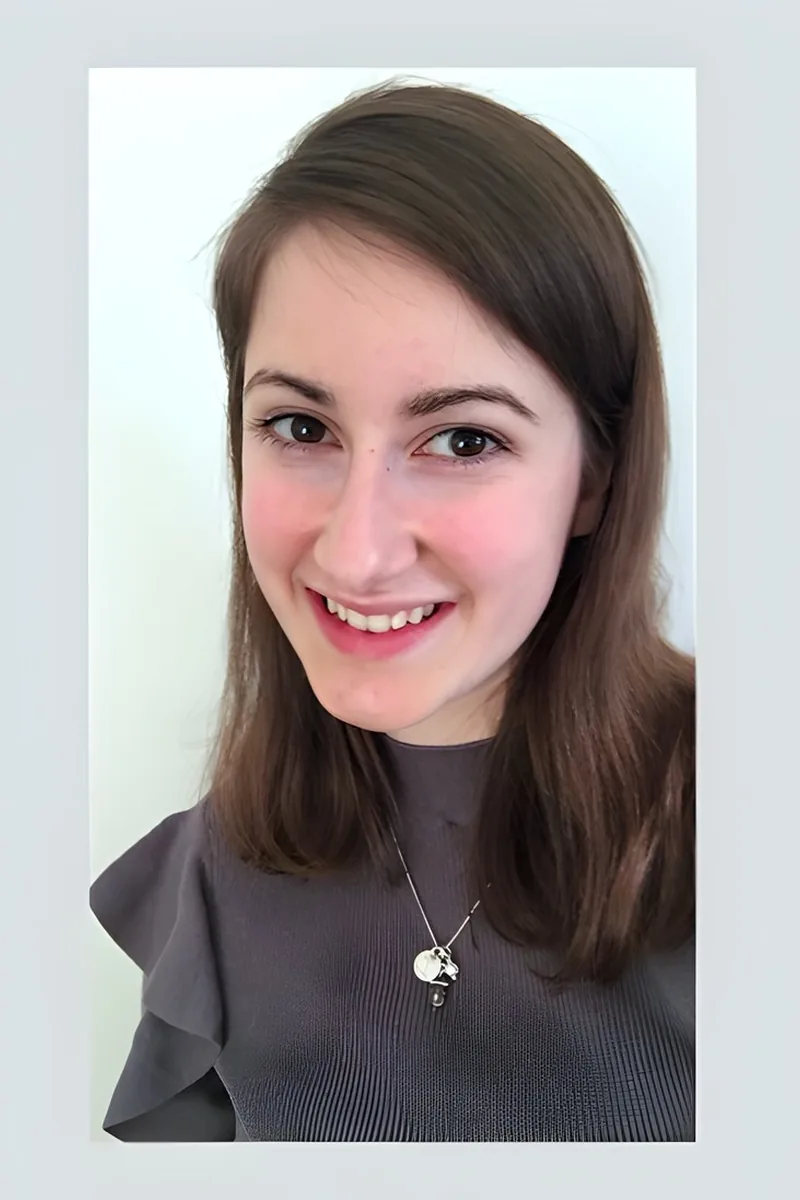
Tackling AP Spanish Language & Culture means producing polished interpersonal and presentational writing under timed conditions. Lillian breaks down the persuasive essay and email reply tasks by drilling subjunctive triggers, transition phrases, and the cultural comparison framework the rubric specifically rewards.
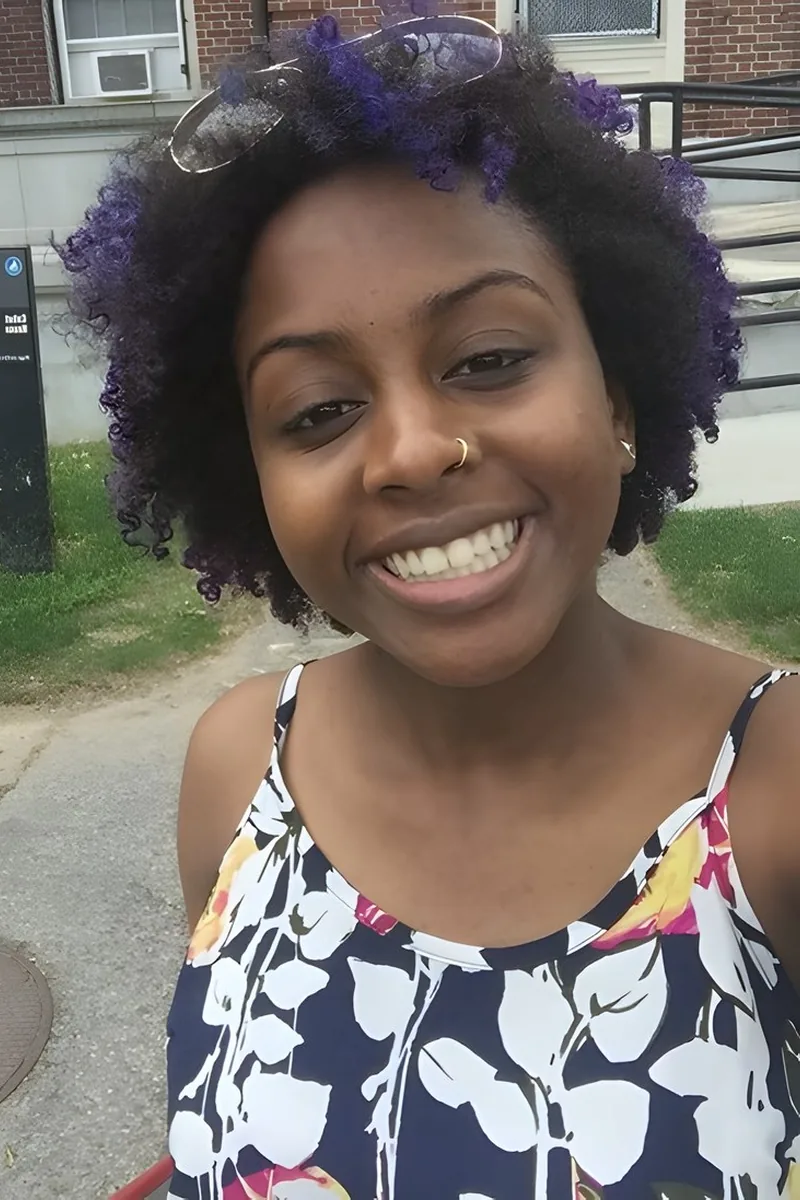
Pursuing a language citation in Spanish at Harvard while studying African American Studies, Gabriela tackles the AP exam's cultural comparison task with a cross-cultural analytical instinct baked into her daily coursework. She teaches Spanish from level 1 through 4 and conversational Spanish, so she can zero in on whether a student needs to shore up subjunctive mechanics or sharpen their ability to construct a timed persuasive essay in formal register. Rated 5.0 by students.
Living in Spain for six months gave Rebecca the kind of immersive fluency that AP Spanish Language & Culture demands — not just grammar accuracy, but the ability to navigate cultural comparisons and presentational speaking with confidence. She tackles the interpersonal and presentational writing tasks by teaching students how to integrate source material and build arguments entirely in Spanish. Her Notre Dame training in close reading also translates directly to the audio and print source analysis on the exam.
Having studied Spanish as part of his undergraduate degree and continuing to teach it from introductory levels through AP alongside conversational practice, Adam knows exactly where students plateau — and it's usually the jump from classroom grammar to the timed, register-aware writing the AP exam actually scores. His history background also sharpens the cultural comparison task, where connecting Spanish-speaking communities' practices to broader historical context turns a generic response into a compelling one.
Hillel's geology research on Antarctic ice sheet dynamics — conducted partly through Spanish-language scientific literature — gives him a practical connection to the formal register and academic vocabulary the AP exam's persuasive essay demands. He also teaches conversational Spanish and Hebrew, so he's comfortable switching between languages and coaching students through the interpersonal speaking tasks where real-time fluency matters most. Rated 5.0 by students.
Success on the AP Spanish Language & Culture exam depends on toggling fluently between interpretive, interpersonal, and presentational communication — often within a single task. Margaret tackles each mode separately, drilling persuasive email writing one session and audio-source synthesis the next, so students build confidence across the full exam format. Her own deep engagement with Spanish literature and conversation gives her the cultural fluency this exam specifically rewards.
Scoring well on AP Spanish Language & Culture means toggling fluently between interpersonal conversation, presentational writing, and audio-source synthesis — three very different skill sets tested in one exam. Reta has taken the exam, completed years of university-level Spanish, and spent time living abroad in Spanish-speaking countries, so her command of register, idiomatic expression, and cultural context is practical, not just academic. She drills the comparison essay and simulated conversation formats until students feel genuinely comfortable producing Spanish under pressure.
While AP Spanish Language & Culture isn't Orlando's primary teaching area, his background in the arts and economics gives him a strong handle on the interpretive and presentational communication skills the exam demands — particularly the persuasive essay and cultural comparison tasks. He approaches language study with the same analytical rigor he brings to his core subjects, breaking down source materials and building argument structure.
Born in Bolivia and fluent in Spanish from childhood, Geraldine brings native-level command to the AP Spanish Language & Culture exam's trickiest components: the persuasive essay, the cultural comparison, and the simulated conversation. She drills students on transitional phrases, formal register, and the specific cultural knowledge the College Board expects. Her familiarity with Latin American customs and idioms gives students an authentic reference point beyond the textbook.
Rithi's strengths sit squarely in STEM — neuroscience, biotechnology, and a 1550 SAT — so she's upfront that AP Spanish isn't her primary domain. That said, her science background means she's comfortable with systematic thinking about complex rule sets, which she applies to helping break down subjunctive triggers and formal register conventions into learnable patterns rather than abstract grammar lists.
Gabriel's PhD work in Comparative Human Development at the University of Chicago means he approaches the AP Spanish exam's cultural comparison task through an academic lens most tutors can't offer — he's trained to analyze how cultural practices differ across communities, which is exactly what that free-response prompt asks students to do. He teaches Spanish 2 through 4, so he knows which grammar foundations need tightening before students can write a persuasive essay in formal register under timed conditions. Rated 5.0 by students.
Rebecca's anthropology degree trained her to analyze cultural practices across communities — the exact skill the AP Spanish exam's cultural comparison free-response prompt tests. She teaches Spanish at every level from 1 through 4 plus conversational, so she can diagnose whether a student's weak spot is grammar mechanics like subjunctive triggers or the higher-order task of building a nuanced argument in formal register. Her 1550 SAT score reflects the kind of disciplined, timed-test thinking she brings to AP prep.
Scoring well on the AP Spanish Language exam means toggling fluently between reading comprehension, audio interpretation, and spontaneous spoken responses — skills that require more than grammar drills. Patrick builds students' confidence in each mode of communication by practicing with authentic sources like news articles, podcasts, and cultural essays, sharpening both accuracy and the natural flow that AP graders reward.
Testimonials
Because the right AP Spanish Language & Culture tutor makes all the difference.
Average Session Rating – Based on 3.4M Learner Ratings
Nearby AP Spanish Language & Culture Tutors
Other Dayton Tutors
Related Languages Tutors in Dayton
Frequently Asked Questions
The AP Spanish Language & Culture exam tests your ability to communicate in Spanish across three modes: interpersonal (conversations), interpretive (reading and listening), and presentational (writing and speaking). The exam includes multiple-choice sections on reading and listening comprehension, a free-response section with email writing and essay tasks, and a speaking portion with interpersonal and presentational components. Success requires strong listening, reading, writing, and speaking skills developed throughout the course.
AP scores range from 1 to 5, with 3 considered passing and qualifying for college credit at most institutions. A score of 4 or 5 demonstrates strong language proficiency and typically earns more college credits or advanced placement. Your target depends on your college goals and current proficiency level—personalized tutoring can help you identify realistic improvement targets and develop a study plan to reach them.
Many students struggle with the speaking portion, which requires spontaneous conversation and formal presentations with limited preparation time. The listening section also challenges students because native speakers speak at natural pace with regional accents and colloquial language. Additionally, the essay writing section demands cultural knowledge and sophisticated grammar structures. Targeted practice with realistic exam conditions and feedback on pronunciation and writing can address these weak areas.
Most students benefit from 4-6 months of focused preparation, though this depends on your starting proficiency level and how much Spanish you've studied. If you're taking the course, preparation typically begins in January or February for the May exam. Consistent practice with all exam sections—especially speaking and listening—is more effective than cramming. Personalized tutoring can help you maximize preparation time by targeting your specific weak areas rather than reviewing material you've already mastered.
Practice tests are essential for building familiarity with exam format, pacing, and question types. They help you identify which sections need the most work—whether that's reading comprehension, listening speed, or speaking fluency—so you can focus your study time strategically. Taking full-length practice tests under timed conditions also builds test-day confidence and helps you manage anxiety. Tutors can review your practice test results with you and provide targeted feedback on specific errors.
The speaking section intimidates many students because it feels high-stakes and you can't edit your responses. Practicing with a tutor who speaks Spanish fluently helps you build confidence through repeated, low-pressure conversations and feedback on pronunciation and grammar. Mock speaking tasks that simulate exam conditions—with the same timing and format—reduce anxiety by making the test feel familiar. The more you practice speaking with a native or near-native speaker, the more automatic your responses become, which naturally reduces test-day stress.
Look for tutors with strong Spanish proficiency (ideally native or near-native speakers), experience with the AP exam format, and familiarity with the specific scoring rubrics. They should be able to provide feedback on your speaking and writing, help you understand cultural contexts required by the exam, and design a study plan based on your current level and target score. Varsity Tutors connects you with expert Spanish tutors in Dayton who understand the AP curriculum and can help you prepare strategically.
Your first session typically includes an assessment of your current Spanish proficiency across all four skills (reading, writing, listening, speaking) and a discussion of your target score and timeline. The tutor will ask about your strengths and challenges, review your course progress, and may have you complete a practice section or speak conversationally to gauge your level. From there, you'll develop a personalized study plan focusing on the areas where you need the most improvement before test day.
Let’s find your perfect tutor
Answer a few quick questions. We’ll recommend the right plan and match you with a top 5% tutor.