Award-Winning AP Spanish Language & Culture Tutors
serving Toledo, OH
AP Spanish Language & Culture
Tutors in Toledo
Private 1-on-1 tutoring, weekly live classes for academic support, test prep & enrichment, practice tests and diagnostics, and more to elevate grades and test scores.
Based on 3.4M Learner Ratings
UniversitiesSchools & Universities
DeliveredHours Delivered
ProficiencyGrowth in Proficiency
Who needs tutoring?
No obligation. Takes ~1 minute.
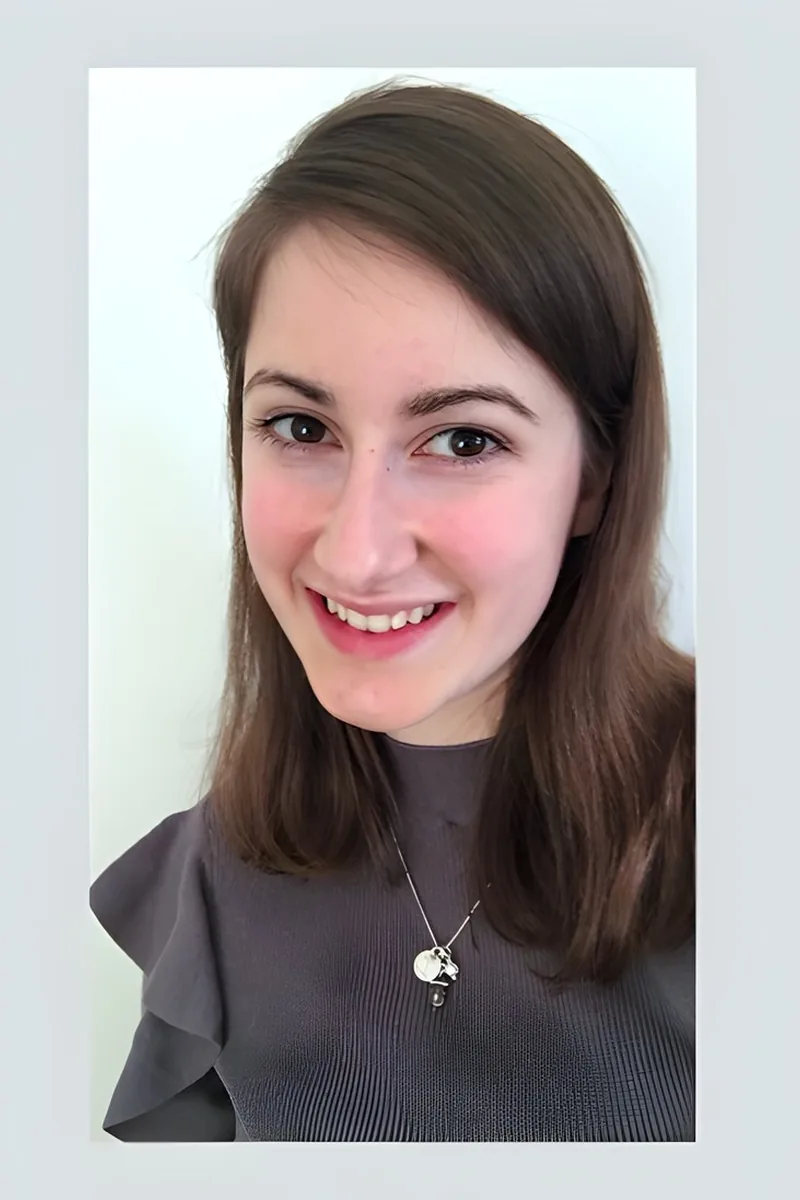
Tackling AP Spanish Language & Culture means producing polished interpersonal and presentational writing under timed conditions. Lillian breaks down the persuasive essay and email reply tasks by drilling subjunctive triggers, transition phrases, and the cultural comparison framework the rubric specifically rewards.

Having earned a BA in Spanish and studied the language at an advanced academic level, Steven knows exactly where the AP Spanish Language & Culture exam tries to trip students up — from interpreting audio sources in the interpersonal speaking task to weaving cultural comparisons into the presentational essay. He teaches students to think in Spanish rather than mentally translating from English, which is the single biggest factor in scoring well on timed prompts.
While AP Spanish Language & Culture isn't Orlando's primary teaching area, his background in the arts and economics gives him a strong handle on the interpretive and presentational communication skills the exam demands — particularly the persuasive essay and cultural comparison tasks. He approaches language study with the same analytical rigor he brings to his core subjects, breaking down source materials and building argument structure.
Molly holds degrees in Spanish from Columbia University, which gives her the academic grounding in grammar, composition, and literary analysis that AP Spanish Language & Culture's written and spoken tasks demand. Her classroom teaching experience across multiple grade levels means she quickly spots the structural weaknesses — verb tense confusion, weak transitions, underdeveloped cultural comparisons — that keep students from reaching a 4 or 5. Rated 5.0 by students.
Alex's chemical engineering and anthropology degrees from Washington and Lee make an unexpectedly useful pairing for AP Spanish — the engineering side builds systematic thinking about grammar structures like subjunctive triggers and pronoun placement, while the anthropology training sharpens the cultural analysis the exam's free-response prompts demand. He teaches Spanish 3 and 4, so he's already comfortable working at the level of complexity the AP exam expects in timed persuasive essays and spoken responses. Rated 4.8 by students.
Richard earned the highest scores on the AP Spanish exam with listening after double-majoring in Spanish at Emory and studying in Spain. He tackles the presentational writing and interpersonal speaking tasks by drilling the idiomatic expressions, subjunctive constructions, and cultural references that push students from competent into the 4–5 scoring range.
Christopher's memory-sport training — he's actively working toward a Guinness World Record — translates surprisingly well to the vocabulary and conjugation retention that AP Spanish demands, especially when students need to internalize subjunctive triggers and idiomatic expressions under exam pressure. His biology coursework at Johns Hopkins doesn't scream Spanish, but his ACT score of 32 and comfort across multiple academic disciplines show he knows how to systematically tackle material outside his primary lane.
Scoring well on the AP Spanish Language & Culture exam means toggling between interpersonal conversation, presentational writing, and audio-source synthesis — often in the same sitting. Heather's deep Spanish background, built through years of advanced coursework and one-on-one tutoring, means she can drill the specific skills each task type demands. She's particularly strong at coaching students through the persuasive essay, where organizing an argument in Spanish trips up even strong speakers.
Scoring well on the AP Spanish Language exam means toggling fluently between reading comprehension, audio interpretation, and spontaneous spoken responses — skills that require more than grammar drills. Patrick builds students' confidence in each mode of communication by practicing with authentic sources like news articles, podcasts, and cultural essays, sharpening both accuracy and the natural flow that AP graders reward.
Having studied Spanish as part of his undergraduate degree and continuing to teach it from introductory levels through AP alongside conversational practice, Adam knows exactly where students plateau — and it's usually the jump from classroom grammar to the timed, register-aware writing the AP exam actually scores. His history background also sharpens the cultural comparison task, where connecting Spanish-speaking communities' practices to broader historical context turns a generic response into a compelling one.
Jennifer's journalism training at Northwestern — where she learned to write persuasively under tight deadlines in formal register — maps directly onto the AP Spanish exam's timed persuasive essay, which demands the same skill set in a second language. She teaches Spanish from level 1 through AP and conversational Spanish, and her Georgetown international politics background means she can coach students through the cultural comparison task with the kind of geopolitical nuance that turns a generic response into a compelling one.
Between engineering coursework at Cornell and watching Russian news to stay sharp in her third language, Daria keeps her Spanish active by treating it as another system to master — grammar patterns, listening comprehension, and cultural context all get the same analytical rigor. She teaches both Spanish 1 and Spanish 2 alongside AP prep, so she knows exactly which foundational gaps trip students up on the exam's interpretive and presentational tasks. Rated 5.0 by students.
Joshua teaches Spanish from level 1 through AP and pairs that with four levels of Latin, so he's used to thinking about how Romance languages borrow structures from their classical roots — a perspective that sharpens his explanations of tricky Spanish grammar like subjunctive triggers and conditional sequences. His 1600 SAT reflects the kind of precise reading and analytical writing skills that translate directly to the AP exam's source-synthesis and persuasive essay tasks.
Testimonials
Because the right AP Spanish Language & Culture tutor makes all the difference.
Average Session Rating – Based on 3.4M Learner Ratings
Nearby AP Spanish Language & Culture Tutors
Other Toledo Tutors
Related Languages Tutors in Toledo
Frequently Asked Questions
The AP Spanish Language & Culture exam tests your ability to communicate in Spanish across three modes: interpretive (reading, listening, and viewing), interpersonal (conversations and written exchanges), and presentational (speaking and writing). The exam includes multiple-choice sections on reading and listening comprehension, as well as free-response sections where you'll write emails, essays, and give oral presentations. Success requires strong command of grammar, vocabulary, and cultural understanding across Spanish-speaking regions.
Personalized 1-on-1 instruction allows tutors to focus on your specific weak areas—whether that's verb conjugations, listening comprehension, or cultural analysis—rather than following a one-size-fits-all curriculum. Tutors can simulate exam conditions, provide real-time feedback on your speaking and writing, and develop targeted strategies for the sections you find most challenging. This focused approach helps you build confidence and improve your score more efficiently than self-study alone.
Many students struggle with the listening comprehension section, which moves quickly and requires understanding native-speed Spanish with various accents and regional variations. The free-response writing and speaking sections also challenge students who aren't used to producing Spanish under timed pressure. Additionally, the cultural component requires familiarity with current events and perspectives across Spanish-speaking countries, which many students haven't studied systematically. A tutor can help you practice these specific skills and build the stamina needed for test day.
Score improvement depends on your starting point and how consistently you practice, but students typically see meaningful gains within 4-8 weeks of focused tutoring. If you're struggling with specific sections, targeted instruction can help you move from a 2 or 3 to a 4 or 5 by addressing gaps in grammar, vocabulary, or test-taking strategy. The key is identifying your weak areas early and practicing under realistic exam conditions—something a tutor can help you do systematically.
Your first session typically focuses on assessment and goal-setting. A tutor will evaluate your current Spanish level, review which exam sections concern you most, and discuss your target score. You might take a practice test or work through sample questions to identify specific gaps in vocabulary, grammar, listening, or cultural knowledge. This information helps your tutor create a personalized study plan tailored to your needs and timeline before test day.
Effective strategies include time management for the multiple-choice sections (reading and listening move quickly, so practice pacing is essential), active reading techniques to find key details in Spanish passages, and strategic approaches to free-response questions like planning your essay outline before writing. For the speaking sections, practicing with a tutor helps you develop confidence and learn how to recover gracefully from mistakes without losing your train of thought. Many students also benefit from learning how to identify question patterns and eliminate wrong answers efficiently.
Practice tests are crucial because they help you understand the exam format, identify weak areas, and build test-day stamina—the exam is about 3 hours long and requires sustained focus across multiple sections. Taking full-length practice tests under timed conditions several weeks before the exam gives you realistic feedback on your score trajectory and helps you adjust your study strategy accordingly. A tutor can review your practice test results with you, pinpoint patterns in your mistakes, and provide targeted instruction to address them.
The cultural component isn't about memorizing facts—it's about understanding perspectives, values, and current issues across Spanish-speaking countries. You should stay informed about contemporary topics like education, environment, technology, and social issues in Spanish-speaking regions by reading news articles, watching Spanish-language media, and discussing these topics in Spanish. A tutor can help you develop the vocabulary and conversational skills to discuss culture authentically, and recommend resources like podcasts, documentaries, and news outlets that build both language skills and cultural awareness simultaneously.
Let’s find your perfect tutor
Answer a few quick questions. We’ll recommend the right plan and match you with a top 5% tutor.