Award-Winning AP Spanish Language & Culture Tutors
serving Columbus, OH
AP Spanish Language & Culture
Tutors in Columbus
Private 1-on-1 tutoring, weekly live classes for academic support, test prep & enrichment, practice tests and diagnostics, and more to elevate grades and test scores.
Based on 3.4M Learner Ratings
UniversitiesSchools & Universities
DeliveredHours Delivered
ProficiencyGrowth in Proficiency
Who needs tutoring?
No obligation. Takes ~1 minute.
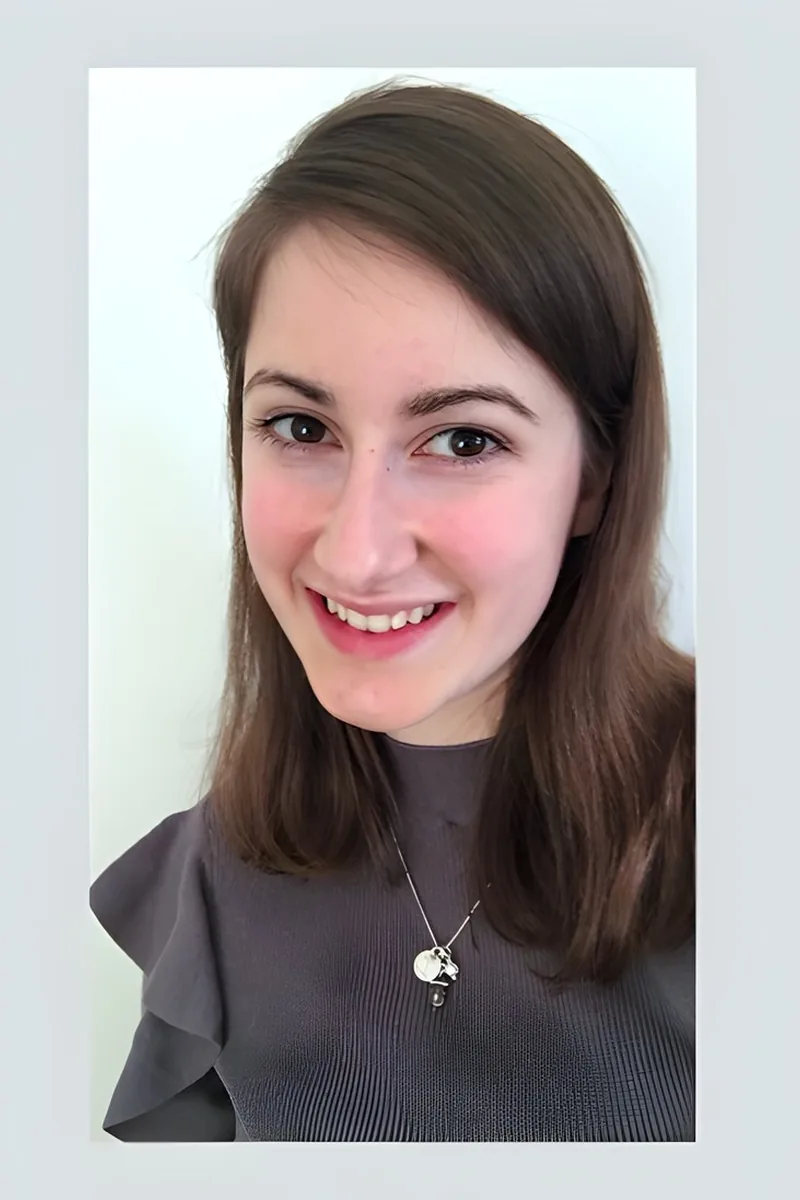
Tackling AP Spanish Language & Culture means producing polished interpersonal and presentational writing under timed conditions. Lillian breaks down the persuasive essay and email reply tasks by drilling subjunctive triggers, transition phrases, and the cultural comparison framework the rubric specifically rewards.
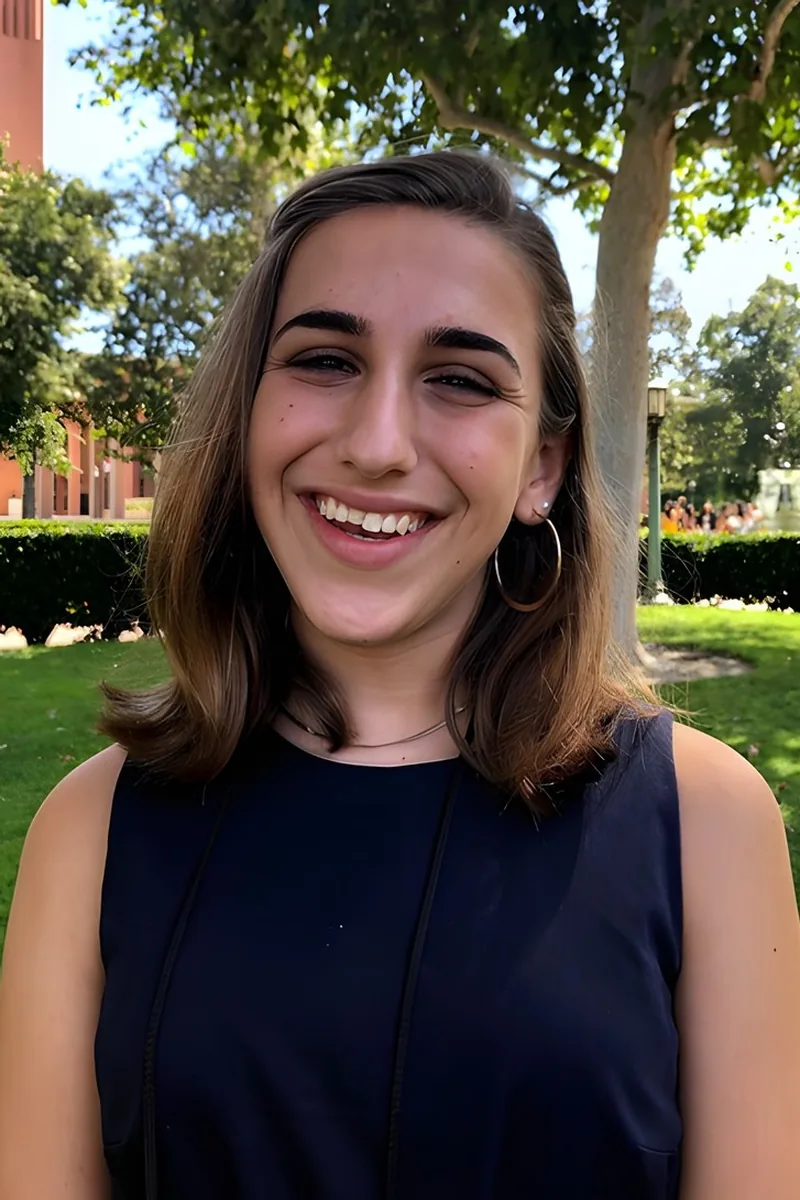
Native fluency gives Solange an ear for the idiomatic phrasing and natural register that score well on AP Spanish Language's interpersonal and presentational tasks. She digs into the cultural comparison essays and audio-response prompts that trip up even advanced students, coaching them to move beyond translated English and into authentic Spanish expression. Rated 5.0 by her students.
Most AP Spanish tutors come at the exam from a languages-only background — David pairs his Spanish teaching (levels 1 through 4 plus conversational) with a library science graduate degree that sharpens how he thinks about research, source interpretation, and formal written communication. That combination pays off on the exam's persuasive essay task, where students have to synthesize multiple Spanish-language sources into a coherent, register-appropriate argument under time pressure.
Having earned a BA in Spanish and studied the language at an advanced academic level, Steven knows exactly where the AP Spanish Language & Culture exam tries to trip students up — from interpreting audio sources in the interpersonal speaking task to weaving cultural comparisons into the presentational essay. He teaches students to think in Spanish rather than mentally translating from English, which is the single biggest factor in scoring well on timed prompts.
Fluent in Spanish since childhood, Adriana treats AP Spanish Language & Culture as more than vocabulary drills — she digs into the interpretive and presentational communication tasks that drive the exam, from synthesizing audio sources to crafting persuasive essays in Spanish. Her Rice University background in both sciences and humanities means she can coach students through the cultural comparison and argumentative writing sections with real analytical depth. Rated 5.0 by students.
Growing up in Miami gave Caitlin daily exposure to Spanish in real-world contexts — the kind of authentic, unscripted language that mirrors what the AP exam throws at students in its interpretive listening and reading sections. She teaches Spanish 1 through 4 and pairs that progression with her own experience navigating Spanish across levels, so she knows exactly which grammar gaps (subjunctive triggers, formal vs. informal register) trip students up on timed free-response tasks. Rated 5.0 by students.
Between teaching Spanish 1 through 4, conversational Spanish, and both SAT Spanish Subject Tests, Linda has logged serious hours across every level of the language — which means she can quickly spot whether an AP student's weak point is a shaky subjunctive foundation or an inability to shift into formal written register under timed conditions. Her graduate work in education at USC's Rossier School sharpens how she structures exam prep, particularly for the persuasive essay task where students need to synthesize Spanish-language sources into a cohesive argument fast.
Scoring well on AP Spanish Language & Culture means toggling between interpersonal conversation, presentational writing, and rapid-fire audio sources — often in the same exam session. Meagan majored in Spanish at the undergraduate level and has taught ESL, so she understands language acquisition from both directions and can pinpoint where a student's comprehension or production breaks down.
Success on the AP Spanish Language exam comes down to thinking in Spanish — not translating from English in your head. Iris builds this fluency by connecting language practice to real cultural content: interpreting audio sources, writing persuasive emails, and constructing spoken presentations on topics like science, community, and global challenges. Her background in anthropology also gives her a genuine comfort with the cultural comparison tasks the exam emphasizes.
Alex's chemical engineering and anthropology degrees from Washington and Lee make an unexpectedly useful pairing for AP Spanish — the engineering side builds systematic thinking about grammar structures like subjunctive triggers and pronoun placement, while the anthropology training sharpens the cultural analysis the exam's free-response prompts demand. He teaches Spanish 3 and 4, so he's already comfortable working at the level of complexity the AP exam expects in timed persuasive essays and spoken responses. Rated 4.8 by students.
A cognitive sciences degree with a minor in Spanish means Adam approaches the language analytically — he treats subjunctive triggers and register shifts as pattern-recognition problems, which clicks for students who struggle with the "just memorize it" approach to grammar. His 34 ACT confirms strong reading and reasoning skills that translate directly into coaching the AP exam's interpretive reading and audio tasks, where extracting meaning from authentic Spanish sources under time pressure is half the battle.
Sarah's English degree and SAT score of 1500 mean she's already wired for the kind of timed, source-based writing the AP Spanish exam throws at students in the persuasive essay — structuring an argument, synthesizing texts, and maintaining formal register under pressure. She teaches Spanish from level 1 through 4 and conversational Spanish, so she can spot whether a student's real bottleneck is subjunctive grammar or the rhetorical organization that separates a passing score from a strong one.
Having lived and worked in Puerto Rico, Eric brings real-world Spanish fluency to AP Spanish Language & Culture prep — not just textbook grammar but the kind of cultural context the exam's presentational and interpersonal tasks demand. He tackles the audio-source synthesis essays and spoken responses by drilling the specific transition phrases and register shifts that earn top scores.
Testimonials
Because the right AP Spanish Language & Culture tutor makes all the difference.
Average Session Rating – Based on 3.4M Learner Ratings
Nearby AP Spanish Language & Culture Tutors
Other Columbus Tutors
Related Languages Tutors in Columbus
Frequently Asked Questions
The AP Spanish Language & Culture exam tests your ability to understand and communicate in Spanish across three modes: interpersonal (conversations and written exchanges), interpretive (reading and listening comprehension), and presentational (speaking and writing). The exam includes multiple-choice sections for reading and listening, free-response sections for writing and speaking, and covers topics like families, communities, personal and public identities, beauty and aesthetics, science and technology, and more. Success requires both strong language skills and cultural understanding of Spanish-speaking communities.
Score improvement depends on your starting point and commitment level, but students typically see meaningful gains within 8-12 weeks of focused preparation. If you're struggling with specific sections—like the free-response speaking portion or reading comprehension—personalized 1-on-1 instruction can help you target those weak areas and build confidence. Tutors can help you understand the exam's exact expectations, practice with authentic AP materials, and develop strategies that work for your learning style, which often leads to score jumps of 2-4 points on the AP scale.
The speaking section intimidates many students, but personalized practice with a tutor can significantly reduce anxiety. Tutors can conduct mock conversations, give you immediate feedback on pronunciation and grammar, and help you build the confidence that comes from repeated practice in a low-pressure environment. They'll also teach you strategies for handling unexpected questions and pausing naturally to gather your thoughts, so you feel prepared when test day arrives.
Ideally, begin serious exam preparation 3-4 months before the test in May, though this depends on your current proficiency level. If you're taking the course for the first time, consistent tutoring throughout the school year helps you build language skills gradually while also preparing for the exam format. Students in Columbus schools with the 19.7:1 average student-teacher ratio often benefit from supplemental tutoring to get the personalized attention needed for AP-level Spanish, especially in the final 8-12 weeks before the exam.
AP Spanish reading passages test both vocabulary and your ability to infer meaning from context, which requires strategic practice. Tutors can teach you how to skim for main ideas, identify key details, and tackle unfamiliar words without getting stuck—skills that directly improve your speed and accuracy on the multiple-choice section. Working through authentic AP materials with feedback helps you recognize common question patterns and avoid traps, leading to faster, more confident performance on test day.
The writing sections require you to synthesize information from multiple sources and express complex ideas clearly—skills that improve dramatically with guided practice and feedback. A tutor can help you organize your thoughts quickly, use appropriate register and vocabulary for formal writing, and avoid common errors that cost points. Regular practice writing under timed conditions, followed by detailed feedback on grammar, coherence, and cultural awareness, builds the muscle memory you need to write confidently on exam day.
Practice tests are essential—they help you understand the exam's pacing, identify which sections need the most work, and reduce test-day anxiety through familiarity. Taking full-length practice exams under timed conditions reveals whether you're struggling with speed, comprehension, or specific question types. Tutors use your practice test results to create a focused study plan, so you spend time on areas that will actually improve your score rather than reviewing material you already know.
Varsity Tutors connects you with expert tutors who have deep knowledge of the AP Spanish curriculum and exam format. When you get matched with a tutor, you can discuss your specific challenges—whether that's speaking anxiety, reading speed, or cultural analysis—so they can tailor their approach to your needs. Tutors work with you on your schedule and adapt their teaching style to help you reach your score goal.
Let’s find your perfect tutor
Answer a few quick questions. We’ll recommend the right plan and match you with a top 5% tutor.