Award-Winning AP Art History Tutors
serving Cincinnati, OH
AP Art History
Tutors in Cincinnati
Private 1-on-1 tutoring, weekly live classes for academic support, test prep & enrichment, practice tests and diagnostics, and more to elevate grades and test scores.
Based on 3.4M Learner Ratings
UniversitiesSchools & Universities
DeliveredHours Delivered
ProficiencyGrowth in Proficiency
Who needs tutoring?
No obligation. Takes ~1 minute.
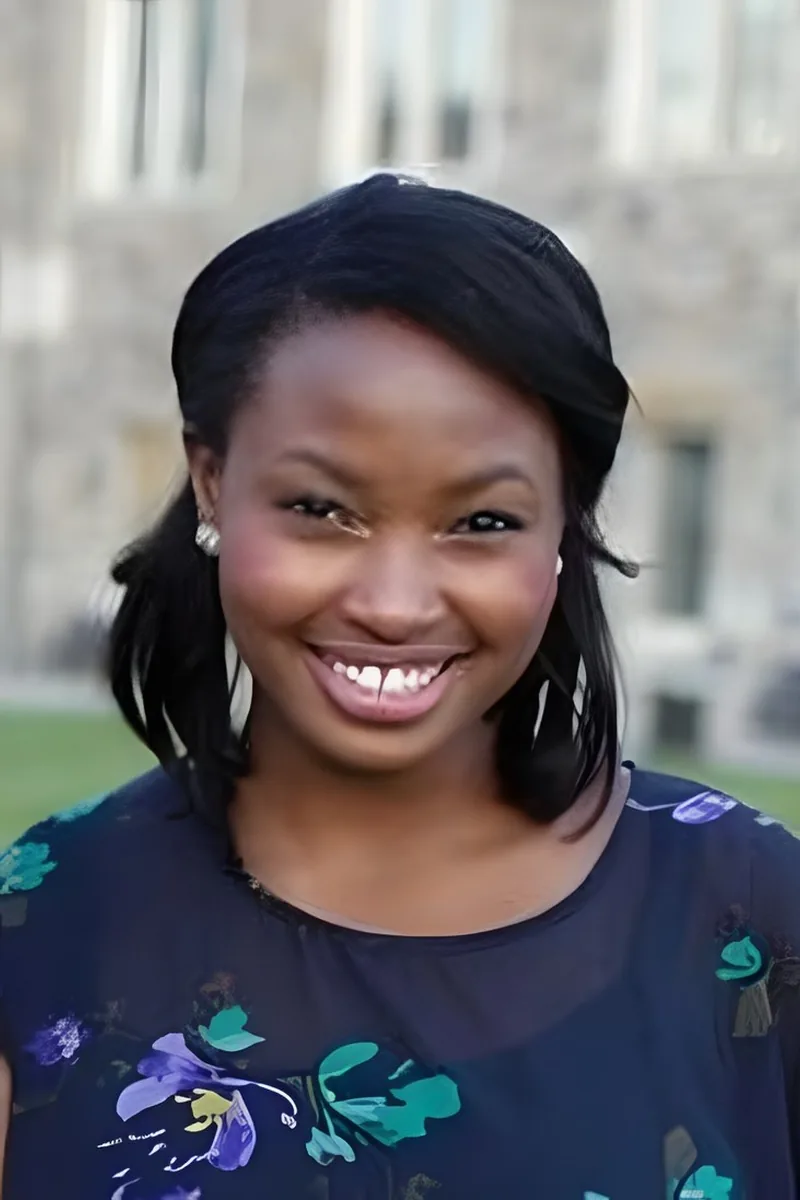
Trudy's master's dissertation at the University of Edinburgh focused on early modern South Asian and Islamic art — two content areas that consistently challenge AP Art History students who've had mostly Western-focused coursework. She brings firsthand research depth to those non-Western sections of the 250-image set while teaching students how to write the kind of cross-cultural contextual arguments the exam's free-response prompts demand.

I am a rising sophomore at Kenyon College, a small liberal arts school an hour out of Columbus, Ohio, majoring in Philosophy. It is difficult to identify a specialty of mine because I have worked with students from 1st grade through high school on topics ranging from elementary science to trigonometry test prep, but my foremost strength is the three sections of the SAT. I have roughly three years of experience tutoring and last year taught a test prep class. My approach to tutoring is to identify a students strengths and build upon them through frequent quizzes and reflective analysis. Additionally, having just gone through the college admissions process, I am privy to its length and complexity so can lend advice on anything, namely essays. I have plenty of experience writing and have been published in a local newspaper. While I think math is the easiest subject for me to teach, writing and writing skills are my favorite to teach because to see a writers progress is an extraordinary sight and, further, challenge.
Eight years of ESL tutoring taught Danya something most AP Art History tutors skip — how to make unfamiliar cultural contexts accessible to students who don't share them, which is exactly what the exam demands when it asks students to interpret works across ten global content areas. Her English training at Columbia sharpens the writing side, where she coaches students to build the kind of thesis-driven free-response essays that turn visual observations into persuasive cultural arguments.
Studying for a degree in secondary history and government education with an art history minor at the University of Kansas, Emma is building the exact academic foundation this exam covers — the intersections of political systems, cultural movements, and artistic production. She's especially effective at teaching students how debates over power and governance show up in visual culture, from ancient civic architecture to Cold War–era public art. Rated 5.0 by students.
Two master's degrees from Yale and Duke — one in Religious Studies with an ancient history focus, the other grounding him in the intersection of religion, culture, and visual tradition — mean Justin can contextualize sacred and devotional works across the 250-image set with real scholarly depth, from Hindu temple complexes to Gothic cathedrals to Islamic calligraphic programs. He teaches students to build arguments that link iconography and ritual function to the broader cultural narratives the AP exam's free-response questions actually score on. Rated 5.0 by students.
Studying film production gave Isaiah a trained eye for visual composition, which translates directly to the kind of formal analysis AP Art History demands. He teaches students to move beyond identifying a work's period and instead articulate how line, space, color, and context create meaning. That skill turns the exam's image-based questions from intimidating to manageable.
Working as a museum educator at the Hudson River Museum, Vivian does daily what the AP Art History exam asks students to do on paper — she walks people through artworks and teaches them to see how historical context, religious function, and patronage shaped what ended up on the wall. Her Fordham training in theology, philosophy, and Medieval Studies gives her particular depth with the sacred and medieval works in the 250-image set, where understanding iconography and liturgical purpose is the difference between describing a work and actually analyzing it. Rated 5.0 by students.
A practicing photographer with an MFA from SCAD, Emily brings real fluency in visual analysis to AP Art History — she teaches students to move past surface description and articulate how form, context, and function intersect in works from the Global Prehistory image set through contemporary installations. Her background in both studio art and academic writing makes the comparison essay feel far less intimidating.
Studying architecture at Columbia means Andrew doesn't just recognize Bernini's colonnade or Le Corbusier's Villa Savoie — he understands the structural, cultural, and theoretical ideas behind them. That depth is exactly what AP Art History requires, since the exam asks students to analyze visual evidence and connect works to broader historical contexts across global traditions. He walks students through how to write concise comparative essays that earn full marks.
A Yale-trained art historian with a degree in Art History, Criticism, and Conservation, Moses brings the exact academic background this exam was designed to test — he can unpack how conservation practices and critical theory shape the way we interpret works across the 250-image set. He's particularly strong on teaching students to move from identifying formal elements to building the kind of contextual arguments the free-response questions reward. Rated 5.0 by students.
Co-curating the TCRWP Classroom Libraries Project taught Molly how to organize vast collections of material into coherent thematic frameworks — a skill that maps directly onto navigating AP Art History's 250-image set across ten content areas. Her special education background also means she's especially good at breaking down the exam's dense contextual analysis questions into concrete, repeatable steps for students who feel overwhelmed by the sheer volume of works, periods, and cultural connections.
The AP Art History exam asks students to do something surprisingly difficult: look at an image they may have never seen and write a convincing argument about its cultural context in minutes. Monitha's philosophy background at Michigan sharpened exactly that skill — constructing tight, evidence-based claims under pressure. She teaches students to move between visual analysis and historical argumentation without losing the thread.
Christopher's memory-sport training — he's actively working toward a Guinness World Record — gives him a genuinely unusual skill set for tackling the 250-image set, where students need to recall specific works, artists, dates, and cultural contexts under exam pressure. But he pairs those memorization techniques with a science student's habit of asking how systems connect, which translates well to the contextual and comparative essays where the AP exam tests whether students understand why a work was made, not just what it looks like.
Jennifer's East Asian studies coursework at Brown gives her genuine depth in the non-Western content areas that trip up many AP Art History students — she can contextualize Chinese bronzes, Buddhist sculpture, and scroll paintings within the cultural traditions that produced them, not just identify them from the 250-image set. Her biochemistry major also means she's comfortable with the systematic, detail-oriented thinking the exam's comparison essays demand, where connecting formal elements across two very different works requires precision, not just appreciation.
Testimonials
Because the right AP Art History tutor makes all the difference.
Average Session Rating – Based on 3.4M Learner Ratings
Practice AP Art History
Free practice tests, flashcards, and AI tutoring for AP Art History
Other Cincinnati Tutors
Related Social Studies Tutors in Cincinnati
Frequently Asked Questions
The AP Art History exam tests your knowledge of art and architecture from prehistoric times through the present day, spanning multiple cultures and continents. The exam includes 250 multiple-choice questions (50% of your score) and a free-response section with four essays (50% of your score). You'll need to identify artworks, understand historical context, analyze artistic techniques, and make connections between different periods and cultures—all within a 3-hour testing window.
Personalized 1-on-1 instruction helps you identify which time periods, regions, or artistic concepts are causing confusion and address them directly. Tutors can teach you efficient strategies for the multiple-choice section—like how to eliminate wrong answers quickly—and help you practice essay writing under timed conditions so you're confident on test day. Many students struggle with memorizing hundreds of artworks; a tutor can help you create systems to organize and retain this information effectively.
The main challenge is the sheer volume of content—you're expected to know artworks, artists, and historical contexts across thousands of years and multiple continents. Many students also struggle with essay timing, especially under pressure, and with understanding what examiners are really asking in free-response questions. Additionally, some students find it hard to move beyond memorization to actually analyze and compare artworks in meaningful ways, which is what the exam rewards.
Ideally, you should begin focused exam prep 2-3 months before the May test date, though this depends on how much of the course material you've already covered. If you're struggling with specific units early in the year, starting tutoring sooner helps you build a stronger foundation. Many students benefit from consistent weekly sessions throughout the school year, with increased frequency in the final 4-6 weeks before the exam to focus on practice tests and essay refinement.
Practice tests are essential—they help you get comfortable with the exam format, identify your weak areas, and build speed and accuracy. Taking full-length practice tests under timed conditions is especially valuable because it simulates test day pressure and helps you refine your pacing strategy. A tutor can review your practice test results with you, pinpoint which types of questions you're missing, and help you develop targeted strategies to improve those specific areas.
The free-response section has four essays, each with a different focus: one asks you to analyze a provided image, one requires you to identify and contextualize an artwork, one asks you to compare two artworks, and one explores a theme across multiple artworks. Each essay is graded on how well you demonstrate art historical thinking—meaning you need to go beyond describing what you see and explain why the artwork matters historically and culturally. Tutors can help you practice structuring clear, evidence-based essays and managing your time so you can complete all four essays in about 80 minutes.
Look for tutors who have deep knowledge of art history across multiple periods and cultures, ideally with experience teaching or tutoring AP Art History specifically. They should understand the exam format, scoring rubrics, and common student mistakes. It's also helpful if they can teach you study strategies tailored to how your brain works best—whether that's visual organization systems, storytelling techniques, or other memory strategies—since memorizing hundreds of artworks is a significant part of success.
Cincinnati has excellent art museums and cultural institutions like the Cincinnati Art Museum and Taft Museum of Art that can deepen your understanding of real artworks beyond textbook images. Visiting these spaces helps you see how color, scale, and texture actually work in person—something that's hard to grasp from photos alone. Varsity Tutors connects you with expert tutors in Cincinnati who can help you synthesize classroom learning with these local resources and prepare you for exam success.
Let’s find your perfect tutor
Answer a few quick questions. We’ll recommend the right plan and match you with a top 5% tutor.